Can Arowana Sense Human Emotions?

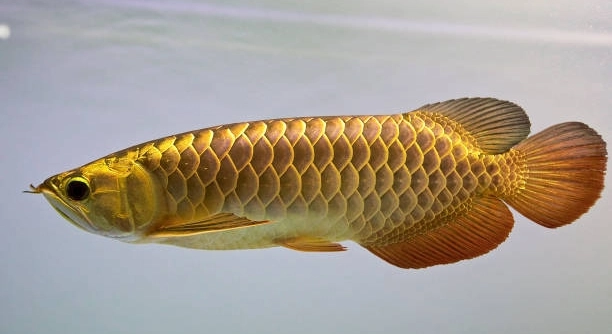
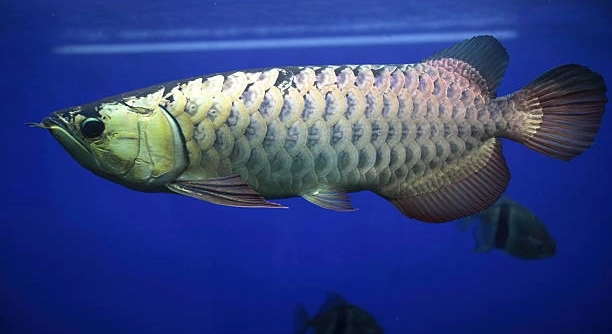
Do you ever notice your Arowana gliding gracefully across the tank and wonder about the connection it shares with you? These fish are not only beautiful but also seem aware of the energy around them, responding subtly. Arowanas can sense certain human emotions through changes in behavior, tone, and movement. Research suggests they respond to … Read more
7 Signs Your Arowana Is Having Trouble Digesting

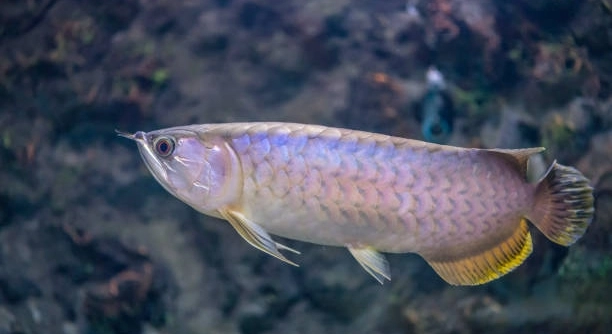
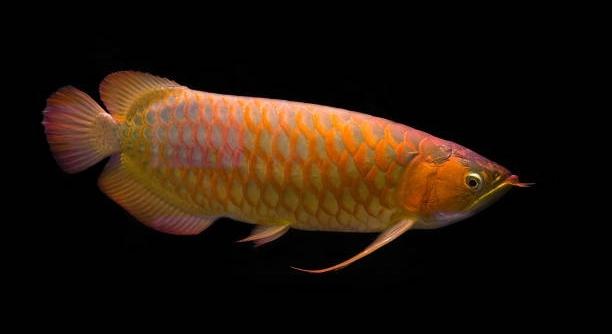
Is your arowana acting slower than usual and showing signs that something feels off during feeding time, making you wonder if its digestion is not working as smoothly as it should for its overall comfort. Troubled digestion in arowanas often arises from inappropriate diet composition, low water temperatures, or tank related stress. These factors slow … Read more

Do Arowana Like Bright or Dim Environments?

Have you ever cared for an arowana and wondered how the lighting around its tank shapes its comfort and behavior, helping you create a calm environment that supports movement and steady routines for this fish. Arowanas prefer dim environments because subdued lighting reduces stress and supports their natural behavior patterns. Low light conditions help regulate … Read more

7 Causes of Aggression in a Single Arowana

Are your arowanas displaying unusual aggression and causing tension in your aquarium? Managing a single arowana can be tricky, especially when its behavior shifts from calm to hostile seemingly without reason. Understanding these changes is important. Aggression in a single arowana can stem from various factors, including inadequate tank size, territorial instincts, poor water quality, … Read more

Can Arowana Get Depressed in Solitude?

Have you ever wondered if your arowana feels lonely when kept alone in its tank? Many fish owners notice changes in behavior that make them question their pet’s emotional well-being and social needs. Arowanas can exhibit signs of stress and lethargy when kept in solitude, which may resemble depression. These behaviors often result from limited … Read more

7 Feeding Techniques for Picky Arowana

Are your arowanas turning up their noses at every meal you offer? Many owners struggle with feeding these elegant fish, especially when they show selective eating habits that make maintaining proper nutrition a challenge. Feeding picky arowanas effectively requires a combination of varied food types, consistent feeding schedules, and attention to individual preferences. Techniques such … Read more

7 Tricks to Make Your Arowana More Active

Is your arowana spending most of its time floating idly in the tank, showing little interest in its surroundings or food? The most effective way to make your arowana more active is by improving its environment and routine. Factors such as tank size, lighting, diet, and enrichment play key roles in stimulating natural behavior and … Read more

How to Tell If Your Arowana Is Bored

Is your arowana swimming in circles or seeming uninterested in its surroundings? Many fish owners overlook subtle signs that their arowana may not be mentally stimulated or fully engaged in its environment. A bored arowana often displays repetitive swimming patterns, reduced activity, and a lack of interest in feeding or interacting with enrichment items. These … Read more

Why Is My Arowana Always Facing One Direction?

Many arowana owners notice their fish often stays in one spot, facing a single direction. This behavior can seem odd, especially when the tank appears spacious and well-maintained, leaving you unsure of what it means. Arowanas often face one direction due to environmental factors such as light, water flow, or territorial instincts. They may align … Read more

7 Simple Steps to Bond With Your Arowana

Arowanas are striking, graceful fish that can form meaningful connections with their owners. Observing their behavior closely and providing consistent care can help foster trust and a sense of companionship between you and your aquatic friend. Bonding with an Arowana involves consistent interaction, proper feeding routines, and a stable, enriched environment. Gentle handling, observing behavioral … Read more