
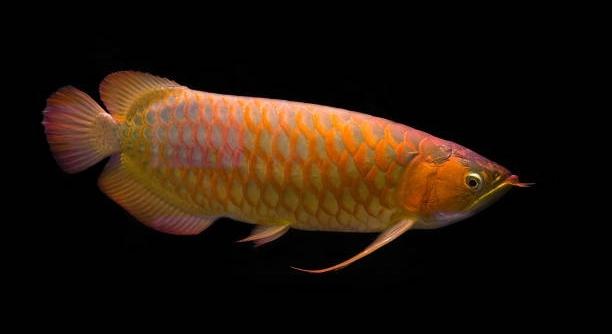
Have you ever noticed your arowana staying smaller than expected despite proper care? Watching them swim gracefully while wondering why growth seems slow can be both confusing and a little frustrating for any owner.
The primary reason arowanas fail to grow properly is often linked to environmental and dietary deficiencies. Insufficient tank size, poor water quality, or an unbalanced diet can directly impede their natural growth patterns and overall health.
Learning about the key factors affecting arowana growth can help you make better choices for their care and long-term development in your aquarium.
Tank Size and Environment
Arowanas need plenty of space to grow properly. If the tank is too small, their movement is restricted, which can slow growth and affect overall health. A young arowana may appear active at first, but as it grows, cramped conditions can create stress. Water quality is just as important as space. High ammonia or nitrite levels, fluctuating pH, or inconsistent temperatures can make it difficult for your fish to thrive. Filtration, regular water changes, and monitoring water parameters help create a stable environment. Even subtle stressors, like excessive noise or sudden lighting changes, can influence appetite and activity. The tank should mimic natural conditions as much as possible, giving your arowana room to swim freely while maintaining clean, stable water. Observing behavior, feeding habits, and growth can help you determine if the environment is suitable. Proper preparation now ensures healthier, faster growth later, saving both effort and potential health problems.
Small adjustments in tank size and water care can make a noticeable difference in growth rates and vitality.
Monitoring your arowana daily allows you to spot early signs of stress or illness. Regular tank maintenance, like partial water changes and filter cleaning, supports stable water conditions. Adding hiding spots or gentle currents can reduce stress while keeping the fish active. Arowanas are sensitive to rapid changes, so gradual adjustments in water parameters and diet are essential. Providing enough room to swim encourages natural behaviors and supports muscle development. Observing interactions with tank mates is also key, as aggression or bullying can impact feeding and growth. Investing in a proper setup initially prevents long-term problems and helps your arowana reach its full size potential. Consistency, patience, and attention to detail are vital for ensuring a healthy, growing fish.
Diet and Nutrition
Balanced nutrition directly affects growth and health. Arowanas require protein-rich foods like live or frozen fish, shrimp, and insects.
Proper feeding involves variety, portion control, and supplementation when necessary.
Providing a diverse diet ensures your arowana receives essential amino acids, vitamins, and minerals. Feeding the same type of food repeatedly can lead to deficiencies, stunted growth, and reduced immunity. Overfeeding can cause obesity and water quality issues, while underfeeding slows metabolism and growth. Including occasional supplements like vitamins or enriched pellets supports development. Observing feeding behavior helps determine if the fish is receiving enough nutrition or if adjustments are needed. Young arowanas may require more frequent meals, while adults need careful portioning to prevent overfeeding. Rotating protein sources helps prevent nutritional gaps and keeps the fish interested in food. Overall, consistent, balanced feeding routines are key to achieving healthy, steady growth while maintaining vitality.
Water Quality
Regular monitoring of water parameters is essential for arowana growth. Ammonia, nitrite, and nitrate levels must remain low, and pH should stay stable. Poor water quality stresses the fish, reduces appetite, and slows growth.
Keeping the tank clean involves frequent partial water changes, testing water parameters, and maintaining the filter. Water temperature should remain consistent, ideally between 75–82°F (24–28°C). Sudden changes in temperature or chemistry can shock your arowana, leading to lethargy or illness. Using a reliable water test kit helps track conditions accurately. Removing uneaten food and debris prevents ammonia spikes. A well-maintained environment supports metabolism and feeding, which directly influences growth rates. Even minor lapses in water care can have long-term impacts, so consistency is key to maintaining optimal conditions.
Proper aeration and circulation also improve water quality. Using a sponge filter or air pump increases oxygen levels, promoting active swimming and digestion. Combining filtration, regular cleaning, and oxygenation creates a stable environment where your arowana can thrive and grow naturally.
Stress and Behavior
Aggression from tank mates or overcrowding can reduce growth by limiting food intake and causing constant stress. Arowanas need calm conditions to thrive.
Stress lowers appetite, weakens immunity, and slows growth. Observing behavior helps identify bullying, hiding, or lethargy. Isolating aggressive fish or adjusting tank setup can reduce tension. Even minor disturbances, like tapping the glass or sudden movements near the tank, can stress sensitive fish. Providing hiding spaces, maintaining consistent lighting, and avoiding sudden environmental changes helps minimize stress. Social compatibility and tank arrangement play important roles in creating a peaceful environment conducive to growth.
Regularly monitoring behavior allows early detection of problems. Stress management includes proper feeding schedules, minimizing sudden changes, and careful selection of tank mates. Consistent observation ensures that any aggressive or unhealthy behavior is addressed promptly, preventing long-term growth issues. Keeping the environment predictable and calm encourages natural feeding habits and active swimming. Over time, reduced stress leads to stronger health, improved appetite, and more consistent growth. Simple measures like rearranging décor or limiting external disturbances can have a major impact on the overall well-being of your arowana.
Feeding Frequency
Young arowanas need multiple small meals daily, while adults require fewer, larger feedings. Consistent schedules help maintain metabolism and growth.
Overfeeding or underfeeding disrupts digestion and can stunt growth. Monitoring portions ensures fish remain healthy without polluting the tank.
Disease and Parasites
Illnesses and parasites can dramatically slow arowana growth. Common problems include bacterial infections, fungal growth, and internal parasites. Symptoms often appear as lethargy, loss of appetite, or unusual swimming patterns. Prompt identification and treatment are crucial. Maintaining water quality, quarantining new fish, and providing a nutritious diet reduces the risk of infection. Regular observation helps catch early signs before serious complications develop. Using appropriate medication and following treatment instructions carefully ensures recovery. Prevention is more effective than cure, so keeping the tank clean and monitoring health consistently supports strong growth and vitality.
Genetics
Genetic factors influence maximum size and growth rate. Some arowanas naturally grow slower or remain smaller than others.
FAQ
Why is my arowana not growing fast enough?
Slow growth is usually linked to environment, diet, or health. Small tanks, poor water quality, or inconsistent feeding schedules all affect metabolism. Stress, disease, or insufficient nutrition can also reduce appetite and stunt growth. Ensuring clean water, balanced meals, and proper tank conditions usually improves growth rates.
How often should I feed my arowana?
Young arowanas need two to three small feedings daily to support rapid growth. Adult arowanas can be fed once or twice daily. Portion control is key: overfeeding pollutes the water, while underfeeding slows growth. Observe how much your fish eats in five minutes and adjust accordingly.
What foods help arowanas grow bigger?
Arowanas need high-protein diets. Live or frozen fish, shrimp, and insects provide essential nutrients. Occasional pellets enriched with vitamins help prevent deficiencies. Rotating food types ensures they receive a balanced diet and encourages natural feeding behavior, which supports steady growth.
Can poor water quality stunt growth?
Yes. High ammonia, nitrite, or nitrate levels stress arowanas and reduce appetite. Fluctuating pH or temperature changes also affect metabolism. Regular water changes, proper filtration, and monitoring with a test kit maintain a stable, healthy environment for growth.
Do tank mates affect arowana growth?
Aggressive tank mates can limit access to food and increase stress, which slows growth. Overcrowding also restricts swimming space. Choosing calm, compatible species or housing arowanas alone reduces stress and ensures proper feeding opportunities.
How important is tank size for growth?
Arowanas require large tanks because swimming space supports muscle development. Small tanks restrict movement, increase stress, and often lead to slower growth. A general guideline is at least 250 gallons for adult arowanas, but larger is better for optimal growth.
Can genetics affect growth rates?
Yes. Some arowanas naturally grow slower or remain smaller due to genetics. While care and environment are crucial, inherited traits may limit ultimate size. Knowing the species and lineage can set realistic expectations for growth.
How do I know if my arowana is stressed?
Signs include hiding, refusing food, erratic swimming, or color fading. Stress affects appetite and immune response, which slows growth. Minimizing disturbances, providing hiding spaces, and keeping tank conditions stable helps reduce stress.
Should I use supplements for faster growth?
Supplements like vitamins can support development, especially if the diet lacks variety. Avoid over-supplementing, as it may cause health problems. Focus on a balanced diet first, then use supplements to fill gaps or boost immunity.
How can I prevent diseases that stunt growth?
Maintaining clean water, quarantining new fish, and providing a nutritious diet reduces the risk of infection. Early detection of unusual behavior, appetite changes, or physical signs allows prompt treatment. Healthy, stress-free arowanas are less likely to develop growth-inhibiting illnesses.
Can temperature affect arowana growth?
Yes. Arowanas thrive in stable temperatures between 75–82°F (24–28°C). Sudden drops or spikes slow metabolism and may reduce appetite. Using a reliable heater or chiller and monitoring temperature daily helps maintain optimal growth conditions.
Is overfeeding harmful?
Overfeeding pollutes the water and can lead to obesity or swim bladder issues. Both affect movement, health, and growth. Feeding measured portions and removing uneaten food promptly protects water quality and ensures proper nutrition.
How long does it take for arowanas to reach full size?
Growth varies by species, genetics, and care. With proper conditions, some arowanas may reach several feet in a few years, while others grow more slowly. Consistency in feeding, tank maintenance, and stress reduction significantly affects growth speed.
What is the most common mistake in arowana care?
Neglecting tank size, water quality, and proper diet are the biggest mistakes. Many owners underestimate how large arowanas grow or the importance of stable conditions. Regular maintenance and attention to these basics prevent most growth problems.
Can changing the tank improve growth?
Yes. Upgrading to a larger tank improves swimming space, reduces stress, and allows better water circulation. Ensuring proper filtration and monitoring parameters after a change supports adaptation and encourages natural growth patterns.
How often should I check water parameters?
Daily or at least several times a week is ideal. Consistent monitoring of ammonia, nitrite, nitrate, pH, and temperature helps prevent conditions that stunt growth. Immediate adjustments prevent long-term health issues and promote steady development.
Are live foods necessary for growth?
Live foods are highly beneficial because they stimulate natural hunting behavior and provide essential nutrients. They can be supplemented with frozen or high-quality pellets, but variety and protein content are key to supporting optimal growth.
Does tank decoration affect growth?
Yes. While arowanas need space to swim, adding some hiding spots or gentle structures reduces stress and encourages natural activity. Avoid overcrowding the tank with decorations that restrict movement. Balance aesthetics with functional swimming space.
Can frequent handling or moving slow growth?
Handling arowanas stresses them, reduces appetite, and can slow growth. Limiting interaction to necessary maintenance minimizes stress. When moving or treating the fish, do so calmly and quickly to maintain health.
Is it normal for growth to slow at certain stages?
Yes. Young arowanas grow rapidly, while adults naturally slow down. Slower growth in mature fish is normal, but if accompanied by illness or poor appetite, it may indicate problems in diet, water, or health.
This FAQ section provides guidance on environmental, dietary, and behavioral factors that influence arowana growth, helping owners make informed care decisions.
Arowanas are fascinating fish, but their growth depends on a combination of care, environment, and diet. Many owners expect rapid growth and become frustrated when their fish seem smaller than anticipated. In reality, healthy arowanas grow at a steady pace if their basic needs are met. Tank size plays a crucial role, as these fish require plenty of room to swim freely. Small or crowded tanks limit movement, increase stress, and can directly slow growth. Equally important is water quality. Ammonia, nitrite, and nitrate levels need to be consistently monitored, and water changes must be performed regularly. Temperature and pH stability also support metabolism and feeding behavior, which are essential for proper development. Even minor fluctuations in water conditions can affect appetite and overall health, making growth slower than expected.
Diet and nutrition are another key factor in supporting arowana growth. These fish thrive on protein-rich foods like shrimp, fish, and insects, complemented with high-quality pellets or occasional supplements. Providing a varied diet ensures they receive all necessary vitamins and minerals. Feeding frequency also matters: young arowanas need multiple small meals, while adults require fewer, controlled portions. Overfeeding can pollute the water and cause health issues, while underfeeding slows metabolism and growth. Observing your arowana during feeding helps ensure that it is eating enough and not stressed by tank mates or environmental conditions. Stress reduction is critical, as constant stress from aggressive tank mates, overcrowding, or sudden changes in the environment can lower appetite and hinder growth. Providing hiding spaces and maintaining a calm, predictable environment helps the fish remain healthy and active.
Health and genetics also influence growth. Arowanas can be affected by disease, parasites, or genetic traits that limit size. Quarantining new fish, monitoring for unusual behavior, and maintaining clean, stable water reduce the risk of illness. Genetics determine growth potential, but proper care ensures your fish reaches the size it is naturally capable of. Growth may slow at certain stages, particularly as the fish matures, but consistent attention to water quality, diet, and stress management helps maintain steady development. Patience is essential when caring for arowanas; their health and size improve gradually with proper care. Paying close attention to environmental conditions, feeding practices, and overall health ensures your arowana has the best chance to grow strong, vibrant, and healthy throughout its life.

Hello,
If you enjoy the content that we create, please consider saying a "Thank You!" by leaving a tip.
Every little bit helps us continue crafting quality advice that supports the health, happiness, and well-being of pets around the world, for pets of all shapes, sizes, and species.
We really appreciate the kindness and support that you show us!