
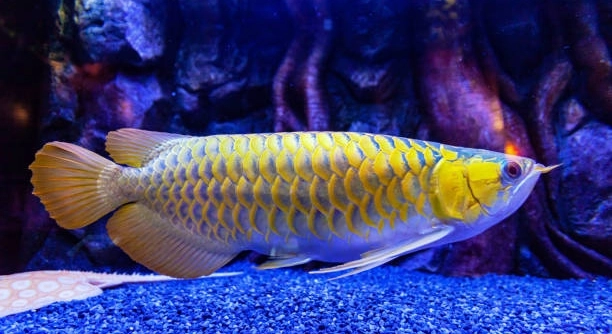
Introducing live food to pets can feel intimidating at first. Many owners want to provide the best nutrition while ensuring safety. Understanding the right steps can help pets adapt smoothly to this type of diet.
The correct way to introduce live food involves gradually mixing it with familiar foods, monitoring your pet’s response, and ensuring the prey is appropriately sized and healthy. Consistency and careful observation are key to a successful transition.
Taking the proper approach ensures your pet’s health while making mealtime less stressful for both of you. Small, thoughtful steps create long-term benefits.
Preparing Your Pet for Live Food
Before introducing live food, it’s important to observe your pet’s current eating habits. Gradually adjust their diet by reducing processed or frozen foods while maintaining nutritional balance. Start with small portions of live prey to avoid overwhelming them. Ensure the feeding environment is calm and safe, reducing stress for both you and your pet. Monitoring your pet’s reactions closely helps identify any adverse responses early. Hygiene is essential: wash your hands and clean feeding areas to prevent bacteria or parasites from spreading. Rotate prey types to provide variety and cover nutritional needs. Consult a veterinarian for guidance if your pet has health concerns or specific dietary requirements. This step-by-step preparation allows pets to acclimate naturally, reducing risks and promoting healthy eating behavior. Consistency in feeding schedules also helps pets recognize live food as part of their regular diet, minimizing resistance and encouraging acceptance over time.
Introducing live food slowly and steadily helps pets adapt without fear or stress. Careful observation is key.
Providing live food supports natural instincts, promotes physical activity, and can improve overall well-being. With patience, pets learn to hunt and eat confidently. Ensuring prey is healthy, safe, and appropriately sized fosters a positive feeding experience.
Selecting and Handling Live Prey
Choose prey that matches your pet’s size and species needs. Proper handling prevents injury to both pet and prey.
Prey should be lively but not aggressive, ensuring safe interaction. Store it under proper conditions to maintain freshness and prevent disease. Avoid overfeeding by monitoring quantities and adjusting to your pet’s appetite. Introduce new prey types gradually, noting your pet’s response and preference. Maintaining a clean environment minimizes contamination risks. Wash hands and sanitize feeding containers after each session. Rotate prey to provide a balanced diet, supporting nutrition and natural hunting instincts. Safety and consistency are critical: injured or unhealthy prey can harm your pet. Observing prey behavior and selecting suitable specimens improves feeding outcomes. Tracking how your pet responds over multiple sessions helps identify ideal prey and portion sizes, ensuring ongoing health benefits. Proper preparation, careful handling, and mindful observation make live feeding a structured and safe process, allowing pets to enjoy natural, instinct-driven meals confidently.
Introducing Live Food Gradually
Start with small, manageable portions that your pet can easily handle. Observe their behavior carefully during each feeding. Avoid overwhelming them with too much at once. Gradually increase quantity as they become more comfortable. Timing and consistency make a big difference in acceptance and adaptation.
Feed once or twice a day depending on your pet’s species and age. Begin with familiar prey before introducing new types to reduce stress. Mix live food with partially processed or frozen options initially to ease the transition. Observe reactions closely and remove uneaten prey promptly to maintain hygiene. Gradually increase portion sizes and diversity as confidence grows. Avoid forcing your pet to eat live prey; patience ensures long-term success and prevents negative associations with feeding time.
Monitor your pet’s physical condition throughout the process. Healthy digestion, active hunting behavior, and interest in food indicate a successful transition. Record feeding times and portion sizes to identify patterns and adjust routines. Be attentive to any signs of stress, injury, or illness. Live food should support both nutritional needs and natural instincts, so careful observation is essential. Providing a safe environment and consistent routine helps pets adapt smoothly. Encourage positive experiences and avoid rushing, as gradual exposure leads to confidence and long-term acceptance.
Safety Considerations for Live Feeding
Ensure prey is free from disease, parasites, or injuries. Handling them properly reduces risks. Store prey under proper conditions.
Keep the feeding area clean and sanitized to prevent contamination. Avoid leaving live prey unattended, as it can stress or injure your pet. Use tools if necessary to handle prey safely. Monitor interactions closely and remove any prey that becomes overly aggressive or unfit for consumption. Rotate prey sources to maintain dietary balance and nutritional diversity. Wash hands thoroughly after handling to minimize bacteria transfer. Awareness of potential hazards ensures a safe feeding environment. Consistent safety measures prevent accidents and maintain your pet’s well-being.
Observe your pet’s reactions during every feeding session to ensure safety. Live food should complement their diet without causing harm. Remove leftovers promptly to prevent decay or disease. Injuries from live prey can occur if size and behavior are not matched properly. Avoid overfeeding and introduce new prey gradually, watching for any digestive issues or behavioral changes. Regularly inspect both prey and pet for signs of illness or stress. Proper storage, rotation, and hygiene are critical for long-term health. Maintaining safety while encouraging natural hunting instincts creates a balanced and controlled feeding routine. Consistent care and attention minimize risk and support your pet’s overall well-being.
Timing and Frequency of Feeding
Feed live prey at consistent times each day to establish routine. Consistency helps pets anticipate meals and reduces stress. Adjust feeding frequency based on age, size, and activity level. Avoid sudden changes that could disrupt digestion or behavior.
Younger or more active pets may need smaller, more frequent feedings. Older or sedentary pets require fewer meals to prevent overfeeding. Track your pet’s appetite and energy levels to adjust timing appropriately. Regular feeding schedules encourage healthy habits and support natural hunting instincts.
Observing Behavioral Responses
Watch how your pet interacts with live prey. Notice hunting techniques, hesitation, or refusal to engage. Document patterns over several sessions. Behavioral observation is key to understanding their comfort level and readiness for new prey types. This allows adjustments to feeding strategy for safety and success.
Managing Leftover Prey
Remove uneaten live prey promptly to avoid stress or decay. Leaving prey in the enclosure can lead to injury or illness, impacting your pet’s health.
Transitioning Between Prey Types
Introduce new prey gradually alongside familiar options. Sudden changes can cause refusal or digestive upset. Rotate prey slowly while monitoring responses. Gradual transition ensures acceptance, nutritional balance, and encourages natural hunting behavior without causing unnecessary stress.
FAQ
How do I know if my pet is ready for live food?
Pets that show curiosity during mealtime, interest in movement, and healthy energy levels are usually ready. Begin with small portions alongside familiar foods. Monitor closely for any hesitation or stress. Readiness often comes with consistent appetite and confidence in feeding behavior.
What type of live prey should I start with?
Start with prey that is appropriately sized and slow-moving. Crickets, small worms, or mealworms are common beginner options. Ensure prey is healthy, active, and free from parasites. Gradually introduce other types to diversify nutrition and encourage natural hunting instincts.
How often should I feed live prey?
Frequency depends on age, size, and activity level. Younger pets may need daily small portions, while adults can manage fewer feedings. Observe appetite and energy to adjust. Maintaining a consistent schedule supports digestion and establishes predictable feeding behavior.
Can live prey cause injuries to my pet?
Yes, improperly sized or aggressive prey can bite, scratch, or stress your pet. Always choose prey that is safe, remove uneaten items promptly, and supervise feeding. Proper selection and handling minimize risk and protect your pet’s health.
Do I need to clean the feeding area after each session?
Absolutely. Live prey can introduce bacteria or parasites. Wash hands, sanitize containers, and remove leftover prey. Keeping the environment clean reduces disease risk and promotes a healthy feeding routine for your pet.
What if my pet refuses live prey?
Some pets may take time to adjust. Mix live prey with familiar foods initially. Offer small portions and try different prey types. Patience is key; forcing feeding can create stress or negative associations. Observe and adapt gradually.
Is it safe to rotate different types of live prey?
Yes, rotating prey supports nutritional balance and encourages natural hunting instincts. Introduce new types slowly to prevent digestive upset. Monitor reactions and adjust portions. Variety helps prevent boredom and ensures a well-rounded diet.
How do I store live prey safely?
Keep prey in secure, temperature-appropriate containers with adequate ventilation. Follow supplier recommendations for care. Avoid overcrowding or unsanitary conditions. Proper storage preserves prey health and reduces risk of disease when feeding.
Can live food improve my pet’s natural behavior?
Feeding live prey stimulates hunting instincts, encourages activity, and promotes mental engagement. Pets that hunt naturally often display increased confidence, sharper reflexes, and improved physical condition. Structured feeding enhances overall well-being and supports instinctual behaviors.
What should I do if my pet overfeeds or underfeeds?
Monitor portions and adjust based on appetite, weight, and energy levels. Overfeeding can lead to obesity, while underfeeding affects growth or health. Maintain a consistent schedule, document intake, and consult a veterinarian if concerns arise. Small adjustments prevent long-term issues.
Are there any health risks associated with live feeding?
Risks exist if prey is unhealthy, contaminated, or too large. Parasites, bacteria, or injuries can harm pets. Proper prey selection, handling, and hygiene significantly reduce these risks. Supervision and gradual introduction ensure safe, controlled feeding practices.
How do I encourage my pet to hunt live prey effectively?
Start with slow, manageable prey to build confidence. Place prey where it can be easily spotted and encourage engagement. Gradually increase difficulty and variety. Positive reinforcement and observation help your pet refine hunting skills naturally.
Can live food replace other dietary options entirely?
Live food should complement a balanced diet, not replace all other nutrition. Include supplemental vitamins, vegetables, or prepared foods if required. Combining options ensures your pet receives complete nutrition while benefiting from instinct-driven feeding.
How can I tell if live feeding is successful?
Success shows in confident hunting behavior, consistent appetite, healthy digestion, and appropriate weight. Positive interactions with prey, enthusiasm during meals, and low stress levels indicate effective adaptation to live food. Regular monitoring ensures ongoing health and engagement.
What precautions should I take during live feeding?
Always supervise feeding, select appropriate prey, maintain hygiene, and remove leftovers. Observe pet behavior closely, avoid overcrowding prey, and introduce new types gradually. Following these precautions minimizes risks and promotes a safe, structured feeding routine.
Can live food help improve picky eating habits?
Yes, offering a variety of safe prey can encourage interest in eating. Gradual exposure, rotation of prey types, and mixing with familiar foods helps overcome reluctance. Positive experiences and patience are essential for developing consistent eating habits.
How long does it take for a pet to adjust to live food?
Adjustment varies by species, age, and temperament. Some adapt in days, while others take weeks. Start small, introduce gradually, and monitor behavior. Patience and consistent routines ensure long-term acceptance and healthy feeding habits.
What is the best way to monitor my pet during live feeding?
Observe closely, noting reactions, hunting behavior, and digestion. Keep a log of prey type, portion size, and any issues. This helps identify patterns, track progress, and adjust feeding strategies for safety and health.
Are there alternatives if live food is not an option?
Frozen, thawed, or specially prepared diets can provide similar nutrition. Supplements and fortified foods may substitute for certain prey types. These alternatives can maintain health and instinctual behavior if live feeding is impractical.
How can I make live feeding less stressful for my pet?
Introduce prey gradually, use calm feeding environments, and maintain consistent schedules. Avoid forcing interaction, observe responses carefully, and ensure prey is appropriately sized. Gradual exposure and positive reinforcement reduce stress and build confidence.
What tools can help with live feeding?
Tweezers, tongs, or feeding containers help control prey and reduce risk of injury. Tools allow safer handling for both you and your pet. They also help manage portions and maintain hygiene during feeding sessions.
How do I know if prey is healthy?
Healthy prey is active, properly sized, and free from visible injuries or parasites. Check for movement, coloration, and overall condition before feeding. Only provide prey that meets these standards to ensure your pet’s safety and nutrition.
Is live feeding suitable for all pets?
Not all species or individuals respond well to live prey. Research your pet’s dietary needs, natural hunting instincts, and health conditions. Live food is most suitable for species with strong predatory behavior and proper physical condition.
Can live feeding affect social behavior?
Yes, feeding style and environment can influence aggression or interaction with other pets. Supervise group feedings, provide space, and monitor behavior to prevent stress or competition. Structured feeding maintains harmony.
How do I handle leftover or escaped prey?
Remove uneaten prey promptly to prevent stress, injury, or decay. Escaped prey should be safely recaptured or disposed of if unsafe. Prompt action maintains hygiene and prevents disruption to your pet’s routine.
What are common mistakes to avoid?
Introducing too much prey at once, ignoring hygiene, using inappropriate sizes, or forcing interaction can harm pets. Gradual introduction, proper observation, and careful handling prevent these issues and promote safe adaptation to live feeding.
Can live food improve mental stimulation?
Yes, hunting live prey engages instincts, problem-solving, and focus. Mental stimulation supports healthy behavior, reduces boredom, and promotes activity. Structured feeding routines help pets stay alert, confident, and engaged.
How should I document live feeding sessions?
Record prey type, portion size, timing, and pet responses. Note behavior, digestion, and acceptance levels. Consistent documentation helps refine feeding strategies, track health, and ensure balanced nutrition over time.
What should I do if my pet refuses new prey types?
Reintroduce gradually alongside familiar prey. Use small portions and observe reactions. Avoid forcing the new prey. Patience, repetition, and positive experiences encourage acceptance without causing stress or negative associations.
Are there long-term benefits to live feeding?
Yes, live feeding supports natural instincts, physical activity, mental stimulation, and overall well-being. When done safely and consistently, it encourages healthy hunting behavior, improves nutrition, and strengthens confidence during feeding.
How can I minimize stress during live feeding?
Provide a calm environment, avoid overcrowding, maintain hygiene, and monitor closely. Gradual exposure and positive reinforcement help pets feel secure while developing hunting skills.
What is the ideal prey size for my pet?
Select prey that is smaller than your pet’s head or roughly a quarter of its body size. Proper sizing reduces injury risk, ensures successful capture, and encourages natural feeding behavior without overwhelming the pet.
Can live feeding support weight management?
Yes, live prey encourages movement, hunting, and natural energy expenditure. Adjust portion sizes to prevent overfeeding. Combining activity with appropriate prey portions helps maintain healthy weight and overall fitness.
How do I handle aggressive prey?
Remove aggressive prey immediately. Choose slower or less defensive types initially. Supervise interactions to prevent bites or scratches. Handling prey carefully and selecting appropriate species reduces risk of injury to your pet.
Is it safe to feed multiple types of live prey in one session?
Only if prey sizes and behaviors are compatible. Avoid mixing aggressive or larger prey with smaller ones to prevent injuries. Gradual introduction and careful observation ensure safety and proper nutrition.
How can live feeding enhance my pet’s overall health?
It promotes natural hunting instincts, physical activity, mental stimulation, and balanced nutrition. Structured feeding routines improve digestion, confidence, and engagement, contributing to long-term well-being and a healthier lifestyle.
Should I consult a veterinarian before starting live feeding?
Yes, especially if your pet has health concerns, is young, old, or has dietary restrictions. A veterinarian can guide portion sizes, prey types, and feeding frequency to ensure safety and proper nutrition.
Can live food be used for training purposes?
Yes, live prey can motivate hunting skills, problem-solving, and active engagement. Use cautiously and under supervision to reinforce desired behaviors while maintaining safety and control during feeding sessions.
How do I maintain hygiene during live feeding?
Wash hands before and after feeding. Sanitize feeding containers and remove leftover prey. Proper hygiene prevents bacterial or parasitic infections and ensures a safe environment for both pet and owner.
What are signs that live feeding is not working?
Refusal to eat, stress behaviors, digestive issues, weight loss, or injuries indicate problems. Adjust prey size, feeding method, or frequency, and consult a veterinarian if issues persist. Observation ensures timely intervention.
Can live feeding encourage natural instincts in indoor pets?
Yes, it stimulates hunting, tracking, and capture behaviors. Indoor pets benefit from mental and physical stimulation through structured live feeding routines, supporting instinct-driven activity even without outdoor access.
How do I avoid overfeeding during live sessions?
Offer only portions your pet can consume in a single session. Track feeding frequency, monitor appetite, and remove uneaten prey. Balanced portions prevent weight gain and maintain long-term health.
Is live feeding stressful for pets?
Not if introduced gradually, prey is appropriately sized, and the environment is calm. Sudden changes or unsafe prey can cause stress. Consistency, observation, and patience make the experience positive.
How can I tell if live prey is nutritious?
Prey should be healthy, active, and properly raised or sourced. Nutritional content varies by species. Rotate prey types to provide a balanced diet that meets your pet’s dietary needs.
What if my pet ignores live prey after initial interest?
Reassess prey size, type, and timing. Gradually reintroduce familiar prey alongside new options. Maintain calm feeding routines to reduce stress and encourage re-engagement without forcing interaction.
Can live feeding improve my pet’s confidence?
Yes, successful hunting experiences build self-assurance. Gradual exposure, manageable prey, and consistent routines allow pets to develop confidence in capturing and consuming live food.
How do I avoid injuries from live prey?
Choose appropriate prey sizes, avoid aggressive species, and supervise closely. Remove uneaten or unfit prey promptly. Proper selection and careful handling reduce risk to your pet.
Are there special considerations for young pets?
Young pets require smaller portions, slow introduction, and close supervision. Overfeeding or inappropriate prey can cause digestive issues or injuries. Gradual exposure fosters safe, confident feeding habits.
How long should each live feeding session last?
Feed only until the pet has captured and eaten prey or shows disinterest. Sessions typically last a few minutes. Prolonged exposure can stress the pet or allow prey to escape.
Can live feeding replace enrichment toys?
Live prey provides natural stimulation but should complement other enrichment activities. Toys, puzzles, and climbing structures support mental and physical development alongside feeding experiences.
How do I handle picky eaters?
Start with small, familiar prey and mix with partial food. Rotate prey slowly, offer positive reinforcement, and observe preferences. Patience and gradual introduction improve acceptance over time.
Is supervision required for every live feeding session?
Yes, supervision prevents injury, stress, or escape. Careful observation ensures prey is safe, portions are appropriate, and the pet interacts positively with the live food.
What is the role of observation in live feeding?
Observation helps identify appetite, behavior, hunting skills, and health issues. Recording patterns ensures safe feeding, balanced nutrition, and gradual adaptation to live prey.
Can live feeding benefit older pets?
Yes, it encourages activity, maintains reflexes, and provides mental stimulation. Adjust prey size, frequency, and difficulty to match age and energy levels for safe engagement.
How do I gradually increase prey difficulty?
Start with slow, small prey. Once the pet captures confidently, introduce faster or slightly larger prey. Gradual progression builds hunting skills without causing stress or injury.
Should I adjust feeding for health conditions?
Yes, consult a veterinarian for guidance on prey type, portion size, and frequency. Adjustments ensure nutritional needs are met safely and support recovery or management of health issues.
How do I track live feeding success?
Record prey types, portions, reactions, and any issues. Monitor weight, appetite, and behavior over time. Consistent tracking allows adjustments to optimize health, engagement, and feeding outcomes.
Are live feeding routines different for group housing?
Yes, manage prey to prevent competition or stress. Monitor interactions closely, provide multiple prey items, and ensure equitable access. Structured routines support harmony and safety among multiple pets.
What are the benefits of consistent live feeding routines?
Consistency promotes healthy eating habits, reduces stress, encourages natural behavior, and supports physical and mental health. Routine provides structure for both pets and caregivers.
How do I transition back to frozen or processed food if needed?
Mix gradually with live prey, reduce live portions slowly, and observe acceptance. Patience and consistency help pets adjust without stress or loss of appetite.
Can live feeding affect social behavior with other pets?
Yes, structured supervision prevents aggression or resource guarding. Ensure prey distribution is fair and provide space to minimize conflict during feeding sessions.
How do I prevent boredom with live prey?
Rotate prey types, vary feeding locations, and adjust prey size or difficulty. Stimulating hunting challenges keeps pets engaged, active, and mentally sharp.
What is the ideal environment for live feeding?
Quiet, safe, and spacious areas reduce stress. Avoid distractions, maintain hygiene, and supervise closely. Proper setup supports confidence, focus, and successful hunting experiences.
Can live feeding influence appetite for other foods?
It may increase interest in a balanced diet if prey is used alongside familiar foods. Gradual introduction helps maintain variety without disrupting overall nutrition.
How do I combine live feeding with supplements?
Offer live prey as the primary diet while using supplements to fill nutritional gaps. Follow veterinarian guidance for safe and effective supplementation.
Are there signs that live feeding is causing stress?
Hesitation, refusal, rapid movement away from prey, excessive hiding, or aggression indicate stress. Adjust prey type, size, or timing to reduce pressure and encourage positive experiences.
Can live feeding support natural instincts in indoor pets?
Yes, it encourages hunting, tracking, and capture behaviors. Indoor pets benefit from structured feeding routines that replicate instinctual challenges and mental stimulation.
How do I maintain hygiene while handling live prey?
Use clean tools, wash hands before and after feeding, sanitize containers, and promptly remove uneaten prey. Proper hygiene prevents contamination and protects both pet and owner.
How important is gradual introduction for new prey types?
Gradual introduction prevents digestive upset, reduces stress, and encourages acceptance. Start small, combine with familiar prey, and monitor responses to ensure a smooth transition.
What is the best approach for multi-species households?
Supervise feedings closely, match prey size and behavior to each species, and provide separate feeding areas if needed. Structured routines prevent competition and ensure safety for all pets.
How do I adjust live feeding for seasonal changes?
Monitor activity levels, adjust portion sizes, and consider prey availability. Environmental changes may affect appetite and energy, requiring flexible feeding strategies.
Can live feeding help improve digestion?
Yes, hunting and consuming live prey can promote natural chewing, swallowing, and digestion. Observe stool quality and appetite to ensure the diet supports healthy digestion.
How do I prevent escape during feeding sessions?
Use secure containers, supervise closely, and feed in contained areas. Quick removal of uneaten prey reduces stress and prevents escapes, maintaining a safe environment.
Are there special considerations for aquatic pets?
Select appropriately sized prey, monitor water quality, and remove uneaten prey promptly. Live feeding can enhance activity, hunting behavior, and overall health in aquatic environments.
Can live feeding influence my pet’s mental health?
Yes, it stimulates problem-solving, focus, and natural instincts. Engaged pets show improved confidence, reduced boredom, and positive interactions with their environment.
How do I prevent overexertion during hunting?
Offer prey that matches your pet’s physical ability. Avoid excessive sessions or overly challenging prey. Monitor energy levels and provide rest to maintain health and safety.
What tools help ensure safe live feeding?
Tweezers, tongs, feeding containers, and secure enclosures assist with handling prey safely. Tools prevent injury, control portions, and maintain hygiene during feeding sessions.
How do I address digestive issues from live feeding?
Reduce portion size, introduce prey gradually, and observe reactions. Consult a veterinarian if diarrhea, vomiting, or discomfort persists. Proper prey size and gradual introduction minimize digestive problems.
Can live feeding help with weight gain in underweight pets?
Yes, it encourages active hunting while providing nutrient-dense prey. Monitor portions, adjust frequency, and track weight to ensure healthy, controlled gain without overfeeding.
How should live feeding be adjusted for pregnant or nursing pets?
Increase prey portions and nutrient variety to meet higher energy demands. Monitor appetite, health, and hydration closely. Consult a veterinarian for tailored guidance to ensure safety and optimal nutrition.
Is it safe to feed live prey outdoors?
Yes, if the area is secure, supervised, and free from predators or hazards. Outdoor feeding allows natural hunting stimulation but requires careful management to prevent escapes or injury.
How do I prevent aggression between pets during live feeding?
Final Thoughts
Introducing live food to pets can feel intimidating at first, but with a structured approach, it becomes manageable and rewarding. Observing your pet’s natural instincts and behavior is essential to ensure a smooth transition. Gradually introducing small portions of live prey alongside familiar foods helps pets build confidence and adapt without stress. Consistency in feeding schedules also plays a significant role, allowing pets to anticipate meals and establish positive associations with live food. Over time, pets often display improved hunting behavior, increased engagement during mealtime, and greater overall activity. These changes reflect both their physical and mental stimulation, showing that live feeding supports natural instincts while promoting healthy habits.
Safety and hygiene are critical when incorporating live prey into your pet’s diet. Selecting healthy, appropriately sized prey reduces the risk of injury or illness. Supervision during feeding sessions ensures that pets interact safely with the prey, while proper storage and handling prevent contamination. Maintaining a clean environment also protects both the pet and the caretaker from potential bacteria or parasites. Rotating prey types provides a balanced diet and keeps meals interesting, encouraging pets to engage in natural hunting behavior without becoming bored or stressed. Regular monitoring of your pet’s health, appetite, and behavior allows you to adjust feeding practices when necessary, ensuring long-term success. Gradual progression, careful observation, and thoughtful planning create a feeding routine that is safe, structured, and rewarding for pets.
Ultimately, live feeding is a process that benefits both the pet and the caretaker when approached thoughtfully. It enhances natural behaviors, provides physical exercise, and stimulates mental activity, contributing to overall well-being. Patience is essential, as some pets may adapt quickly while others require time to feel comfortable. Avoid rushing or forcing interactions, and focus on creating positive experiences during each session. Documenting feeding sessions, noting prey types, portion sizes, and behavioral responses helps refine strategies and track progress. By following these practices, live feeding can become a safe and enriching part of your pet’s diet. Thoughtful preparation, careful observation, and consistent routines make the transition smoother, ensuring pets gain both nutrition and confidence while maintaining a healthy relationship with their natural instincts. Over time, live feeding can become a reliable, controlled, and beneficial aspect of pet care.

Hello,
If you enjoy the content that we create, please consider saying a "Thank You!" by leaving a tip.
Every little bit helps us continue crafting quality advice that supports the health, happiness, and well-being of pets around the world, for pets of all shapes, sizes, and species.
We really appreciate the kindness and support that you show us!