
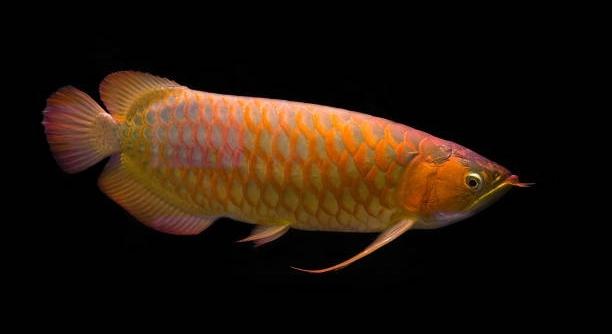
Do you ever find yourself admiring your arowana but wondering if it is truly healthy and happy in its tank environment? These elegant fish require specific care to thrive and show clear signs of well-being.
A healthy, happy arowana exhibits consistent swimming patterns, vibrant coloration, clear eyes, smooth scales, regular appetite, active interaction with the environment, and stable behavior. Monitoring these indicators allows owners to maintain optimal care and prevent potential health issues.
Recognizing these signs can help ensure your arowana enjoys long-term vitality and a stress-free aquatic life within your home aquarium.
Consistent Swimming Patterns
A healthy arowana moves smoothly through the water, gliding with purpose rather than darting erratically or staying motionless for long periods. Observing your fish’s swimming habits provides valuable insight into its overall health. Consistent movement indicates strong muscles, proper energy levels, and comfort within its environment. When swimming evenly, the arowana demonstrates confidence and a sense of security, which is essential for its mental well-being. Sudden changes in activity, such as frequent hiding or floating near the surface, can signal stress or illness. Tank setup plays a crucial role in supporting natural swimming behavior, including proper water depth, minimal obstructions, and adequate space for turning and exploring. Regular maintenance of water quality also ensures smooth swimming, as ammonia or nitrite spikes can impair movement and lethargy may develop. Observing these patterns consistently over time allows owners to detect subtle changes before they escalate into serious health problems.
Monitoring swimming behavior closely helps detect early signs of stress and health issues in your arowana.
Properly supporting swimming patterns includes maintaining balanced water parameters, providing enough room, and avoiding sudden environmental changes. Over time, attentive observation ensures your arowana remains active, responsive, and comfortable. Structured tank design, including hiding spots and open areas, encourages natural movement, while regular cleaning prevents buildup of harmful compounds. Additionally, observing interactions with tank mates can reveal social comfort and dominance behavior, which further reflects mental and physical health. Consistent feeding schedules also contribute to energy levels, supporting regular swimming. Recognizing irregular swimming early can prevent long-term complications, allowing interventions such as adjusting temperature, diet, or habitat layout. By prioritizing these factors, owners create a stable environment that promotes both physical fitness and psychological well-being, ensuring their arowana thrives within its aquatic home.
Vibrant Coloration
A healthy arowana displays rich, bright colors throughout its scales. Vibrancy signals good nutrition, proper lighting, and minimal stress.
Maintaining vibrant coloration requires balanced feeding and regular monitoring of water conditions to prevent fading.
Arowanas with dull or uneven colors may be experiencing nutrient deficiencies, illness, or environmental stress. Diet plays a key role; feeding high-quality proteins and essential vitamins helps preserve natural pigmentation. Light exposure also impacts color, as insufficient or excessive lighting can lead to fading or discoloration. Stress from overcrowding, incompatible tank mates, or sudden changes in temperature may also dull arowana scales. Observing color over time allows owners to notice subtle shifts before serious health problems arise. Additionally, regular water changes and maintaining pH and temperature stability support overall vitality, which in turn sustains color. Vibrancy is not only aesthetic; it reflects internal health and readiness to thrive in the tank environment. Paying attention to these aspects ensures your arowana maintains its natural beauty while staying strong and healthy.
Clear Eyes
Clear, bright eyes are a strong indicator of a healthy arowana. Cloudiness or swelling can suggest infection, poor water quality, or nutritional deficiencies.
Eyes reflect overall health. Regularly checking your arowana’s eyes allows early detection of potential problems. Cloudy eyes may result from bacterial infections, parasites, or high ammonia levels. Maintaining clean water and a proper diet reduces these risks. Nutrient-rich foods, including those with vitamins A and C, support eye health and immune function. Avoid sudden changes in tank lighting or temperature, as these can stress the fish and affect eye clarity. Prompt attention to any abnormalities ensures long-term visual and physical well-being.
If the eyes appear clear and alert, it demonstrates proper care and a stable environment. Observing this detail daily helps maintain overall health and confidence in your arowana’s condition.
Smooth Scales
Smooth, intact scales indicate a well-cared-for arowana and protect against infections and injury. Rough, torn, or missing scales can signal stress or illness.
Proper scale health depends on diet, water quality, and minimal tank hazards. Sharp decorations or aggressive tank mates can damage scales, so a safe environment is essential. Regular water testing prevents ammonia spikes or pH imbalances that may harm the skin. Balanced feeding with proteins, vitamins, and minerals supports scale integrity and overall immunity. Observing scales daily allows quick intervention if issues arise, such as isolating the fish for treatment or adjusting tank conditions to prevent further damage.
Maintaining smooth scales is vital for your arowana’s protection and overall vitality. Consistent care, including tank cleanliness and proper nutrition, ensures your fish remains healthy and resilient.
Regular Appetite
A steady appetite shows your arowana is healthy and energetic. Refusing food or eating inconsistently can indicate stress or illness.
Feeding should be consistent in both timing and portion. Overfeeding can harm water quality and cause obesity, while underfeeding weakens the fish. Monitoring eating habits closely helps detect issues early and maintain overall well-being.
Active Interaction with Environment
A happy arowana engages with its surroundings, exploring the tank and responding to movement or changes. Lethargy or hiding frequently may signal discomfort or poor health.
Providing stimulation, such as floating objects, varied terrain, or compatible tank mates, encourages natural activity. Observing how your arowana interacts with these elements allows you to assess mental and physical health. Regular monitoring of water quality, feeding schedules, and tank setup supports active engagement and ensures the fish remains alert and comfortable.
Stable Behavior
Consistent, predictable behavior reflects a healthy arowana. Sudden aggression or extreme shyness can indicate stress.
How often should I feed my arowana?
Feeding should occur once or twice a day depending on the fish’s age and size. Juveniles require more frequent meals, while adults thrive on controlled portions to prevent overfeeding. Using high-quality protein-based foods ensures proper growth, vibrant coloration, and strong immune function. Overfeeding can lead to water quality issues, obesity, and sluggish behavior. A consistent feeding routine helps the arowana maintain energy and stay active. Observing appetite during each feeding session allows you to detect early signs of illness or stress. Occasionally offering live or frozen foods, such as shrimp or small fish, can provide enrichment and support natural hunting instincts without overwhelming the tank ecosystem.
What water parameters are ideal for a healthy arowana?
Maintaining stable water conditions is crucial for overall health. Ideal parameters include a temperature of 75–82°F (24–28°C), a pH of 6.5–7.5, and minimal ammonia and nitrite levels. Consistent water changes prevent buildup of toxins that stress the fish. Filtration and aeration ensure proper oxygenation, while regular monitoring prevents sudden fluctuations that may affect behavior, appetite, or coloration. Soft to moderately hard water supports scale and skin health. Adjusting water gradually, rather than rapidly, avoids shock and helps the arowana adapt safely. Observing the fish’s swimming, appetite, and color provides ongoing feedback about water quality effectiveness.
How can I prevent my arowana from developing diseases?
Preventing illness requires a combination of proper diet, clean water, and a safe tank environment. Regularly testing water for ammonia, nitrites, nitrates, and pH levels is essential. Quarantining new fish reduces the risk of introducing pathogens. A balanced diet with sufficient proteins, vitamins, and minerals strengthens the immune system. Avoid overcrowding, aggressive tank mates, and sharp decorations that may injure scales or fins. Monitoring behavior and physical appearance daily helps detect early signs of infection or stress. Prompt treatment of any abnormalities minimizes disease progression. Maintaining stable environmental conditions, including temperature and lighting, further supports long-term health and reduces vulnerability to parasites or bacterial infections.
What are common signs of stress in arowanas?
Stress can show through erratic swimming, loss of appetite, faded coloration, clamped fins, or excessive hiding. Environmental factors, such as sudden temperature changes, poor water quality, or aggressive tank mates, often cause these behaviors. Observing these signs early allows you to adjust the tank setup or routine. Stress can weaken immunity, making the fish more susceptible to illness. Reducing stimuli, improving water quality, and maintaining a consistent feeding schedule can restore normal behavior. Keeping the tank environment predictable, with sufficient space for swimming, also reduces stress. Recognizing these signs promptly is essential to prevent long-term health issues and ensure the arowana remains active and vibrant.
How do I choose the right tank size for my arowana?
Arowanas require large tanks due to their size and active nature. Adults need at least a 250-gallon tank to swim freely. Providing ample vertical and horizontal space allows natural movement and reduces territorial aggression. Tank dimensions should accommodate filtration equipment and decorations without overcrowding. Larger tanks also help maintain water stability, reducing fluctuations in temperature, pH, and ammonia levels. Using a secure lid prevents jumping accidents. Observing the fish’s swimming patterns can indicate if space is adequate. Proper tank sizing supports growth, reduces stress, and encourages healthy behavior, ultimately contributing to longevity and overall happiness.
Can arowanas live with other fish?
Compatibility depends on the species and tank size. Arowanas are predatory and may see smaller fish as food. Suitable tank mates are usually large, non-aggressive species. Adequate space and hiding spots reduce territorial disputes. Introducing new fish slowly and observing interactions is essential to prevent injury or stress. Avoid overcrowding to maintain water quality and minimize competition for food. While some arowanas tolerate companions, many thrive better alone. Proper monitoring of behavior ensures harmony. Understanding these dynamics allows you to create a stable, safe environment, balancing social interaction and the arowana’s natural instincts.
How do I maintain proper lighting for my arowana?
Lighting impacts color, appetite, and activity levels. A balanced day-night cycle of 10–12 hours of light supports natural behavior and sleep patterns. Using aquarium lights designed for fish enhances coloration without overheating water. Avoid direct sunlight, which can lead to temperature spikes or algae growth. Gradual changes in lighting prevent stress. Observing the fish during different times helps determine if the lighting meets its needs. Proper illumination highlights natural beauty while supporting health and energy. Maintaining consistent lighting routines encourages stable behavior and contributes to a calm, thriving environment.
What are the best dietary supplements for arowanas?
Supplements like vitamins A, C, D3, and minerals support growth, immune function, and coloration. They are especially important if live or frozen food is limited. Overuse should be avoided to prevent toxicity. Including occasional variety, such as shrimp, insects, or specialized pellets, ensures balanced nutrition. Supplements can be provided through fortified foods or direct additives following recommended doses. Observing physical appearance, energy levels, and appetite helps assess the effectiveness of dietary support. Providing the right supplements enhances longevity, prevents deficiencies, and maintains vibrant scales and strong overall health.
How can I monitor my arowana’s long-term health?
Regular observation of swimming, feeding, coloration, scales, and behavior provides clear indicators. Keeping records of water parameters, diet, and any treatments helps track changes over time. Early detection of irregularities prevents serious illness. Combining preventive care with attentive monitoring ensures sustained health and happiness in the tank. Consistency in routine care, including water changes, temperature control, and feeding schedules, allows for a stable environment. Noticing gradual improvements or declines gives insight into long-term trends. Being proactive and observant enables adjustments to diet, environment, or tank mates, supporting your arowana’s physical and mental well-being throughout its life.
This FAQ section covers essential aspects of arowana care, emphasizing attentive observation, proper diet, and stable environmental conditions to ensure long-term health and happiness.
Arowanas are elegant and powerful fish that require careful attention to thrive. Observing their behavior, physical condition, and environment regularly is the best way to ensure their health. Paying attention to details such as swimming patterns, eye clarity, scale smoothness, and appetite provides clear indicators of overall well-being. Consistent monitoring allows owners to detect small changes early, preventing minor issues from turning into serious health problems. Maintaining proper tank conditions, including water quality, temperature, and space, supports natural behavior and reduces stress. Arowanas are sensitive to fluctuations, so stability in their environment is key to long-term health.
Nutrition plays a significant role in keeping arowanas healthy. Feeding a balanced diet with high-quality proteins, vitamins, and minerals ensures growth, vibrant coloration, and a strong immune system. Including variety, such as live or frozen foods, helps stimulate natural hunting instincts and prevents boredom. Overfeeding or underfeeding can quickly impact health, so sticking to a consistent feeding schedule is important. Supplements may be necessary if certain nutrients are lacking, but they should be used carefully to avoid overuse. A proper diet supports energy levels, coloration, and general vitality, which in turn influences the fish’s behavior and interaction with its environment.
Maintaining a safe and stimulating environment encourages mental and physical well-being. Arowanas benefit from adequate swimming space, minimal hazards, and compatible tank mates. Proper lighting, stable water parameters, and regular maintenance contribute to comfort and reduce stress. Observing interactions with decorations, other fish, and tank features provides insight into mental health. Consistency in care routines fosters predictable conditions, helping the arowana remain active and confident. By combining attentive monitoring, balanced nutrition, and stable living conditions, owners can support the long-term happiness and health of their arowana. Ensuring these factors are in place allows the fish to display natural behaviors, maintain vibrant coloration, and live a full, stress-free life in the aquarium.

Hello,
If you enjoy the content that we create, please consider saying a "Thank You!" by leaving a tip.
Every little bit helps us continue crafting quality advice that supports the health, happiness, and well-being of pets around the world, for pets of all shapes, sizes, and species.
We really appreciate the kindness and support that you show us!