
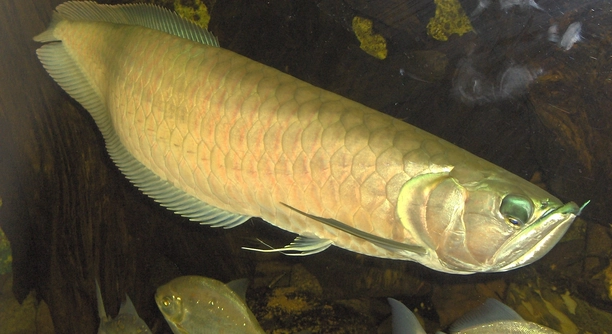
Arowanas are often admired for their graceful movements and calm presence in home aquariums. Yet, even the most peaceful specimens can display sudden aggression, surprising many hobbyists who expect serenity from these majestic fish.
Aggression in peaceful arowanas is commonly triggered by territorial disputes, overcrowding, competition for food, or sudden changes in their environment. Stressors such as poor water quality or incompatible tank mates can also provoke aggressive behaviors.
Understanding what drives these behaviors is essential for maintaining harmony. Recognizing triggers early can help ensure arowanas remain healthy, balanced, and safe within their aquatic environment.
Understanding Territorial Behavior
Arowanas are naturally territorial fish, often claiming specific areas of the tank as their own. When their personal space is encroached upon, even by other peaceful species, they can react aggressively. This behavior is more pronounced in smaller aquariums where boundaries are limited, causing frequent confrontations. Observing their swimming patterns and preferred resting spots can help identify territorial zones. By providing sufficient space and hiding spots, you can reduce stress and limit aggressive incidents. Decorations such as driftwood or plants can act as natural dividers, giving arowanas areas to retreat. It is also important to monitor interactions during feeding, as food can become a trigger for competition. Over time, consistent observation and minor adjustments in tank layout can create a more balanced environment where aggression is minimized, allowing each fish to feel secure and less prone to sudden outbursts. Understanding these dynamics is essential for maintaining a calm aquarium.
Territorial aggression is often linked to space and boundaries. Observing arowanas can reveal where conflicts are most likely to occur.
Arowanas have strong instincts to defend their territory. Even minor disturbances or changes in tank layout can spark aggression. Providing a structured environment with clearly defined areas can prevent conflicts. Regularly monitoring interactions and making small adjustments helps reduce stress, ensuring arowanas remain peaceful and stable over time.
Environmental Stressors
Water quality plays a major role in influencing aggression. Poor filtration, inconsistent temperatures, or high levels of toxins can make arowanas irritable.
Stress from environmental factors can manifest as frequent chasing, biting, or sudden lunges. Changes in water parameters, such as pH or temperature fluctuations, directly affect their mood. Additionally, sudden loud noises, excessive light, or strong currents can provoke defensive behavior. Consistent tank maintenance, including water changes, proper filtration, and temperature regulation, is crucial. Introducing plants or hiding areas can buffer stress and provide refuge. Stress not only triggers aggression but also weakens the immune system, making fish more susceptible to illness. Arowanas respond well to stable, predictable conditions, and even small improvements in their environment can significantly reduce aggressive tendencies. Keeping the tank clean, monitoring water parameters, and minimizing sudden disturbances helps maintain calm and balanced behavior. Recognizing environmental stressors early ensures a healthier, more harmonious aquarium where arowanas can thrive without unnecessary tension.
Feeding and Competition
Aggression often increases during feeding times. Arowanas may chase or nip at tank mates when food is involved.
Unequal access to food can heighten tension among arowanas. Dominant fish may push others aside, leading to stress and potential injury. Using multiple feeding points or spreading food across the tank helps reduce competition. Smaller portions given gradually can ensure all fish eat without confrontation. Observing their behavior during feeding allows you to spot aggressive tendencies early. Adjusting feeding schedules and methods based on these observations can prevent repeated disputes and maintain a calmer environment.
Some arowanas develop aggressive habits if they feel threatened while eating. Even slight changes in food type or timing can trigger defensive behavior. Keeping consistent feeding routines, using varied feeding spots, and monitoring interactions ensures that each fish receives adequate nutrition. This approach reduces unnecessary stress and encourages peaceful coexistence among tank mates.
Tank Size and Compatibility
Arowanas require spacious tanks to limit aggression and stress. Inadequate space often leads to constant chasing or territorial disputes.
Proper tank size is crucial for maintaining harmony. Small or overcrowded tanks force fish into close proximity, intensifying territorial behaviors and increasing chances of injury. Larger tanks provide room for swimming, resting, and escaping conflicts. Compatibility between species also matters; mixing aggressive or highly active fish can provoke fights. Choosing tank mates with similar temperaments and size reduces conflict risk. Regular observation and rearranging decorations can further support a peaceful environment. Investing in a suitably sized tank ensures that arowanas remain calm, healthy, and less likely to display aggressive behaviors.
Lighting and Tank Environment
Bright or constantly changing lighting can make arowanas nervous and more prone to aggression. Consistent, moderate lighting helps them feel secure.
Strong currents or sudden disturbances in the tank can trigger defensive behavior. Providing stable water movement and areas to hide reduces stress and aggression.
Breeding and Hormonal Changes
During breeding periods, arowanas become highly protective of their territory and potential mates. Hormonal changes increase aggression, even in otherwise peaceful fish. Owners should monitor interactions closely and consider separating fish if tensions escalate.
Health and Illness
Sick or injured arowanas may act aggressively out of discomfort or vulnerability. Monitoring health and promptly addressing issues can prevent aggressive outbursts.
FAQ
What causes sudden aggression in peaceful arowanas?
Sudden aggression is usually caused by stress, territorial disputes, or competition for food. Even minor changes in the tank, like new decorations or altered water flow, can provoke aggressive behavior. Health issues, overcrowding, or incompatible tank mates are other common triggers that influence their mood.
How can I prevent my arowana from becoming aggressive?
Maintaining a stable environment is key. Keep the water clean, ensure proper filtration, and maintain consistent temperature and pH levels. Provide enough space for each fish, add hiding spots, and avoid sudden changes in lighting or tank layout. Regular observation helps identify early signs of tension.
Does tank size affect aggression?
Yes, small or overcrowded tanks often lead to increased aggression. Arowanas need plenty of space to swim and establish personal territory. Overcrowding forces them into close proximity, heightening stress and prompting defensive or territorial behavior. Large tanks with distinct zones help reduce conflict.
Can feeding routines influence aggressive behavior?
Absolutely. Competition over food is a common trigger. Using multiple feeding points and spreading food evenly helps prevent dominant fish from monopolizing meals. Feeding smaller amounts gradually ensures that all fish eat without stress or confrontation. Maintaining consistent feeding schedules also reduces tension.
Do tank mates affect arowana aggression?
Yes, compatibility is important. Aggressive or highly active fish can provoke fights. Choosing tank mates of similar size and temperament reduces conflict. Avoid keeping several large predatory fish together, as this increases stress and potential for injury. Observation of interactions is necessary for long-term harmony.
How do environmental changes impact aggression?
Arowanas are sensitive to changes in lighting, water flow, and decorations. Sudden changes can make them defensive or stressed. Maintaining a stable, predictable environment with moderate lighting, gentle currents, and safe hiding spots reduces anxiety and aggressive tendencies.
Does breeding increase aggression?
During breeding periods, arowanas become protective of their territory and potential mates. Hormonal changes can make even peaceful fish more aggressive. Providing extra space and monitoring closely helps manage aggression during these times. Separation may be necessary if conflicts escalate.
Can health issues trigger aggressive behavior?
Yes, illness, injury, or parasites can make arowanas more irritable. Discomfort causes them to act defensively toward tank mates. Regular health checks, proper nutrition, and prompt treatment of any disease are essential for reducing aggression and maintaining calm behavior.
Are there signs that an arowana is about to act aggressively?
Common signs include flaring fins, sudden lunges, chasing, or tail whipping. These behaviors often occur near feeding times, new tank additions, or changes in the environment. Recognizing early warning signs allows timely intervention to prevent injury.
How long does aggressive behavior last?
The duration varies depending on the trigger. Temporary stressors like feeding or minor disturbances may cause short bursts of aggression. Chronic issues, such as overcrowding or poor water conditions, can lead to prolonged aggression. Identifying and correcting underlying causes reduces repeated incidents.
Can rearranging the tank reduce aggression?
Yes, strategically placing plants, rocks, or driftwood can create zones and visual barriers. These provide personal space, reduce line-of-sight confrontations, and help fish feel secure. Regularly assessing tank layout and making minor adjustments can prevent persistent aggressive behaviors.
Is it normal for a peaceful arowana to act aggressive sometimes?
Yes, occasional aggression is natural. Even calm arowanas have instincts to defend territory or compete for resources. It becomes a concern only when aggressive episodes are frequent, intense, or result in injuries to tank mates. Consistent care minimizes these occurrences.
How do I manage aggression in a small tank?
In smaller tanks, aggression is harder to control. Limit the number of fish, create hiding spots, and use feeding strategies to reduce competition. Monitoring interactions closely and separating aggressive individuals may be necessary to maintain a safe environment for all fish.
Can stress from sudden noises or vibrations trigger aggression?
Yes, arowanas are sensitive to external disturbances. Loud noises, tapping on the glass, or sudden vibrations can startle them, leading to defensive or aggressive reactions. Minimizing disturbances and providing calm surroundings helps maintain peaceful behavior.
Do different arowana species have varying aggression levels?
Some species are naturally more territorial or aggressive than others. Understanding the temperament of your specific species helps in planning tank size, selecting compatible mates, and predicting potential conflicts. Adjusting care based on species behavior reduces stress and aggression.
How important is observation in managing aggression?
Constant observation is essential. Noticing subtle changes in behavior, interactions, or feeding habits allows timely intervention. Early detection prevents escalation, ensures safety, and helps maintain a calm, balanced environment for all fish.
Final Thoughts
Arowanas are remarkable fish, admired for their elegance and calm nature. Yet, even the most peaceful arowanas can display occasional aggression, which is often a normal part of their behavior. Understanding the reasons behind this aggression is essential for creating a healthy and balanced aquarium environment. Territorial instincts, competition for food, environmental stressors, and health issues are all factors that influence behavior. By recognizing these triggers, owners can take proactive steps to reduce tension and maintain harmony among tank mates. Observing the fish regularly and noting their interactions is a practical way to prevent conflicts before they escalate into injuries or chronic stress. The goal is not to eliminate aggression entirely, as it is part of their natural instincts, but to manage it so it does not threaten the wellbeing of the fish or the stability of the aquarium.
Proper tank setup plays a crucial role in minimizing aggressive behavior. Ensuring that the aquarium is spacious enough for all inhabitants, providing clear territorial boundaries with decorations, and adding hiding spots helps arowanas feel secure. Environmental stability is equally important; consistent water quality, temperature, and lighting reduce stress that can trigger defensive or aggressive reactions. Feeding routines should also be carefully managed, with food spread evenly and multiple feeding points to prevent competition. Additionally, selecting compatible tank mates is key, as incompatible species can provoke fights or increase tension. Attention to these details helps create an environment where arowanas can thrive while reducing unnecessary aggression. Even small adjustments, such as rearranging plants or driftwood, can make a noticeable difference in how peaceful the aquarium becomes over time.
Lastly, health and monitoring are ongoing responsibilities. Arowanas that are sick, injured, or experiencing discomfort may act out aggressively, even in otherwise calm conditions. Regular observation, timely medical care, and proper nutrition all contribute to a balanced mood and behavior. Owners should be patient and responsive, recognizing that aggression is a natural response to stress, competition, or environmental challenges. By combining careful tank management, attentive care, and consistent observation, it is possible to enjoy the beauty and grace of arowanas while minimizing conflicts. Peaceful interactions within the tank create a healthier, more enjoyable environment, allowing both the fish and the owner to experience a stable, harmonious aquatic setting. Managing aggression effectively ensures the long-term wellbeing and happiness of these majestic fish.

Hello,
If you enjoy the content that we create, please consider saying a "Thank You!" by leaving a tip.
Every little bit helps us continue crafting quality advice that supports the health, happiness, and well-being of pets around the world, for pets of all shapes, sizes, and species.
We really appreciate the kindness and support that you show us!