
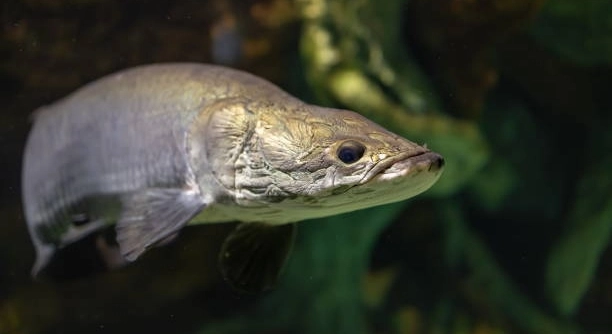
Do you ever notice your arowana gliding gracefully across its tank while seemingly watching the room around it? These striking fish often appear attentive to their surroundings, responding to movements and changes outside their aquatic space.
Arowanas can indeed respond to movement outside the tank, as they are naturally alert and curious fish. Observing motion allows them to assess potential threats, monitor their environment, and engage their instincts even within a confined aquarium.
Watching your arowana can reveal subtle behaviors influenced by its surroundings, offering insight into its temperament and daily activity patterns.
How Movement Affects Arowana Behavior
Arowanas are highly observant and respond to movement both inside and outside their tank. Even small gestures, like a hand passing by or shadows shifting across the room, can catch their attention. These fish rely heavily on visual cues to interpret their surroundings and determine safety. Watching activity outside the tank stimulates their natural instincts, keeping them alert and engaged. However, constant motion can also stress them if it becomes overwhelming. Balancing activity levels around the tank helps maintain calm and healthy behavior. Environmental factors, such as lighting and reflections on the glass, can also influence how much attention the arowana gives to movement outside. Providing hiding spots or subdued lighting can reduce stress while still allowing them to observe. Over time, arowanas may become accustomed to regular activity, showing less reaction to predictable motion. Understanding these responses ensures their environment supports both mental stimulation and comfort.
Regular observation helps in recognizing signs of stress or contentment. Adjusting activity around the tank benefits the fish.
Consistency in daily movement patterns encourages arowanas to remain calm while alert. They can differentiate between familiar household routines and unusual disturbances, allowing them to react appropriately. Sudden or irregular motion may trigger defensive behavior, such as darting or fin flicking, which is normal but should be minimized. Tank placement near high-traffic areas might increase reactions, whereas a quieter location promotes stability. Feeding times combined with external activity also play a role in their attention levels. Over time, arowanas develop recognition for common movements, such as family members approaching the tank. Enrichment through occasional new visual stimuli can keep them active without causing stress. Mirrors or temporary decorations may engage them safely, simulating exploration. Proper monitoring of their responses helps ensure physical health and reduces anxiety. Maintaining a consistent routine supports overall well-being and a balanced aquatic environment for these curious fish.
Signs Your Arowana Is Engaged With Its Surroundings
When an arowana focuses on movement outside its tank, its body language becomes more pronounced. Eyes track motion, fins may adjust, and the fish may glide closer to the glass. This attentive behavior shows active engagement with its environment and indicates a healthy level of curiosity.
Engagement with surroundings is essential for mental stimulation. Observing how your arowana responds provides insight into its comfort and alertness.
Arowanas are sensitive to changes in their environment. Rapid movements or new objects outside the tank often prompt immediate visual tracking, allowing the fish to assess safety. Persistent attention to certain areas can highlight favored spots or potential stressors. Their lateral line system complements visual observation, detecting water vibrations and enhancing awareness of external activity. Signs of engagement include steady swimming along the tank perimeter, subtle fin adjustments, and occasional pauses to observe motion. It is important to differentiate between curiosity and agitation, as prolonged stress can affect appetite and overall health. By carefully introducing stimuli, such as slow, predictable movement or rotating decorations, you can encourage natural observation behaviors without causing distress. Regular monitoring ensures your arowana remains responsive yet relaxed, helping maintain both mental stimulation and a comfortable tank environment over time.
Positioning the Tank for Optimal Viewing
Placing the tank where your arowana can see gentle activity helps keep it engaged without causing stress. Avoid high-traffic areas with constant motion that may overwhelm the fish.
Tank placement directly impacts an arowana’s behavior. Positioning it near moderate activity allows the fish to observe and react naturally, maintaining alertness and curiosity. If the tank is too isolated, the fish may become less stimulated, showing less active behavior. Conversely, tanks in busy areas can cause frequent stress responses, including darting or hiding. Choosing a location with predictable, calm movement provides mental engagement while protecting the fish from overstimulation. Strategic placement also enhances your ability to monitor their health and observe natural behaviors, making care more manageable and effective.
Lighting and reflections affect how arowanas perceive movement. Bright sunlight or glare can startle them, while diffused light highlights motion in a calming way. Observing your fish over time allows you to find the best balance of visibility, comfort, and engagement. Adjusting tank orientation and background elements can further control how the fish experiences external activity. By creating an environment where the arowana can observe without stress, you encourage natural instincts and maintain mental stimulation. Consistent placement and gradual changes keep the fish responsive yet relaxed, contributing to overall well-being.
Safe Stimuli to Encourage Observation
Introducing controlled visual stimuli can keep arowanas alert and mentally active without causing distress. Objects that move slowly or patterns that change subtly are ideal.
Arowanas benefit from enrichment through safe, predictable stimuli. Simple additions, like floating decorations or gentle water currents, encourage natural tracking behaviors. Avoid sudden or erratic movements outside the tank, as these can trigger defensive reactions. Regular, moderate visual changes, such as rotating ornaments or soft shadows, engage the fish without overwhelming it. Understanding its reaction patterns helps guide which stimuli are effective. Over time, this controlled approach strengthens observation skills, reduces boredom, and promotes overall mental health. Monitoring their response ensures that stimuli remain enjoyable rather than stressful.
Reducing Stress From External Movement
Minimizing sudden or constant motion near the tank helps keep your arowana calm. Gentle, predictable activity allows the fish to observe without becoming anxious or overstimulated.
Providing a stable environment with minimal abrupt changes reduces stress. Curtains, barriers, or repositioning the tank can control excessive movement, supporting healthier behavior and overall well-being.
Interaction Through Observation
Watching your arowana react to subtle movements encourages mental stimulation. They learn to recognize familiar patterns and distinguish between routine and unusual activity, strengthening awareness and alertness in their environment.
Signs of Overstimulation
Rapid swimming, flared fins, or hiding frequently are clear indicators that the fish is stressed. Monitoring these behaviors ensures prompt adjustments to reduce anxiety.
FAQ
Do arowanas get stressed by too much movement outside the tank?
Yes, excessive or sudden movement can stress an arowana. They are naturally alert fish, and constant external motion may trigger defensive reactions like darting, flaring fins, or hiding. Managing the environment with predictable and calm activity helps prevent overstimulation while keeping them engaged.
How can I tell if my arowana is interested in what’s happening outside?
Signs of interest include tracking movement with their eyes, gliding along the glass, and subtle fin adjustments. They may pause to observe shadows or reflections, showing active engagement without signs of agitation. These behaviors indicate curiosity rather than stress.
Is it safe to place the tank in a busy room?
A moderately busy area is fine if movement is predictable and gentle. High-traffic areas with erratic activity can overwhelm the fish. Curtains or tank placement adjustments can help filter excessive motion and maintain a calm environment.
Can reflections or lighting affect their behavior?
Yes, bright glare or sharp reflections may startle an arowana. Diffused lighting and background adjustments create a stable visual environment. Soft shadows or controlled changes provide stimulation without causing stress.
Will my arowana eventually get used to regular activity?
Over time, arowanas can become accustomed to predictable daily routines, such as family members moving around or feeding schedules. Consistency reduces stress and allows them to distinguish between normal activity and unusual disturbances.
What types of stimuli are safe for mental engagement?
Slow-moving objects, gentle water currents, or floating decorations can encourage tracking behavior. Controlled visual changes like rotating ornaments or subtle patterns are safe, promoting observation and mental activity without overwhelming the fish.
How do I balance stimulation and calmness?
Provide periods of quiet between observation opportunities. Controlled activity, combined with hiding spots or shaded areas, ensures the fish has both engagement and retreat options, maintaining emotional and physical health.
Should I interact directly with my arowana?
Direct interaction is limited due to the tank barrier. Gentle hand movements or predictable feeding routines are enough to capture attention without causing stress. Avoid sudden gestures or tapping on the glass.
Does tank size influence their response to external movement?
Yes, larger tanks allow more space to escape or explore, reducing stress from external activity. Smaller tanks may amplify reactions to movement, so placement and environmental control become even more important.
Are all arowanas equally responsive to movement?
Individual temperament varies. Some arowanas are more curious and attentive, while others remain calm regardless of activity outside the tank. Observing your fish over time helps determine the level of stimulation it prefers.
How can I prevent boredom in a stationary tank?
Rotating decorations, adding gentle water currents, or providing controlled visual stimuli keeps the fish mentally engaged. Regular monitoring ensures that changes are stimulating but not overwhelming.
Can overstimulation affect health?
Yes, chronic stress from excessive external movement can reduce appetite, weaken the immune system, and lead to erratic behavior. Maintaining a calm environment with safe enrichment supports long-term well-being.
Is it normal for arowanas to ignore certain movements?
Yes, they can learn to ignore familiar or predictable actions, focusing only on unusual or novel stimuli. This shows adaptation rather than disinterest, reflecting a balanced mental state.
How often should I introduce new stimuli?
Occasional and gradual changes are best. Frequent or abrupt alterations may cause stress. Introducing new elements every few weeks keeps them curious without overwhelming their senses.
Can I enhance their environment to mimic natural conditions?
Adding floating plants, subtle shadows, and soft lighting creates a more naturalistic setting. These elements allow observation of movement while maintaining comfort and supporting natural instincts.
Is it necessary to monitor behavior daily?
Yes, daily observation helps detect early signs of stress, engagement levels, and health issues. Monitoring ensures the environment remains suitable and allows adjustments to lighting, placement, or enrichment as needed.
Do arowanas respond differently to humans versus other pets?
They typically respond more to human movement near the tank than other pets unless the pets’ movement is frequent and noticeable. Controlled interaction helps them recognize safe activity without causing anxiety.
Can external movement be used as enrichment?
Yes, predictable, gentle motion outside the tank can stimulate mental activity. Combined with safe visual stimuli inside the tank, it encourages natural observation and engagement behaviors without causing stress.
What is the ideal balance of visual stimulation?
Moderate, predictable activity paired with periods of calm is ideal. This allows the fish to remain alert, mentally engaged, and comfortable while avoiding overstimulation and associated health risks.
How does age affect responsiveness?
Younger arowanas are often more reactive and curious, while older fish may show calmer behavior. Adjusting stimuli and placement based on age ensures appropriate mental and physical engagement.
How important is routine for their comfort?
Consistent feeding schedules, light cycles, and predictable household activity provide stability. A well-maintained routine supports alertness and reduces stress from unexpected disturbances.
Can arowanas recognize people through observation?
Yes, over time they can distinguish familiar household members from strangers based on movement patterns and presence. This recognition reflects both memory and visual tracking abilities.
How should I adjust tank placement if reactions are too strong?
Move the tank to a quieter area, use curtains or backgrounds to filter movement, and provide shaded sections. These adjustments reduce stress while allowing safe observation and engagement.
Does water clarity affect their response to movement?
Yes, clear water enhances visibility, making external movement more noticeable. Maintaining clean water ensures accurate tracking behavior and prevents misinterpretation of stimuli.
How do I know if stimuli are enjoyable rather than stressful?
Calm tracking, smooth swimming, and relaxed fin posture indicate engagement. Erratic movements, hiding, or fin flaring suggest stress. Observing these cues helps fine-tune enrichment and external activity.
Can environmental enrichment replace interaction with humans?
It can partially supplement attention. Safe visual stimuli, gentle water flow, and rotating decorations engage the fish when human presence is limited, supporting mental health and natural behavior.
Is movement outside the tank more important than internal enrichment?
Both are important. External movement provides curiosity and observation opportunities, while internal enrichment supports exploration and natural instincts. Balancing the two ensures overall mental and physical well-being.
Can stress from movement be cumulative?
Yes, repeated exposure to sudden or intense activity can build stress over time. Managing frequency and intensity of external movement helps maintain long-term health.
Are there signs that an arowana prefers isolation?
Frequent hiding, avoiding the glass, or ignoring external stimuli indicates a preference for less visual stimulation. Respecting these cues ensures comfort and reduces anxiety.
What role does feeding play in response to movement?
Feeding creates predictable engagement. Arowanas may associate human movement with food, strengthening attention without stress. Consistent schedules enhance comfort while encouraging natural alertness.
Can multiple fish influence response to external activity?
Yes, tank mates can amplify reactions. If one fish becomes startled, others may follow. Observing group dynamics ensures the environment remains balanced and non-stressful.
Is it normal for some movements to be ignored completely?
Yes, familiar or predictable movements often go unnoticed. This shows adaptation and mental processing rather than disinterest, reflecting a balanced response to the environment.
Can long-term observation improve fish care?
Absolutely. Regular attention to behavior patterns, engagement, and stress signs allows adjustments to tank placement, enrichment, and routines, supporting optimal health and well-being for your arowana.
How do reflections differ from real movement in their perception?
Reflections can trigger attention similarly to real movement but may also cause confusion if intense. Controlling glare and using subtle lighting helps manage responses while keeping the fish comfortable.
Does tank decoration affect responsiveness to outside activity?
Yes, decorations can provide focus points or hiding spots. Properly placed items allow observation without causing stress, balancing curiosity with a sense of security.
How often should tank environment be reassessed?
Regular reassessment, every few weeks or after notable behavior changes, ensures stimuli remain appropriate, supports comfort, and maintains mental engagement without causing stress.
Can stress from external movement affect growth?
Chronic stress may reduce appetite and slow growth. Maintaining a calm environment with predictable stimuli supports normal development and overall health.
Is it helpful to vary movement types outside the tank?
Yes, slow, predictable variations stimulate tracking behaviors without causing stress. Avoid abrupt, intense changes to prevent defensive responses.
Can external activity be used to teach routine?
Consistent movement patterns, like feeding signals or household routines, help arowanas recognize normal activity and reduce anxiety from unexpected disturbances.
How important is visual clarity outside the tank?
Clear lines of sight without obstructions allow accurate observation. Minimizing glare, shadows, or clutter ensures safe tracking and supports engagement without stress.
Do arowanas prefer stationary or moving environments?
They benefit from a mix: stationary periods for calmness and moving stimuli for mental engagement. Balancing both supports health, alertness, and natural behaviors.
Can observing other fish affect their response to external movement?
Yes, watching tank mates interact with stimuli can enhance engagement or trigger imitation behaviors. Monitoring reactions ensures the group remains comfortable and stress-free.
Is long-term habituation to movement possible?
Yes, predictable, gentle movement outside the tank leads to habituation, reducing unnecessary stress while maintaining attention and natural alertness.
Should I adjust external activity during breeding or molting periods?
Yes, reduced movement and calmer surroundings help minimize stress during sensitive life stages, supporting reproductive success and overall health.
Can reflections mimic external activity effectively?
Controlled reflections can stimulate tracking behavior, but excessive glare may confuse or stress the fish. Balance is key for safe engagement.
How do I balance multiple enrichment methods?
Combine internal decorations, subtle water flow, and gentle external movement. Observing the fish’s response ensures a balance of mental stimulation and comfort without overwhelming them.
Does tank size influence the impact of external movement?
Larger tanks allow more space to respond and explore, reducing stress from external activity. Smaller tanks require careful control of stimuli to prevent overstimulation.
Is there a risk of over-stimulation from too many enrichment methods?
Yes, too many changes can overwhelm the fish. Introduce enrichment gradually, monitor responses, and maintain quiet periods for balance.
Can consistent external activity reduce aggressive behavior?
Predictable, moderate activity can keep arowanas mentally engaged and less prone to sudden aggression. Unpredictable or intense movement may increase defensive behavior instead.
Are certain types of motion more engaging than others?
Slow, deliberate movements are most effective. Rapid or erratic motion may trigger defensive or stressed reactions rather than curiosity.
Can over-stimulation lead to disease susceptibility?
Chronic stress weakens immunity, making arowanas more vulnerable to illness. Controlled environments with appropriate stimulation protect long-term health.
Do arowanas show preferences for particular visual stimuli?
Individual fish may respond more to specific colors, patterns, or movements. Observing reactions allows tailored enrichment for engagement and comfort.
How can I safely test new stimuli?
Introduce one new element at a time, observe behavior closely, and remove or adjust it if stress signs appear. Gradual testing prevents overwhelm and ensures safe engagement.
Is it normal for arowanas to ignore humans occasionally?
Yes, fish may not react if they are comfortable, relaxed, or familiar with routine activity. Ignoring humans can indicate calmness rather than disinterest.
Can monitoring external activity improve feeding routines?
Yes, pairing predictable movement with feeding helps the fish associate visual cues with meals, reinforcing routine and mental engagement without stress.
Does stress from movement affect social interaction in community tanks?
Yes, overstimulation may cause defensive or territorial behavior, impacting interactions with other fish. Controlling movement helps maintain peaceful coexistence.
Can subtle movement outside the tank mimic natural conditions?
Yes, gentle shadows, soft lighting, or occasional hand movement can simulate natural visual cues, supporting observation and alertness while minimizing stress.
How important is routine observation for long-term health?
Daily monitoring allows early detection of stress, illness, or behavioral changes, ensuring prompt adjustments to maintain a stable and healthy environment.
Can visual enrichment substitute for physical exercise?
It partially engages the fish mentally but does not replace swimming space. Adequate tank size remains essential for physical activity and well-being.
Are there signs that visual enrichment is too stimulating?
Erratic swimming, hiding, flaring fins, or refusing food indicate overstimulation. Adjusting enrichment and reducing external movement helps restore calm.
How can I combine multiple methods without overwhelming my arowana?
Rotate decorations, use gentle water currents, and allow predictable external movement. Monitor behavior, gradually introducing changes while maintaining quiet periods to balance stimulation.
Do arowanas remember repeated movements outside the tank?
Yes, they can recognize familiar routines or patterns, reducing unnecessary stress and allowing them to focus on novel stimuli.
Is it beneficial to mimic natural water movement with external visual cues?
Yes, subtle reflections or shadows can complement gentle water flow, promoting natural tracking and observation behaviors safely.
Can arowanas differentiate between threat and neutral movement?
They use visual and lateral line cues to assess risk. Predictable, non-threatening activity is generally ignored, while sudden, unusual motion may trigger defensive behavior.
Does tank environment affect how much they notice external activity?
Yes, hiding spots, plants, and decor influence whether the fish observes, avoids, or interacts with external stimuli. Proper setup balances safety with engagement.
Can daily observation help reduce stress from external movement?
Yes, consistent monitoring helps identify stress triggers, allowing adjustments to tank placement, enrichment, or activity patterns, promoting long-term comfort and well-being.
How can I safely increase external stimuli over time?
Gradually introduce new movements, monitor behavior, and maintain calm periods. Slow progression prevents stress while enhancing mental stimulation and engagement.
Do arowanas prefer motion at certain times of day?
They may respond more during active periods, usually daylight hours. Nighttime activity should remain minimal to prevent confusion or stress.
Is it normal for arowanas to lose interest in external movement temporarily?
Yes, periods of rest or reduced curiosity are natural. Temporary disinterest does not indicate a health issue.
Can too many observers outside the tank cause stress?
Yes, multiple people moving unpredictably can overwhelm the fish. Limiting visitors or controlling activity helps maintain a calm environment.
Does water temperature influence responsiveness to movement?
Yes, cooler water can reduce activity, while optimal temperatures promote alertness and normal observation behaviors.
Are there ways to enrich visual stimuli safely without adding objects?
Yes, shadows, subtle lighting changes, and occasional hand movement outside the tank can provide engagement without overcrowding the tank.
How do I differentiate curiosity from agitation?
Calm, steady tracking indicates curiosity. Darting, flaring fins, or hiding suggests agitation. Observing these cues guides adjustments to stimuli.
Is it helpful to record reactions to different external movements?
Yes, tracking responses over time identifies patterns, preferences, and potential stressors, helping optimize the environment and enrichment.
Can visual enrichment replace social interaction with other fish?
It supplements engagement but does not fully replace social or environmental interactions. Both internal and external stimuli contribute to well-being.
Do arowanas show individual differences in responsiveness to external movement?
Yes, personality, age, and past experiences influence attention, curiosity, and tolerance to external activity. Observing your fish helps tailor care appropriately.
Can overstimulation be reversed?
Yes, reducing external movement, providing hiding spots, and maintaining quiet periods allows the fish to recover and return to normal behavior.
Are some movements inherently more stressful than others?
Sudden, erratic, or intense movements tend to be more stressful than slow, predictable motions. Controlled stimuli reduce anxiety and encourage engagement.
Is it better to use natural or artificial visual cues?
Both work if applied carefully. Natural cues, like shadows, mimic the environment, while artificial objects provide enrichment safely. Balance ensures stimulation without stress.
How long should I observe responses to new stimuli?
Monitor for several minutes to assess behavior. Immediate reactions indicate curiosity or stress, guiding adjustments to ensure safe engagement.
Can arowanas learn from repeated external stimuli?
Yes, repeated exposure teaches them which movements are safe, reducing unnecessary stress and promoting consistent mental engagement.
Does tank orientation affect responses to outside movement?
Yes, positioning away from direct sunlight or high traffic can reduce stress while maintaining visibility for safe observation.
Are there long-term benefits to gradual exposure to movement?
Yes, it encourages natural alertness, mental stimulation, and environmental familiarity, supporting healthy behavior and reducing chronic stress over time.
How do I balance human interaction with other enrichment methods?
Combine predictable feeding cues, gentle hand movement, internal decorations, and subtle water flow. Monitor behavior to maintain comfort, engagement, and mental stimulation.
Can arowanas differentiate between threat levels in observed movement?
Yes, they assess motion using visual cues and lateral line sensing. Predictable, non-threatening movements are tolerated, while abrupt activity may trigger defensive responses.
Does the time of day affect responsiveness?
Daylight hours generally see higher activity and alertness. Nighttime or low-light periods reduce reactions, supporting rest and normal behavior patterns.
Is it normal for older arowanas to react less to movement?
Yes, older fish may show calmer behavior and less curiosity. Adjust enrichment and external activity accordingly to suit their comfort level.
Can gradual changes prevent stress from movement?
Yes, slow introductions, consistent routines, and controlled visual stimuli allow acclimation, maintaining engagement without overwhelming the fish.
Do arowanas remember stressful experiences?
Yes, past stress can influence future reactions. Minimizing sudden or excessive external movement helps prevent long-term anxiety and promotes comfort.
Are some fish more sensitive to reflections than real motion?
Yes, reflections can confuse or startle certain arowanas. Controlling lighting and glass glare reduces stress while maintaining safe observation opportunities.
Can enrichment help prevent boredom-related behaviors?
Yes, visual and environmental stimulation reduces inactivity, repetitive behaviors, and stress, supporting mental health and natural activity patterns.
How important is consistency in observing reactions?
Regular observation helps detect changes, prevent stress, and maintain optimal environmental conditions for the fish. Monitoring ensures that enrichment and external activity remain beneficial.
Does tank size influence how much external movement is noticed?
Larger tanks provide more space to escape or explore, reducing stress. Smaller tanks require careful control of stimuli to prevent overstimulation.
Can external movement serve as a training tool?
Yes, predictable gestures can signal feeding or routines, teaching the fish to anticipate events without causing stress.
Is gradual exposure more effective than sudden changes?
Yes, gradual introduction of stimuli ensures safe engagement, reduces anxiety, and promotes long-term adaptation to the environment.
**Can
Final Thoughts
Observing an arowana’s response to movement outside the tank offers valuable insight into its behavior and mental state. These fish are naturally alert and curious, and even subtle activity in their surroundings can capture their attention. They use visual cues to assess potential threats, monitor their environment, and engage their instincts. Recognizing these behaviors allows owners to provide a suitable habitat that supports both mental stimulation and comfort. By paying attention to how your arowana reacts, you can determine whether external movement is enriching or stressful. This awareness also helps in adjusting tank placement, lighting, and the type of stimuli presented, ensuring that the fish remains calm and engaged without feeling overwhelmed. Maintaining a balance between activity and quiet periods is essential to promoting long-term health and well-being. Over time, you may notice that your arowana responds differently to familiar and unfamiliar movements, showing adaptation and learning from its environment.
Creating the right environment requires careful consideration of several factors, including tank size, placement, and the type of visual stimuli available. Larger tanks allow more space for the fish to explore and react naturally, while smaller tanks may amplify reactions to external movement. Predictable activity outside the tank can stimulate curiosity and mental engagement, but too much sudden or erratic motion may trigger stress. Lighting and reflections also play a role in how arowanas perceive movement. Bright glare or strong reflections can startle them, whereas soft, diffused lighting can highlight movement without causing alarm. Providing hiding spots or shaded areas allows the fish to retreat if needed, balancing observation opportunities with comfort. Incorporating safe visual enrichment, such as floating decorations or subtle shadows, encourages natural tracking behaviors and reduces the risk of boredom. Observing the fish’s reactions over time enables you to fine-tune the environment, keeping it mentally stimulated and emotionally secure.
Daily observation and consistent routines are important for maintaining an arowana’s well-being. Regular attention to behavior patterns, responses to external movement, and signs of stress helps ensure a stable and suitable environment. Controlled exposure to external activity, along with internal enrichment like decorations and gentle water currents, supports natural instincts while preventing overstimulation. Understanding your arowana’s preferences and adjusting stimuli gradually fosters comfort and reduces anxiety. Over time, the fish can become accustomed to predictable household activity, showing curiosity without unnecessary stress. Balancing engagement with calm periods allows the fish to remain alert, healthy, and active. Providing a well-structured environment that considers both external movement and internal enrichment promotes long-term mental stimulation, emotional stability, and physical health. By monitoring reactions carefully and making thoughtful adjustments, you ensure that your arowana thrives in a safe and engaging habitat.

Hello,
If you enjoy the content that we create, please consider saying a "Thank You!" by leaving a tip.
Every little bit helps us continue crafting quality advice that supports the health, happiness, and well-being of pets around the world, for pets of all shapes, sizes, and species.
We really appreciate the kindness and support that you show us!