
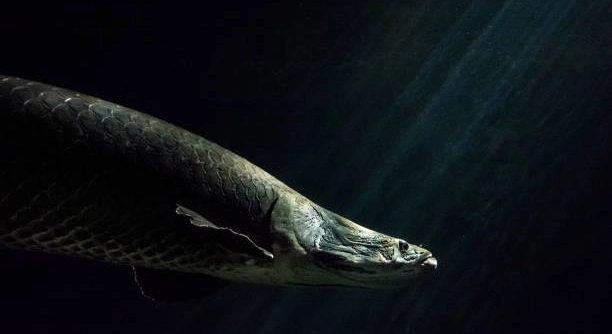
Have you ever watched your arowana glide gracefully through the water and wondered if it ever takes a moment to rest or sleep?
Arowanas do sleep, but not in the same way humans do. Instead of closing their eyes, they enter a restful, low-activity state, often floating near the water’s surface or remaining still at the bottom of the tank.
Recognizing this subtle behavior helps ensure your arowana’s health, giving you a better understanding of its natural rhythm and daily needs.
What Arowana Sleep Looks Like
Arowanas have a unique way of resting that might go unnoticed if you are not paying close attention. During sleep, their movement slows down, and they may remain still for long periods. Their fins move gently, and they often position themselves horizontally or slightly angled. Unlike other fish, they do not close their eyes because fish lack eyelids, but their entire body appears more relaxed. The tank becomes quieter at night, and the arowana uses this calm period to restore its energy. It may also drift to a secluded corner or hover near the surface, almost motionless.
While their sleep may seem light, it is a necessary part of their routine. This quiet state helps them maintain health, balance, and calmness in their environment. Observing these patterns can help you identify normal rest behavior from signs of stress or illness.
Understanding these small changes can help create a safer, more peaceful environment for your arowana.
When and How Long Arowanas Sleep
Arowanas usually rest during nighttime when the lights are dim or completely off. Their internal rhythm adjusts to the environment, and consistent lighting schedules help them maintain proper rest.
These fish do not sleep for long continuous hours like humans. Instead, they take several short periods of rest throughout the night. This behavior ensures they stay alert to any movement or changes in their surroundings. Proper tank lighting plays an important role in regulating their rest. Too much light can cause stress, while complete darkness allows them to relax. A timer for your aquarium lights can help keep this balance steady. Temperature, noise, and sudden disturbances also affect their rest quality. Keeping the tank calm and maintaining stable water conditions promote better sleep. Observing your arowana’s nighttime habits will help you understand its comfort level and overall well-being more clearly.
Factors That Affect Arowana Sleep
Lighting greatly influences how well an arowana rests. Bright or inconsistent lighting can cause stress and disrupt its sleep cycle. Keeping a steady light schedule with soft, dim lighting at night helps create a calm, stable environment for proper rest.
Water quality also plays an important role in their sleep. Poor water conditions can make your arowana restless or cause it to move constantly through the tank. Maintaining clean water with stable temperature and pH levels encourages deeper rest. Tank size and decorations matter as well—overcrowded or bare tanks can cause anxiety. A peaceful setting with space to move and hide allows your arowana to feel secure enough to sleep properly. Avoid loud noises, vibrations, or frequent disturbances around the tank, as these can startle your fish and interrupt its resting patterns.
A consistent environment supports both healthy sleep and better overall behavior in your arowana.
How to Help Your Arowana Sleep Better
Creating a relaxing nighttime routine can improve your arowana’s sleep quality. Lowering the lights gradually instead of turning them off suddenly helps signal rest time. Avoid tapping the glass or making noise near the tank during this period. Stable conditions make your fish feel more comfortable.
Ensure the tank has enough room for your arowana to move freely and rest undisturbed. Use a reliable filter to keep the water clean and oxygen levels steady. Adding soft plants or decorations provides a sense of security without restricting movement. Try to feed your arowana a few hours before lights out, allowing time for digestion before rest. Keeping a consistent schedule for lighting, feeding, and maintenance helps reduce stress and supports natural sleeping behavior. When your fish feels secure, it will rest more peacefully, remain alert when active, and show brighter colors and stronger overall health.
Signs Your Arowana Isn’t Sleeping Well
Restless movement during the night often indicates that your arowana is not sleeping properly. It may swim back and forth or react quickly to small sounds or lights, showing signs of unease or discomfort in its environment.
A duller color tone or reduced appetite can also suggest poor rest. When an arowana does not get enough sleep, its immune system weakens, making it more prone to stress or illness. Consistent patterns of erratic behavior often mean the fish feels unsafe or its environment needs adjusting.
Adjusting the Environment for Better Sleep
Improving your arowana’s sleep starts with stabilizing its surroundings. Keep water parameters consistent and maintain the right temperature range for the species. Gentle filtration helps avoid strong currents that can disturb resting behavior. Ensure your lighting schedule mimics a natural day and night pattern to guide its internal rhythm. Adding a few calm hiding spots, such as plants or driftwood, provides a sense of safety. Avoid tapping on the tank or moving it often. Reducing outside noise, maintaining clean water, and feeding properly all contribute to a calm, balanced space where your arowana can rest peacefully without feeling threatened.
Observing Healthy Sleep Patterns
A healthy arowana will rest quietly during dark hours, often floating or staying near one spot without constant movement. Over time, learning these natural habits helps you recognize when your fish feels comfortable, secure, and well-adjusted in its environment.
FAQ
How can I tell if my arowana is sleeping?
Arowanas do not close their eyes, so sleep can be subtle. Look for periods of low activity, slow fin movement, and hovering in one spot. They often stay near the surface or slightly angled in the water. Calm behavior during dark hours usually indicates resting.
Do arowanas need complete darkness to sleep?
Complete darkness is not necessary, but dim lighting helps them rest better. Consistent light schedules help regulate their internal rhythm. Sudden changes in light or prolonged bright lighting may cause stress and disrupt sleep patterns.
How long do arowanas sleep at night?
Arowanas do not sleep in one long stretch. They take several short rest periods throughout the night, totaling around 6–8 hours. Their sleep is light, allowing them to remain alert to movement or changes in the tank environment.
Can arowanas sleep during the day?
Yes, they can take short naps during the day, especially if the tank is calm and the environment feels safe. Light, gentle activity, or hiding spots can encourage brief daytime rest without disturbing their natural rhythm.
Does water quality affect arowana sleep?
Poor water conditions can make arowanas restless. Stable temperature, pH levels, and clean water are essential. Strong currents or excessive noise from filters may also disturb rest, while a calm, balanced environment promotes proper sleep.
Are there signs of sleep deprivation in arowanas?
Yes, restless swimming, dull colors, lower appetite, and increased stress indicate poor rest. Over time, inadequate sleep weakens immunity and can lead to health issues. Observing consistent behavior patterns helps identify when adjustments are needed.
Does tank size influence sleep quality?
Tank size plays a role in comfort. Crowded or small tanks can make your arowana feel confined, leading to restless behavior. Providing enough space and some hiding areas encourages security, which supports better sleep.
Should I feed my arowana before lights out?
Feeding a few hours before dark allows time for digestion and prevents rest disturbance. Feeding right before lights out may lead to activity when the fish should be resting. Consistent feeding schedules complement their sleep cycle.
Do arowanas need hiding spots to sleep well?
Hiding spots are not strictly necessary, but they provide a sense of security. Plants, driftwood, or decorations give your arowana places to feel safe, especially if the tank is large or exposed. Feeling secure improves rest quality.
Can stress prevent arowanas from sleeping?
Yes, stress from sudden movements, loud noises, aggressive tankmates, or improper water conditions can keep them awake. Minimizing disturbances and keeping a stable environment encourages normal sleep patterns and reduces anxiety.
How do I create the best environment for arowana sleep?
Maintain clean, stable water, provide a steady light schedule, minimize noise, and ensure adequate space. Gentle hiding areas and calm surroundings encourage rest. Avoid tapping the tank or sudden movements, and feed on a regular schedule. Observing natural behavior over time helps fine-tune their comfort.
Is it normal for arowanas to float while sleeping?
Yes, floating near the surface is common and part of their natural resting behavior. They may also hover slightly angled or remain still at the bottom. These positions indicate they feel safe and are conserving energy.
Do younger arowanas sleep differently than adults?
Juveniles may be more active and take shorter, more frequent rests. Adults often have longer, more predictable sleep periods. Both require stable environments, but younger fish may need closer observation to ensure proper rest.
Can medication affect arowana sleep?
Certain medications or water treatments may temporarily disturb sleep patterns. Monitor your fish closely during treatments and try to maintain a calm environment to minimize additional stress. Proper dosage and following instructions are essential.
How can I tell the difference between resting and illness?
Resting arowanas are still but alert, with smooth fin movement and normal color. Illness may cause erratic swimming, gasping, faded colors, or loss of appetite. Consistent observation helps differentiate normal sleep from potential health issues.
Do arowanas dream?
Fish do not have REM sleep like mammals, so dreaming is unlikely. Their sleep focuses on conserving energy and restoring normal body functions rather than mental processing or dreaming.
Can arowanas sleep in a group tank?
Yes, but tankmates can influence rest quality. Aggressive or active fish nearby may disturb their sleep. Providing enough space and hiding spots helps each fish rest without conflict or stress.
Is it harmful if my arowana sleeps near the filter?
No, as long as the current is gentle. Strong currents may cause fatigue or stress, but many arowanas choose spots near water flow for oxygen circulation. Observing comfort and behavior is important.
How can I track my arowana’s sleep patterns?
Take note of movement, location, and fin activity during dark hours. A quiet, consistent environment allows natural rest. Logging behavior over time helps identify changes, stressors, or environmental issues affecting sleep quality.
Do arowanas sleep differently in the wild?
Wild arowanas have natural light cycles and hiding areas that guide their rest. They may sleep in more secluded spots and remain alert to predators. Captive tanks can mimic this by providing calm, dimly lit spaces and safe hiding places.
What is the role of temperature in arowana sleep?
Temperature stability is critical. Sudden drops or rises can make them restless. Keeping water within the ideal range for the species ensures proper metabolism, comfort, and uninterrupted rest.
How often should I monitor sleep behavior?
Regular observation during night hours helps identify changes in behavior or stress. Checking arowanas occasionally ensures they rest properly and maintain overall health. Minor adjustments to the environment may improve comfort and sleep quality.
Can arowanas sleep in mid-water?
Yes, mid-water resting is common. They may hover slightly angled or remain nearly motionless. The choice of resting spot depends on comfort, tank setup, and perceived safety, reflecting normal sleep behavior in both captive and wild environments.
Is occasional daytime activity normal?
Yes, light daytime movement does not indicate poor sleep. Short naps and brief activity between resting periods are normal. Observing patterns over several days gives a better understanding of overall rest habits.
Do older arowanas need more rest?
Older arowanas may rest longer or show slower movement. Maintaining stable conditions and minimal stress supports healthy aging, allowing them to preserve energy while staying alert during active periods.
How do I prevent sleep disruption in arowanas?
Minimize loud noises, sudden lighting changes, and disturbances near the tank. Maintain clean water, consistent feeding, and gentle currents. Providing a calm, stable environment ensures your arowana can rest peacefully without stress or interruption.
Can tank decorations affect sleep?
Yes, decorations can provide comfort or cause stress depending on placement. Smooth, non-obstructive items help create hiding spots and visual security, while sharp or crowded arrangements may cause anxiety or restless behavior.
How important is routine for arowana sleep?
Consistency is key. Regular feeding, lighting, and maintenance schedules help establish predictable rest patterns. Arounas thrive in environments that feel safe and stable, which encourages proper energy restoration during sleep periods.
Are there behavioral changes after good sleep?
Yes, well-rested arowanas are more active, display brighter colors, and show stronger feeding responses. Observing positive behavior after consistent rest confirms that the environment and care routines support healthy sleep.
Can sudden changes in the tank disrupt sleep?
Yes, introducing new fish, decorations, or moving the tank can cause stress. Gradual adjustments and minimizing sudden changes help maintain stable rest and reduce anxiety.
How does feeding affect sleep quality?
Feeding too late or inconsistently may make them active when they should rest. A few hours before dark is ideal to allow digestion and uninterrupted sleep. Maintaining a predictable feeding schedule supports normal rest cycles.
Is monitoring sleep behavior necessary for health?
Yes, sleep patterns reflect overall well-being. Changes in rest behavior can signal stress, poor water quality, illness, or environmental discomfort. Regular observation helps identify issues early and maintain optimal health.
Do all arowanas sleep the same way?
Behavior can vary by individual, age, and tank setup. While basic resting patterns are similar, some may prefer different spots or angles. Observing your fish’s natural habits helps tailor the environment for better rest.
Can light reflection disrupt sleep?
Yes, strong reflections or sudden shadows can startle arowanas and interrupt rest. Minimizing reflective surfaces and keeping consistent lighting reduces disturbances, helping your fish maintain calm and healthy sleep patterns.
How long does it take for arowanas to adjust to a new tank?
Adjustment varies but usually takes several days to weeks. During this time, sleep may be irregular until the fish feels secure. Providing hiding spots and a stable environment speeds up adaptation.
Does noise outside the tank affect sleep?
Yes, vibrations, loud sounds, or frequent disturbances can stress the fish. A quiet surrounding area, especially at night, helps maintain normal rest and prevents sleep disruption.
What role do tankmates play in sleep quality?
Peaceful tankmates allow proper rest, while aggressive or highly active fish can disturb sleep. Sufficient space and hiding areas for all inhabitants help ensure each fish can rest without conflict.
Can diet influence sleep?
Yes, proper nutrition supports energy balance and overall health, indirectly affecting rest. Overfeeding or poor-quality food may cause discomfort, while consistent, balanced feeding encourages natural sleep behavior.
Is it normal for arowanas to twitch while sleeping?
Occasional fin or body movement is normal and may help maintain buoyancy or circulation. Sudden, continuous twitching could indicate stress or health issues, which should be monitored carefully.
Do arowanas prefer surface or bottom sleeping?
They may choose either depending on comfort and security. Surface resting allows oxygen access, while bottom or mid-water hovering offers safety and calm. Observation reveals individual preferences for optimal sleep.
Can lighting timers improve sleep?
Yes, automated timers create a consistent day-night cycle, reducing stress and supporting normal sleep behavior. Gradual dimming simulates natural dusk and helps the fish transition smoothly into rest.
How do I know if sleep is improving?
Well-rested arowanas show calm behavior, consistent patterns, normal appetite, and bright colors. Monitoring behavior over time helps determine if environmental adjustments are effective and supports overall health.
Are there seasonal differences in sleep patterns?
Yes, slight changes in temperature or daylight length may affect activity and rest. Maintaining stable tank conditions helps reduce seasonal impacts and preserves normal sleep behavior.
Can stress recovery improve sleep?
Yes, reducing stress through calm surroundings, stable water conditions, and gentle handling promotes better rest. A comfortable environment supports recovery and normal energy restoration during sleep periods.
Does tank location matter for sleep?
Placing the tank in a low-traffic, quiet area helps reduce disturbances. Away from direct sunlight, loud appliances, or frequent movement ensures uninterrupted rest and a calmer environment.
How often should I check water quality for sleep support?
Regular monitoring, ideally weekly, ensures parameters remain stable. Consistent water quality prevents stress and supports normal sleep, helping your arowana maintain overall health and energy balance.
Can multiple small adjustments improve sleep more than one large change?
Yes, gradual changes minimize stress and allow adaptation. Small improvements in water, lighting, or tank setup are better tolerated and lead to more consistent, healthy sleep behavior.
Are there signs of deep rest in arowanas?
While fish do not have REM sleep, deep rest is indicated by stillness, minimal fin movement, calm hovering, and consistent posture. These patterns suggest the arowana is conserving energy effectively and feeling secure.
Can temperature swings at night disrupt sleep?
Yes, sudden drops or rises in temperature can wake or stress the fish. Stable, species-appropriate water temperatures help maintain calm and uninterrupted resting periods.
Do older or sick arowanas require more rest?
Yes, older or unwell fish may need longer or more frequent rest. Observing energy levels and behavior helps ensure their environment supports recovery and adequate sleep.
Is tracking behavior logs useful?
Yes, recording sleep patterns, activity levels, and environmental conditions over time highlights trends, identifies issues, and helps maintain optimal conditions for health and rest.
Can stress from handling affect sleep?
Yes, frequent handling or tank disturbances increase anxiety, making it harder for the arowana to rest. Minimizing contact supports calm behavior and proper sleep.
How long should a new tank acclimation last for sleep normalization?
Typically, several days to two weeks, depending on water stability and tank setup. Providing hiding spots, stable lighting, and calm conditions helps your fish adjust and rest normally.
Can different arowana species have varying sleep behaviors?
Yes, species differences influence activity levels, preferred resting spots, and sleep duration. Observing your specific type allows better environmental adjustments and ensures adequate rest.
Do strong water currents affect sleep?
Yes, strong currents can make resting difficult, forcing continuous movement. Gentle, consistent flow promotes calm behavior and proper rest, reducing stress and fatigue.
Is sleep behavior a reliable health indicator?
Yes, regular sleep patterns reflect comfort, security, and overall health. Sudden changes in resting behavior often signal stress, illness, or environmental issues that require attention.
Do arowanas ever sleep in groups?
Yes, if tankmates are peaceful, arowanas may rest in proximity without disturbance. Space, calm surroundings, and hiding areas help each fish maintain secure, restful positions.
How do I handle sleep issues in arowanas?
Address lighting, water quality, tank layout, and stressors. Observe behavior, make gradual adjustments, and ensure proper feeding. Consistent care and monitoring help restore normal sleep patterns and overall health.
Can water temperature drops during the night be beneficial?
Slight, stable drops that mimic natural conditions can support rest, but sudden or extreme changes are stressful. Maintaining gradual, species-appropriate temperatures ensures comfort and uninterrupted sleep.
Do tank noises like filters or pumps disturb sleep?
Yes, excessive noise or strong vibrations can disrupt rest. Gentle equipment, proper placement, and low-traffic tank areas minimize disturbances and support calm behavior during rest periods.
Can sleep quality affect growth?
Yes, adequate rest supports energy restoration, metabolism, and immune function, all of which contribute to healthy growth and overall vitality in arowanas.
How do I differentiate between resting and lethargy?
Resting fish remain alert and maintain posture, while lethargic fish appear listless, unresponsive, or display abnormal behavior. Observing patterns over time helps distinguish normal rest from potential health issues.
Does feeding quality influence sleep?
Yes, balanced, nutrient-rich food supports energy management and digestion, indirectly promoting calm, uninterrupted rest. Poor-quality diets may lead to discomfort or irregular sleep patterns.
Are there signs of stress that specifically affect sleep?
Yes, erratic swimming, frequent hiding, sudden darting, or unusual surface activity indicate stress, which can interfere with normal resting behavior. Reducing stressors improves rest and overall health.
Can water changes disrupt sleep?
Large or sudden water changes can temporarily stress arowanas. Performing gradual, partial changes at consistent times helps maintain stability and allows normal resting behavior to continue.
Do arowanas sleep differently in planted versus bare tanks?
Planted tanks provide more hiding spots, security, and calm surroundings, often improving sleep quality. Bare tanks may leave fish feeling exposed, leading to restless or less restful behavior.
Is sleep affected by tank temperature variations during the day?
Yes, consistent temperature is key. Fluctuations can disrupt rest cycles, making fish restless or less comfortable. Stable, species-appropriate temperatures encourage normal behavior and energy restoration.
Do arowanas show preferred sleep spots?
Yes, they often choose areas that feel secure, such as near plants, decorations, or calmer regions of the tank. Observing these preferences helps maintain a safe and restful environment.
How important is routine maintenance for sleep quality?
Regular cleaning, water testing, and equipment checks reduce stress and maintain stable conditions, directly supporting consistent and restful sleep patterns.
Do lighting and feeding schedules need to match?
Yes, aligning feeding with natural light cycles helps digestion and energy balance, supporting proper sleep. Inconsistent schedules can cause restless behavior and interfere with resting periods.
Can multiple small environmental improvements restore normal sleep?
Yes, gradual adjustments in lighting, water quality, and tank setup reduce stress, allow adaptation, and encourage consistent, healthy rest. Observation ensures these changes positively affect behavior and sleep.
Does tank height affect sleep?
Yes, taller tanks may encourage vertical resting positions, while lower tanks may limit space. Observing how your arowana positions itself helps determine the best environment for proper rest.
Can bright reflections from glass disrupt sleep?
Yes, sudden light reflections or glare can startle fish. Minimizing reflections with careful tank placement or dim lighting supports calm, uninterrupted resting behavior.
How long does it take to see improvement after adjusting conditions?
Depending on the fish and adjustments, improvements may appear within days or weeks. Consistency in environment, feeding, and lighting promotes gradual restoration of normal sleep patterns.
Is it normal for arowanas to shift positions while sleeping?
Yes, slight adjustments in position are common and help with buoyancy, comfort, or energy conservation. Continuous or frantic movement may indicate stress or discomfort.
Do seasonal light changes affect sleep?
Yes, longer or shorter daylight hours can influence activity and rest. Maintaining a consistent artificial light schedule reduces the impact of seasonal variations.
How do I ensure proper sleep during tank relocations?
Minimize sudden movements, provide hiding spots, and maintain consistent water parameters. Allow several days for adjustment while monitoring behavior to ensure normal resting patterns resume.
Can improper tank mates completely stop sleep?
Aggressive or highly active fish may prevent proper rest. Sufficient space, calm tankmates, and hiding areas allow each arowana to sleep without conflict or stress.
Is occasional night activity normal?
Yes, brief activity during the night does not indicate poor sleep. Observing overall patterns ensures normal rest and energy restoration.
Do arowanas prefer moving water or still water while resting?
Gentle currents can aid oxygenation and comfort, but strong flow can disturb sleep. Observing your fish’s preferred resting spots helps optimize tank conditions for calm rest.
Can stress from previous handling affect sleep for days?
Yes, repeated handling or stressful events may temporarily disrupt rest. Providing calm surroundings and consistent care helps restore normal sleep behavior over time.
How do I support older arowanas’ sleep?
Maintain calm, stable conditions, adequate space, and gentle water flow. Older fish may need more rest, and consistent environmental support ensures proper energy restoration and overall health.
**Do young arowanas need more supervision for
Arowanas are fascinating fish, and understanding their sleep habits helps keep them healthy and happy. Unlike humans, they do not close their eyes, so their rest is subtle and easy to miss. During sleep, they often hover in one spot, move their fins slowly, or float near the surface. Observing these behaviors over time allows you to recognize when your arowana is resting properly. Their sleep is light, consisting of several short periods rather than one long stretch, which helps them stay alert and aware of changes in their environment. Providing a calm, stable setting is essential to supporting this natural behavior.
The environment of the tank plays a significant role in arowana rest. Lighting, water quality, temperature, and tank layout all contribute to how comfortably they can sleep. Dim lighting at night, clean water, and a stable temperature encourage natural resting patterns. Additionally, decorations like plants or driftwood can provide a sense of security, which allows them to relax more fully. Avoiding sudden disturbances, loud noises, or constant tank movement also helps your arowana feel safe. Consistency is key, and following a regular feeding and maintenance schedule supports their energy balance and overall well-being. Observing small changes in their behavior can help identify when adjustments are needed, ensuring they remain comfortable and stress-free.
Healthy sleep has a direct impact on arowana health. Fish that rest well tend to have stronger immunity, better coloration, and more consistent activity during their active hours. On the other hand, restless fish may show signs of stress, decreased appetite, or irregular swimming patterns. Paying attention to their sleep habits allows you to address environmental issues or stressors before they become serious problems. While arowanas may appear mysterious in how they sleep, learning to read their subtle cues helps build a more harmonious and supportive environment for them. Proper care, observation, and a consistent routine ensure your arowana thrives, staying active, alert, and healthy over the long term.

Hello,
If you enjoy the content that we create, please consider saying a "Thank You!" by leaving a tip.
Every little bit helps us continue crafting quality advice that supports the health, happiness, and well-being of pets around the world, for pets of all shapes, sizes, and species.
We really appreciate the kindness and support that you show us!