
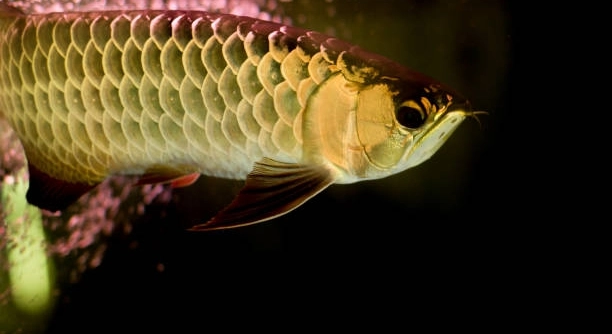
Have you ever noticed your Arowana’s fins looking ragged or torn, even though it seems healthy otherwise? Fin rot can slowly affect their appearance and movement, making regular observation of their fins important for early care.
Fin rot in Arowana is primarily caused by bacterial infections, poor water quality, stress, and injuries. Addressing these factors through proper tank maintenance, balanced nutrition, and timely medical intervention significantly reduces the risk of fin deterioration and promotes fish health.
Learning the main causes and prevention methods will help your Arowana thrive, keeping its fins strong and vibrant while avoiding common complications in home aquariums.
Poor Water Quality
Poor water quality is one of the most common causes of fin rot in Arowana. Dirty or unbalanced water encourages bacterial growth and weakens the fish’s immune system. High ammonia or nitrite levels, improper pH, and leftover food can all contribute to a harmful environment. I’ve noticed that even small lapses in cleaning schedules can lead to the fins looking frayed within a week. Regular water testing and partial water changes are essential to prevent buildup of toxins. Arowanas are sensitive, and they show signs of stress quickly when water conditions are subpar. Using a reliable filtration system helps maintain clean water and reduces harmful bacterial exposure. Monitoring water temperature is also important, as sudden fluctuations can stress the fish, making it more susceptible to infections. Even well-fed fish can develop fin rot if their tank water is not properly managed, highlighting the importance of consistency in care routines.
Maintaining clean water and stable conditions prevents bacterial growth and keeps fins healthy.
Regular water maintenance, including testing, filtration, and partial changes, is key. Keeping parameters stable ensures the fish’s immune system functions well. Even small adjustments, like removing leftover food promptly, make a big difference. Over time, clean water directly reflects in the Arowana’s fin appearance.
Bacterial Infections
Bacterial infections can develop when Arowanas have open wounds or live in suboptimal water conditions. They usually begin as small frays or white edges on the fins before spreading further. The bacteria feed on the weakened tissue, causing deterioration. Once the infection starts, it can worsen quickly without proper treatment. Medicated treatments are effective if applied early, but prevention through good hygiene and minimizing stress is best.
If ignored, bacterial fin rot can lead to serious health issues and even death.
Infected fins often appear ragged and may have a reddish tint at the base. The bacteria responsible can multiply rapidly in warm water, especially if water quality is poor. Early intervention includes isolating the fish, cleaning the tank, and using antibacterial treatments recommended for Arowanas. Monitoring for changes in fin appearance and behavior is essential. Additionally, improving water conditions and maintaining a balanced diet strengthens the fish’s immune system, helping it resist infections. Arowanas recovering from fin rot need time and clean conditions to fully regrow healthy fins, and consistent care prevents recurrence. Understanding the signs and acting quickly is crucial to protecting your fish’s long-term health.
Stress
Stress weakens an Arowana’s immune system, making fins more vulnerable to rot. Overcrowding, sudden tank changes, or aggressive tank mates can all contribute to stress, increasing the risk of infections.
A stressed Arowana may hide more often, lose appetite, or swim erratically. Even minor changes, like moving the tank or introducing new decorations, can trigger stress. Providing a calm, stable environment is key. Ensuring enough space and minimizing sudden disturbances helps the fish feel secure. I’ve found that keeping a consistent feeding schedule and avoiding excessive handling reduces visible stress signs significantly. Stress alone can make other issues, like poor water quality or bacterial infections, far worse, so controlling it is crucial.
Managing stress also involves monitoring tank mates and interactions. Aggressive species should be separated to prevent constant harassment, which can damage fins physically and emotionally. Temperature stability, gentle filtration flow, and hiding spots all contribute to reducing stress. By observing the fish’s behavior daily, small adjustments can prevent prolonged stress, keeping the fins strong and the Arowana healthier overall.
Physical Injuries
Physical injuries to fins can occur from sharp decorations, rough handling, or fights with other fish. Even minor tears can lead to fin rot if bacteria enter the wound. Immediate attention and proper care prevent further damage.
Injured fins often develop frayed edges or small white patches at the tips. Cleaning the tank of sharp objects, smoothing decorations, and handling the fish carefully can minimize risks. Injuries in crowded tanks are more likely because fish can bump into each other or get cornered. I always check for injuries after moving or rearranging the tank. Even healthy fins can quickly deteriorate if exposed to infection after physical damage.
Treating injuries promptly is essential. Isolating the fish in a hospital tank and applying antibacterial treatments prevents bacteria from spreading. Maintaining clean water supports healing, while feeding a balanced diet strengthens tissue recovery. Observing the fins daily ensures any new damage is noticed early. Over time, healthy tank habits and gentle handling reduce the chances of repeated injuries. Physical damage and infection are closely linked, so prevention and early care are the best ways to maintain strong, vibrant fins.
Poor Diet
A poor diet can weaken an Arowana’s immune system, making fins more prone to rot. Lack of essential nutrients slows tissue repair and reduces resistance to infections.
Feeding only one type of food or relying on low-quality pellets often leads to deficiencies. A varied diet including protein, vitamins, and minerals helps maintain strong, healthy fins.
High Ammonia Levels
High ammonia levels in the tank are toxic and can damage fins quickly. Ammonia buildup often comes from overfeeding, inadequate filtration, or infrequent water changes. Regular monitoring and partial water changes prevent harmful concentrations and protect fin health.
Overcrowding
Overcrowded tanks increase stress, aggression, and waste, all contributing to fin rot. Ensuring proper space per fish and avoiding too many tank mates reduces risks and keeps fins intact.
What are the first signs of fin rot in Arowana?
The earliest signs of fin rot usually appear as small white edges or slight fraying at the tips of the fins. Over time, the edges may become ragged or discolored, sometimes showing a reddish hue at the base. I’ve noticed that even slight fin fraying can worsen quickly if the water quality is poor or if the fish is stressed. The fins may also appear thinner, and movement can look awkward as the fish tries to avoid further damage. Observing fins daily allows for early intervention, which makes treatment much more effective.
Can fin rot be reversed once it starts?
Yes, fin rot can often be reversed if detected early. Treatment typically involves improving water quality, isolating the fish if necessary, and using antibacterial medications. I’ve found that combining these steps with proper nutrition helps the fins regenerate faster. Recovery depends on how advanced the rot is; minor frays can regrow fully within a few weeks, while severe rot may take longer and require repeated water maintenance and treatment. Maintaining a stress-free environment during recovery is critical to prevent reinfection.
How often should I test water parameters to prevent fin rot?
Testing water at least once a week is ideal. Key parameters include ammonia, nitrite, nitrate, and pH. I usually keep a simple log to track changes and catch problems early. Sudden spikes in ammonia or nitrite are particularly dangerous, so weekly monitoring helps maintain safe conditions. In addition, observing the fish’s behavior can indicate water issues even between tests. For example, sluggish movement or gasping at the surface may signal poor water quality that needs immediate correction. Regular testing is a simple habit that significantly reduces fin rot risk.
What foods help prevent fin rot?
A varied diet rich in protein, vitamins, and minerals strengthens the immune system. Live or frozen foods like shrimp, worms, and fish fillets provide essential nutrients. I also supplement with high-quality pellets that include added vitamins. Avoid feeding only one type of food, as deficiencies can make fins weaker and more susceptible to infection. Feeding smaller portions multiple times a day helps prevent uneaten food from polluting the tank, which also reduces bacterial growth. Combining proper nutrition with clean water is the most effective prevention strategy.
Is fin rot contagious to other fish?
Yes, bacterial fin rot can spread if other fish are exposed to the same contaminated water. I always quarantine affected fish when possible and ensure thorough tank cleaning. Filtration alone is not enough to prevent bacteria from spreading if the rot is active. Keeping the tank population at safe levels and removing sick fish temporarily helps protect healthy tank mates. Early isolation and treatment are key to stopping the disease from affecting the entire tank.
How long does it take for fins to regrow after treatment?
Regrowth time varies depending on severity. Minor damage may heal in two to three weeks, while severe rot can take a few months. I’ve seen fins regrow faster when water quality is excellent and the fish receives a balanced diet. Stress-free conditions are also essential; frequent disturbances can slow recovery. Monitoring progress weekly helps ensure the fins are healing properly and allows early intervention if rot recurs. Patience is necessary, as fins grow gradually and require consistent care to return fully to their original shape and strength.
Can I prevent fin rot entirely?
While nothing guarantees complete prevention, combining clean water, proper diet, adequate space, and low-stress conditions minimizes the risk. I focus on routine tank maintenance, water testing, and careful handling. Early detection and consistent care are the best strategies to keep fins healthy. Fin rot is more about environment and care than unavoidable fate, so attention to daily habits pays off. By observing behavior and fin condition regularly, small issues can be addressed before they develop into serious problems. Prevention is ongoing, but it is very achievable with consistent effort.
Are medications necessary for mild cases?
Not always. Mild cases sometimes respond well to improved water quality and stress reduction alone. I usually try non-medicated interventions first, like partial water changes and isolating the fish. If the rot progresses or the fins worsen, antibacterial treatments become necessary. Even mild cases benefit from a balanced diet and careful observation. Using medication prematurely isn’t harmful in most situations, but addressing the root causes first often solves the problem without extra chemicals.
Fin rot in Arowanas is a common but manageable issue that mostly comes from environmental and care-related factors. Poor water quality, stress, injuries, and bacterial infections are the main contributors, and paying attention to these aspects can prevent many cases. I’ve learned that regular water testing, proper filtration, and keeping the tank clean are essential steps that make a big difference. Even small lapses, like skipping a partial water change or overfeeding, can quickly allow bacteria to take hold. Clean water not only keeps the fins intact but also supports the fish’s overall health and activity. Monitoring water parameters consistently is easier than dealing with a full-blown infection later, and it gives you peace of mind knowing your Arowana is safe.
Nutrition also plays a crucial role in preventing fin rot. A varied diet with proteins, vitamins, and minerals strengthens the immune system, helping fins recover from minor damage and resist infections. I usually alternate between high-quality pellets, frozen foods like shrimp, and occasional live food to provide a balanced mix. Feeding smaller portions multiple times a day keeps the tank cleaner and reduces ammonia buildup, which is another risk factor for fin rot. Alongside diet, stress management is important. Overcrowding, aggressive tank mates, and sudden environmental changes can weaken a fish’s defenses, even if the water is clean and the diet is good. Creating a calm, stable tank environment ensures the Arowana feels secure and reduces the chance of fin issues.
Physical injuries, though sometimes unavoidable, also contribute to fin rot. Sharp decorations or rough handling can tear fins, giving bacteria an easy entry point. I make it a habit to smooth decorations and handle the fish minimally. If an injury occurs, isolating the fish and treating the wound promptly prevents further complications. Recovery takes time, so patience is key. Fins grow slowly, and consistent care in the form of clean water, proper nutrition, and a stress-free environment helps them return to full health. Overall, preventing and managing fin rot is about regular observation, consistent maintenance, and careful attention to the Arowana’s needs. Taking these steps ensures your fish remains strong, active, and beautiful over time, with vibrant, healthy fins that reflect good overall care.

Hello,
If you enjoy the content that we create, please consider saying a "Thank You!" by leaving a tip.
Every little bit helps us continue crafting quality advice that supports the health, happiness, and well-being of pets around the world, for pets of all shapes, sizes, and species.
We really appreciate the kindness and support that you show us!