
Have you ever admired the graceful beauty of Arowanas but felt unsure about the differences between the Silver and Asian varieties? These stunning fish often leave new aquarists wondering which one might suit their aquarium best.
The main differences between Silver and Asian Arowanas lie in their physical appearance, origin, and care requirements. Silver Arowanas are native to South America, while Asian Arowanas originate from Southeast Asia, each possessing unique colors, size, and temperament.
Learning these distinctions will help you better understand their needs and choose the right Arowana to match your experience and style of care.
Appearance and Color
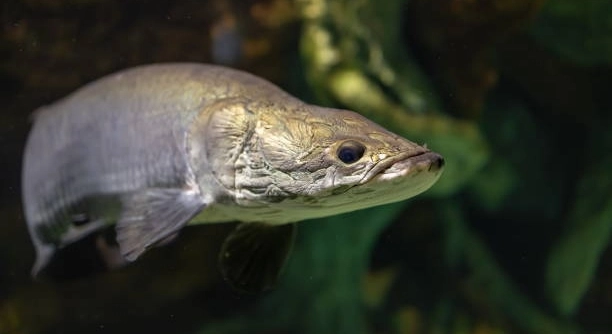
Silver and Asian Arowanas are easy to tell apart once you notice their features. The Silver Arowana has a long, slender body with shiny silver scales that reflect light beautifully. Its fins are large and soft, creating smooth movements in the water. The Asian Arowana, on the other hand, has a shorter and broader body. Its scales are thicker, giving it a more striking look. These fish come in several colors, including red, gold, green, and blue, which make them highly prized. Their overall appearance often represents luck and prosperity in many cultures.
When comparing both, the Silver Arowana grows longer and moves more swiftly, while the Asian Arowana stands out with its vibrant tones and rounder face. Each fish carries its own kind of beauty that appeals to different tastes.
Choosing between them often comes down to preference—sleek elegance or colorful boldness that brightens the aquarium’s look.
Origin and Habitat
Both fish come from different parts of the world, and this difference shapes their behavior and care needs in captivity.
Silver Arowanas originate from the calm rivers and floodplains of South America, mainly in the Amazon Basin. They are surface dwellers and skilled jumpers, known for catching insects and small prey above water. Asian Arowanas come from Southeast Asia, particularly in countries like Indonesia, Malaysia, and Thailand. They prefer slow-moving waters with dense vegetation. Their natural environment has influenced their calmer temperament and striking color variations.
These habitats play an important role in understanding how to recreate a suitable aquarium setup. Silver Arowanas need large tanks with open swimming space, while Asian Arowanas thrive in slightly warmer, planted aquariums. Replicating these conditions helps maintain their health, growth, and natural behavior. When their environment mirrors their wild home, these fish display their full beauty and personality.
Size and Growth
Silver Arowanas are known to grow larger than Asian Arowanas. In captivity, a Silver Arowana can reach up to 3 feet, while the Asian variety usually grows around 2 feet. Their size often depends on diet, space, and overall care.
Silver Arowanas have long, sleek bodies that allow them to move gracefully through open water. Because of their size, they need very large tanks to swim freely. Overcrowding can stress them and affect their growth. Asian Arowanas, while smaller, have thicker bodies and stronger fins, giving them a powerful appearance. They grow steadily with a balanced diet of live or frozen foods. Maintaining water quality and proper temperature helps support their development and prevent growth issues.
Both species grow best when fed high-protein foods like shrimp and fish. Consistent feeding routines and spacious tanks encourage healthy growth and vibrant color development.
Temperament and Behavior
Silver Arowanas tend to be more active and territorial, often swimming near the surface and jumping high when startled. Their energy makes them fascinating to watch but also challenging to manage, especially in smaller tanks. Asian Arowanas, in contrast, are calmer but still show dominance when sharing space.
Asian Arowanas are more aware of their surroundings and can recognize their owners over time. Their calm nature allows easier interaction, but they still prefer being the only large fish in a tank. Silver Arowanas, while intelligent, can become aggressive toward smaller tank mates and may even jump out if startled. Providing a secure lid, plenty of swimming room, and minimal tank disruptions helps reduce stress. Observing their behavior closely allows you to understand their comfort levels and prevent unnecessary aggression. Each species expresses personality differently, making them captivating in their own ways.
Diet and Feeding
Both Silver and Asian Arowanas are carnivorous and need a protein-rich diet. They enjoy foods like shrimp, crickets, worms, and small fish. Providing a mix of live and frozen foods ensures balanced nutrition and keeps them active and healthy.
Feeding them consistently helps maintain their growth and color. Overfeeding can lead to digestive problems and poor water quality. It’s best to feed them small portions twice a day, adjusting based on size and activity. A stable feeding schedule also helps reduce stress and aggression.
Lifespan
With proper care, both species can live for many years. Silver Arowanas generally live up to 15 years, while Asian Arowanas can live over 20 years in good conditions. Their lifespan depends on diet, tank size, and overall maintenance.
Price and Availability
Silver Arowanas are much more affordable and easier to find in pet stores. Asian Arowanas, however, are rare and can cost thousands due to their protected status and limited breeding programs.
FAQ
Are Silver and Asian Arowanas related?
Yes, both belong to the Osteoglossidae family, often called “bony-tongued fish.” Despite being related, they come from different continents and environments, which explains their differences in appearance, size, and temperament. They share similar care needs but have distinct characteristics and personalities that set them apart.
Which Arowana is easier to care for?
The Silver Arowana is generally easier to care for because it is hardier and more adaptable to different water conditions. Asian Arowanas require precise temperature, pH levels, and tank cleanliness to stay healthy. Their sensitivity to changes makes them better suited for experienced aquarists.
Do Silver and Asian Arowanas need the same tank size?
Not exactly. Silver Arowanas grow larger and need more space, usually a tank of at least 250 gallons. Asian Arowanas can manage well in tanks around 180 gallons. Both need strong filtration systems, stable temperatures, and tightly sealed lids to prevent jumping accidents.
Can Silver and Asian Arowanas live together?
It is not recommended. Both species are territorial and will likely fight, especially in confined spaces. Arowanas prefer to be the dominant fish in their environment, and keeping them together often leads to aggression and injury. It’s best to house one per tank.
Do they change color as they grow?
Yes, color changes are common. Silver Arowanas maintain their metallic tone but may become shinier with age. Asian Arowanas, on the other hand, often develop deeper and more vibrant colors as they mature, depending on diet, lighting, and water quality.
Are Asian Arowanas legal everywhere?
No. Asian Arowanas are protected under international trade laws due to their endangered status. They are banned in several countries, including the United States, unless they come from certified breeding programs. Silver Arowanas, however, are legal and widely available.
What water conditions do they prefer?
Both fish thrive in warm, clean, and slightly acidic water. The ideal temperature range is between 75°F and 82°F. Regular water changes and proper filtration help maintain good health. Asian Arowanas, in particular, are sensitive to pH fluctuations and dirty water.
How can I keep my Arowana from jumping out of the tank?
Arowanas are natural jumpers, so a secure lid is essential. Keep the water level slightly lower than the rim, and avoid sudden movements near the tank. Dim lighting and steady feeding routines help reduce stress and prevent sudden leaps.
What should I feed my Arowana for the best color?
Feeding them a variety of protein-rich foods enhances their color. Shrimp, krill, and worms are great choices. For Asian Arowanas, foods containing natural color enhancers like carotenoids bring out reds and golds. Avoid overfeeding to prevent dullness and water contamination.
Can they live with other fish?
It depends on the species and tank size. Both Arowanas can coexist with large, non-aggressive fish like clown loaches or stingrays if there’s enough space. Small fish should be avoided since they might be mistaken for prey. Monitoring behavior is important to prevent conflict.
Do Arowanas recognize their owners?
Yes, they do. Over time, both Silver and Asian Arowanas can learn to recognize their caretakers. They may swim toward you during feeding or react to your presence. This makes caring for them a rewarding experience for many aquarists.
How often should I clean the tank?
Partial water changes should be done weekly, about 20–30% of the tank volume. Cleaning the filters monthly helps maintain water quality. Avoid sudden full cleanings, as they can stress the fish and disrupt the tank’s biological balance.
Can Arowanas breed in captivity?
It’s challenging but possible. Silver Arowanas breed more easily in large, calm environments, while Asian Arowanas require very specific conditions. The male usually carries the fertilized eggs in his mouth until they hatch. Successful breeding takes patience and experience.
Why is the Asian Arowana so expensive?
Asian Arowanas are rare and heavily regulated due to their endangered status. Their bright colors, symbolic meanings, and limited availability increase their market value. Each fish must be microchipped and certified, adding to the cost. Collectors often view them as status symbols.
Which species is better for beginners?
The Silver Arowana is a better choice for beginners. It adapts easily, costs less, and is easier to find. The Asian Arowana, while stunning, demands more experience and attention to detail. Starting with a Silver Arowana helps new aquarists gain confidence before caring for rarer species.
Final Thoughts
Owning an Arowana, whether Silver or Asian, is a rewarding experience that requires patience and dedication. Both species bring beauty, strength, and elegance to any aquarium. They are more than just fish; they are living creatures with distinct behaviors and personalities. Understanding their differences helps create a suitable environment for them to thrive. The Silver Arowana’s graceful movements and metallic shine make it a captivating centerpiece, while the Asian Arowana’s deep colors and calm presence symbolize wealth and balance in many cultures. No matter which species you choose, giving them proper care ensures they live long, healthy lives.
Caring for an Arowana demands commitment. These fish grow large, need spacious tanks, and require steady maintenance to stay healthy. A well-balanced diet, clean water, and consistent routines are essential. The Silver Arowana may suit beginners better due to its adaptability, while the Asian Arowana is ideal for experienced keepers who can meet its specific care needs. Both species need stable water conditions and enough swimming space to prevent stress and injuries. Providing hiding spots and avoiding overcrowding keeps them comfortable and secure. Regular observation also helps you notice changes in their behavior early, making it easier to address health issues before they worsen.
When deciding between the two, consider your level of experience, budget, and available space. Silver Arowanas are affordable and accessible, making them a good starting point. Asian Arowanas, on the other hand, are rare and require a significant investment of time and money. Their care involves strict attention to detail, but the results are truly stunning. Both fish can form bonds with their owners and become the highlight of any aquarium. Over time, their movements, habits, and even feeding responses can become familiar and comforting. Owning one teaches responsibility, patience, and appreciation for aquatic life. Whether you’re drawn to the Silver’s shimmering simplicity or the Asian’s vibrant luxury, both species offer a rewarding experience when treated with respect and proper care. With dedication and understanding, your Arowana will not only survive but flourish, becoming a remarkable reflection of the care you provide.

Hello,
If you enjoy the content that we create, please consider saying a "Thank You!" by leaving a tip.
Every little bit helps us continue crafting quality advice that supports the health, happiness, and well-being of pets around the world, for pets of all shapes, sizes, and species.
We really appreciate the kindness and support that you show us!