
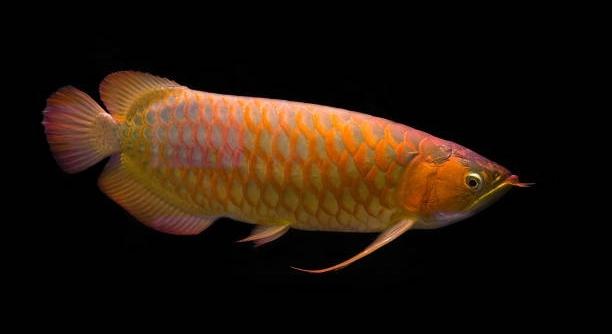
Do you ever notice your arowana acting differently but cannot tell what it wants? These graceful fish can communicate discomfort in ways that are easy to overlook. Recognizing these signs helps maintain their well-being.
Arowanas display discomfort through subtle changes in behavior, coloration, swimming patterns, and fin positioning. Observing these indicators allows aquarists to address environmental stressors, water quality issues, or health problems promptly, ensuring the fish’s overall health and stability.
Recognizing these signs early can make a significant difference. Understanding their behavior helps you create a healthier, more comfortable environment for your arowana to thrive.
Changes in Swimming Patterns
When arowanas are uncomfortable, their swimming can become noticeably different. They may hover near the surface, dart abruptly, or remain in one corner of the tank for extended periods. These changes often signal stress from water conditions, temperature fluctuations, or tank size. Monitoring swimming behavior daily helps identify potential problems early. Some arowanas may also swim sideways or upside down briefly, indicating internal discomfort or swim bladder issues. Observing your fish in a calm environment, away from sudden noises or disturbances, can make it easier to spot subtle behavioral changes. Consistent feeding times and proper tank maintenance support normal swimming habits.
Changes in swimming can also reflect social stress if other fish are present. Arowanas may avoid interaction or display aggression, signaling discomfort.
Arowanas rely heavily on their environment for comfort, and small adjustments can improve their behavior. Ensuring clean water, adequate space, and stable temperatures allows them to swim naturally. Regularly observing swimming patterns provides insight into health and mood, enabling timely corrective measures.
Loss of Appetite
A loss of appetite is a clear indication of discomfort in arowanas. Fish may refuse food for several days or eat significantly less than usual, signaling stress or illness.
Loss of appetite often accompanies other signs such as lethargy, discoloration, or erratic swimming. Addressing water quality, feeding schedule, and tank conditions can restore normal eating behavior.
Changes in diet or environmental stress can quickly affect an arowana’s appetite. If the fish shows disinterest in food, first check water parameters including pH, temperature, and ammonia levels. Poor water quality is a common source of stress and can lead to illness if uncorrected. Diet plays a critical role; ensure that food is fresh, appropriately sized, and nutritionally balanced. Overfeeding can also cause digestive issues, while underfeeding contributes to weakness. Introducing high-protein options like live or frozen food can stimulate appetite, but should be done gradually. Observing other tank inhabitants is important too, as aggressive or territorial fish may intimidate the arowana, reducing feeding opportunities. Maintaining a calm, stable environment helps the fish regain its appetite and ensures long-term health.
Unusual Color Changes
Arowanas may show subtle fading or darkening of their scales when stressed or unwell. These changes often indicate water quality issues, nutritional deficiencies, or illness that requires attention.
Color shifts in arowanas can be gradual and easy to miss. Fading scales may suggest poor water conditions, such as high ammonia or nitrite levels, while darkening can signal stress from overcrowding or sudden environmental changes. Diet also influences coloration; a lack of essential nutrients can dull the natural shine. Consistent observation helps detect these changes early, allowing for timely interventions. Adjusting water parameters, providing a balanced diet, and ensuring proper lighting can help restore vibrant colors.
In some cases, sudden patches of discoloration may indicate infection or parasite presence. Promptly isolating the fish and treating the tank prevents further spread. Keeping a consistent routine with feeding, cleaning, and monitoring reduces stress and maintains the arowana’s natural color over time.
Fin Clamping
Fin clamping is a sign that an arowana is uncomfortable or stressed. The fins remain tight against the body rather than spreading naturally.
Clamped fins often occur due to poor water quality, temperature fluctuations, or internal parasites. Observing other behaviors alongside fin clamping helps determine the cause. Stress or illness usually triggers this defensive posture.
Correcting water parameters is crucial to resolving fin clamping. Arowanas need stable temperatures, clean water, and proper filtration to recover. Nutritional deficiencies or overfeeding can also affect fin health, so providing a balanced diet is important. Sometimes, clamped fins indicate aggression from tank mates, requiring separation. Regular monitoring and tank maintenance allow you to catch issues before they worsen. With consistent care, fins should gradually return to their natural, relaxed state.
Gasping at the Surface
Gasping at the water surface is a common sign of discomfort in arowanas. It usually indicates low oxygen levels, poor water quality, or high levels of toxins like ammonia or nitrites. Immediate attention is required to prevent serious health issues.
Frequent surface breathing can also signal gill infections or stress from overcrowding. Ensuring proper aeration and regular water changes helps your arowana breathe comfortably and reduces long-term risks.
Hiding or Avoidance
Arowanas that suddenly hide or avoid certain areas of the tank are likely experiencing stress or discomfort. This behavior often accompanies environmental or social stressors.
Observing hiding tendencies alongside other behavioral changes helps determine if water conditions, tank mates, or illness are contributing factors. Maintaining a stable environment and providing safe hiding spots encourages natural behavior.
Excessive Scale Raising
Raised scales, often described as “pineconing,” indicate severe stress or potential disease in arowanas. This physical reaction requires immediate intervention to prevent further complications.
Restlessness at Night
Restlessness during nighttime is not typical for arowanas. It often signals discomfort from water temperature changes, light disturbances, or stress. Monitoring nighttime behavior helps maintain their natural sleep cycles and overall health.
FAQ
How can I tell if my arowana is stressed?
Stress in arowanas shows through behavioral and physical changes. Common signs include clamped fins, erratic swimming, hiding, loss of appetite, gasping at the surface, and unusual color changes. Observing your fish daily allows you to catch stress indicators early. Environmental factors like water quality, temperature fluctuations, overcrowding, and aggressive tank mates are common causes. Additionally, sudden changes in diet or lighting can contribute. Tracking patterns over several days rather than reacting to a single observation provides a clearer picture. Consistency in care is essential for reducing stress and promoting natural behavior.
What should I do if my arowana refuses to eat?
Refusal to eat is often linked to stress or health issues. First, check water parameters such as temperature, pH, ammonia, nitrite, and nitrate levels. Ensure the water is clean and properly filtered. Consider dietary adjustments; fresh, high-protein foods like live or frozen fish can stimulate appetite. Observe for signs of illness, including bloating, discoloration, or fin damage, which may require isolation and treatment. Maintaining a calm environment, free from aggressive tank mates and disturbances, also helps. Feeding smaller portions at consistent times can gradually encourage eating without overwhelming the fish.
Why does my arowana gasp at the water surface?
Gasping at the surface usually indicates low oxygen levels or poor water quality. Check for ammonia, nitrite, or nitrate buildup, as these can reduce oxygen availability. Improve aeration using air stones, filters, or circulation devices. Overcrowding or inadequate tank size can exacerbate oxygen deficiency. Temperature fluctuations affect oxygen solubility in water, so maintaining a stable temperature is crucial. Gasping may also signal gill infections, parasites, or stress, requiring closer observation. Regular maintenance, partial water changes, and ensuring a balanced environment prevent recurrence and support overall health.
What causes fin clamping in arowanas?
Fin clamping occurs when fins remain close to the body rather than fanning out naturally. Poor water quality, temperature stress, overfeeding, nutritional deficiencies, or aggression from tank mates can trigger it. Clamped fins may indicate illness, including internal parasites or bacterial infections. Correcting water parameters, maintaining a balanced diet, and observing interactions with other fish are essential steps. If clamping persists, isolating the fish and seeking veterinary advice may be necessary. Regular monitoring of fin condition and behavior ensures timely detection of problems, allowing interventions before more serious health issues develop.
How do I prevent unusual color changes in my arowana?
Unusual color changes, such as fading or darkening, often reflect stress, poor water quality, or diet deficiencies. Maintaining stable water parameters and proper filtration is critical. A balanced diet with essential nutrients supports natural coloration. Sudden lighting changes can also affect colors, so gradual adjustments are preferred. Regular observation of your fish allows early detection of shifts. Prompt intervention in water conditions or diet can restore vibrant colors. Avoid overcrowding, aggressive tank mates, and sudden environmental disturbances, as these stressors directly affect coloration and overall health.
What does hiding behavior indicate in arowanas?
Hiding or avoiding certain areas of the tank signals stress, illness, or environmental discomfort. Overcrowding, aggressive tank mates, poor water quality, or sudden changes in lighting can cause this behavior. Providing hiding spots, stable conditions, and proper tank size helps the fish feel secure. Observing hiding tendencies alongside appetite, swimming patterns, and fin condition helps determine underlying causes. Prompt action ensures the arowana’s comfort and reduces stress-related health issues. Gradual introduction of environmental changes, consistent care routines, and monitoring interactions within the tank encourage natural behavior and well-being.
When should I be concerned about raised scales?
Raised scales, also known as “pineconing,” are a serious warning sign. This condition usually indicates severe stress, bacterial infection, or dropsy, a life-threatening illness. Immediate action is necessary, including isolating the fish and improving water quality. Affected arowanas often require treatment with antibiotics or other medications under professional guidance. Monitoring for accompanying symptoms such as bloating, lethargy, or loss of appetite helps confirm the severity. Consistent care, clean water, and attentive observation prevent these issues from escalating. Early intervention increases the likelihood of recovery and protects overall tank health.
How do I help a restless arowana at night?
Nighttime restlessness often reflects stress or discomfort from temperature fluctuations, light disturbances, or tank environment issues. Ensure consistent lighting schedules, stable temperatures, and minimal disturbances. Reducing sudden movements around the tank and maintaining a calm environment encourages normal rest. Providing adequate space and hiding areas helps the fish feel secure. Observing patterns over several nights helps identify triggers. Maintaining clean water and consistent feeding routines supports overall comfort. Addressing these factors gradually promotes healthy sleep cycles and reduces nighttime stress, contributing to the arowana’s long-term well-being.
Can water quality alone cause discomfort in arowanas?
Yes, poor water quality is a primary source of discomfort. High ammonia, nitrite, or nitrate levels, unstable pH, and incorrect temperatures stress the fish. Proper filtration, regular water changes, and consistent monitoring are essential. Environmental stability supports normal behavior, appetite, and coloration. Even minor deviations in water parameters can trigger multiple discomfort signals, from clamped fins to unusual swimming patterns. Maintaining a clean and balanced tank environment prevents illness and reduces the need for medical interventions. Daily observation combined with proactive water management ensures the fish remains healthy, comfortable, and less prone to stress-related complications.
How important is diet in preventing discomfort?
Diet plays a significant role in maintaining health and preventing discomfort. Nutritionally balanced meals support immune function, vibrant coloration, and energy levels. Lack of essential nutrients can weaken the fish, leading to lethargy, loss of appetite, and vulnerability to disease. Offering a mix of high-protein foods such as live, frozen, or specially formulated pellets provides variety and stimulates feeding interest. Overfeeding or underfeeding disrupts digestion and may lead to stress-related behaviors. Regularly monitoring the arowana’s response to diet changes allows adjustments to prevent discomfort. A proper feeding routine complements good water quality, ensuring overall well-being and stability.
What steps help reduce overall stress for arowanas?
Reducing stress involves a combination of environmental, dietary, and behavioral strategies. Maintaining clean, well-oxygenated water at stable temperatures is essential. Providing adequate space, hiding spots, and minimal disturbances supports natural behavior. Balanced nutrition, consistent feeding schedules, and observation of interactions with other fish help prevent conflicts and ensure comfort. Gradual changes in lighting, décor, or tank mates reduce sudden stress. Regular monitoring for early signs of illness or behavioral changes allows quick intervention. Consistency in care routines and attention to both physical and behavioral indicators ensures long-term health and comfort for arowanas, helping them thrive in captivity.
Final Thoughts
Arowanas are striking and sensitive fish that communicate discomfort in subtle ways. Their behavior, coloration, and physical appearance provide important clues about their well-being. Paying attention to swimming patterns, appetite, fin positioning, and other changes allows you to respond quickly to potential issues. Even small signs, like clamped fins or hiding, can indicate stress or illness that requires action. By observing your arowana daily, you develop a clear understanding of its normal behavior and can detect unusual patterns early. Consistent monitoring is one of the most effective ways to ensure the fish remains healthy and comfortable in its environment.
Maintaining proper water quality is a critical factor in preventing discomfort. Parameters such as temperature, pH, ammonia, nitrite, and nitrate levels should remain stable. Regular water changes and proper filtration are essential for creating a safe and supportive environment. Overcrowding, sudden temperature shifts, or aggressive tank mates can add stress and trigger discomfort signals. Diet also plays a significant role in overall health. Providing a balanced, high-protein diet and maintaining consistent feeding schedules keeps the arowana strong, vibrant, and less susceptible to illness. Paying attention to these aspects helps reduce stress and supports long-term vitality.
Understanding your arowana’s subtle signs of discomfort allows for proactive care. Recognizing issues like color changes, fin clamping, loss of appetite, or surface gasping and addressing them promptly improves the fish’s quality of life. Providing a stable environment, clean water, adequate space, and proper nutrition ensures your arowana thrives. Observing these patterns not only helps prevent serious health problems but also strengthens your connection to the fish. With careful attention, patience, and consistent care, you can create a healthy, comfortable, and stress-free habitat that encourages natural behavior and longevity for your arowana.

Hello,
If you enjoy the content that we create, please consider saying a "Thank You!" by leaving a tip.
Every little bit helps us continue crafting quality advice that supports the health, happiness, and well-being of pets around the world, for pets of all shapes, sizes, and species.
We really appreciate the kindness and support that you show us!