
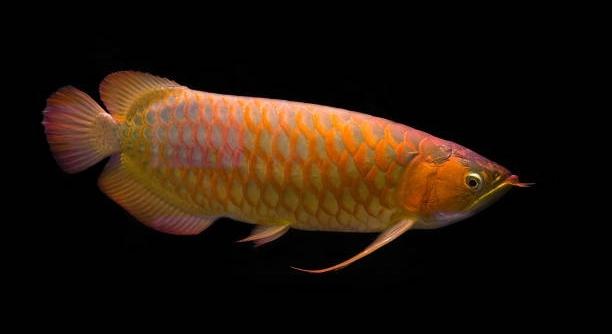
Do you love keeping fish but find yourself unsure how to introduce a new arowana to your tank safely and calmly? Adjusting to a new environment can be stressful for these majestic creatures.
Gently acclimating a new arowana involves gradually adjusting water temperature, monitoring water quality, providing minimal stress conditions, and introducing the fish to its new environment slowly. These steps help ensure the fish’s health and long-term adaptation.
Following a few careful techniques can help your arowana settle comfortably while reducing stress and promoting a smooth transition into its new home.
Preparing the Tank
Before bringing your arowana home, it is important to make sure the tank is properly prepared. Clean the tank thoroughly and check that all equipment, such as filters and heaters, is working efficiently. Maintaining the right water temperature is crucial; arowanas prefer slightly warmer water, generally between 75°F and 82°F. Test the water for pH, ammonia, nitrites, and nitrates to ensure a stable environment. Adding a few decorations or plants can provide hiding spots, but keep the tank spacious since arowanas need room to swim freely. Fill the tank at least a day before introducing the fish so that the water conditions stabilize. Avoid sudden changes in temperature or water chemistry, as these can stress the fish and make acclimation more difficult. Gradually adjusting the lighting schedule can also help the arowana adapt without feeling exposed or threatened in its new habitat.
Proper preparation is the first step to reducing stress and promoting a smooth introduction for your arowana.
Once the tank is fully set up, observe the water parameters consistently for several hours to confirm stability. Any sudden shifts can harm the arowana’s health. Introduce the fish slowly, using a floating bag or container to allow it to adjust to the temperature. Avoid feeding the arowana immediately; give it time to acclimate. Over the next few days, monitor behavior for signs of stress or illness, adjusting the environment as needed. Gradually introduce food once the fish appears comfortable. Maintaining calm and consistency helps build trust between the fish and its environment, encouraging natural swimming and feeding habits. This careful preparation and observation are essential for ensuring your arowana thrives in its new home.
Floating and Temperature Acclimation
Floating the arowana in the tank allows it to adjust to the new water temperature gradually. This step reduces shock and stress from sudden changes.
After floating the fish for at least 20-30 minutes, slowly add small amounts of tank water into the bag or container every ten minutes. This process should continue for one to two hours until the water inside the bag closely matches the tank. Avoid pouring the fish directly into the tank during this period, as the sudden exposure can cause physical stress. Monitoring the fish’s reaction is important; if it becomes frantic or shows signs of distress, slow down the acclimation process. Patience during this step ensures that the arowana will be more comfortable and less likely to suffer from shock, which can affect immune response. A calm introduction supports healthy adaptation and promotes long-term well-being in its new environment.
This method ensures a stable temperature transition and helps the arowana settle without unnecessary stress.
Would you like me to continue with the next sections on Water Quality and Feeding Introduction?
Water Quality Monitoring
Regular testing of water quality is essential to keep your arowana healthy. Check for ammonia, nitrites, nitrates, and pH daily during the first week. Stable water prevents stress and supports strong immune function.
Maintaining consistent water conditions requires careful observation and adjustment. Use a reliable test kit to monitor chemical levels and ensure the tank remains safe. Perform partial water changes as needed to reduce toxins, and avoid adding chemicals or treatments abruptly. Temperature and pH should remain within the species’ preferred range to prevent sudden stress. Good water quality directly impacts feeding behavior, activity, and overall health.
Even minor fluctuations in water chemistry can upset your arowana. Keeping detailed notes on test results, changes, and maintenance helps identify patterns and potential issues early. Combine monitoring with gentle cleaning routines and consistent filtration. Over time, this diligence creates a secure environment where your arowana can grow and thrive without unexpected health problems. Careful attention ensures a smooth acclimation process and long-term stability.
Feeding Introduction
Start with small portions of easily digestible food to avoid overfeeding. Offer high-quality pellets or frozen options suitable for arowanas.
Gradually increase the portion size as the fish becomes comfortable in its new tank. Observe how it reacts to different foods and feeding times. Avoid sudden changes in diet to prevent digestive issues. Consistent feeding schedules encourage the arowana to recognize the tank as a safe environment. Monitor appetite and remove uneaten food promptly to maintain water quality.
Introducing live or occasional treats should be done only after the fish shows steady eating habits. Use small amounts and observe for any digestive problems. Avoid over-reliance on live feeders, which can introduce parasites. Providing a balanced diet with variety supports growth, coloration, and energy. Over several weeks, adjust portions according to size and activity level. This careful approach ensures your arowana develops healthy feeding habits and reduces stress during acclimation.
Observation of Behavior
Watch your arowana’s behavior closely during the first week. Look for signs of stress, lethargy, or erratic swimming. Early observation helps prevent problems from escalating.
Note interactions with tank mates and hiding spots. Arowanas may show territorial tendencies, so tracking movement and reactions can guide adjustments in tank setup.
Gradual Lighting Adjustment
Introduce lighting slowly to avoid startling your arowana. Start with dim light for short periods, gradually increasing intensity and duration over several days. Consistent lighting helps regulate natural activity and reduces stress.
Minimal Handling
Avoid handling the arowana unnecessarily. Frequent interaction can cause stress, weaken immunity, and make acclimation longer. Limit contact to essential maintenance only.
Tank Decorations and Space
Provide open swimming areas while placing decorations strategically for shelter. Arowanas need room to swim freely but benefit from spots to retreat when feeling stressed or threatened. Proper space supports comfort and natural behavior.
FAQ
How long should I float my arowana before introducing it to the tank?
Floating the arowana for 20 to 30 minutes allows the water temperature inside the bag to gradually match the tank. During this time, avoid opening the bag too soon. After the initial float, slowly add small amounts of tank water every ten minutes to help the fish acclimate further. This process usually takes one to two hours, depending on the temperature difference. Rushing this step can shock the fish, leading to stress or illness.
How often should I test water parameters during acclimation?
During the first week, daily testing of ammonia, nitrites, nitrates, and pH is essential. Frequent monitoring helps detect fluctuations early, preventing potential harm. Once the arowana appears stable and comfortable, testing can be reduced to a few times per week. Maintaining consistent parameters supports feeding, swimming, and overall health.
Can I feed my arowana immediately after moving it to the tank?
It is best to wait at least 24 to 48 hours before offering food. The fish needs time to adjust to the new environment and reduce stress. Start with small portions of high-quality pellets or frozen foods. Monitor appetite and remove uneaten food to maintain water quality. Gradual introduction encourages steady feeding habits and reduces digestive issues.
What types of food are suitable for a new arowana?
High-quality pellets formulated for large carnivorous fish are ideal. Frozen options such as shrimp, fish fillets, or insects can be introduced gradually. Live foods can be offered occasionally but should be carefully sourced to avoid introducing parasites. Variety supports growth, coloration, and energy while preventing nutritional deficiencies.
How can I tell if my arowana is stressed?
Signs of stress include rapid gill movement, erratic swimming, hiding excessively, or refusing food. Stress can result from poor water quality, sudden changes in temperature, or an overcrowded tank. Observing behavior daily and making necessary adjustments reduces risk and helps the arowana acclimate successfully.
How should I manage tank mates with a new arowana?
Arowanas are territorial and may show aggression toward other fish. Introduce tank mates only after the arowana has settled and always monitor interactions. Providing enough swimming space and hiding spots reduces tension. Avoid small fish that can be seen as prey, as this can trigger hunting behavior and stress.
How long does acclimation usually take?
Acclimation can take several days to a few weeks. Temperature adjustments, water quality stabilization, and gradual feeding are key factors. Observing behavior, appetite, and general health provides a better indication than relying solely on time. Patience is essential for a smooth transition.
Can I use a heater or filter during acclimation?
Yes, both are necessary. Ensure the heater maintains a consistent temperature and the filter provides gentle water flow. Sudden changes in equipment or strong currents can stress the fish, so gradual introduction and observation are important.
What if my arowana refuses to eat at first?
Refusal to eat is normal during the first few days. Avoid forcing food. Offer small amounts of easy-to-digest options and observe behavior. Appetite should return as stress decreases. Ensure water quality is stable, as poor conditions can worsen refusal.
Are decorations necessary during acclimation?
Decorations provide hiding spots, helping the arowana feel secure. Keep them minimal to allow open swimming space. Gradually adjust decorations over time if needed. Proper placement reduces stress while supporting natural behavior, such as resting or avoiding overly bright areas.
How can I prevent diseases during acclimation?
Maintain stable water quality, avoid overfeeding, and monitor behavior closely. Quarantine new fish when possible before introduction. Remove uneaten food and clean filters regularly. Stress reduction and proper hygiene are the most effective ways to prevent disease.
When should I perform water changes during acclimation?
Partial water changes are recommended if ammonia, nitrite, or nitrate levels rise. Small, frequent changes prevent shocking the arowana. Avoid replacing more than 20-25% of water at once. Combine changes with testing and careful observation to maintain a stable environment.
Is it safe to touch or handle the arowana?
Handling should be avoided unless necessary. Frequent contact can cause stress, injuries, or infections. Use nets carefully for tank maintenance or relocation, and minimize handling during the first few weeks while the fish adapts to the new environment.
How important is consistent lighting?
Gradual introduction of lighting reduces stress and promotes natural activity patterns. Start with dim light for short periods, slowly increasing duration and intensity. Consistency helps the arowana feel secure and supports feeding and swimming behavior.
Can I combine acclimation steps to save time?
It is best to follow each step separately. Combining procedures, such as rapid temperature adjustment and immediate feeding, can increase stress. Patience during floating, water adjustment, feeding, and observation ensures a smoother transition and healthier arowana overall.
What signs indicate successful acclimation?
A well-acclimated arowana swims actively, explores the tank, eats regularly, and shows normal coloration. Stress behaviors like hiding, frantic movement, or refusing food should diminish. Continuous observation for the first few weeks confirms a stable adjustment to the new environment.
How do I adjust feeding frequency for a growing arowana?
Start with small, frequent meals for young fish and gradually reduce the number as the arowana grows, offering larger portions less often. Monitor weight, activity, and appetite to adjust feeding appropriately. Consistency supports healthy growth and prevents overfeeding.
Are there signs that indicate water quality needs immediate attention?
Cloudy water, strong odors, excessive algae, or sudden changes in fish behavior signal water issues. Test parameters immediately and perform partial water changes if needed. Maintaining proper filtration and monitoring ensures the arowana remains healthy and comfortable.
What is the best way to track acclimation progress?
Keep a log of feeding, behavior, water tests, and maintenance. Note any changes in swimming patterns, appetite, or coloration. Detailed tracking helps identify trends, prevent problems, and ensure the fish adapts smoothly over time.
How long should I wait before adding other fish or tank mates?
Wait until the arowana has consistently eaten, shown normal behavior, and acclimated to the tank for several weeks. Introducing new fish too soon can trigger stress, aggression, or illness. Gradual, monitored introductions are essential for maintaining harmony.
This FAQ provides detailed guidance to ensure your new arowana acclimates safely, maintains good health, and adjusts comfortably to its environment, covering all common concerns during the critical early weeks.
Final Thoughts
Acclimating a new arowana to its tank requires patience and careful attention to detail. These fish are sensitive to sudden changes in their environment, and rushing the process can lead to stress or illness. By following a gradual approach, you give the arowana time to adjust to water temperature, chemistry, and lighting. Monitoring the fish closely during the first days helps identify any potential issues early. Simple steps like floating the bag before introduction, slowly adding tank water, and keeping the environment calm can make a noticeable difference. Consistent observation and small adjustments ensure that the arowana feels secure and begins to explore its new home comfortably.
Water quality is one of the most critical factors in successful acclimation. Regular testing for ammonia, nitrites, nitrates, and pH helps prevent dangerous fluctuations that can affect the fish’s health. Partial water changes should be performed as needed, but always gradually to avoid shocking the arowana. Clean equipment, functioning filters, and stable heaters support a safe environment, and removing uneaten food promptly prevents water contamination. A careful balance of maintenance and observation allows the fish to settle naturally. These practices also encourage regular feeding and active swimming, which are signs that the arowana is adapting well. Consistency in care is more important than speed, as stability builds trust and reduces stress.
Feeding, tank space, and minimal handling also play key roles in acclimation. Offering small portions of suitable foods, monitoring appetite, and gradually introducing variety support healthy growth and digestion. Open swimming areas combined with hiding spots help the arowana feel secure while still having room to move freely. Avoid unnecessary contact, as handling can stress the fish and disrupt its adjustment. Observing behavior, appetite, and interactions with tank mates provides ongoing insight into its comfort level. Over time, following these practices establishes a routine that keeps the arowana healthy, reduces stress, and allows it to thrive in its new environment. Careful, patient acclimation ensures the fish will settle confidently, enjoy its surroundings, and develop healthy habits that last for years.

Hello,
If you enjoy the content that we create, please consider saying a "Thank You!" by leaving a tip.
Every little bit helps us continue crafting quality advice that supports the health, happiness, and well-being of pets around the world, for pets of all shapes, sizes, and species.
We really appreciate the kindness and support that you show us!