Do Shrimp Remember Places They Felt Safe?
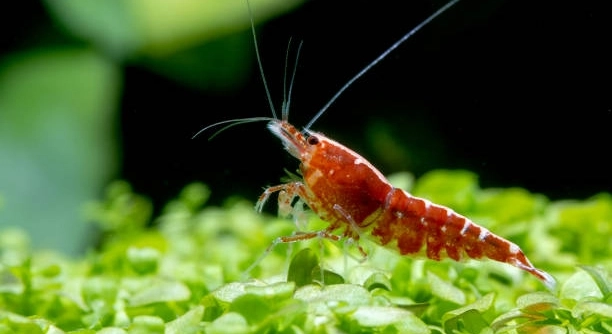
Have you ever watched shrimp move carefully among rocks and sand, stopping in certain spots longer than others? These little creatures seem to know where they feel comfortable, avoiding areas that feel unsafe. Their behavior is quiet but meaningful. Shrimp have the ability to remember locations where they felt safe. Studies show that shrimp use … Read more
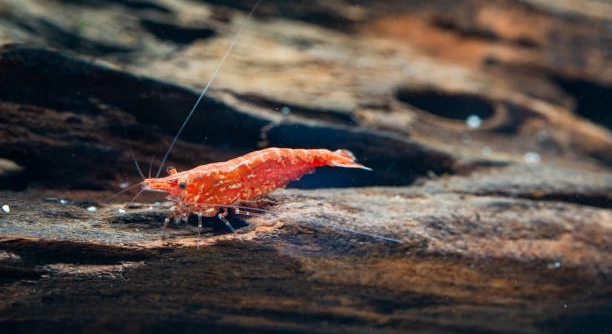
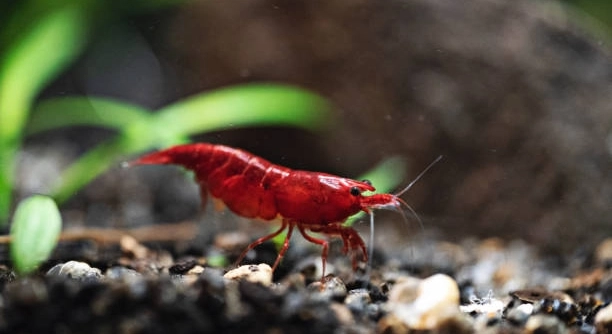
7 Times Cherry Shrimp Seem to Vanish Overnight

Many shrimp owners experience moments when their cherry shrimp seem to disappear overnight. This sudden absence can be worrying, leaving aquarists unsure if their shrimp have died, hidden, or been affected by the tank environment in unexpected ways. Cherry shrimp often vanish due to natural behaviors, predation, molting, or environmental factors. These include hiding in … Read more

7 Clues Cherry Shrimp Are Adjusting to You

Cherry shrimp are small, colorful creatures that can bring life to any aquarium. Observing them closely can reveal subtle changes in behavior. Adjusting to a new environment and owner takes time and patience for these delicate pets. Cherry shrimp show signs of adapting to their owner through behaviors such as exploring the tank more confidently, … Read more

Do Cherry Shrimp Need a Night Routine?

Do you ever notice your cherry shrimp moving quietly in their tank as the light dims? Observing their tiny routines can feel surprisingly relaxing. Many owners wonder if these small creatures need a structured night schedule. Cherry shrimp do not require a formal night routine. Their activity naturally follows light cycles, and they adjust to … Read more

7 Reasons Shrimp Might Refuse to Eat

Are your shrimp suddenly ignoring their food, leaving you unsure about their health and behavior? Many shrimp owners encounter this issue, which can be caused by various environmental and dietary factors affecting their feeding patterns. Shrimp may refuse to eat due to water quality issues, stress, molting cycles, improper diet, disease, overcrowding, or sudden changes … Read more

Can Cherry Shrimp Recognize Their Reflection?

Have you ever watched your cherry shrimp swim in their tank and noticed them pausing in front of the glass? Observing these tiny creatures can spark curiosity about their awareness and interaction with their environment. Their behavior is often subtle but intriguing. Cherry shrimp do not possess the cognitive ability to recognize their reflection. Their … Read more

7 Causes of Cherry Shrimp Aggression

Are your cherry shrimp showing unexpected aggression in your tank? Observing their behavior can be surprising, especially when these normally peaceful creatures start acting territorial or confrontational toward each other. Understanding their motives helps maintain harmony. Cherry shrimp aggression is often triggered by competition for food, limited space, molting stress, poor water quality, incompatible tank … Read more

Why Shrimp Rest in Odd Spots After Eating

Shrimp are small creatures that often behave in ways that seem strange to us. After eating, they sometimes move to unusual spots in their tanks or natural habitats. This resting behavior is a common part of their daily routine. Shrimp rest in odd spots after eating primarily to digest their food safely and efficiently. By … Read more

7 Signs That Mean Cherry Shrimp Are Ready to Breed

Cherry shrimp are small, vibrant creatures that bring life to any freshwater aquarium. Observing their behavior can be rewarding, especially when they show signs of preparing for reproduction. Noticing these changes helps ensure a thriving tank environment. Cherry shrimp ready to breed display clear physical and behavioral indicators. Females often develop a saddle behind their … Read more

Why Shrimp Sometimes Seem to Follow Each Other

Shrimp often move together in groups, creating a trail that seems like one follows the other. Observing them in aquariums or shallow waters can make their behavior appear coordinated and intentional. Their small size adds to the charm of this pattern. Shrimp follow each other primarily due to social and environmental cues. They respond to … Read more