
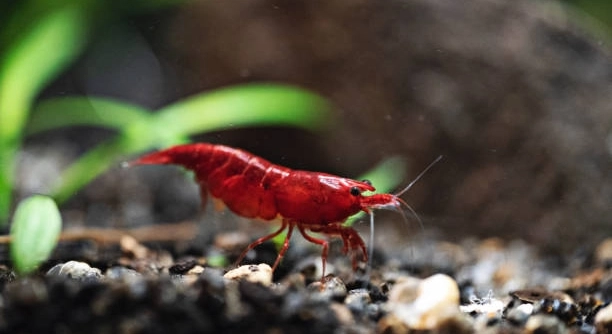
Do you ever notice your cherry shrimp moving quietly in their tank as the light dims? Observing their tiny routines can feel surprisingly relaxing. Many owners wonder if these small creatures need a structured night schedule.
Cherry shrimp do not require a formal night routine. Their activity naturally follows light cycles, and they adjust to gradual changes in their environment. Providing consistent lighting and hiding spots is sufficient for their well-being.
Even though they seem simple, their habits reveal interesting aspects of their behavior that are worth understanding more closely.
Understanding Cherry Shrimp Behavior at Night
Cherry shrimp are naturally more active during the day when the tank is well-lit. As the lights dim, their activity slows, and they tend to hide among plants or decorations. Observing them at night can be calming, but they do not require specific routines. Their internal rhythms are guided mostly by light and temperature, not strict schedules. Many owners notice shrimp resting or grazing quietly, which is normal behavior. Stressful conditions, such as sudden lighting changes, can startle them, but regular day-night cycles help maintain their comfort. Providing sufficient hiding spots and stable water conditions allows them to rest naturally. Some shrimp may move at night, but this is part of their natural variation, not a need for human-guided routines. Overall, cherry shrimp adapt well to predictable lighting and safe spaces, making specialized night care unnecessary. Owners can focus on general tank maintenance instead of creating elaborate schedules.
Their nighttime activity is subtle and doesn’t require intervention from the owner.
Even though cherry shrimp seem simple, observing them can teach a lot about natural rhythms. Their grazing, hiding, and occasional movement at night show they are responsive to their environment. Unlike other pets, they thrive with minimal interference, as long as the water conditions remain stable. Watching them adapt to the tank’s light cycle can be quietly satisfying, and it reinforces the importance of maintaining consistency. Owners who ensure proper feeding, clean water, and safe hiding areas give shrimp the chance to rest without structured routines. These small creatures demonstrate how predictable conditions support natural behavior patterns.
Tank Setup for Nighttime Comfort
Providing a proper tank setup makes nighttime more comfortable for shrimp.
A good tank setup includes hiding spaces like plants, moss, and small decorations where shrimp can feel safe. The lighting should mimic natural day-night cycles, ideally with dimming at night rather than abrupt switches. Stable water parameters, such as temperature, pH, and hardness, are essential for calm behavior during dark hours. Using gentle filters avoids strong currents that could disturb resting shrimp. Some owners add floating plants to diffuse light, creating a soft environment. Substrate choice also matters, as shrimp often graze at night, and a fine substrate allows for easy foraging. Avoid overcrowding the tank, since stress can increase activity or hiding at unusual hours. Feeding should be consistent, with light portions so shrimp can find food without struggle. These measures collectively support their natural behavior, letting shrimp rest or move as they naturally would, without the need for structured nighttime routines.
Feeding and Nighttime Activity
Cherry shrimp may nibble lightly at night, but their main feeding occurs during the day. They adapt easily to consistent feeding schedules and don’t require late-night meals to stay healthy.
Evening grazing is normal and usually consists of leftover food, algae, or biofilm. Shrimp are small and cautious, so they move slowly at night. They prefer quiet surroundings and minimal disturbances, which allows them to explore the tank safely. Overfeeding can lead to poor water quality, so sticking to measured portions during the day is enough. Observing them at night shows their natural habits without needing extra intervention. Ensuring food availability during the day supports healthy growth and reduces stress.
Shrimp are active grazers, and nighttime activity reflects their instincts. They use the cover of dim light to explore hidden areas and clean surfaces. By maintaining a clean tank and regular feeding, shrimp remain healthy without requiring a specific nighttime routine. Their quiet nighttime behavior shows they are comfortable, provided the environment is stable, safe, and consistent.
Lighting Considerations for Nighttime
Lighting should be consistent, gradually transitioning between day and night to avoid startling shrimp. Sudden changes can stress them.
Soft, indirect light or a dimmed LED setup works well for observing shrimp without causing disturbance. Strong light at night is unnecessary and can disrupt their natural behavior. Timers help maintain predictable light cycles, which supports overall health and reduces stress. Avoid leaving the tank in complete darkness for prolonged periods, as minimal ambient light allows shrimp to continue light activity safely. Proper lighting ensures natural rhythms and comfort.
Stable lighting not only helps shrimp adjust but also promotes healthy plant growth, which benefits the tank’s ecosystem. Cherry shrimp rely on light cues to regulate their daily activity patterns, so maintaining predictable cycles is important. Plants provide shelter, improve water quality, and give shrimp surfaces to graze, especially at night. By balancing light intensity and duration, you create a calm environment for shrimp to rest, feed lightly, and explore safely. Gradual transitions prevent sudden disturbances, helping shrimp feel secure. Even small adjustments in lighting can influence behavior, so using a timer or dimming option ensures stability. This approach supports natural activity without requiring a structured nighttime routine.
Hiding Spots and Night Comfort
Providing enough hiding spots helps shrimp feel secure at night. Plants, moss, and small decorations allow them to rest without stress.
Shrimp naturally seek shelter when the lights dim. Multiple hiding areas reduce competition and give each shrimp a safe space to settle.
Temperature and Night Behavior
Maintaining stable temperature is crucial for calm nighttime behavior. Sudden drops or rises can stress shrimp and increase activity or hiding. Ideal temperatures for cherry shrimp are between 68 and 78°F. Using a reliable heater or thermometer ensures consistent conditions. Stability supports natural rhythms and overall health, keeping shrimp comfortable during dark hours.
Observing Without Disturbing
Watching shrimp at night requires minimal disturbance. Movement or tapping on the glass can startle them and disrupt natural activity.
FAQ
Do cherry shrimp sleep at night?
Cherry shrimp do not sleep like humans, but they do have periods of reduced activity. At night or when the lights dim, they tend to rest quietly in hiding spots or among plants. Their metabolism slows down, and they move less, conserving energy. While they may still nibble on biofilm or leftover food, most of their activity is minimal. These periods of rest are natural and necessary for their health. Owners should allow quiet, darkened periods in the tank to support this natural behavior without disturbing them.
How important is a night light for cherry shrimp?
A night light is not essential. Cherry shrimp rely mainly on natural light cycles to guide their activity. Too much artificial light at night can cause stress and disrupt their resting behavior. If observation is desired during nighttime, a very dim LED or red light can be used, as shrimp are less sensitive to these wavelengths. Maintaining consistent day-night cycles is far more important than having a dedicated night light. Gentle lighting helps them navigate without disturbing natural rhythms.
Can cherry shrimp be active at night?
Yes, some shrimp may move or graze lightly at night, especially if the tank is well-lit in the early evening. This is normal behavior and varies between individuals. Activity at night is usually limited to cautious exploration or feeding on algae and biofilm. Shrimp that are active at night are not stressed as long as hiding areas are available and water conditions are stable. Light disturbances or loud movements near the tank, however, can trigger rapid activity as a stress response.
Do cherry shrimp need feeding at night?
Feeding at night is not necessary. Cherry shrimp will consume food left from daytime feeding or graze on natural algae and biofilm. Overfeeding to accommodate nighttime activity can lead to water quality problems, including increased ammonia and waste buildup. A consistent daytime feeding routine is sufficient to meet their nutritional needs. Observing them at night may reveal light nibbling, but this should not prompt additional feeding. Ensuring adequate food during the day supports healthy growth and reduces stress without requiring late-night meals.
How can I reduce stress for shrimp at night?
Provide stable water conditions, hiding spots, and consistent lighting. Sudden changes in temperature, light, or movement around the tank can stress shrimp. Avoid tapping on the glass or adding food excessively at night. Plants, moss, and decorations give them places to hide, which improves their sense of security. Maintaining quiet and predictable conditions allows shrimp to rest naturally. Monitoring water parameters and tank cleanliness also reduces nighttime stress, ensuring shrimp remain calm and healthy.
Do shrimp need a special nighttime tank setup?
No special setup is required. Standard care with proper hiding spots, clean water, and consistent lighting is enough. Adding extra lights or automated feeders at night is unnecessary. Cherry shrimp naturally adapt to gradual light transitions, so providing a calm environment and routine maintenance is sufficient. Simple measures like soft lighting for observation or additional plants for cover can improve comfort, but a specialized nighttime tank is not needed for their well-being.
Why do shrimp hide more at night?
Hiding is a natural instinct for protection. As light decreases, shrimp feel more vulnerable, so they retreat to secure spots. This behavior is normal and indicates they are comfortable using their environment. Multiple hiding areas help prevent overcrowding and allow each shrimp to settle without conflict. Observing shrimp in hiding shows their natural rhythms and ensures owners understand their need for security during low-light periods.
Can night activity indicate illness?
Unusual or frantic movement at night may suggest stress or water issues. Normal nighttime activity is calm and limited, whereas sudden darting, staying at the surface, or excessive hiding can point to problems. Check water quality, temperature, and tank conditions if abnormal behavior occurs. Addressing these issues promptly prevents illness and ensures a stable environment for healthy shrimp behavior.
Is it okay to watch shrimp at night?
Yes, but minimal disturbance is key. Using dim light or viewing quietly prevents stress. Cherry shrimp respond to vibrations, sudden movements, and bright light, so gentle observation allows owners to enjoy their behavior without interrupting natural activity patterns. Consistent, calm observation also helps monitor health and tank conditions.
Do all shrimp follow the same night behavior?
No, individual shrimp may vary in activity levels. Some may graze lightly while others rest completely. Behavior can depend on age, tank setup, and personality. Recognizing normal variation helps owners distinguish between healthy nighttime habits and stress-related activity.
Cherry shrimp are small, delicate creatures that adapt well to consistent, simple care. Their activity naturally follows light cycles, and they do not require a structured night routine to stay healthy. Observing them can be quietly satisfying, but it is important to remember that they function best in a calm, stable environment. Providing proper hiding spots, maintaining consistent water parameters, and following a steady feeding schedule ensures their comfort both during the day and at night. While it can be tempting to intervene or create elaborate routines, cherry shrimp thrive without extra nighttime attention, allowing owners to focus on general care instead.
The nighttime behavior of cherry shrimp is mostly subtle. Many will rest quietly among plants or decorations as the lights dim, while some may nibble lightly on biofilm or leftover food. This behavior is natural and shows they are comfortable in their environment. Stressful conditions, such as sudden light changes or temperature fluctuations, can cause unusual activity, but with stable conditions, shrimp demonstrate calm, predictable patterns. Maintaining consistent lighting and a safe tank setup helps shrimp follow their natural rhythms without human intervention. Overfeeding or adding extra lights at night is unnecessary, as it can disrupt these rhythms and affect water quality. Allowing shrimp to follow their instincts ensures their health and well-being over time.
Creating a supportive environment for cherry shrimp involves attention to the basics rather than complex routines. Plants, moss, and small decorations provide shelter and grazing surfaces that are important for both daytime and nighttime comfort. Consistent water parameters, such as temperature, pH, and hardness, reduce stress and promote natural behavior. Gentle lighting or timers help maintain predictable cycles without startling shrimp. Observing them quietly at night can be rewarding, showing their natural grazing, resting, and exploration. By focusing on stability, simplicity, and basic care, owners give cherry shrimp the best chance to thrive while naturally following their light-based activity patterns. Over time, this approach builds a healthier, more balanced tank ecosystem where shrimp can live comfortably without the need for complicated nighttime routines.

Hello,
If you enjoy the content that we create, please consider saying a "Thank You!" by leaving a tip.
Every little bit helps us continue crafting quality advice that supports the health, happiness, and well-being of pets around the world, for pets of all shapes, sizes, and species.
We really appreciate the kindness and support that you show us!