
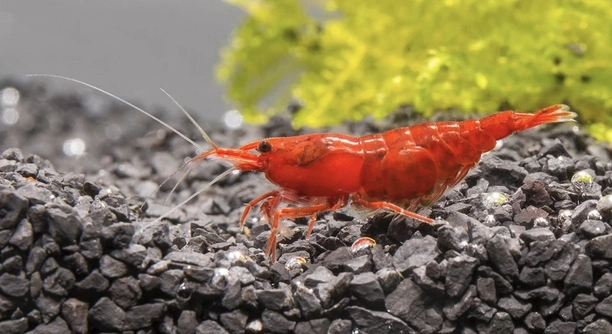
Are your cherry shrimp showing unexpected aggression in your tank? Observing their behavior can be surprising, especially when these normally peaceful creatures start acting territorial or confrontational toward each other. Understanding their motives helps maintain harmony.
Cherry shrimp aggression is often triggered by competition for food, limited space, molting stress, poor water quality, incompatible tank mates, overcrowding, and lack of hiding places. Each of these factors can influence their behavior and increase conflict.
Identifying these causes early can improve your tank’s environment and create a calmer space for your shrimp to thrive and interact safely.
Competition for Food
In a small tank, cherry shrimp often compete for every scrap of food. When multiple shrimp reach for the same pellet or algae, tensions rise quickly. Aggressive behavior, such as chasing or pinching, can appear even among normally calm individuals. Younger or smaller shrimp may be pushed aside by larger, more assertive shrimp. Uneven feeding schedules or overfeeding can worsen these conflicts because food either disappears too fast or pollutes the water. Providing a variety of food types, including sinking pellets and blanched vegetables, helps reduce fighting. Sprinkling food in different areas of the tank gives each shrimp a fair chance to eat without constant confrontation. Observing feeding habits closely can reveal which shrimp are being bullied or stressed. Adjusting portions or placement can prevent aggression from escalating. It also supports healthier growth and molting, as stressed shrimp may struggle to shed properly. A calm feeding environment fosters more peaceful interactions in your tank.
Even simple steps like spreading food throughout the tank can significantly lower fighting and stress among cherry shrimp.
Properly monitoring their diet is crucial. Small adjustments to feeding schedules and locations can balance access, reduce tension, and encourage natural behaviors. Over time, shrimp will coexist more peacefully and thrive without frequent aggressive encounters.
Limited Space
Cherry shrimp need enough room to explore, hide, and establish personal territories. Overcrowding increases stress and triggers aggressive behaviors as they compete for limited resources.
Providing sufficient tank space is essential for preventing territorial disputes. Shrimp benefit from plants, rocks, and other decorations that create visual boundaries and hiding spots.
A tank that feels cramped can lead to constant chasing and pinching, especially during molting when shrimp are vulnerable. Ensuring a proper ratio of shrimp to tank size allows each shrimp to have its own area, reducing competition and stress. Plants and decorations are more than aesthetic; they create safe zones and help distribute shrimp throughout the aquarium, lowering the chances of repeated confrontations. Even subtle rearrangements can encourage less dominant shrimp to establish new territories, improving overall tank harmony. Observing their movement patterns over time helps identify if certain areas are overcrowded or contested. Adjusting population density and providing enough structures ensures that shrimp can carry out natural behaviors, feed, and molt without constant interruptions, making the tank a healthier, calmer environment.
Molting Stress
Molting leaves shrimp vulnerable, and aggression often spikes during this time. Other shrimp may nip or harass molting individuals, increasing stress and the risk of injury.
During molting, cherry shrimp’s exoskeleton softens, making them easy targets for nips from tank mates. This stress can delay successful molting and even cause death if attacks persist. Providing plenty of hiding spots and plants allows shrimp to retreat safely during these periods. Ensuring optimal water parameters, like stable temperature and proper pH, reduces molting complications. A stress-free environment supports healthier growth, encourages successful molting, and decreases aggression caused by vulnerability. Observing shrimp closely during this stage helps prevent avoidable injuries and maintains harmony.
Monitoring shrimp for signs of molting stress is essential. Interventions like extra hiding places or separating vulnerable individuals temporarily can keep aggression minimal and ensure their survival.
Poor Water Quality
Poor water quality stresses shrimp and can increase aggressive behavior. Ammonia, nitrite, or nitrate spikes make shrimp irritable and more likely to attack others.
Maintaining clean water is crucial for calm behavior and overall health. Regular testing, partial water changes, and careful monitoring of tank parameters help prevent stress-induced aggression. Filtration must be adequate to handle the tank population without creating strong currents that disturb shrimp. Excess waste, leftover food, or decaying plants contribute to harmful chemical buildup, so routine cleaning is essential. Stable pH and temperature levels reduce stress, while insufficient oxygen or sudden changes can trigger defensive or territorial behavior. A well-maintained tank supports molting, feeding, and social interactions without constant conflict. Healthy shrimp are naturally less aggressive, and the environment plays a key role in minimizing disputes. Consistent attention to water quality ensures that shrimp remain active, vibrant, and able to coexist peacefully.
Incompatible Tank Mates
Some fish or invertebrates stress cherry shrimp, provoking defensive aggression. Shrimp feel threatened and react by chasing or pinching weaker tank mates.
Choosing compatible species is essential. Avoid larger or predatory fish, as even non-lethal species can cause constant stress and trigger aggressive behaviors in shrimp.
Overcrowding
Too many shrimp in a small tank leads to constant competition for space. Crowding increases stress levels and encourages aggressive interactions, particularly around feeding and hiding spots.
Lack of Hiding Places
Shrimp need plants, rocks, and decorations to retreat when threatened. Without sufficient cover, aggression rises, and vulnerable shrimp are frequently harassed or injured.
FAQ
Why are my cherry shrimp suddenly aggressive?
Sudden aggression in cherry shrimp usually stems from changes in their environment. Shifts in water temperature, pH, or ammonia levels can stress them. Overcrowding, lack of hiding spots, or competition for food may also trigger chasing, pinching, or territorial displays. Observing recent changes can help identify the cause.
How can I reduce aggression during feeding?
Distributing food evenly across the tank prevents competition. Sinking pellets and blanched vegetables can be placed in different spots, giving all shrimp access. Feeding smaller portions more frequently rather than one large feeding also reduces stress and fighting, allowing weaker or younger shrimp to eat safely.
Is aggression linked to molting?
Yes, molting makes shrimp vulnerable because their exoskeleton softens. Aggressive tank mates may nip at molting shrimp, causing stress or injury. Providing hiding places like plants, caves, or moss helps molting shrimp retreat safely. Observing them closely during this stage is essential for their survival.
Can water quality affect shrimp behavior?
Absolutely. Poor water conditions increase stress, which can lead to aggression. High ammonia, nitrite, or nitrate levels irritate shrimp, prompting fights. Regular testing, partial water changes, and adequate filtration maintain a stable, calm environment that minimizes aggressive behavior and supports molting and feeding.
Do tank mates influence aggression?
Yes, some fish or invertebrates intimidate shrimp, triggering defensive behavior. Even non-predatory species can stress shrimp, especially if they are curious or constantly moving near them. Choosing peaceful, small species or a shrimp-only tank ensures calmer interactions and reduces territorial disputes.
How important is hiding space?
Hiding spaces are critical. Without sufficient plants, rocks, or decorations, shrimp have nowhere to retreat, and aggression rises. Providing plenty of cover allows each shrimp to establish a territory, feel safe during molting, and avoid repeated harassment from dominant tank mates.
Does tank size matter for aggression?
Tank size directly affects stress and aggression. Overcrowding causes competition for space, feeding areas, and hiding spots. Adequate space lets shrimp spread out, establish personal territories, and interact with less stress, reducing overall aggressive behavior and improving the health of the colony.
What role does stress play in aggression?
Stress is a key factor. Changes in environment, food scarcity, or social hierarchy can make shrimp defensive. Continuous stress increases the likelihood of pinching, chasing, or bullying. Minimizing stress through proper tank conditions, hiding spots, and gentle handling promotes peaceful behavior.
How can I identify aggressive shrimp?
Aggressive shrimp often chase, nip, or corner others. Dominant individuals may monopolize food or favorite hiding areas. Monitoring interactions during feeding or at night can help identify which shrimp are causing tension and whether adjustments to tank setup or population are needed.
Can aggression cause health problems?
Yes, persistent aggression can lead to injury, molting issues, and stress-related health decline. Nipped shrimp may struggle to molt, become weak, or develop infections. Addressing aggression through environmental adjustments, hiding spots, and compatible tank mates protects their long-term health.
What quick steps can reduce aggression immediately?
Adding hiding spots, increasing food distribution, and checking water quality can quickly reduce aggression. Reducing population density or temporarily separating the most dominant shrimp also helps. Immediate changes create a calmer environment and prevent injuries while long-term solutions are implemented.
Is aggression normal behavior for cherry shrimp?
Some mild territorial behavior is normal, especially around food or molting. However, constant fighting indicates environmental or social stress. Ensuring proper tank size, hiding spots, and water conditions reduces excessive aggression and supports healthier, more balanced interactions.
Can I prevent aggression entirely?
Complete prevention is unlikely, as minor disputes are natural. The goal is to minimize intensity and frequency. Balanced feeding, adequate space, hiding spots, stable water conditions, and careful selection of tank mates keep aggression manageable and protect shrimp health and well-being.
How often should I monitor my shrimp for aggression?
Daily observation is ideal. Monitoring during feeding and active periods helps spot bullying or unusual stress behaviors early. Adjusting conditions promptly prevents escalation and keeps your shrimp community harmonious and thriving.
Are there signs of stress besides aggression?
Yes. Stressed shrimp may hide excessively, refuse food, molt irregularly, or appear lethargic. Water parameters, overcrowding, or poor tank setup often contribute. Addressing these factors reduces both aggression and overall stress, keeping shrimp healthier and more active.
Final Thoughts
Managing cherry shrimp aggression requires careful observation and consistent care. These small creatures are naturally social, but their peaceful nature can quickly change under stress. Aggression often arises from competition for food, limited space, or molting vulnerability. Environmental factors like water quality, temperature, and pH also influence behavior. When shrimp are stressed or feel threatened, they may chase, nip, or harass others. This is not unusual, but it can harm weaker or molting shrimp if left unaddressed. Providing a stable and calm environment helps minimize these conflicts. Regularly checking water parameters, performing partial water changes, and maintaining a clean tank are essential. Proper feeding schedules and spreading food throughout the tank can reduce competition and lower the risk of aggressive encounters. It is also helpful to observe shrimp behavior daily, noting patterns that may indicate rising tension or repeated conflicts.
Hiding spaces are crucial for creating a sense of security within the tank. Plants, rocks, and other decorations allow shrimp to establish personal territories and retreat when they feel threatened. Overcrowding or insufficient cover increases aggression because shrimp have fewer areas to rest or hide during vulnerable periods such as molting. Ensuring adequate space and well-distributed hiding spots reduces stress and helps maintain harmony among tank inhabitants. Population density also plays an important role. Too many shrimp in a small tank can lead to constant skirmishes, especially around food and preferred hiding locations. A well-balanced tank, with enough room for all shrimp to move freely, reduces tension and encourages calmer interactions. Providing a variety of foods, such as sinking pellets and vegetables, helps weaker or smaller shrimp eat safely without being harassed. By attending to these details, it is possible to maintain a more peaceful and healthy shrimp community.
Behavioral monitoring is equally important for long-term success. Aggressive shrimp can be identified by their persistent chasing, nipping, or monopolizing of food and hiding spaces. Keeping track of these behaviors allows for timely interventions, such as rearranging decorations, adjusting food distribution, or temporarily separating the most dominant individuals. Consistency in tank maintenance and observation helps prevent small issues from becoming serious problems. While some aggression is natural, reducing its frequency and intensity protects all shrimp in the tank and supports healthy growth, successful molting, and overall well-being. With careful attention to environment, population, and daily behavior, cherry shrimp can coexist peacefully, creating a balanced and thriving aquarium ecosystem. Small changes, like adding hiding places or spreading food more evenly, often make a significant difference in minimizing conflicts. Over time, these practices foster a calmer, more harmonious environment, allowing your shrimp to display their natural behaviors without unnecessary stress or injury.

Hello,
If you enjoy the content that we create, please consider saying a "Thank You!" by leaving a tip.
Every little bit helps us continue crafting quality advice that supports the health, happiness, and well-being of pets around the world, for pets of all shapes, sizes, and species.
We really appreciate the kindness and support that you show us!