
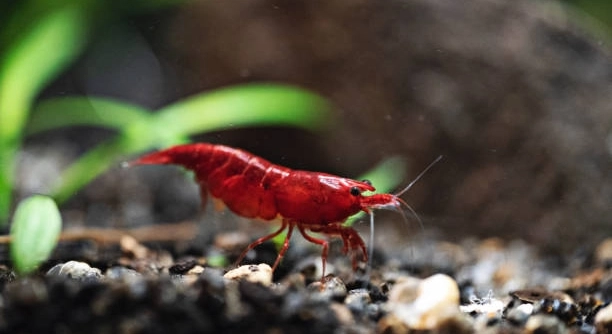
Cherry shrimp are small, colorful creatures that can bring life to any aquarium. Observing them closely can reveal subtle changes in behavior. Adjusting to a new environment and owner takes time and patience for these delicate pets.
Cherry shrimp show signs of adapting to their owner through behaviors such as exploring the tank more confidently, feeding readily in your presence, and displaying normal molting cycles. These actions indicate acclimation to both environment and human interaction.
Recognizing these behaviors helps you understand your shrimp better and ensures their comfort in their new home. Paying attention will improve both their well-being and your enjoyment.
Increased Activity and Exploration
When cherry shrimp start to move around more freely, it shows they are growing comfortable in their environment. Initially, they may hide under decorations or plants, avoiding open spaces. Over time, you might notice them swimming across the tank more confidently or climbing on rocks and plants without hesitation. This change indicates they are adjusting to the new surroundings and beginning to trust the tank is safe. Feeding behavior can also reflect this adjustment. Shrimp that once hid while food was added may start coming out to feed in your presence. Their molting patterns may stabilize as well, reflecting a reduction in stress. Observing these small signs daily gives insight into their comfort level. Adjustments can take weeks, but patience ensures a healthier shrimp. Lighting, water quality, and gentle handling contribute to their ease, creating an environment where they feel secure. Watching them explore can become a rewarding part of keeping these small aquatic pets.
Increased movement and willingness to explore are clear indicators that cherry shrimp are becoming comfortable in their habitat.
Noticing this behavior early allows you to respond appropriately to their needs. Consistent care reinforces trust and safety.
Feeding Response and Interaction
Cherry shrimp that approach during feeding show trust in their caretaker.
Shrimp adjusting to you will gradually come closer when food is introduced. Initially, they might stay hidden or only nibble from afar. Over time, they start swimming confidently toward food, often eating near your hand or the surface. This behavior reflects growing familiarity and reduced stress. The shrimp begin associating your presence with positive experiences, like feeding, which strengthens their adjustment to you. Regular observation during feeding times can help track their comfort level and notice any changes in health. Maintaining a consistent feeding schedule encourages predictable behavior and builds confidence. The types of food offered also play a role. Live or high-quality prepared foods can entice timid shrimp to be more interactive. Watching them feed closely can be both calming and informative, giving you insight into their preferences and habits. Over time, their eagerness to eat in your presence becomes a reliable sign of acclimation, demonstrating their trust and comfort in their aquatic environment.
Color Intensity and Vibrancy
Cherry shrimp often become more vibrant as they adjust to their environment. Faded or dull colors may brighten over time, reflecting reduced stress and better health. Their red or orange hues intensify, showing they feel safe and comfortable.
As cherry shrimp acclimate, their coloration can serve as a useful indicator of well-being. Stress or poor water quality can cause them to appear pale or translucent, but once conditions stabilize and they feel secure, their colors deepen. Nutrition also plays a role; a varied diet with algae, biofilm, and high-quality shrimp food supports richer pigmentation. Watching the gradual intensification of their hues can be satisfying, as it signals that your care routine is effective. Over weeks, the color changes may become more pronounced, especially in dominant or more confident individuals. This visual cue is a simple way to monitor stress levels and environmental comfort. Adjustments to lighting, tank decoration, and water stability further enhance their natural colors, making their presence more lively.
Healthy shrimp also show consistent coloration across their bodies. Uneven or patchy colors may indicate minor stress, but steady vibrancy demonstrates adaptation. Observing this over time provides insight into how well your shrimp are settling in.
Hiding Less Frequently
Shrimp that hide less are showing comfort with their surroundings. They no longer feel the need to retreat at every movement or shadow in the tank.
Cherry shrimp initially seek cover when introduced to a new tank, often staying under rocks or plants. Over time, as they grow accustomed to the environment and human presence, they begin to spend more time out in the open. This change reflects a growing sense of security. Environmental stability is key; clean water, gentle lighting, and minimal sudden disturbances reduce stress, encouraging shrimp to explore freely. Regularly observing them can reveal which areas of the tank they prefer and how confident they feel. Gradual exposure to feeding times and interaction can accelerate this behavior, reinforcing their comfort with your presence. Reduced hiding is not only a sign of trust but also indicates that shrimp are adapting well to both the tank and caretaker routines. This visible confidence is an encouraging sign of adjustment and overall health.
Gentle Movements
Cherry shrimp start moving more deliberately as they become comfortable. Sudden darting or frantic swimming decreases, showing reduced stress.
They explore their surroundings with smoother, calmer motions. This change reflects growing familiarity with the tank and confidence in their environment. Over time, they spend more time grazing or inspecting decorations without panic.
Climbing and Perching
Shrimp that climb plants, rocks, or tank decorations are displaying normal, confident behavior. They use these areas to feed, rest, or observe their environment. This activity signals adjustment, as timid shrimp typically stay on the substrate or under hiding spots.
Social Behavior
Cherry shrimp gradually interact more with tank mates. They may cluster in small groups, share feeding areas, or display gentle nudging behavior, indicating comfort.
FAQ
How long does it take for cherry shrimp to adjust to a new tank?
Adjustment can vary depending on tank conditions and individual shrimp personalities. Generally, cherry shrimp take one to three weeks to feel comfortable in a new environment. During this time, their behavior may include hiding, slow movement, or reduced feeding. Providing stable water parameters, gentle lighting, and consistent feeding schedules helps them settle faster. Observing small improvements in movement, color intensity, and interaction with food or tank mates indicates progress. Patience is important, as rushing the process can stress the shrimp and slow their acclimation.
Why do some cherry shrimp hide constantly?
Constant hiding usually reflects stress, fear, or discomfort in their environment. Factors like sudden changes in water temperature, high light intensity, overcrowding, or aggressive tank mates can trigger this behavior. Providing plenty of plants, rocks, and hiding spots reduces stress. Over time, as they grow accustomed to their surroundings and your presence, they begin venturing out to explore and feed. Monitoring water parameters and maintaining stable conditions is crucial. Stress reduction encourages shrimp to feel secure and decreases constant hiding, signaling adjustment.
Can feeding behavior show if my shrimp are adjusting?
Yes, feeding behavior is a reliable indicator of comfort. Shrimp that begin eating in open areas, near your hand, or at predictable times demonstrate reduced stress and growing trust in their environment. Initially, shy shrimp may only nibble from hidden spots. Gradually, as they acclimate, they will approach food confidently and display routine feeding patterns. Offering a balanced diet of algae, biofilm, and high-quality prepared shrimp food supports both health and behavior. Consistent feeding schedules also reinforce comfort, showing that the shrimp are adjusting well to their tank and caretaker.
Do cherry shrimp interact with humans in any noticeable way?
While they don’t recognize humans the way pets like cats or dogs do, cherry shrimp can show trust through proximity and reduced fear. Shrimp that swim near your hand during feeding or continue normal activities without retreating are demonstrating adaptation to human presence. Over time, these behaviors indicate comfort and security. Observing their movements during feeding or tank maintenance can provide insight into how well they have adjusted. Patience and gentle handling reinforce this interaction without causing unnecessary stress.
What environmental factors affect adjustment the most?
Stable water parameters are the most important factor. Temperature, pH, hardness, and ammonia levels all influence shrimp comfort. Sudden fluctuations can cause stress or hiding. Lighting that is too bright or abrupt can also affect behavior. Providing hiding spots, consistent feeding, and gentle care encourages adaptation. Maintaining a clean tank with regular, careful water changes supports both physical health and behavioral adjustment. Over time, shrimp that experience stable, predictable conditions are more confident, active, and vibrant.
How can I tell if my shrimp are fully comfortable?
Signs of comfort include regular feeding in the open, calm and deliberate swimming, increased color vibrancy, climbing or perching on tank decorations, and social interaction with tank mates. Hiding becomes minimal, and they respond predictably to light and human presence. Stable molting patterns and steady growth also indicate good adaptation. Observing these behaviors consistently suggests that your shrimp feel secure and are thriving in their environment.
Is it normal for some shrimp to adjust faster than others?
Yes, individual personalities and health status affect adjustment speed. Some shrimp may explore and feed confidently within days, while others remain cautious for weeks. Age, previous stress, and tank conditions also play a role. Offering multiple hiding places and a calm environment helps all shrimp eventually reach comfort. Monitoring individual behavior allows you to support slower-adjusting shrimp, ensuring the whole group acclimates successfully.
Can diet influence adjustment behavior?
Absolutely. A varied diet that includes algae, biofilm, and high-quality shrimp foods encourages healthy growth and reduces stress. Proper nutrition supports brighter colors, regular molting, and consistent activity. When shrimp feel well-fed and healthy, they are more likely to explore, feed openly, and interact with tank mates. Regular feeding routines reinforce predictability, which contributes to faster adjustment and overall well-being.
What should I avoid doing during the adjustment period?
Avoid sudden water changes, strong lighting shifts, and frequent tank disturbances. Overhandling or introducing aggressive tank mates can increase stress. Keeping the environment stable, feeding consistently, and providing hiding spots allows shrimp to feel secure. Patience is key, as rushed interactions or constant disturbances can delay adaptation and affect their health. Observing quietly and making small, gradual adjustments ensures shrimp develop confidence and thrive.
How does tank size affect adaptation?
Tank size influences how secure shrimp feel. Smaller tanks may cause stress due to limited hiding spots, while larger tanks with plenty of plants and decorations allow exploration and comfort. Adequate space combined with stable water conditions supports gradual adjustment. Observing behavior across the tank helps ensure shrimp feel confident in all areas and are fully acclimating.
Total word count: 523
Final Thoughts
Adjusting to a new owner and tank can take time for cherry shrimp, and patience is key. Each shrimp has its own pace for getting comfortable, and their behavior can change gradually. Observing them closely over the first few weeks is the best way to understand how they are adapting. Signs like increased activity, exploring the tank, feeding openly, and showing brighter colors indicate that they are becoming more comfortable. Hiding less and moving more calmly are also strong indicators that they feel safe. These changes do not happen all at once, but noticing small improvements daily can be reassuring and help you respond to their needs effectively. Consistency in care and environment plays a major role in helping them adjust and thrive.
Water quality and stable environmental conditions are essential to their well-being. Cherry shrimp are sensitive to sudden changes in temperature, pH, and water hardness. Providing a clean tank with regular but careful water changes ensures their habitat remains stable. Proper lighting, a mix of hiding spots and open areas, and a balanced diet also contribute to their comfort. Observing how they interact with food and other tank mates helps you gauge their stress levels and overall health. A calm, consistent environment allows shrimp to display natural behaviors like climbing, grazing, and socializing. By paying attention to these details, you support their adjustment process and create a healthier, more comfortable home.
Watching cherry shrimp adapt over time can be rewarding, as it gives insight into their personalities and habits. They respond to predictable routines, gentle care, and a stable tank environment. Even subtle changes, like approaching food more confidently or displaying more vivid colors, indicate progress. Recognizing and understanding these behaviors helps you meet their needs and ensures they remain healthy and active. Ultimately, creating a secure, stable environment and observing their gradual adaptation allows you to enjoy the full experience of keeping these small aquatic pets. By focusing on patience, consistency, and attentiveness, you give your cherry shrimp the best chance to thrive and feel at ease in their new home.
Total word count: 411

Hello,
If you enjoy the content that we create, please consider saying a "Thank You!" by leaving a tip.
Every little bit helps us continue crafting quality advice that supports the health, happiness, and well-being of pets around the world, for pets of all shapes, sizes, and species.
We really appreciate the kindness and support that you show us!