
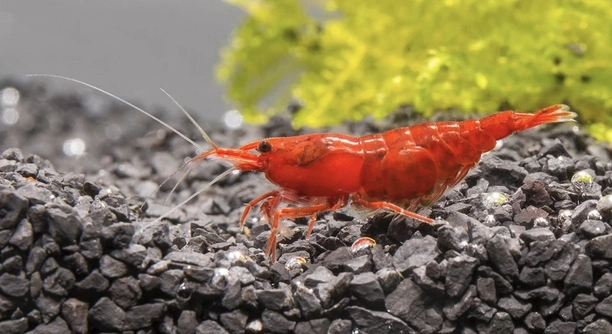
Are your shrimp suddenly ignoring their food, leaving you unsure about their health and behavior? Many shrimp owners encounter this issue, which can be caused by various environmental and dietary factors affecting their feeding patterns.
Shrimp may refuse to eat due to water quality issues, stress, molting cycles, improper diet, disease, overcrowding, or sudden changes in their habitat. Each factor can significantly impact their feeding behavior and overall well-being if not addressed promptly.
Understanding these reasons can help you improve your shrimp’s environment and ensure they maintain a healthy appetite and proper nutrition.
Water Quality Problems
Poor water quality is one of the main reasons shrimp stop eating. Parameters like ammonia, nitrite, nitrate, pH, and temperature must be stable. Even small fluctuations can stress shrimp and reduce their appetite. Regular testing helps identify problems early. Chlorine or heavy metals in tap water can also be harmful. Using a proper water conditioner is essential to remove harmful chemicals before adding water to the tank. Overfeeding can lead to decaying food and spikes in ammonia, creating an environment shrimp avoid. Filtration and regular water changes maintain a healthy ecosystem, supporting shrimp growth and appetite.
Monitoring water quality consistently ensures shrimp remain active and healthy.
Shrimp are highly sensitive to poor water conditions. Even temporary exposure to harmful chemicals or improper pH can make them stop eating. Maintaining a clean, stable environment is the easiest way to keep shrimp feeding regularly.
Stress and Overcrowding
Stress can make shrimp completely ignore food. Factors like sudden tank changes, aggressive tankmates, or frequent handling can frighten them. Shrimp may hide for hours or days, refusing to eat while they recover. Overcrowding increases competition and stress, lowering feeding behavior.
Stress affects shrimp’s immune system and overall health. A calm, stable tank allows them to feel secure and return to regular eating habits.
When shrimp are stressed, they expend energy avoiding threats instead of eating. Even small disturbances like moving decorations or loud noises nearby can trigger hiding. Overcrowding adds pressure as shrimp compete for space and resources. Observing shrimp behavior helps identify stress triggers. Separating aggressive tankmates, limiting sudden changes, and providing plenty of hiding spots encourages shrimp to resume eating. Environmental enrichment, like plants and hiding structures, can reduce stress, giving shrimp a safer space. Adjusting feeding schedules to match their natural activity patterns also helps stressed shrimp regain appetite. Consistent care and attention to tank conditions make a noticeable difference in feeding behavior over time.
Molting
Molting is a natural process where shrimp shed their exoskeleton to grow. During this time, they often stop eating and hide. Appetite usually returns after the new shell hardens.
Molting can last several hours to a few days depending on the species and age. Young shrimp molt more frequently, while adults molt less often. During molting, they are vulnerable and require a safe, stress-free environment. Providing calcium-rich foods or supplements helps strengthen their new exoskeleton. Avoid disturbing them during this period, as stress can extend molting time and further suppress appetite. Observing their hiding spots and behavior can help you predict molting cycles.
Once molting is complete, shrimp gradually return to normal feeding patterns. Regular tank maintenance, stable water parameters, and proper nutrition support molting and reduce complications, ensuring shrimp remain healthy and active.
Improper Diet
Shrimp may refuse food if their diet lacks variety or proper nutrients. Sticking to only one type of food can cause deficiencies.
A balanced diet includes algae, biofilm, plant matter, and occasional protein sources. Overreliance on flakes or pellets can leave shrimp undernourished and less willing to eat. Observing which foods shrimp prefer helps adjust feeding. Rotating food types and supplementing with natural options encourages better intake. Feeding too much or too little can also impact appetite. Small, frequent portions prevent waste and maintain water quality.
Proper nutrition directly affects shrimp health, molting, and immunity. Introducing diverse foods, monitoring consumption, and adjusting feeding routines ensures shrimp receive essential nutrients. This not only improves appetite but also enhances color, activity, and overall vitality in the tank environment.
Disease or Parasites
Illness or parasites can cause shrimp to stop eating. Signs include lethargy, discoloration, or unusual swimming patterns. Prompt identification is key to prevent further health issues.
Treatment may involve quarantining affected shrimp, adjusting water parameters, or using appropriate medications. Maintaining cleanliness reduces disease risk.
Sudden Habitat Changes
Shrimp are sensitive to changes in temperature, pH, or tank setup. Sudden alterations can stress them and reduce feeding. Gradual adjustments help shrimp adapt without affecting appetite. Maintaining consistent conditions is crucial for their comfort and health.
Overcrowding
Too many shrimp in a tank increases competition for food and space. Overcrowding can lead to stress and hiding, reducing overall feeding behavior. Ensuring adequate space and hiding spots allows shrimp to eat comfortably.
Aggressive Tankmates
Some fish or other tank animals may harass shrimp, causing them to hide and refuse food. Careful selection of compatible species ensures shrimp can feed safely.
Why is my shrimp not eating at all?
Shrimp often stop eating due to stress, poor water conditions, or illness. They are sensitive creatures, and even minor changes in their tank can impact their appetite. Check water parameters, tankmates, and recent changes to identify potential causes. Providing a stable, clean environment usually encourages them to start eating again.
How long can shrimp go without eating?
Shrimp can survive several days to a week without food, depending on their health and age. Young shrimp need food more frequently, while adults can tolerate short periods of fasting. During molting or stress, shrimp may refuse food temporarily but should return to normal feeding after conditions improve.
Can poor water quality make shrimp stop eating?
Yes, water quality has a direct effect on shrimp appetite. High levels of ammonia, nitrite, or sudden pH changes can stress shrimp, making them hide and refuse food. Regular testing, water changes, and using a water conditioner help maintain safe conditions and encourage feeding.
Does molting affect shrimp appetite?
Molting is a natural process, and shrimp usually stop eating during this time. They hide to protect themselves while shedding their exoskeleton. Once their new shell hardens, appetite returns. Providing calcium and avoiding disturbances during molting ensures the process goes smoothly and shrimp resume feeding quickly.
Can diet cause shrimp to stop eating?
Shrimp need a varied diet to remain healthy. Feeding only flakes or pellets can lead to nutritional deficiencies, reducing appetite. Including algae, biofilm, plant matter, and occasional protein sources keeps shrimp interested in food and supports their growth and immunity. Rotate food types and monitor consumption.
How does overcrowding impact feeding?
Too many shrimp in one tank increases competition for food and stress. Overcrowded shrimp may hide or eat less. Providing adequate space, hiding spots, and spreading food in multiple areas allows all shrimp to feed comfortably and reduces stress-related appetite loss.
Can tankmates cause shrimp to stop eating?
Aggressive or predatory tankmates can intimidate shrimp, forcing them to hide instead of eating. Observing interactions and choosing compatible species prevents harassment. Providing plants or decorations for cover allows shrimp to feel safe and encourages regular feeding.
What role does temperature play in shrimp feeding?
Shrimp are sensitive to sudden temperature changes. Extreme heat or cold can slow metabolism and suppress appetite. Keeping the tank temperature stable within species-specific ranges ensures shrimp remain active and continue to eat. Gradual adjustments are necessary if changes are required.
How can I tell if my shrimp is sick?
Signs of sickness include lethargy, unusual swimming patterns, discoloration, or visible parasites. Sick shrimp often refuse food. Early identification and treatment, such as quarantining affected individuals and adjusting water parameters, can improve recovery and restore normal feeding habits.
Is fasting normal for shrimp?
Short periods of fasting can be normal, especially during molting or minor stress. However, prolonged refusal to eat may indicate environmental issues, overcrowding, disease, or dietary deficiencies. Monitoring behavior, water quality, and food intake helps determine if intervention is needed.
How do I encourage shrimp to eat again?
Offer a variety of foods, ensure water parameters are stable, and minimize disturbances. Hiding spots reduce stress and help shrimp feel secure. Feeding smaller portions more frequently can stimulate appetite. Patience is important, as stressed or molting shrimp may take time to resume normal feeding.
Can lighting affect shrimp feeding?
Bright or constantly changing lighting can stress shrimp, causing them to hide and eat less. Providing a consistent light cycle with shaded areas helps shrimp feel secure and promotes regular feeding behavior. Adjusting light intensity and duration may improve appetite.
Are shrimp picky eaters?
Some shrimp can be selective, especially if they are accustomed to certain foods. Offering a variety of natural and prepared foods increases the likelihood they will eat regularly. Observing preferences allows you to tailor feeding for better nutrition and health.
Does tank maintenance affect shrimp appetite?
Regular tank cleaning, including substrate vacuuming and water changes, keeps the environment healthy and encourages feeding. Neglecting maintenance can lead to ammonia spikes, algae overgrowth, and stress, all of which reduce shrimp appetite. Consistency ensures shrimp remain active and eat normally.
How often should I feed shrimp?
Small, frequent feedings work best. Overfeeding can lead to decaying food and poor water quality, while underfeeding can cause malnutrition. Observing shrimp consumption and adjusting amounts ensures proper nutrition without impacting water conditions.
Caring for shrimp requires attention to detail and a consistent approach. Understanding why shrimp may stop eating is crucial for maintaining a healthy tank. Many factors, including water quality, diet, molting, stress, and tankmates, can influence their feeding behavior. Observing shrimp regularly allows you to detect changes early and take appropriate action. Maintaining stable water parameters, providing a balanced diet, and ensuring a stress-free environment helps prevent appetite issues. Even small adjustments, such as adding hiding spots or rotating foods, can have a noticeable impact on their feeding habits.
Addressing shrimp health proactively reduces the chances of long-term problems. Poor water quality, overcrowding, or aggressive tankmates can lead to stress, which often causes shrimp to hide and refuse food. During molting or illness, shrimp may naturally stop eating for short periods. Monitoring their behavior and the tank environment allows you to differentiate between temporary changes and serious issues. Proper feeding schedules, regular water tests, and careful observation ensure shrimp remain active and healthy. Providing a variety of food sources, such as plant matter, algae, and occasional protein, encourages consistent feeding and supports growth and immunity.
Consistency and patience are key to successful shrimp care. Shrimp are sensitive and may take time to adapt to changes or recover from stress. Small improvements in tank conditions, diet, or habitat structure can restore normal feeding patterns gradually. Regular maintenance, attention to water parameters, and a balanced diet create an environment where shrimp feel secure and thrive. By understanding their behavior and responding thoughtfully to challenges, it becomes easier to maintain a healthy tank and support shrimp’s overall well-being. Observing and adjusting care practices as needed ensures that feeding issues are addressed effectively, contributing to the long-term health and vitality of your shrimp.

Hello,
If you enjoy the content that we create, please consider saying a "Thank You!" by leaving a tip.
Every little bit helps us continue crafting quality advice that supports the health, happiness, and well-being of pets around the world, for pets of all shapes, sizes, and species.
We really appreciate the kindness and support that you show us!