
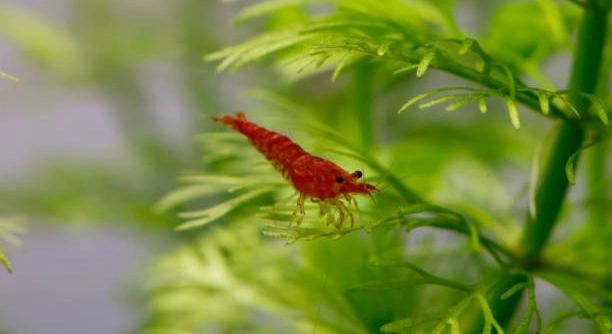
Have you ever watched your cherry shrimp swim in their tank and noticed them pausing in front of the glass? Observing these tiny creatures can spark curiosity about their awareness and interaction with their environment. Their behavior is often subtle but intriguing.
Cherry shrimp do not possess the cognitive ability to recognize their reflection. Their reactions to glass surfaces are typically responses to perceived obstacles or other shrimp, rather than self-awareness. This behavior is instinctual and driven by environmental cues rather than reflection recognition.
Understanding how these shrimp perceive their surroundings can help improve tank setups and care routines. Observing their interactions provides insights into their natural behaviors and daily habits.
How Cherry Shrimp React to Their Reflection
Cherry shrimp often approach glass surfaces with hesitation or curiosity, moving slowly and sometimes stopping abruptly. These movements are not signs of self-recognition but rather instinctual responses to objects in their environment. When a shrimp encounters its reflection, it may treat it as another shrimp, displaying cautious behavior or slight territorial actions. Their small size and delicate nature make them particularly sensitive to changes in their surroundings, and reflections can appear confusing. Observing this behavior over time can help aquarists understand patterns in feeding, swimming, and interaction. Recognizing that these responses are environmental rather than cognitive can guide better tank placement and decoration choices. Providing ample hiding spaces and ensuring a calm environment can reduce stress, making shrimp feel secure even when they encounter reflective surfaces. It is fascinating to notice these little reactions, which reveal a lot about their natural instincts and adaptive behaviors in captivity.
These reactions show that shrimp rely heavily on movement and visual cues. Their interaction with reflections is instinctive.
Watching these behaviors over weeks can be insightful. You start noticing how light angles, glass clarity, and nearby decorations affect movement. Shrimp may linger near reflections or avoid them entirely, depending on tank conditions and their mood. Some may become more active, mistaking their reflection for other shrimp, while others remain cautious. Patterns often emerge during feeding or cleaning times, showing consistent responses. Tracking these behaviors can improve your tank setup, as shrimp need both stimulation and security. Adjusting lighting, providing plants, and creating hiding spots can make them more comfortable, reducing stress and encouraging natural movement. Even small changes, like repositioning the tank or adding background color, influence how shrimp perceive reflections. Understanding these details helps create an environment that supports healthy, active shrimp while minimizing confusion from glass reflections.
Factors Influencing Reflection Responses
Size of the tank can affect how often shrimp notice their reflection. Smaller tanks increase the chance of interaction.
Light, angle, and tank decorations play a major role in shrimp responses to reflective surfaces. Reflections are more noticeable under bright light or clear water. Dark backgrounds or plants can reduce visual stress. Tankmates influence behavior as well; when other shrimp are present, interactions with reflections decrease. Additionally, water movement affects perception. Gentle currents may distract shrimp from noticing reflections, while still water makes reflections more prominent. Consistent observation helps in understanding these dynamics, allowing for adjustments to minimize unnecessary stress. Being aware of these factors is essential for maintaining shrimp health and promoting natural behaviors over time. Creating a balanced environment improves both visibility and well-being.
Signs of Stress in Cherry Shrimp
Shrimp may flick their bodies, swim erratically, or hide more than usual when stressed. These behaviors often increase near glass reflections or sudden movements in the tank, signaling that they feel threatened or uneasy.
Stress in cherry shrimp can result from several factors, including water quality, tank overcrowding, and constant exposure to reflections. Even small changes in temperature or pH can make shrimp skittish, causing them to avoid open spaces or hide in plants and decorations. Observing their regular patterns helps identify unusual behavior early. Reducing stress involves maintaining clean water, providing adequate hiding spots, and minimizing direct disturbances near the tank. Over time, shrimp will become more relaxed and resume natural swimming and feeding routines.
Reflection-induced stress is often temporary. Shrimp may initially react strongly to seeing themselves, mistaking their reflection for another shrimp. With consistent, calm tank conditions, they gradually become accustomed to reflections, showing less fear. Some shrimp may even explore the reflective areas without hesitation. Ensuring a balanced environment, including proper lighting and background elements, reduces the impact of reflective surfaces. Monitoring shrimp behavior regularly helps aquarists notice changes and adjust conditions promptly. Stress reduction not only improves shrimp activity but also supports overall health and breeding potential.
Managing Tank Environment for Calm Shrimp
Providing plants, hiding spaces, and gentle water flow helps reduce shrimp stress. These elements give them security and control over their surroundings.
Tank layout affects shrimp behavior significantly. Plants and decorations break up reflections and create safe zones, encouraging natural exploration. Gentle water currents reduce sudden movements that could startle shrimp. Keeping consistent light cycles also supports a calm environment, as abrupt brightness can trigger stress responses. Filtration and aeration systems should maintain clean water without creating strong turbulence, which can make shrimp anxious. Observing how shrimp interact with tank elements provides insights into what changes are beneficial. Adjustments like adding moss, caves, or background color can help them feel secure. A well-organized tank supports feeding, breeding, and active swimming behaviors.
Monitoring shrimp behavior over weeks highlights how environmental changes influence their reactions. Shrimp may explore new hiding spots or ignore reflective surfaces once they feel secure. Water parameters, such as temperature, pH, and ammonia levels, play a critical role in maintaining calm behavior. Tanks with proper plant coverage and minimal stressors promote natural activity patterns. Light intensity and placement affect how reflections are perceived, so dimmer or indirect lighting often reduces stress responses. Even slight rearrangements of decorations can help balance visibility and safety. Observing these interactions provides practical guidance for creating a supportive habitat that encourages shrimp health, active swimming, and consistent feeding habits.
Interaction with Tank Mates
Shrimp often rely on their tank mates to gauge safety. When other shrimp are active, they may feel more confident exploring reflective surfaces.
Aggressive or overly active tank mates can increase stress. In such cases, shrimp are more likely to hide or avoid reflections entirely.
Observing Natural Behaviors
Cherry shrimp spend much of their time grazing on biofilm, algae, and leftover food. Reflection exposure does not interfere with these activities if they feel secure. Observing natural behaviors helps understand their comfort levels and ensures that environmental adjustments support healthy routines, feeding, and movement patterns consistently over time.
Reducing Reflection Exposure
Placing backgrounds or plants near glass can help minimize reflection visibility. This simple adjustment encourages shrimp to explore without stress.
FAQ
Can cherry shrimp recognize themselves in a mirror?
No, cherry shrimp cannot recognize their own reflection. Their reactions to reflective surfaces are instinctual, often mistaking the reflection for another shrimp or an obstacle. These behaviors are based on environmental cues rather than self-awareness, which is common in many small aquatic invertebrates.
Why do my cherry shrimp react strongly to the glass?
Shrimp respond to reflections or movements near the glass as a perceived threat or intruder. They may flick their bodies, swim erratically, or retreat to hiding spots. Stress from repeated exposure can be minimized with plants, decorations, and gentle lighting.
Do reflections harm cherry shrimp?
Reflections themselves do not physically harm shrimp. However, constant stress caused by frequent or bright reflections can affect feeding, growth, and overall activity. Creating safe zones and breaking up reflective surfaces helps maintain calm and natural behavior.
How can I reduce stress from reflections?
Adding live plants, moss, or small decorations near glass surfaces reduces visibility of reflections. Backgrounds or subtle tank rearrangements can also help. Maintaining stable water conditions, proper lighting, and minimal sudden disturbances further ensures shrimp remain relaxed.
Do tank mates influence reflection responses?
Yes, tank mates play a role in shrimp behavior. Calm, active shrimp can encourage exploration, while aggressive or highly active tank mates may increase hiding and avoidance. Observing interactions helps determine if environmental adjustments are needed for a peaceful tank.
Will shrimp eventually get used to their reflection?
Over time, shrimp may become accustomed to seeing reflections, showing less fear or avoidance. Consistent calm tank conditions and minimal sudden changes allow shrimp to adapt and continue natural grazing and swimming behaviors without stress.
Does water clarity affect reflection behavior?
Clear water makes reflections more noticeable, which can trigger stronger reactions. Slightly filtered water or background plants reduce clarity of reflections, helping shrimp feel more secure and decreasing stress responses.
Can reflection stress affect shrimp health?
Yes, prolonged stress from reflections can reduce appetite, slow growth, and make shrimp more susceptible to disease. Minimizing stress with hiding spaces, stable water conditions, and careful tank setup supports healthy, active shrimp.
Should I remove glass decorations to prevent reflections?
Removing or repositioning reflective decorations can help, but it is often enough to add plants or backgrounds to break up reflective surfaces. This allows shrimp to explore freely while maintaining tank aesthetics and environmental enrichment.
Do different shrimp react differently to reflections?
Individual shrimp may vary in sensitivity. Some may cautiously explore reflective surfaces, while others avoid them completely. Observing each shrimp’s behavior allows adjustments to tank setup and lighting to accommodate their comfort levels.
How do light and reflection interact?
Bright lighting can enhance reflections, making shrimp more likely to react. Adjusting light intensity, using indirect lighting, or creating shaded areas reduces reflection prominence and helps shrimp remain calm during daily activity.
Can reflections interfere with feeding?
If reflections stress shrimp, they may hide or avoid certain areas, which can affect feeding patterns. Providing multiple feeding zones, hiding spots, and calm conditions encourages consistent feeding behavior even in reflective tanks.
Do reflections matter for breeding shrimp?
Stress from reflections can influence breeding behavior. Calm, low-stress environments improve mating activity and egg care. Ensuring hiding places, stable water parameters, and minimal disturbances supports reproduction and juvenile survival.
Are there signs my shrimp are stressed by reflections?
Erratic swimming, prolonged hiding, flicking, or decreased feeding are common stress indicators. Observing consistent patterns helps determine whether reflections or other environmental factors are the cause and guides adjustments.
Can I use background colors to reduce reflection issues?
Yes, darker or solid-colored backgrounds reduce reflection visibility. They create a sense of security, encouraging shrimp to explore and maintain natural grazing and swimming behaviors without unnecessary stress.
Do shrimp notice reflections at night?
Shrimp activity decreases in darkness, so reflections are less likely to affect them. Nighttime stress from reflections is minimal if tank lighting is dimmed or turned off during rest periods.
Will adding plants completely stop reflection reactions?
Plants reduce but may not completely eliminate reactions. They create safe zones and visual barriers, helping shrimp focus on natural behaviors rather than being startled by reflections, leading to calmer, more predictable activity.
How often should I monitor shrimp behavior regarding reflections?
Daily observation is recommended, especially after introducing new decorations or lighting. Tracking reactions over time helps identify stress patterns, allowing proactive adjustments to tank setup for optimal shrimp health and comfort.
Are some tank setups better for reducing reflection stress?
Yes, tanks with plenty of plants, hiding spots, gentle water flow, and subdued lighting tend to reduce reflection-related stress. Balanced layouts and consistent conditions help shrimp thrive, minimizing unnecessary reactions to glass or reflective surfaces.
Does shrimp color intensity affect reflection reactions?
Shrimp with brighter or more vivid coloration may react more to reflections, possibly mistaking their reflection for a rival. This behavior is instinctive and can be managed by providing hiding areas and reducing reflection visibility.
Cherry shrimp are small, delicate creatures with behaviors shaped largely by instinct rather than self-awareness. Their interactions with reflective surfaces, such as glass tank walls, are often misinterpreted as recognition, but they are simply responses to environmental cues. Observing how they pause, flick, or swim around a reflection gives insight into their natural instincts and survival mechanisms. Shrimp rely on movement, light, and environmental signals to navigate and assess safety, so what might look like curiosity or self-awareness is actually a careful evaluation of their surroundings. Over time, shrimp learn to coexist with reflections, adapting their behavior based on tank conditions, lighting, and the presence of other shrimp. These small reactions highlight how sensitive they are to changes in their environment and how carefully tank setups should be planned to support their well-being.
Managing a tank environment thoughtfully can greatly improve shrimp comfort and reduce stress responses. Providing plants, moss, and small hiding spots gives shrimp a sense of security, helping them feel safe even when reflections are present. Balanced lighting, gentle water flow, and stable water parameters all contribute to calm, natural behavior. Observing shrimp over time allows aquarists to notice patterns in movement, feeding, and interaction, which can indicate whether changes in tank setup are needed. Even minor adjustments, like adding a background, repositioning decorations, or softening light intensity, can significantly reduce the impact of reflections. The key is creating a habitat where shrimp can perform their natural behaviors without unnecessary stress or disturbance. This approach benefits not only their health but also their activity levels, feeding consistency, and overall longevity in captivity.
Finally, understanding cherry shrimp behavior requires patience and careful observation. They are not capable of recognizing themselves in reflections, yet their responses to these stimuli provide valuable information about their instincts and comfort levels. By maintaining a secure, well-structured tank, you allow shrimp to explore, feed, and interact naturally, without constant stress from reflections or environmental disturbances. Watching shrimp adapt and settle into their space can be rewarding, as it demonstrates how small changes can have a positive impact on their behavior. Taking the time to learn their cues, provide appropriate hiding areas, and monitor tank conditions ensures they thrive, making care more predictable and effective. Ultimately, supporting a calm and enriched environment helps shrimp maintain healthy routines, grow properly, and display their natural patterns, showing that attention to detail in habitat design is essential for their overall well-being.

Hello,
If you enjoy the content that we create, please consider saying a "Thank You!" by leaving a tip.
Every little bit helps us continue crafting quality advice that supports the health, happiness, and well-being of pets around the world, for pets of all shapes, sizes, and species.
We really appreciate the kindness and support that you show us!