
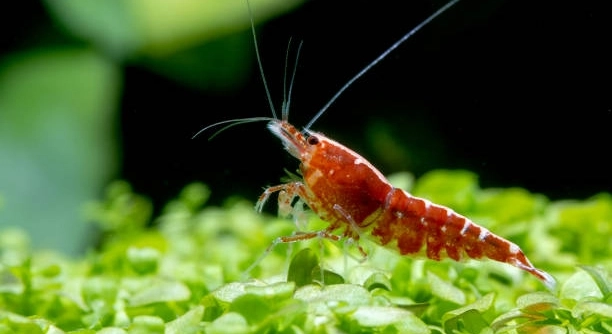
Have you ever watched shrimp move carefully among rocks and sand, stopping in certain spots longer than others? These little creatures seem to know where they feel comfortable, avoiding areas that feel unsafe. Their behavior is quiet but meaningful.
Shrimp have the ability to remember locations where they felt safe. Studies show that shrimp use spatial memory to navigate their environment and return to shelters, indicating that their experiences influence future choices and survival strategies.
Understanding how shrimp remember safe places can help us appreciate their behavior and how they interact with their surroundings in everyday life.
How Shrimp Learn Their Surroundings
Shrimp explore their habitats with careful attention. They use their senses to detect textures, light, and water currents. Over time, they learn which areas offer shelter and safety from predators. For example, rocks, coral, and seaweed often become familiar points of reference. Shrimp can remember these spots and return to them even after being displaced. Their learning is gradual, influenced by repeated experiences. Young shrimp start by following instinct but soon adapt based on what works best for their survival. Observing their movements, you notice patterns: they pause, retreat, or navigate around obstacles with precision. Their ability to recognize safe areas helps reduce stress and energy loss. This memory also allows them to explore efficiently without risking dangerous areas. Essentially, shrimp rely on past experiences to make better decisions.
Shrimp memory isn’t the same as ours, but it is strong enough to guide daily activities and protect them from threats.
This ability to remember safe spaces is vital for survival. Shrimp often inhabit regions with shifting currents or predators. By recalling which areas provide safety, they conserve energy and avoid unnecessary danger. Studies show that shrimp exposed to repeated threats will adapt quickly, often changing routes or hiding spots to reduce risk. Their brains, though tiny, manage spatial recognition, helping them map their surroundings effectively. In aquariums, shrimp also show preference for certain corners or decorations, further confirming their memory of safe places. Learning which spots feel secure allows shrimp to focus on feeding, mating, and growth. These behaviors demonstrate that even small creatures have complex interactions with their environment. Understanding how shrimp remember and respond to their surroundings helps in providing better care for them in captivity and supports research into animal cognition.
Shrimp and Shelter Preferences
Shrimp tend to choose hiding spots with protective cover and low exposure. They rely on familiar textures and shapes for comfort.
Their shelter choices depend on previous experiences. Shrimp often avoid open areas unless necessary. If they encounter a new space and it feels safe, they may return repeatedly, even when other options are available. Shelter provides not only protection from predators but also a sense of security that influences movement, feeding, and interactions with other shrimp. Observing shrimp in controlled environments shows they consistently prefer areas they recognize. Over time, they might expand their territory, but the initial spots remain favored. This pattern reflects the importance of memory in shaping behavior and survival strategies. By respecting these preferences in aquariums, caretakers can reduce stress and improve shrimp well-being, demonstrating the practical value of understanding their natural instincts.
Memory and Navigation
Shrimp use visual and chemical cues to navigate. They remember landmarks like rocks or plants and combine these with water currents to move efficiently through their habitat.
By recognizing familiar spots, shrimp reduce unnecessary movement and exposure to predators. Their navigation relies on repeated experiences, gradually forming a mental map of safe areas. Even small changes in their environment can affect their routes, showing that memory and adaptation are closely linked. Shrimp that are relocated often explore cautiously at first but soon find their way back to preferred spots. This balance between learning and instinct allows them to survive in complex environments. Over time, repeated exposure strengthens memory, helping them make quicker decisions and stay safe.
Memory also affects social interactions. Shrimp often share space with others, and remembering where others hide or feed helps them avoid conflict. They can track safe areas relative to companions, showing that their awareness extends beyond physical shelter. This combination of spatial memory and social awareness demonstrates the subtle intelligence shrimp use every day.
Environmental Impact on Memory
Shrimp memory is influenced by their surroundings, including light, water quality, and shelter availability. Changes can affect how well they remember safe spots.
Stressful conditions, like strong currents or overcrowding, can interfere with shrimp memory. When their environment is consistent and supportive, they quickly learn and recall safe areas. Researchers have found that shrimp exposed to stable habitats show more confident movements and better risk assessment. Introducing new elements gradually allows them to adapt without disorientation. In aquariums, providing varied textures and hiding spots improves their ability to explore safely. Memory is strongest when shrimp can link cues with outcomes, reinforcing survival behavior.
Environmental enrichment enhances memory and overall behavior. By simulating natural conditions, shrimp show more exploratory activity and return reliably to safe locations. Unstable environments, however, can confuse them and reduce confidence. For instance, removing familiar rocks or plants forces shrimp to relearn their surroundings, which can increase stress. Gradual changes and consistent cues strengthen their spatial awareness. Observing shrimp in enriched habitats highlights how memory supports survival, feeding efficiency, and social behavior. Maintaining an environment that balances safety and stimulation ensures shrimp can thrive while effectively using their memory to navigate daily life.
Learning Through Experience
Shrimp learn by repeating actions and observing outcomes. Safe spots become familiar through repeated visits, while unsafe areas are avoided after negative experiences.
They remember patterns in currents, textures, and obstacles. Over time, shrimp rely on these memories to navigate efficiently and reduce risk, showing consistent behavior linked to past experiences.
Social Influence on Memory
Shrimp also observe other shrimp to determine safety. Watching companions navigate the habitat helps them identify reliable shelters and avoid dangerous areas. Social cues reinforce memory, allowing them to adjust quickly to changes in their surroundings and coordinate movement without direct trial-and-error.
Recognizing Landmarks
Shrimp use visual and chemical landmarks to remember locations. Rocks, plants, and water patterns serve as guides to return to safe areas efficiently.
Adaptation Over Time
Shrimp adjust their behavior based on repeated exposure. Habitats that change slowly allow memory to form, while sudden disruptions can temporarily confuse them. Consistent cues strengthen their ability to locate safe spots and navigate effectively.
FAQ
Do shrimp really have memory?
Yes, shrimp do have memory, though it works differently from mammals. They rely on repeated experiences and environmental cues to remember locations that are safe. This memory helps them avoid predators and navigate efficiently, reducing stress and conserving energy. Observations in aquariums show that shrimp often return to the same hiding spots, indicating that they retain information about their surroundings over time. Their memory is closely tied to survival instincts and is reinforced every time they interact with familiar areas or encounter potential threats.
How long can shrimp remember safe spots?
Shrimp memory can last for several days to weeks, depending on the stability of their environment. In controlled studies, shrimp that were removed from a shelter often returned to the same location after a few days. Consistent cues like rocks, plants, or certain water conditions help reinforce memory. Sudden changes in the habitat may temporarily confuse them, but gradual exposure allows them to relearn and adapt. This shows that their memory is flexible, supporting both survival and exploration.
Do shrimp use landmarks to navigate?
Yes, landmarks play a key role in how shrimp navigate. They use visual markers like rocks and plants, as well as chemical signals in the water, to recognize safe zones. These references help them move efficiently, avoid hazards, and locate shelters without needing to test every area. Landmark recognition improves with experience, and shrimp become more confident in familiar environments. In aquariums, providing varied textures and structures allows them to build strong spatial memory.
Can shrimp remember social interactions?
Shrimp do appear to learn from observing others. Watching companions navigate the habitat helps them identify safe areas more quickly. Social cues reinforce spatial memory, especially in environments where shelters are limited. Shrimp can adjust behavior based on the actions of other shrimp, avoiding areas that others have deemed risky. This combination of individual memory and social observation supports their ability to survive in both natural and artificial habitats.
Does stress affect shrimp memory?
Yes, stress can interfere with shrimp memory. Strong currents, overcrowding, or sudden environmental changes may confuse them and make it harder to recall safe spots. A stable and enriched environment strengthens memory, while constant stress can reduce confidence in navigation. Providing familiar landmarks and gentle conditions helps shrimp retain knowledge of their surroundings and navigate efficiently.
How do shrimp learn new safe areas?
Shrimp learn new safe areas gradually. They explore cautiously, testing textures, water currents, and hiding spots. If an area is deemed safe, they return repeatedly, reinforcing memory. Observing shrimp in enriched habitats shows that they can expand their territory over time while still relying on previously learned locations. Their learning is a combination of trial-and-error, environmental cues, and observation of companions.
Why is understanding shrimp memory important?
Knowing how shrimp remember safe spots helps improve their care in captivity. Providing consistent landmarks, hiding spots, and stable conditions reduces stress and encourages natural behavior. It also supports research into animal cognition, showing that even small invertebrates have complex memory and learning abilities. Recognizing their needs ensures they thrive and navigate their habitats effectively.
Can shrimp forget safe spots?
Shrimp can forget areas if their environment changes drastically or if they are removed for long periods. Memory is reinforced through repeated exposure, so consistent conditions help them retain knowledge. Gradual changes in habitat allow them to relearn safe zones without excessive stress. This shows that memory is adaptable but dependent on experience and environmental stability.
Do all shrimp species have the same memory abilities?
Memory abilities vary by species. Some shrimp are more active and exploratory, while others are more cautious and rely heavily on landmarks. Environmental demands, predator presence, and social behavior influence how memory develops and is used. Studying different species highlights variations in spatial recognition and learning strategies.
How can I observe shrimp memory at home?
You can watch shrimp in aquariums to see memory in action. Notice which areas they prefer for hiding, feeding, or resting. Over time, observe if they return to the same spots after rearranging decorations. Providing landmarks and consistent conditions helps them form strong spatial memory, making their behavior more predictable and easier to study.
Do shrimp remember unsafe areas too?
Yes, shrimp remember areas associated with danger. Avoiding zones with predators, strong currents, or poor shelter is a survival mechanism. This negative memory complements their knowledge of safe spots, helping them make decisions quickly and reduce risk. Over time, this balance of positive and negative memory guides movement and exploration effectively.
Can memory influence shrimp feeding habits?
Memory affects where shrimp feel comfortable feeding. They often eat near shelters or familiar landmarks to stay protected while foraging. Remembering these safe feeding areas reduces stress and allows them to focus on nutrition rather than constant vigilance. Repeated exposure reinforces these patterns, showing how memory supports both survival and daily activity.
How do researchers test shrimp memory?
Researchers use mazes, shelters, and landmarks in controlled settings to test shrimp memory. They track whether shrimp return to familiar areas, avoid unsafe zones, or adjust routes after changes. Observing repeated behaviors, navigation efficiency, and response to new stimuli helps determine how well shrimp retain and use spatial information.
Does age affect shrimp memory?
Younger shrimp rely more on instinct but quickly learn safe areas through exploration. Older shrimp tend to remember locations more reliably and navigate with confidence. Experience reinforces memory, and repeated exposure allows older shrimp to optimize their movements while avoiding risk. Age and experience together enhance spatial awareness and survival strategies.
Are there limits to shrimp memory?
Shrimp memory is effective for survival but has limits. They may struggle with rapidly changing environments or very large territories. Memory is strongest when cues are consistent, repeated, and linked to outcomes. Environmental stability and repeated exposure help shrimp overcome these limits, allowing them to navigate safely and efficiently.
Shrimp are much more aware of their surroundings than most people assume. They do not rely solely on instinct; they learn from experiences and adapt to changes in their habitat. By repeatedly visiting safe spots and avoiding dangerous areas, shrimp develop a sense of which places offer protection and comfort. Even though their brains are tiny, they are capable of remembering textures, landmarks, and water currents, which allows them to move efficiently and avoid unnecessary risks. Over time, this memory becomes stronger, guiding their daily behavior and improving their chances of survival. Observing shrimp in both natural habitats and aquariums shows that they often return to the same hiding places and preferred areas, confirming that past experiences strongly influence their actions. Their memory helps them balance exploration and caution, ensuring they can feed, rest, and interact with others safely.
The way shrimp remember safe spaces is not limited to physical locations. They also take cues from their environment and the behavior of other shrimp. Watching companions navigate the habitat teaches them which areas are safe and which should be avoided. Social observation and spatial memory work together to help shrimp adapt to new conditions while minimizing exposure to danger. When conditions change gradually, shrimp adjust without significant stress, using their memory to find shelter and maintain routines. Stressful or sudden changes, such as strong currents or removal from familiar areas, can interfere with memory temporarily, but shrimp are resilient and often regain confidence once stability returns. This ability to remember and adapt demonstrates that even small invertebrates have complex strategies for survival that rely on learning and experience rather than instinct alone.
Understanding shrimp memory also has practical benefits, especially for keeping them in aquariums. Providing consistent landmarks, hiding spots, and stable conditions allows them to form strong spatial memory and display natural behavior. Shrimp are more confident when they can rely on familiar surroundings, and their movements become predictable, which makes care easier. Environments that simulate natural habitats, with varied textures and safe spaces, support memory formation and reduce stress, encouraging exploration and feeding. Studying how shrimp remember safe areas also gives insight into animal cognition, showing that memory and learning are important even in small creatures. Paying attention to these behaviors not only improves shrimp welfare but also highlights how adaptive and intelligent these tiny animals truly are, revealing the remarkable ways they interact with their environment every day.

Hello,
If you enjoy the content that we create, please consider saying a "Thank You!" by leaving a tip.
Every little bit helps us continue crafting quality advice that supports the health, happiness, and well-being of pets around the world, for pets of all shapes, sizes, and species.
We really appreciate the kindness and support that you show us!