Why Cherry Shrimp Sometimes Sit on Plant Roots
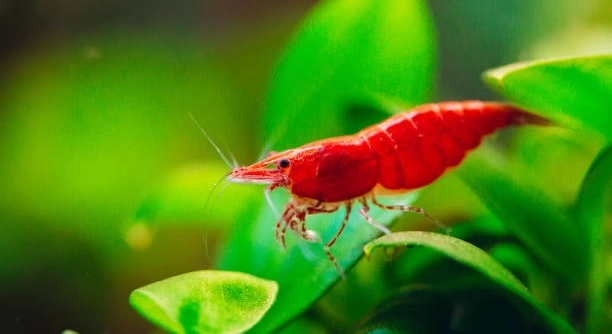
Do your cherry shrimp often rest on the roots of your aquarium plants? You may notice them perched quietly, seemingly doing nothing. This behavior is quite common and can reflect several natural habits of these small, colorful creatures. Cherry shrimp sit on plant roots primarily for safety, feeding, and environmental comfort. Roots offer a secure … Read more
Do Cherry Shrimp Prefer Filtered or Still Water?

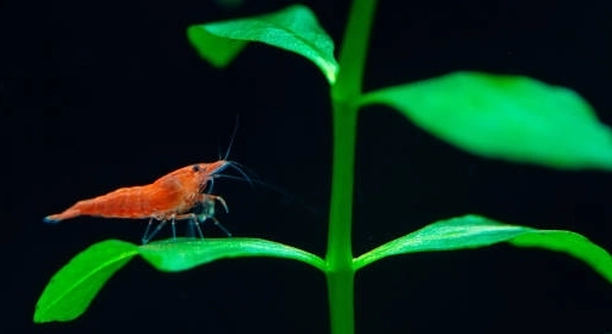
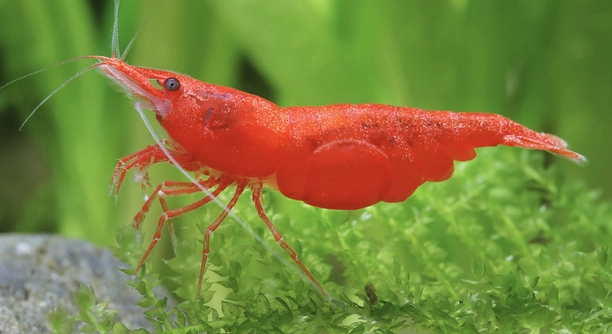
Cherry shrimp are small, colorful freshwater creatures that have become popular in home aquariums. Many hobbyists enjoy watching their delicate movements and vibrant hues while learning how to provide the best environment for them. Cherry shrimp thrive in gently filtered water rather than completely still water. Filtered water helps maintain oxygen levels, removes waste and … Read more

7 Reasons Why Your Cherry Shrimp May Not Grow

Are your cherry shrimp not growing as expected despite your care and attention? Many hobbyists experience slow or stunted growth, which can be frustrating. Understanding the underlying causes can help you create a healthier environment for your shrimp. Cherry shrimp may fail to grow due to a variety of factors including inadequate nutrition, poor water … Read more

Can Cherry Shrimp Recognize Consistent Feeding?

Cherry shrimp are small, colorful freshwater creatures that brighten home aquariums. Their active nature and delicate size make feeding routines both a responsibility and a point of fascination for many shrimp keepers. Observing their behavior can be rewarding. Cherry shrimp are capable of recognizing consistent feeding patterns. They learn to associate specific times or locations … Read more

7 Shrimp Behaviors That Signal Something’s Off

Shrimp are fascinating creatures that display a variety of behaviors in their tanks. Observing their actions closely can help you understand their health and wellbeing. Even small changes can indicate that something is not right. Shrimp may exhibit irregular swimming, lethargy, loss of appetite, unusual coloration, excessive hiding, or constant molting as signs of stress, … Read more

Why Shrimp Might Flee When You Add New Food

Do you ever notice your shrimp scattering when you add new food to their tank? Even small changes in their environment can trigger sudden movements, making it seem like they are avoiding the food altogether. Shrimp often flee when new food is introduced due to stress or perceived threats. Changes in smell, texture, or sudden … Read more

Do Cherry Shrimp Care About Plant Variety?

Do you enjoy keeping a vibrant aquarium and watching your cherry shrimp explore their environment? Cherry shrimp are small, active creatures that interact with plants, hiding among leaves and grazing on surfaces throughout the tank. Cherry shrimp do not require a wide variety of plant species to thrive. While plant density and structure provide hiding … Read more

7 Natural Tank Items That Boost Shrimp Activity

Do your shrimp seem less active than usual in your tank? Many hobbyists notice that even healthy shrimp can slow down without proper stimulation in their environment. Small adjustments can make a noticeable difference in their behavior. Adding natural items to a shrimp tank can significantly enhance activity levels. Elements such as moss, driftwood, and … Read more

Do Cherry Shrimp Like to Play? (What Science Says)

Cherry shrimp are small freshwater creatures that brighten home aquariums with their vivid red color. Many hobbyists enjoy watching their movements and interactions, noticing playful-like behavior even in these tiny, delicate animals. Observing them can feel calming. Scientific research indicates that cherry shrimp do not engage in play in the same way mammals or birds … Read more

Why Are Cherry Shrimp All Avoiding the Light?

Cherry shrimp are tiny, vibrant creatures that bring life to freshwater tanks. Their behavior can be fascinating, yet sometimes puzzling. Many shrimp seem to hide away whenever the light is turned on, avoiding bright areas altogether. Cherry shrimp naturally avoid strong light because it exposes them to potential predators and environmental stress. Their instinct drives … Read more