
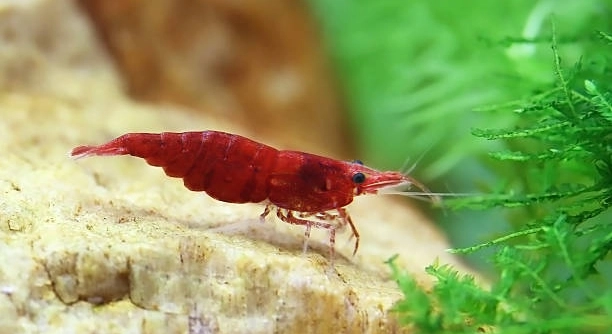
Shrimp are fascinating creatures that display a variety of behaviors in their tanks. Observing their actions closely can help you understand their health and wellbeing. Even small changes can indicate that something is not right.
Shrimp may exhibit irregular swimming, lethargy, loss of appetite, unusual coloration, excessive hiding, or constant molting as signs of stress, illness, or suboptimal water conditions. Recognizing these behaviors early is essential for maintaining a healthy aquatic environment.
Knowing what to watch for can prevent serious health issues and improve the overall quality of life for your shrimp.
Erratic Swimming Patterns
Shrimp normally move smoothly across the tank, exploring and feeding without sudden jerks. When you notice erratic swimming, such as rapid darting, spinning, or bumping into objects, it often signals stress or discomfort. Changes in water temperature, poor water quality, or an incompatible tank mate can provoke this behavior. Observing your shrimp daily can help you detect these subtle differences early. Sometimes the behavior is temporary, caused by minor water fluctuations, but prolonged erratic movement suggests a deeper problem. Addressing water conditions, filtration, and tank mates promptly can prevent injury or disease. Feeding patterns may also influence activity. Overfeeding or underfeeding can result in erratic swimming as shrimp search for food or react to hunger. Keeping a stable routine, maintaining proper water parameters, and monitoring tank dynamics supports their health. Regular testing of ammonia, nitrite, and nitrate levels is essential to reduce stress.
Erratic swimming can indicate water stress, hunger, or irritation. Quick action can prevent more serious health issues.
Keeping shrimp in a well-maintained environment with stable conditions encourages calm and consistent movement. Observing tank mates’ interactions and adjusting feeding routines helps reduce stress. Maintaining a clean habitat and checking water parameters weekly ensures shrimp remain healthy and active. Behavioral changes can often be corrected quickly with attentive care, which improves overall longevity and comfort.
Loss of Appetite
Shrimp with a sudden drop in eating habits may be responding to water quality changes, illness, or stress from tank mates.
Loss of appetite is a serious sign and should not be ignored. Observing feeding patterns closely can indicate underlying issues such as bacterial infections or nutrient deficiencies.
Shrimp rely on a balanced diet to maintain health and vibrant coloration. If they stop eating, it can quickly lead to weakness and susceptibility to disease. Water conditions are a common factor, as high ammonia or nitrite levels can make shrimp stop feeding. Stress from aggressive tank mates or overcrowding may also reduce appetite. Adjusting water parameters, ensuring proper filtration, and removing aggressive tank mates can encourage normal feeding. Providing a variety of foods, including algae, blanched vegetables, and commercial shrimp pellets, supports nutritional needs. Monitoring shrimp during feeding times helps identify specific individuals struggling to eat. Prompt action improves their chances of recovery and prevents further complications.
Unusual Color Changes
Shrimp that suddenly lose or change their color may be reacting to stress, illness, or poor water conditions. Color fading or darkening often signals that something in their environment is off.
Color changes in shrimp can indicate several issues. Poor water quality, including incorrect pH, high ammonia, or fluctuating temperatures, can cause stress that impacts coloration. Nutritional deficiencies, especially lack of carotenoids, may result in paler shells. Disease or parasites can also alter their natural color. Observing the timing and pattern of the change helps identify the cause. For example, fading that coincides with molting cycles may be normal, while persistent darkening or blotches suggests illness. Maintaining stable water parameters, a varied diet, and a clean tank reduces the likelihood of these changes and supports overall health.
Adjusting the tank environment can help shrimp regain normal coloration. Regular water testing and feeding a nutrient-rich diet address common causes of color changes. Removing stressed or aggressive tank mates also helps maintain their natural appearance.
Excessive Hiding
Shrimp that hide constantly may be stressed, unwell, or uncomfortable in their habitat. This behavior reduces their activity and limits feeding opportunities.
Persistent hiding is often caused by water quality issues, aggressive tank mates, or inadequate hiding spots. While shrimp naturally seek shelter during molting, continuous seclusion is a warning sign. Monitoring water parameters like ammonia, nitrite, and nitrate levels is essential. Aggression from fish or other shrimp can create constant stress, prompting retreat. Providing sufficient hiding places, such as plants, rocks, or shrimp tubes, encourages natural behavior. Observation during feeding helps determine if the shrimp are eating properly despite hiding. Addressing environmental stressors allows shrimp to feel secure, return to normal activity, and maintain health.
Creating a balanced habitat with stable conditions and ample shelters encourages shrimp to explore the tank. Combining proper diet, clean water, and reduced stress ensures they spend more time active and less time hiding.
Constant Molting
Excessive molting in shrimp can indicate stress, poor water quality, or dietary deficiencies. While molting is natural, repeated or irregular molting often signals an underlying problem that needs attention.
Providing adequate calcium and minerals, along with stable water parameters, helps prevent excessive molting. Adjusting diet and monitoring tank conditions ensures shrimp regain balance and reduce stress-related molting behaviors.
Lethargy
Shrimp that remain inactive for long periods may be experiencing stress, illness, or poor water conditions.
Lethargy can stem from low oxygen levels, high ammonia, or inappropriate temperature. Weak or sick shrimp often show reduced movement and fail to feed. Observing water quality and tank dynamics is essential for recovery. Maintaining proper conditions restores energy and activity.
Aggressive Behavior
Shrimp that become unusually aggressive may be competing for food, territory, or reacting to stress from their environment.
FAQ
Why is my shrimp swimming erratically?
Erratic swimming usually indicates stress, poor water quality, or sudden changes in the tank. High ammonia, nitrite spikes, or inappropriate temperature can make shrimp move unpredictably. Overcrowding or aggressive tank mates also trigger this behavior. Adjusting water parameters and monitoring tank dynamics often restores normal movement.
What causes shrimp to lose their appetite?
Loss of appetite can result from water quality issues, illness, stress, or improper diet. Shrimp may stop eating if ammonia or nitrite levels are high, or if they are being bullied by tank mates. Ensuring clean water, proper feeding routines, and a calm environment encourages normal eating behavior.
Why is my shrimp changing color?
Color changes often signal stress, poor diet, or disease. Fading may occur due to low carotenoid intake, while blotches or darkening can indicate bacterial or parasitic infections. Maintaining stable water parameters, providing a nutrient-rich diet, and observing molting cycles helps identify the cause.
How can I prevent excessive hiding?
Shrimp hide when stressed, threatened, or uncomfortable. Inadequate shelter or aggressive tank mates can increase hiding. Adding plants, rocks, or shrimp tubes creates secure spaces, while addressing water quality issues and reducing tank aggression encourages shrimp to explore and feed normally.
Is constant molting dangerous for shrimp?
Molting is natural, but excessive or irregular molting suggests stress or mineral deficiencies. High stress from poor water conditions or diet can weaken the exoskeleton and increase susceptibility to disease. Ensuring proper calcium levels, stable water, and a nutritious diet helps shrimp molt safely.
Why are my shrimp lethargic?
Lethargy often points to low oxygen, poor water quality, or illness. Weak shrimp move little and may ignore food. Regular testing of ammonia, nitrites, and nitrates, along with maintaining appropriate temperature and oxygen levels, helps restore energy and normal activity.
What triggers aggressive behavior in shrimp?
Aggression may stem from competition over food, territory, or stress. Overcrowding or incompatible tank mates can escalate fighting. Providing enough hiding spaces and maintaining a balanced population reduces aggression. Observing interactions allows intervention if dominant shrimp stress others.
How do I know if water quality is affecting my shrimp?
Water quality directly impacts behavior. Signs include erratic swimming, hiding, color changes, loss of appetite, or lethargy. Regularly test ammonia, nitrite, nitrate, pH, and temperature. Correct imbalances promptly to prevent illness and ensure shrimp remain active and healthy.
Can diet improve shrimp health and behavior?
A balanced diet supports molting, coloration, and overall vitality. Shrimp require proteins, minerals, and carotenoids. Offering a mix of blanched vegetables, algae, and commercial pellets ensures nutritional needs are met. Proper feeding routines also reduce stress and encourage normal behavior.
How quickly should I act if I notice unusual behavior?
Immediate attention is important. Shrimp can deteriorate quickly if water quality or health issues persist. Observe closely, test water parameters, and address diet or environmental stressors without delay. Early intervention increases the chance of recovery and long-term health.
Can tank mates affect shrimp behavior?
Yes, aggressive or larger tank mates can stress shrimp, causing hiding, lethargy, or erratic swimming. Ensure compatible species and provide plenty of shelters to reduce interactions that provoke stress. Monitoring behavior helps maintain a calm and healthy tank environment.
Is it normal for shrimp to hide during molting?
Yes, temporary hiding during molting is natural. Shrimp seek shelter to protect their soft exoskeleton. However, constant hiding outside of molting periods signals stress or environmental issues. Adjusting tank conditions and ensuring sufficient shelters helps them return to normal activity.
How often should I check shrimp behavior?
Daily observation is ideal. Noticing subtle changes early helps prevent serious issues. Watching feeding habits, swimming patterns, coloration, and interactions allows prompt action if any behavior indicates stress, illness, or water problems.
What are the signs of illness in shrimp?
Common indicators include loss of appetite, lethargy, color changes, erratic swimming, excessive hiding, and unusual molting. Combined with poor water conditions, these signs suggest bacterial, parasitic, or fungal infections. Early detection and corrective measures improve recovery chances.
Can environmental changes affect shrimp behavior?
Yes, sudden temperature shifts, water parameter changes, or new tank decorations can stress shrimp. Introducing changes gradually and monitoring reactions ensures they adapt without displaying signs of distress or abnormal behavior.
How do I encourage shrimp to be more active?
Provide a balanced diet, stable water parameters, and a calm environment. Adequate hiding spots, compatible tank mates, and regular feeding routines help shrimp feel secure, encouraging exploration and natural activity throughout the tank.
What should I do if multiple shrimp show unusual behavior at once?
This often indicates a tank-wide issue, such as water quality problems or disease. Test parameters immediately, adjust as needed, and isolate affected shrimp if possible. Ensuring clean water, proper diet, and a stress-free environment supports recovery for all individuals.
How important is tank maintenance for shrimp behavior?
Tank maintenance is critical. Regular water changes, cleaning, and monitoring of parameters prevent stress, disease, and behavioral issues. Consistent care ensures shrimp remain healthy, active, and display natural behaviors without prolonged hiding, lethargy, or molting problems.
Can temperature fluctuations harm shrimp?
Yes, abrupt or extreme changes in temperature can stress shrimp, leading to erratic movement, hiding, or loss of appetite. Maintaining a stable, appropriate temperature range is essential to support metabolic functions, molting, and overall health.
How long does it take for shrimp to recover from stress?
Recovery time depends on the cause and severity. Minor stress may resolve in a few days once water quality, diet, and tank conditions are corrected. Severe or prolonged stress may take longer, and some shrimp may remain sensitive to environmental changes for weeks.
What is the best way to monitor shrimp behavior?
Daily observation during feeding and regular visual checks are effective. Note swimming patterns, appetite, interactions, hiding habits, and coloration. Keeping a brief log of changes helps identify trends and allows for prompt corrective action.
How do I prevent recurring behavioral issues?
Consistently maintaining water quality, providing a balanced diet, ensuring enough shelters, and keeping compatible tank mates reduces the risk of recurring problems. Monitoring behavior and addressing stressors early keeps shrimp healthy and active over time.
Why do some shrimp suddenly stop interacting with the group?
Isolation can occur due to stress, illness, or aggression from tank mates. Observing water quality, diet, and social dynamics helps determine the cause. Ensuring a calm environment and adequate shelters encourages reintegration and restores normal social behavior.
What are early signs of stress in shrimp?
Early signs include minor hiding, reduced activity, slight color changes, or slower feeding. Noticing these behaviors early allows corrective action before more serious health problems develop. Stable conditions, proper nutrition, and gentle tank management reduce stress levels.
Can overfeeding affect shrimp behavior?
Yes, excess food can pollute water, leading to ammonia spikes and poor conditions. Overfeeding also encourages competition, causing stress and aggression. Proper portion control and routine feeding help maintain water quality and minimize behavioral issues.
How can I tell if shrimp are comfortable in their tank?
Active swimming, regular feeding, normal molting, natural coloration, and limited hiding indicate comfort. Observing these behaviors consistently shows that water parameters, diet, and tank dynamics meet their needs.
What should I do if water tests show high ammonia?
Immediate water changes and adjusting filtration are necessary. High ammonia is toxic and stresses shrimp, causing abnormal behavior. Reducing waste, avoiding overfeeding, and stabilizing water conditions help restore a safe environment and normal behavior patterns.
How do I manage aggressive shrimp interactions?
Provide ample shelters, reduce overcrowding, and separate aggressive individuals if necessary. Observing behavior and ensuring enough space and resources minimizes stress and maintains a peaceful tank dynamic.
Can illness spread quickly among shrimp?
Yes, bacterial or parasitic infections can spread if not addressed. Quarantine new additions, maintain clean water, and monitor for early signs. Prompt intervention reduces transmission and supports overall tank health.
How important is observation for long-term shrimp health?
Regular observation is key. Identifying subtle changes early prevents serious health issues. Monitoring behavior, molting, feeding, and interactions ensures that shrimp remain healthy, active, and comfortable in their environment.
Shrimp are small but sensitive creatures that rely heavily on their environment to stay healthy. Observing their behavior regularly can provide valuable insight into their wellbeing. Changes in swimming patterns, appetite, coloration, or activity levels often indicate that something in their tank is off. Maintaining clean water, stable parameters, and a balanced diet is essential to prevent stress and illness. Even minor adjustments, like adding more hiding spots or ensuring compatible tank mates, can make a noticeable difference in how your shrimp behave. Paying attention to these details helps create a comfortable and safe environment where they can thrive naturally.
Proper care involves a consistent routine and proactive monitoring. Checking water parameters such as ammonia, nitrite, nitrate, and pH on a regular schedule ensures that the tank remains within safe limits. Observing shrimp during feeding allows you to notice changes in appetite or energy, which are often the first signs of a problem. Providing a varied diet with essential nutrients supports molting, coloration, and overall health. Additionally, understanding shrimp behavior patterns helps distinguish between normal activity and signs of stress or illness. Early detection and intervention improve their chances of recovery and prevent long-term health issues.
Creating a stable and supportive environment ultimately benefits both the shrimp and the tank ecosystem. Shrimp that are active, colorful, and engaged indicate that conditions are suitable and that their needs are being met. Minimizing sudden changes, avoiding overfeeding, and addressing aggressive interactions all contribute to a healthier tank. Observing their behavior is not just about identifying problems but also about ensuring their long-term wellbeing. By maintaining careful attention and consistent care, you can help your shrimp live a full, healthy life while enjoying a balanced and vibrant tank environment.

Hello,
If you enjoy the content that we create, please consider saying a "Thank You!" by leaving a tip.
Every little bit helps us continue crafting quality advice that supports the health, happiness, and well-being of pets around the world, for pets of all shapes, sizes, and species.
We really appreciate the kindness and support that you show us!