
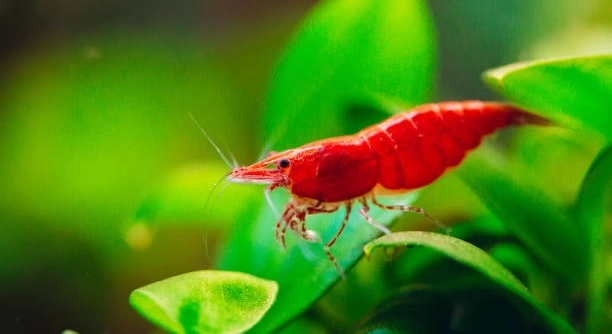
Cherry shrimp are tiny, vibrant creatures that bring life to freshwater tanks. Their behavior can be fascinating, yet sometimes puzzling. Many shrimp seem to hide away whenever the light is turned on, avoiding bright areas altogether.
Cherry shrimp naturally avoid strong light because it exposes them to potential predators and environmental stress. Their instinct drives them to seek shaded or covered areas where they feel safe, ensuring their survival and promoting healthy, comfortable living conditions.
Understanding this behavior can improve your tank setup. Adjusting light levels and providing hiding spots can help your shrimp feel secure and thrive in their environment.
The Role of Light in Cherry Shrimp Behavior
Cherry shrimp are highly sensitive to light. Bright, direct lighting can stress them, causing them to hide or cling to shaded areas. In natural settings, they would use plants, rocks, or debris for cover, avoiding open, illuminated spaces. Too much light can lead to fatigue, irregular feeding, and even color fading, as their bodies respond to prolonged exposure. Observing your shrimp during the day can reveal their preferences for dimmer areas or spots with natural shelter. Adjusting aquarium lighting gradually rather than suddenly can reduce stress and encourage normal behavior. Tank plants, moss, or decorations that create shaded zones give them places to feel secure. Using a timer for lights helps maintain consistent day-night cycles, mimicking natural conditions. Light intensity and duration are key factors in shrimp health. By monitoring their reactions and adapting your setup, you can create an environment that keeps them active, vibrant, and comfortable.
Gradually dimming lights in the tank reduces stress and supports natural behavior, helping shrimp feel safe and thrive consistently.
Creating shaded areas with plants and decorations encourages exploration while providing refuge. Providing a mix of light and shadow lets shrimp adjust naturally, promoting normal activity patterns. Careful placement of ornaments can help manage exposure and reduce sudden stress. Monitoring shrimp responses allows fine-tuning of tank conditions, ensuring long-term health and comfort.
Environmental Factors That Influence Hiding
Water quality has a strong impact on shrimp behavior. Poor parameters, like fluctuating pH or high ammonia, can make them seek shelter more often.
Stable water conditions are essential for cherry shrimp. Regular testing and maintenance prevent stress from harmful chemicals or sudden changes. Temperature should remain within their preferred range, avoiding extreme highs or lows. Adequate filtration ensures clean water without creating strong currents that could disrupt their comfort. Gentle water flow and consistent oxygenation support natural activity. A well-balanced diet complements environmental stability, maintaining strength and coloration. Substrate choice matters, as shrimp often forage among plants and gravel; fine substrates encourage natural behaviors without trapping debris. Providing adequate hiding spots, combined with stable conditions, creates a calm, secure environment. Observing shrimp during feeding and light changes can indicate stress or comfort levels. Adjustments in tank setup, feeding routines, or plant density help them adapt. Over time, a balanced environment reduces constant hiding, allowing shrimp to display natural behaviors, color vibrancy, and active foraging without unnecessary stress or fatigue.
Adjusting Aquarium Lighting
Lowering light intensity helps shrimp feel secure. Using dimmable lights or placing them further from the tank surface can reduce stress and encourage natural behavior.
Timing the light cycle is important. Cherry shrimp respond best to gradual transitions rather than sudden changes. Turning lights on and off abruptly can startle them and cause them to hide. Using a timer ensures a consistent day-night cycle, allowing shrimp to become accustomed to regular patterns. Positioning plants or moss near light sources creates shaded areas, giving them refuge when the tank is bright. Gradual acclimation to stronger lighting can also help shrimp explore without fear. Observing their activity helps fine-tune light settings, balancing visibility and comfort.
In addition, reflective surfaces should be minimized, as they can amplify light intensity unexpectedly. Avoid placing the tank in direct sunlight, which can overheat water and create harsh illumination. Combining stable lighting with plants, hiding spots, and gentle water flow fosters a calm environment. This approach helps maintain vibrant coloration, encourages feeding, and supports natural movement throughout the tank, reducing constant hiding behavior and overall stress for the shrimp.
Providing Adequate Hiding Spots
Dense vegetation and decorative elements give shrimp safe places to retreat, reducing stress from exposure to light and potential disturbances.
Using moss, plants, rocks, or driftwood provides both cover and surfaces for foraging. Cherry shrimp naturally explore these areas, grazing on biofilm and algae while remaining partially hidden. Adding small caves or tunnels creates microhabitats that cater to their instinctual need for shelter. The distribution of hiding spots across the tank ensures all shrimp can access refuge, especially during high activity periods or feeding times. Observation helps determine whether certain areas are overcrowded or underutilized, guiding rearrangement for optimal comfort. This setup promotes a balanced environment, allowing shrimp to maintain natural behaviors, color vibrancy, and active exploration without prolonged stress or constant retreat.
Feeding and Activity Patterns
Cherry shrimp often feed during low light or shaded periods. They feel safer foraging when the environment is dim, reducing stress from sudden exposure.
Providing small, frequent meals encourages natural grazing habits. Overfeeding can lead to water quality issues, which also affects their comfort and activity levels.
Water Temperature and Comfort
Maintaining a stable temperature between 72°F and 78°F supports normal shrimp behavior. Sudden fluctuations can cause hiding, lethargy, or stress, reducing overall activity. Proper temperature management ensures shrimp remain active and healthy, supporting growth, coloration, and regular feeding habits.
Observing Behavior Changes
Changes in hiding frequency can indicate environmental stress. Monitoring shrimp responses helps identify and address potential issues before they impact health or activity.
FAQ
Why do cherry shrimp hide all the time?
Cherry shrimp hide mainly for safety. In bright or exposed areas, they feel vulnerable. Providing shaded zones, plants, moss, or decorations allows them to retreat without stress. Hiding frequently is natural and helps them avoid potential threats in their environment.
Can too much light harm my shrimp?
Yes, intense or prolonged lighting can stress cherry shrimp. Stress may lead to reduced activity, faded colors, or irregular feeding. Using dimmable lights, timers, and shaded areas ensures a more comfortable environment while allowing them to explore safely. Gradual adjustments prevent sudden discomfort.
How can I encourage shrimp to come out more often?
Gradual changes in lighting and consistent day-night cycles help shrimp feel secure. Adding hiding spots near light sources gives them options to venture out while still feeling protected. Observing their reactions and adjusting light intensity can increase visible activity over time.
Does water quality affect hiding behavior?
Absolutely. Poor water conditions, including high ammonia, nitrites, or unstable pH, make shrimp seek refuge more frequently. Regular water testing, partial water changes, and gentle filtration reduce stress, promoting confidence and natural behavior throughout the tank.
Is temperature important for their activity?
Yes. Cherry shrimp thrive between 72°F and 78°F. Sudden drops or spikes can cause them to hide or become sluggish. Consistent temperature supports feeding, movement, and molting. Using a reliable heater or thermometer ensures stability for a comfortable habitat.
Do decorations really help reduce hiding?
They do. Plants, moss, driftwood, and rocks provide shaded areas that make shrimp feel safe. Hiding spots encourage natural foraging behavior while minimizing stress from bright lighting or sudden movements near the tank. Strategic placement ensures all shrimp can access refuge when needed.
Can overcrowding make shrimp hide more?
Yes, too many shrimp in a small tank can increase stress and hiding. Overcrowding limits access to hiding spots and can create competition for food. Ensuring proper population density and enough shelter keeps shrimp calm and encourages healthy activity.
Does feeding schedule influence visibility?
Feeding patterns affect when shrimp emerge. They tend to forage during low light or quiet periods. Small, frequent meals mimic natural conditions and prevent overfeeding, supporting active grazing while reducing stress and hiding behavior.
How can I tell if hiding is normal or a problem?
Occasional hiding is normal, but constant retreat may signal stress from lighting, water quality, temperature, or overcrowding. Observing patterns and adjusting tank conditions can help determine if intervention is needed to maintain their health and activity.
Will shrimp become accustomed to light over time?
Yes, gradual exposure helps them adapt. Starting with dim light and slowly increasing intensity allows shrimp to explore without panic. Combined with plenty of cover, they can become more visible while still having safe areas to retreat.
Does tank placement affect hiding behavior?
Placement near windows or bright areas can increase hiding due to sudden sunlight or reflections. Positioning the tank in a stable location with controlled lighting reduces stress and encourages normal behavior.
Are some shrimp more shy than others?
Individual temperament varies. Some cherry shrimp are naturally more cautious. Providing consistent conditions, shaded areas, and gentle handling helps even shy shrimp feel secure and display natural behaviors without excessive hiding.
Can stress from other tank inhabitants cause hiding?
Yes. Fish or larger tank mates may intimidate shrimp, leading them to retreat more frequently. Ensuring compatible species and plenty of hiding spaces minimizes stress and allows shrimp to move freely and forage safely.
How long can shrimp stay hidden without issues?
Occasional hiding is safe, but prolonged concealment can reduce feeding and slow growth. Consistent monitoring and proper tank conditions ensure shrimp remain healthy even if they spend time in shaded areas.
What is the best way to balance light and hiding spots?
Provide a mix of bright and shaded areas. Use plants, moss, and decorations near light sources so shrimp can choose where they feel comfortable. Gradual light changes and careful observation help maintain a healthy balance of visibility and security.
Does hiding affect shrimp molting?
Yes, hiding is important during molting. Shrimp retreat to safe spaces to protect themselves while shedding exoskeletons. Without adequate hiding spots, they may experience stress, increasing vulnerability and slowing recovery after molting.
Are there signs of stress besides hiding?
Other signs include color fading, lethargy, erratic swimming, or reduced feeding. Addressing water quality, light intensity, temperature, and available cover can help reduce stress and restore normal behavior.
How often should I check on hiding behavior?
Daily observation helps track shrimp activity and comfort levels. Consistent monitoring allows timely adjustments to light, temperature, or hiding spots, ensuring a stable environment that encourages natural behavior.
Can I train shrimp to feel safe in open areas?
Gradual exposure to light and consistent, low-stress feeding routines encourage shrimp to explore. Over time, they can become more comfortable in open spaces while still using shelters when needed.
Does water flow impact hiding?
Strong currents may push shrimp into hiding. Gentle, consistent flow encourages exploration and feeding without causing stress. Proper filter placement and adjustment help balance oxygenation and comfort.
Are all hiding spots equally effective?
Not always. Shrimp prefer areas that feel secure and allow easy escape. Dense moss, caves, and plant clusters are more effective than open or flat decorations. Observing shrimp choices helps optimize placement for comfort and natural behavior.
Do young shrimp hide more than adults?
Juveniles often hide more for safety until they grow and gain confidence. Providing plenty of cover ensures survival and encourages gradual exploration as they mature.
Can lighting color affect hiding?
Yes. Red or softer spectrum lights are less stressful than bright white or blue lights. Using appropriate light colors combined with shaded areas reduces hiding while supporting natural behavior.
Does the size of the tank matter?
Smaller tanks with limited hiding spots increase stress and hiding. Larger tanks with evenly distributed shelter allow shrimp to feel secure while exploring, promoting active feeding and social behavior.
How do I know if hiding is linked to illness?
Sudden, excessive hiding along with color loss, lethargy, or unusual swimming may indicate illness. Check water quality and observe symptoms to determine whether medical intervention is needed.
Can decorations create too much hiding?
Yes, excessive cover can reduce visible activity and make observation difficult. A balance of open areas and shaded spots ensures shrimp feel safe while remaining active and healthy.
What is the ideal light schedule for cherry shrimp?
A consistent 8–10 hour day and 14–16 hour night cycle works well. Gradual transitions and timed lighting help shrimp adjust naturally while maintaining normal activity and minimizing stress.
How important is plant choice for hiding?
Dense, fine-leaved plants provide excellent cover. Mosses, ferns, and carpeting plants allow shrimp to hide while grazing. Plant selection affects comfort, foraging behavior, and overall tank health.
Do shrimp prefer natural light over artificial light?
They adapt better to stable artificial lighting. Direct sunlight can overheat the tank and create harsh conditions, while controlled artificial lighting supports consistent behavior and comfort.
Can frequent tank maintenance stress shrimp?
Yes, sudden movements, water changes, or rearranging decorations can increase hiding. Gentle handling, partial water changes, and minimal disturbance reduce stress and maintain regular activity patterns.
How do I know if hiding is improving?
Increased visibility during feeding, gradual exploration of open areas, and regular foraging indicate shrimp feel secure. Observation over time helps assess whether tank adjustments are effective.
Does group behavior influence hiding?
Shrimp often mirror each other’s actions. If a few hide, others may follow. Providing multiple hiding areas and balanced light reduces herd stress and encourages individual exploration.
Can feeding different foods affect hiding?
Varied diet encourages foraging and reduces boredom, making shrimp more likely to venture out. Algae wafers, blanched vegetables, and biofilm supplements support health while promoting visible activity.
How long should I wait after adjusting lighting to see results?
Shrimp usually adapt over several days to a week. Gradual changes and observation ensure they become comfortable without prolonged stress or excessive hiding.
Does hiding change with seasons?
Indoor tanks with stable conditions minimize seasonal impact. However, slight temperature or light fluctuations may cause temporary hiding increases, which normalize once conditions stabilize.
Are there signs that hiding is no longer a concern?
Regular foraging, color vibrancy, active swimming, and balanced use of hiding spots indicate shrimp are comfortable and stress levels are low. Consistent behavior over time confirms stability.
How do I combine all factors to reduce hiding?
Balanced lighting, stable water conditions, gentle water flow, adequate hiding spots, proper feeding, and consistent temperature together create a secure, comfortable environment. Monitoring shrimp reactions and making small adjustments ensures minimal hiding and promotes natural, healthy behavior.
Final Thoughts
Cherry shrimp are small, delicate creatures that rely heavily on their environment to feel safe and secure. Their tendency to hide from light is natural and instinctive, rooted in survival behavior. In the wild, they would seek shelter from predators and harsh conditions, and this instinct carries over into aquariums. By observing how your shrimp respond to lighting, water conditions, and tank layout, you can create a space that meets their needs while allowing them to display natural behaviors. Hiding is not always a problem; it is a sign that your shrimp are following their instincts and protecting themselves from potential stressors in their environment. Paying attention to these behaviors can provide insight into their comfort levels and overall health, allowing you to make informed adjustments to the tank.
Lighting plays a critical role in shaping shrimp behavior. Bright or intense lights can make them retreat to shaded areas or decorations, while dimmer, gradual lighting encourages exploration. Incorporating plants, moss, and hiding spots in different areas of the tank gives them a sense of security and control over their environment. Timed lighting, along with careful positioning of fixtures, helps maintain consistent day-night cycles that mimic natural conditions. Adjusting light intensity slowly over time allows shrimp to become accustomed to brighter areas without stress. Additionally, reflective surfaces and direct sunlight should be avoided, as they can unexpectedly increase brightness and cause sudden hiding. Combining appropriate lighting with adequate cover ensures shrimp feel comfortable while encouraging normal activity, feeding, and social interaction. Observing their patterns over time can guide adjustments, helping you balance visibility and safety effectively.
Water quality, temperature, and tank layout are equally important for creating a comfortable habitat. Maintaining stable parameters, including pH, ammonia, and temperature, reduces stress and keeps shrimp active. Adequate filtration, gentle water flow, and regular maintenance support a clean and calm environment. The presence of multiple hiding spots allows shrimp to feel secure while still being able to forage and interact with other shrimp. Overcrowding should be avoided, as it can limit access to shelter and increase competition, leading to excessive hiding. Feeding small, frequent meals encourages natural grazing habits while preventing water quality issues. Observing shrimp behavior during feeding and light transitions helps determine if adjustments are needed to improve comfort. By combining stable environmental conditions, thoughtful tank design, and careful observation, shrimp can thrive with minimal stress, displaying vibrant colors, active behavior, and healthy growth while using hiding spots naturally and effectively.

Hello,
If you enjoy the content that we create, please consider saying a "Thank You!" by leaving a tip.
Every little bit helps us continue crafting quality advice that supports the health, happiness, and well-being of pets around the world, for pets of all shapes, sizes, and species.
We really appreciate the kindness and support that you show us!