
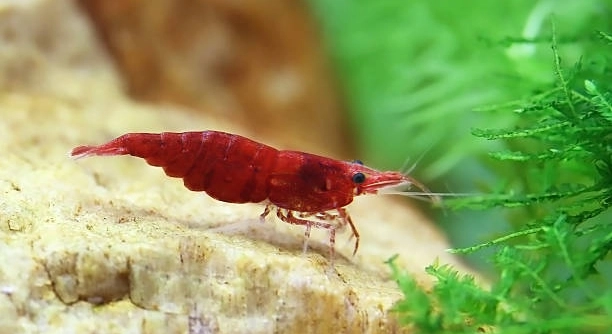
Cherry shrimp are small freshwater creatures that brighten home aquariums with their vivid red color. Many hobbyists enjoy watching their movements and interactions, noticing playful-like behavior even in these tiny, delicate animals. Observing them can feel calming.
Scientific research indicates that cherry shrimp do not engage in play in the same way mammals or birds do. Their movements are primarily driven by foraging, reproduction, and environmental exploration, rather than cognitive play or entertainment.
Learning how cherry shrimp behave can improve aquarium care and provide insight into their natural habits and social interactions.
Understanding Cherry Shrimp Behavior
Cherry shrimp spend most of their time exploring their environment, searching for food, and avoiding threats. Their tiny movements, like hopping or climbing on plants, can look playful, but they are mostly survival behaviors. Watching them interact with each other can be fascinating, especially when they clean surfaces or nibble on algae. These activities are important for maintaining a healthy aquarium ecosystem. Shrimp are naturally curious, so they will investigate anything new in their tank. Observing these patterns can help you notice changes in their health or environment. For example, a shrimp that stops moving or hiding more than usual may be stressed or sick. Providing varied plants, hiding spots, and proper water conditions supports their natural behaviors. Over time, you may start to recognize individual shrimp habits and personalities. Even though they do not play like larger animals, their movements are interesting and engaging to watch, adding life and activity to your aquarium.
Cherry shrimp activity mostly revolves around survival, not entertainment, showing instinctive responses rather than true play behavior.
Spending time observing them helps you understand their needs. You can adjust feeding, tank layout, and water quality based on their actions. When shrimp forage actively, it indicates comfort. If they hide constantly, the environment may be stressful. Recognizing these subtle behaviors ensures they remain healthy and active, which benefits both the shrimp and your enjoyment of the tank.
Signs of Healthy Interaction
Active shrimp often climb, graze, and interact with each other in non-aggressive ways. These interactions signal good health and comfort in their habitat.
Healthy cherry shrimp move with purpose, using antennae to explore surfaces and plants. They forage in groups without conflict, showing a level of social tolerance. Young shrimp may hide more, while adults are more visible, often sharing space with others. Observing feeding habits can reveal dominance patterns or preferences, such as who gets to graze on algae first. Environmental factors like temperature, pH, and tank cleanliness directly influence these behaviors. A well-maintained tank encourages natural movements and interactions, while poor conditions can suppress activity or increase stress. By learning to read these behaviors, caretakers can respond proactively. Adjusting light, adding hiding spots, or providing more food may restore normal activity. Understanding shrimp communication, even in subtle gestures, helps ensure they thrive and maintain balance in the aquarium. Regular observation becomes a tool for predicting health issues early, making shrimp care more effective and rewarding.
Cherry Shrimp and Environmental Enrichment
Providing plants, moss, and small hiding spots encourages natural exploration. Shrimp use these features for grazing and shelter. Enrichment does not make them play but allows them to express instinctive behaviors. A well-arranged tank keeps them active and reduces stress levels.
Environmental enrichment improves overall shrimp activity and health. When moss, driftwood, and live plants are added, shrimp spend more time moving, grazing, and interacting with surfaces. They climb on plants, hide under leaves, and sift through substrate. These behaviors resemble curiosity-driven movement, though they are instinctive. Changes in enrichment can alter how much shrimp move or interact. Lack of variety can lead to reduced activity or prolonged hiding. Observing responses to different tank setups helps you understand preferences and comfort levels. Rotating decorations or introducing new surfaces encourages consistent activity and natural behaviors without causing harm. The right environment is essential for healthy, visible shrimp that engage with their habitat.
Shrimp respond to light and water flow as part of environmental interaction. Adjusting lighting cycles and moderate currents can stimulate natural movement patterns. Observing how shrimp react shows their comfort and activity levels. Careful attention to these details ensures a stable, active aquarium environment.
Feeding and Activity Levels
Food type and feeding schedule directly affect shrimp movement. Active shrimp often forage immediately after feeding. Healthy shrimp show energy during these periods.
Feeding habits reveal much about shrimp health and activity. They search for algae, biofilm, and supplementary food, often moving across multiple tank areas. Uneaten food can change behavior, sometimes causing more hiding or reduced exploration. Feeding small amounts frequently encourages consistent movement and grazing. High-quality food rich in nutrients supports growth, molting, and color intensity. Observing which shrimp eat first and how quickly they gather provides insight into social behavior and health. Adjusting feeding based on activity patterns ensures they receive enough nutrition without polluting the tank. A predictable feeding routine creates stability while maintaining active, visible shrimp. Understanding these habits helps maintain both individual and group health over time.
Social Behavior in Cherry Shrimp
Cherry shrimp often gather in small groups while grazing or exploring. Their interactions are generally non-aggressive, with occasional brief contact. Social grouping provides safety and encourages natural movement within the tank.
Observing shrimp in groups can help identify normal versus stressed behavior. Active social shrimp move confidently, while isolated or inactive shrimp may indicate discomfort or illness.
Molting and Activity Changes
Molting is a critical process for growth, causing temporary changes in activity. Shrimp may hide more before and after shedding their exoskeleton. During this time, they are vulnerable and reduce movement to recover safely.
Environmental Stress Factors
Temperature fluctuations, poor water quality, or sudden changes in light can reduce shrimp activity. Maintaining stable conditions supports consistent behavior and overall health.
Breeding and Movement Patterns
Breeding behavior increases movement as males search for females. Females carrying eggs may slow down, staying in sheltered areas until hatching occurs.
FAQ
Do cherry shrimp need toys or objects to “play”?
Cherry shrimp do not play in the way mammals or birds do. Objects in the tank, such as moss, plants, and small decorations, are not for entertainment but provide surfaces for grazing and hiding. These items help shrimp feel secure and encourage natural movement.
Why do cherry shrimp climb plants and decorations so often?
Climbing is part of their normal exploratory and foraging behavior. Shrimp use their antennae and legs to navigate surfaces, looking for algae, biofilm, or food particles. This behavior can appear playful, but it is driven by survival instincts. Observing climbing patterns can indicate comfort levels in the tank.
How can I tell if my shrimp are active and healthy?
Active shrimp will move consistently, forage across multiple surfaces, and interact with other shrimp without aggression. Healthy shrimp often display vibrant color, regular molting, and a steady appetite. Reduced movement or constant hiding may signal stress, illness, or poor water conditions that need attention.
Do cherry shrimp interact with each other socially?
Yes, they do interact, but these interactions are usually about grazing, territory, or reproduction rather than play. Shrimp tolerate each other in small groups, sometimes briefly touching or following one another, which helps maintain social balance and reduces stress.
Does the tank environment affect shrimp activity?
Absolutely. Light cycles, water flow, temperature, and decorations influence shrimp movement. Stable water parameters and a well-planted tank encourage natural behaviors. Sudden changes in environment, such as shifting decorations or lighting, may cause shrimp to hide or reduce activity temporarily.
Will cherry shrimp explore new objects in the tank?
Shrimp are naturally curious and will investigate new surfaces, plants, or decorations. This exploration is not play but a search for food or shelter. Providing varied textures and hiding spots keeps them active and can improve overall health.
How does molting affect their behavior?
During molting, shrimp become vulnerable and hide more frequently. They may reduce activity for a few hours or days until their new exoskeleton hardens. Providing hiding spots helps prevent injury and stress during this critical process.
Do cherry shrimp show signs of stress through movement?
Yes. Stress from poor water quality, temperature changes, or overcrowding can cause shrimp to hide, move erratically, or stop foraging. Observing changes in normal movement patterns is important to identify problems and adjust tank conditions accordingly.
Does feeding influence activity levels?
Yes, feeding encourages foraging and movement. Shrimp actively search for food like algae wafers or blanched vegetables. Smaller, frequent feedings can keep shrimp consistently active and reduce competition or stress during feeding times.
Can cherry shrimp recognize their owners or react to presence?
Shrimp do not recognize humans in the way pets like cats or dogs do. However, they may react to vibrations or movement near the tank, often by retreating or exploring cautiously. This is instinctive rather than social recognition.
How does breeding affect shrimp behavior?
Males become more active when searching for females, while females carrying eggs may slow down and hide. Observing these patterns helps understand reproductive health and timing, which is important for managing tank populations.
Are there signs that indicate shrimp are happy in their environment?
Active grazing, climbing, consistent molting, and vibrant coloration all indicate that shrimp are comfortable. Lack of hiding, regular social tolerance, and balanced feeding response further reflect a healthy, stable tank environment.
Can tank decorations replace natural food sources?
Decorations themselves do not provide nutrition, but surfaces like moss and driftwood support biofilm growth, which shrimp eat. These additions enhance activity and foraging opportunities but do not replace a proper diet of algae, prepared foods, or vegetables.
How often should I check on shrimp activity?
Regular observation, even for a few minutes daily, is sufficient to monitor health. Noting changes in movement, hiding, or interactions helps catch stress or illness early and ensures the tank remains stable and supportive for shrimp behavior.
Do shrimp ever play with each other like fish sometimes do?
No, shrimp do not engage in play with each other. Their movements and interactions are driven by foraging, reproduction, and safety instincts. What appears playful is simply natural exploration or social tolerance within the tank environment.
Can environmental enrichment improve shrimp lifespan?
While enrichment does not provide entertainment, it encourages activity, reduces stress, and supports molting and foraging. A well-structured tank with hiding spots, plants, and varied surfaces can help maintain overall shrimp health and longevity.
How can I encourage active behavior without stressing shrimp?
Provide stable water conditions, proper diet, gentle water flow, and varied surfaces for exploration. Avoid sudden changes in light, temperature, or tank layout. Observing natural responses and gradually introducing adjustments supports healthy, active shrimp behavior without stress.
Is it normal for some shrimp to be less active than others?
Yes, differences in age, size, or molting stage affect activity. Younger shrimp may hide more, while older shrimp are more visible. Monitoring individual patterns helps ensure all shrimp are healthy and receiving appropriate care.
Do shrimp react differently to live plants versus artificial decorations?
Live plants provide surfaces for grazing, hiding, and exploration, which encourages more consistent movement. Artificial decorations may offer shelter but typically lack biofilm growth, reducing natural foraging behavior. A combination of both supports active and healthy shrimp behavior.
Can light and temperature cycles influence shrimp activity?
Yes. Shrimp are more active during consistent light and temperature conditions. Abrupt changes can cause stress or hiding, while stable cycles encourage predictable foraging, exploration, and social interactions. Proper lighting and temperature management are key for a healthy, active aquarium.
This FAQ provides detailed insight into cherry shrimp behavior, highlighting that their apparent “playfulness” is instinctive and strongly influenced by environment, diet, and social interactions. Observing these patterns helps ensure they remain active and healthy.
Cherry shrimp are fascinating creatures, even though they do not play in the way larger animals do. Their movements and interactions are driven mostly by instinct, survival, and environmental conditions. Watching them forage, climb, and explore can feel engaging, but these behaviors are naturally occurring rather than playful. They respond to food, light, water conditions, and other shrimp, showing patterns that indicate comfort or stress. Observing these patterns over time can give caretakers insight into the health and wellbeing of their shrimp. When shrimp are active, grazing, and interacting without hiding constantly, it usually means the tank environment is suitable and the shrimp feel secure. On the other hand, sudden reductions in movement or changes in color can signal that adjustments are needed, such as improving water quality, providing additional hiding spots, or checking temperature and pH levels.
Providing a well-structured tank can help shrimp express their natural behaviors. Adding moss, live plants, driftwood, and small decorations encourages climbing, grazing, and exploration. These objects are not meant to entertain the shrimp, but they create surfaces for biofilm and algae growth, which shrimp feed on. Hiding spots also reduce stress, especially during molting or when shrimp feel threatened. Water quality plays a major role in shrimp activity. Stable temperature, gentle water flow, and clean, well-filtered water keep shrimp moving and healthy. Feeding habits also influence activity levels; small, frequent feedings encourage foraging and reduce competition. Watching how shrimp respond to these environmental factors helps caretakers maintain a balanced aquarium. Over time, you can observe patterns in individual shrimp behavior, noticing which areas of the tank they prefer or which decorations they climb most often. This understanding can guide future tank adjustments to support long-term health and activity.
It is important to accept that cherry shrimp are small, instinct-driven animals with limited cognitive behavior. What may appear as playful interactions are better understood as natural responses to food, safety, or exploration. Recognizing this helps set realistic expectations for care and observation. Focusing on providing a stable, enriched, and clean environment is the best way to support active and healthy shrimp. Regular observation is key, noting changes in movement, color, and social behavior. By paying attention to these details, shrimp owners can ensure their pets thrive and display natural behaviors consistently. Even without “play” in the traditional sense, cherry shrimp provide engaging and dynamic activity in an aquarium, creating an environment that is both lively and rewarding to maintain. Proper care, consistent monitoring, and thoughtful tank design allow shrimp to express instinctive behaviors, helping them stay active, healthy, and visually vibrant for years.

Hello,
If you enjoy the content that we create, please consider saying a "Thank You!" by leaving a tip.
Every little bit helps us continue crafting quality advice that supports the health, happiness, and well-being of pets around the world, for pets of all shapes, sizes, and species.
We really appreciate the kindness and support that you show us!