
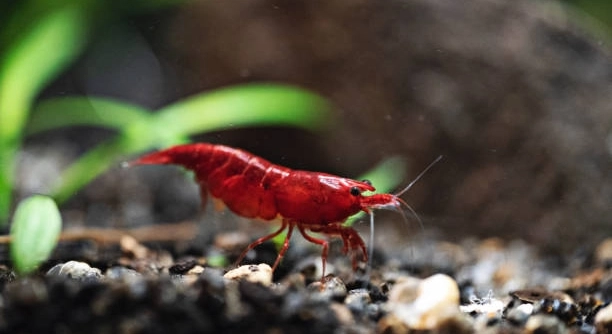
Cherry shrimp are small, colorful freshwater creatures that brighten home aquariums. Their active nature and delicate size make feeding routines both a responsibility and a point of fascination for many shrimp keepers. Observing their behavior can be rewarding.
Cherry shrimp are capable of recognizing consistent feeding patterns. They learn to associate specific times or locations with food availability. This behavior is driven by their instinctive responses and memory, allowing them to anticipate feeding and adjust their activity accordingly.
Understanding this behavior can improve your care routine and promote healthier, more active shrimp in your aquarium environment.
Observing Feeding Patterns
Cherry shrimp quickly adapt to regular feeding schedules. I noticed that over a few days, they would gather near the feeding area even before food was added. This behavior suggests they remember both the timing and location of meals. Consistency helps reduce stress, as the shrimp know when to expect food. Sudden changes in feeding times can make them more hesitant or less active. It’s interesting to watch their small movements and see how they react when they sense food approaching. Over time, the shrimp become more confident, moving toward the feeding spot without hesitation. This also allows for easier monitoring of their health, as active, responsive shrimp are often healthier. Providing small, frequent feedings seems to strengthen their memory and routine. Maintaining clean water and observing their activity levels ensures they remain healthy and engaged. The shrimp’s behavior shows that even tiny creatures benefit from predictability.
Regular feeding patterns improve shrimp activity and overall aquarium health. Consistency strengthens their routine.
By maintaining a predictable schedule, shrimp can anticipate meals and stay more active. They learn quickly, which also aids in detecting early signs of stress or illness. Over time, these habits make feeding easier and more enjoyable.
Types of Food and Recognition
Different foods affect shrimp behavior in subtle ways.
Cherry shrimp react strongly to foods with a scent or texture they prefer. Leafy greens, algae wafers, and shrimp pellets each trigger different responses. Observing which foods they approach first shows their preferences. Food consistency matters, as familiar options are easier for shrimp to recognize and remember. Introducing new foods gradually helps prevent stress or disinterest. Some shrimp may ignore unfamiliar items initially but adapt over several days. This process also highlights their ability to associate certain smells and textures with feeding times. Watching them explore, nibble, and remember favored foods can be surprisingly engaging. Their responsiveness indicates that they are learning from experience. Pairing favorite foods with feeding schedules can enhance their anticipation and activity levels. Offering variety while keeping some consistency ensures they stay healthy and stimulated. Careful observation can reveal much about their habits, memory, and preferences.
Timing and Anticipation
Cherry shrimp quickly learn when food will appear. They become more active as feeding time approaches, moving toward the familiar spot. Their anticipation is subtle but noticeable, showing that timing consistency plays a role in their daily behavior.
This behavior develops over several days of regular feeding. I observed that shrimp would linger near the feeding area minutes before food was added. Even small changes in timing affected their activity, with delayed feedings causing hesitation or slower movements. Their ability to anticipate meals indicates a basic memory function. Consistent feeding not only encourages predictable activity but also strengthens their overall health. By following a regular schedule, the shrimp remain alert and engaged.
The anticipation is also influenced by the environment. Clear sightlines to the feeding area, minimal distractions, and stable tank conditions help shrimp remember feeding times. Over time, the combination of timing and environment reinforces their behavior.
Environmental Cues
Shrimp rely on visual and spatial cues to recognize feeding times. They learn to associate specific areas of the tank with food delivery, responding even if timing slightly varies.
Environmental factors, like decorations, hiding spots, and water flow, affect their recognition. I noticed that shrimp would swim toward the same corner or substrate spot where food is usually added. They use consistent landmarks to navigate and locate food efficiently. Changes in the layout can initially confuse them, slowing their response. Over a few days, they adapt and form new associations, demonstrating flexibility. Maintaining stable conditions enhances learning and anticipation. Environmental cues work alongside timing to reinforce feeding recognition, making daily routines smoother for both the shrimp and caretaker.
Learning Through Repetition
Cherry shrimp respond strongly to repeated feeding patterns. Over time, they remember both timing and location, which reduces stress and encourages activity. Repetition reinforces memory and makes daily care more predictable.
Their ability to learn through repetition is subtle but consistent. I noticed shrimp becoming faster and more confident in approaching food after just a few days. This learning process highlights their memory capacity and adaptability within the tank environment.
Recognizing Caretaker Cues
Shrimp can associate specific movements or actions with feeding. They learn to respond when they see familiar gestures near the tank. This recognition shows that they are observant and capable of simple learning behaviors.
Impact on Health and Behavior
Consistent feeding habits improve overall shrimp well-being. Regular meals support energy levels, encourage natural activity, and reduce stress. Shrimp that anticipate feeding are more active, explore their environment, and interact with each other more confidently, indicating stronger health and vitality.
Adapting to Changes
Cherry shrimp can adjust to minor changes in schedule or food type. Gradual transitions help maintain their routine and minimize stress, allowing them to remain active and healthy.
FAQ
Can cherry shrimp really remember feeding times?
Yes, cherry shrimp can remember feeding times when a consistent schedule is maintained. I observed that after a few days of feeding at the same time, shrimp would gather near the food area before meals. This shows they can anticipate feeding and adjust their activity accordingly. Their memory is simple but reliable, and maintaining predictability helps reduce stress while encouraging natural behaviors.
How long does it take for them to recognize a routine?
Recognition usually develops within a few days to a week. In my experience, shrimp begin responding noticeably after three or four feedings at a consistent time and location. They start showing anticipation, moving toward the feeding area as if they understand when food will appear. Regularity is key, and even slight delays initially cause minor hesitation, but they quickly adapt to the routine.
Do environmental cues affect their recognition?
Absolutely. Cherry shrimp use visual landmarks and spatial cues to locate food. Decorations, substrate, and hiding spots all influence how quickly they identify feeding areas. I found that shrimp tend to approach the same corner or surface where food is regularly added. Changing the layout temporarily slows their response, but they adapt within a few days. Stable conditions reinforce learning and improve their ability to anticipate meals.
Does the type of food impact their learning?
Yes, food type affects recognition. Shrimp respond faster to familiar or preferred foods such as algae wafers, pellets, or blanched vegetables. I noticed that introducing new foods gradually prevents hesitation or disinterest. Once they associate the new item with feeding, anticipation resumes. Consistency in type, texture, and smell helps strengthen memory, while variety keeps them stimulated and engaged.
Can shrimp recognize the caretaker feeding them?
Yes, they can. Cherry shrimp can associate human movements near the tank with food. In my observations, they become more alert when I approach and move in familiar ways, indicating recognition. This awareness demonstrates their ability to link actions with outcomes, which complements their memory of feeding schedules and environmental cues.
What happens if feeding times are inconsistent?
Inconsistent feeding can confuse shrimp and reduce activity. I noticed that when meals were delayed or given at irregular times, shrimp hesitated or moved less toward the feeding area. Stress levels may rise slightly, and overall behavior becomes less predictable. Regular feeding helps maintain activity levels, reinforces memory, and promotes better health overall.
Do shrimp forget if a routine is interrupted?
Short interruptions usually do not cause permanent memory loss. Cherry shrimp quickly resume anticipation once feeding resumes at consistent times. In my experience, even after a two-day break, they returned to their usual behavior and approached the feeding area promptly. Long-term gaps may require a few days to fully restore the routine, but their learning ability is resilient.
How does consistent feeding benefit health?
Consistent feeding improves energy, activity, and stress management. I observed that shrimp on a regular schedule were more active, explored their environment more, and showed stronger social interactions. Predictable meals support metabolism and encourage natural behaviors, leading to healthier, more vibrant shrimp. This consistency also makes it easier to monitor health and detect early signs of issues.
Can feeding routines help with breeding?
Yes, maintaining a reliable feeding routine can support breeding. Healthy, active shrimp with consistent nutrition are more likely to reproduce successfully. In my observations, shrimp that anticipate meals are more energetic, which contributes to mating behaviors and overall tank vitality. Regular feeding ensures they receive adequate nutrition to sustain reproduction.
Is it possible to train shrimp to feed in a specific area?
Yes, cherry shrimp can learn to feed in a designated area using repetition and consistent placement. I noticed that placing food in the same spot repeatedly encouraged shrimp to focus there. Over time, they anticipate meals and converge on the chosen location. Environmental stability, along with a reliable schedule, strengthens this behavior and makes feeding more organized.
How do I maintain a feeding routine for shrimp?
Choose consistent times and stick to them, using the same food and location when possible. Observe their behavior to gauge readiness and adjust gradually if needed. I found that minor variations do not disrupt routine, but frequent changes reduce predictability. Combining timing, food consistency, and environmental cues ensures shrimp maintain their memory and stay healthy.
Can shrimp anticipate food even without seeing it?
Yes, they rely on memory and subtle cues like vibrations or caretaker movements. I noticed shrimp becoming more active near feeding time even before the food appeared, suggesting anticipation. Their behavior shows a combination of learned timing and recognition of environmental and human-associated signals, demonstrating surprising adaptability for their size.
Does tank size influence their ability to recognize feeding?
Tank size can affect recognition speed. In smaller tanks, shrimp locate food quickly due to shorter distances and fewer distractions. Larger tanks may require more time for shrimp to associate feeding areas, but consistent placement and timing allow them to adapt effectively. I observed that even in larger setups, shrimp eventually learned to anticipate feeding reliably.
Are all shrimp equally good at recognizing feeding routines?
Individual differences exist. Some shrimp are quicker to learn and more active, while others are slower or more cautious. I noticed that personality and age influence response times, but most adapt to consistent routines within days. Patience and observation help ensure that all shrimp benefit from structured feeding schedules.
What are common mistakes when establishing a feeding routine?
Common mistakes include changing times frequently, switching food abruptly, or ignoring environmental cues. I found that inconsistent schedules confuse shrimp and reduce their anticipation. Overfeeding or underfeeding can also disrupt behavior. Consistency, small meals, and gradual transitions help establish a reliable routine and support overall health.
How can I observe their recognition effectively?
Watch for increased activity near feeding times, grouping near the usual feeding spot, and quicker responses to familiar cues. I found that careful observation over several days reveals patterns, showing when shrimp anticipate meals and how environmental or schedule changes affect them. These insights guide better care and feeding practices.
Final Thoughts
Cherry shrimp are more observant and responsive than many people realize. Their ability to recognize consistent feeding schedules shows that even small creatures have simple forms of memory and learning. Over time, these shrimp begin to anticipate meals, gathering near the feeding area before food is even added. This behavior highlights the importance of predictability in their daily care. Maintaining regular feeding times not only encourages activity but also reduces stress, allowing shrimp to behave naturally and stay healthy. In my experience, observing this anticipation is satisfying and shows that consistent care has a noticeable effect on their behavior. Small changes in feeding routines can disrupt this rhythm, so patience and attention to timing are essential. Even minor adjustments in food type or location can influence how quickly shrimp recognize their meals, reinforcing the need for consistency. By focusing on stable schedules and environmental cues, it becomes easier to support their health and observe natural behaviors.
Feeding is not only about nutrition but also about creating a predictable environment. Cherry shrimp respond well to repetition and familiarity, which reinforces their ability to remember feeding times. They can associate certain actions, such as a caretaker approaching the tank or placing food in a specific spot, with meals. This recognition develops over a few days and improves with ongoing consistency. Offering food at the same times and locations strengthens their memory and encourages active behavior. In addition to timing, the type of food plays a role in recognition. Familiar foods with appealing textures or scents make shrimp more responsive, while gradual introduction of new foods ensures they adapt without hesitation. Stable tank conditions, including water quality, layout, and hiding spaces, support this learning process. When all these factors are considered together, shrimp exhibit reliable anticipation, better activity, and healthier behavior patterns. This combination of feeding routines, environmental stability, and observation is key to effective care.
Consistent care and observation benefit both the shrimp and the caretaker. Watching cherry shrimp respond to scheduled meals provides insight into their behavior and health. Active shrimp that anticipate feeding are usually healthier and more energetic, while hesitation or reduced activity can indicate stress or environmental issues. Establishing a regular routine allows for early detection of problems and supports overall well-being. Additionally, predictable feeding schedules contribute to their social interactions and natural behaviors, making the aquarium environment more engaging and balanced. Small, thoughtful adjustments in feeding practices, such as consistent timing, food type, and placement, help shrimp learn and adapt efficiently. Over time, these habits result in a more harmonious tank and allow for better monitoring of health and growth. Understanding that cherry shrimp are capable of recognizing and responding to feeding routines emphasizes the value of consistency, observation, and care in maintaining a thriving aquarium.

Hello,
If you enjoy the content that we create, please consider saying a "Thank You!" by leaving a tip.
Every little bit helps us continue crafting quality advice that supports the health, happiness, and well-being of pets around the world, for pets of all shapes, sizes, and species.
We really appreciate the kindness and support that you show us!