
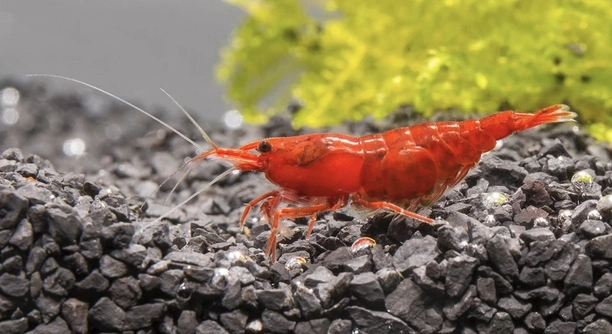
Do your shrimp seem less active than usual in your tank? Many hobbyists notice that even healthy shrimp can slow down without proper stimulation in their environment. Small adjustments can make a noticeable difference in their behavior.
Adding natural items to a shrimp tank can significantly enhance activity levels. Elements such as moss, driftwood, and live plants create shelter, provide surfaces for grazing, and encourage exploration, supporting overall shrimp health and stimulating natural behaviors effectively.
From natural hiding spots to feeding surfaces, these items offer more than decoration. Their presence can transform a stagnant tank into a lively habitat.
Moss
Moss is one of the simplest and most effective additions to a shrimp tank. It provides excellent surfaces for biofilm growth, which shrimp feed on naturally. The dense structure also offers small hiding spots that help reduce stress, especially for baby shrimp. Many species of moss, like Java moss, are easy to attach to rocks, driftwood, or mesh. They require minimal care, only occasional trimming to prevent overgrowth. Over time, moss creates a more complex habitat that encourages shrimp to explore and forage. It also contributes to water quality by absorbing excess nutrients and offering a natural filtration effect. Even a small patch of moss can noticeably increase shrimp activity, as they move more often while grazing or hiding. Adding moss is not only visually appealing but also serves a practical role in maintaining a balanced, stimulating environment for shrimp of all ages. Its slow growth makes it manageable while offering long-term benefits.
Moss provides natural grazing surfaces and shelters, keeping shrimp engaged while improving overall tank health and aesthetics.
In addition to encouraging movement, moss supports the development of young shrimp by giving them protected areas. Shrimp often congregate among moss strands, increasing interaction and reducing aggression. Over time, moss also traps detritus, allowing shrimp to feed efficiently on accumulated organic material. Its soft structure prevents injury, and the moisture it retains benefits shrimp gill function. This simple plant significantly alters the tank ecosystem without complicated maintenance. It blends naturally with other decorations, creating a varied environment that supports healthy activity patterns. Observing shrimp navigate through moss can be fascinating, as they climb, hide, and feed, making their behavior more dynamic. Regular trimming and occasional repositioning help maintain the balance between growth and accessibility. Moss is an affordable, low-maintenance solution that delivers both functional and aesthetic advantages, contributing directly to more vibrant and active shrimp behavior throughout the aquarium.
Driftwood
Driftwood adds both structure and natural surfaces for shrimp to explore, enhancing their activity and overall well-being.
Driftwood releases tannins that slightly acidify water, creating a favorable environment while offering surfaces for biofilm growth, which shrimp feed on naturally. Its irregular shapes provide hiding spots and climbing areas, encouraging exploration and reducing stress. Placement near plants or moss can create shaded areas where shrimp feel secure, further promoting movement. Driftwood can be soaked or boiled before adding to remove impurities and ensure safe integration into the tank. Over time, it develops a natural patina, improving the visual appeal of the tank while remaining functional. Many shrimp are drawn to its surfaces for grazing and shelter simultaneously. Combining driftwood with other natural items like moss or rocks creates a varied environment that stimulates natural behaviors consistently. Observing shrimp interact with driftwood highlights its impact, as they climb, forage, and hide throughout the day, keeping the tank lively and engaging. Its presence directly correlates with increased shrimp activity and healthier habits.
Leaf Litter
Leaf litter provides a natural surface for biofilm growth, which shrimp feed on constantly. It also creates shaded areas and soft hiding spots, reducing stress and encouraging exploration. Common options like Indian almond leaves decompose slowly, enriching the water while offering both nutrition and shelter.
Decomposing leaves release beneficial tannins and minor nutrients that help maintain stable water conditions. Shrimp often graze directly on the leaves, consuming both the decomposing material and the biofilm that forms on top. This activity increases their movement, as they repeatedly search for feeding spots. Additionally, leaf litter creates microhabitats where shrimp can molt safely, reducing aggression from tank mates. Its natural texture and irregular shapes also encourage climbing and crawling behaviors. Over time, a layer of leaf litter transforms the substrate into a more dynamic environment, promoting overall health and vitality.
Leaf litter also acts as a gentle water conditioner, slightly lowering pH and softening the water, which benefits many shrimp species. It integrates naturally with other tank elements like moss and driftwood, enhancing both activity and visual appeal. By providing multiple functions in one simple addition, leaf litter improves feeding, shelter, and tank dynamics simultaneously. The subtle changes it creates in water chemistry can be especially helpful for sensitive shrimp, making them more comfortable and active. Observing shrimp interact with leaves reveals frequent grazing, climbing, and hiding behaviors, demonstrating the material’s role in stimulating natural patterns.
Rocks
Rocks give shrimp surfaces for grazing and climbing, encouraging frequent movement across the tank. They also form small caves and crevices that provide shelter, increasing activity and reducing stress. Careful selection of smooth, non-toxic stones ensures safety for delicate shrimp species.
Rocks support biofilm development, which serves as a primary food source. Their varied shapes allow shrimp to explore different angles, climb edges, and forage across multiple surfaces. Positioning rocks in clusters can create shaded zones, giving shrimp secure areas while still promoting interaction with open spaces. Additionally, rocks help anchor plants and moss, integrating with other natural elements to form a more complex environment. As shrimp navigate these structures, their activity naturally rises, improving both feeding efficiency and overall health. This simple structural addition transforms otherwise flat tanks into stimulating habitats.
Using rocks in combination with driftwood and moss increases environmental complexity, enhancing natural behaviors. Shrimp climb, graze, and hide in crevices, which encourages constant movement and mental stimulation. Over time, biofilm accumulation on rocks sustains a long-term food source, reducing the need for supplemental feeding. Rocks also alter water flow around them, creating gentle currents that promote exploration. Careful placement avoids overcrowding while still offering a variety of surfaces and hiding spaces. By supporting foraging, climbing, and shelter simultaneously, rocks become a multifunctional addition that improves shrimp activity and overall tank dynamics. Watching shrimp interact with these surfaces highlights the benefits, as they move continuously and utilize multiple areas throughout the tank.
Cork Bark
Cork bark offers vertical surfaces and crevices that shrimp love to explore. Its texture encourages grazing and climbing, while the hollow areas provide safe hiding spots. This lightweight material is easy to position and adds natural interest to the tank without affecting water chemistry.
Shrimp often use cork bark for molting, taking advantage of its sheltered crevices. The surface quickly develops biofilm, giving them a continuous food source. Its porous nature also supports beneficial bacteria, helping maintain water quality. Placement near plants or moss creates varied zones that stimulate activity, making the tank environment more dynamic and engaging.
Cholla Wood
Cholla wood provides lightweight, hollow structures that serve as both grazing surfaces and shelters. Its natural design encourages shrimp to move frequently while exploring and feeding, enhancing overall activity within the tank.
Sand and Gravel Substrate
Fine sand and smooth gravel create safe foraging grounds. Shrimp can dig, sift, and graze along the bottom, promoting natural behaviors and consistent activity.
What natural items are safest for shrimp tanks?
The safest natural items for shrimp tanks are those that do not alter water chemistry drastically and are free from toxins. Moss, driftwood, leaf litter, cork bark, cholla wood, and smooth rocks are all excellent options. These items provide surfaces for biofilm growth, shelter, and areas for exploration. It is important to avoid items treated with chemicals or pesticides. Boiling or soaking wood and leaves before adding them to the tank can help remove impurities and reduce the risk of harmful substances. Properly prepared natural items support shrimp health without introducing unnecessary risks.
How does moss benefit shrimp activity?
Moss encourages shrimp to explore and graze consistently. Its dense structure provides microhabitats and hiding spots for shrimp of all sizes, including juveniles. Biofilm naturally develops on moss surfaces, supplying a constant food source. Shrimp climb and crawl through moss, increasing movement and engagement within the tank. Java moss and other easy-to-grow species are ideal because they require minimal maintenance. Occasional trimming keeps moss from becoming too dense, allowing shrimp free access while maintaining its role as a stimulating environment. The presence of moss supports natural behaviors like foraging, climbing, and molting, improving overall activity and reducing stress.
Why is driftwood recommended for shrimp tanks?
Driftwood offers surfaces for biofilm formation and areas for climbing. Its irregular shapes provide hiding spots that reduce stress and create vertical interest within the tank. Driftwood releases tannins slowly, slightly softening water and lowering pH, which can benefit sensitive shrimp species. Boiling or soaking driftwood before adding it ensures it is safe for tank inhabitants. Shrimp explore driftwood continuously, grazing on biofilm and interacting with its crevices. Placing driftwood near moss or plants creates shaded areas that feel secure while still promoting movement. Over time, driftwood enhances both the functional and visual aspects of the aquarium.
How does leaf litter improve shrimp behavior?
Leaf litter provides grazing surfaces for biofilm and decomposing material, giving shrimp a continuous food source. The litter also forms shaded areas and soft hiding spots, reducing stress while encouraging exploration. Indian almond leaves and other slow-decomposing options release tannins, which improve water quality and slightly lower pH. Shrimp use leaves for molting, feeding, and hiding, creating a more natural habitat. Leaf litter’s irregular structure stimulates climbing, sifting, and grazing behaviors. Combined with moss and driftwood, it adds complexity to the tank environment, promoting consistent activity and healthier shrimp overall.
Can rocks increase shrimp activity?
Yes, rocks create surfaces for biofilm, grazing, and climbing. They provide small caves and crevices for hiding, which encourages natural behaviors and reduces stress. Smooth, non-toxic stones prevent injury, while clusters of rocks form microhabitats that shrimp explore regularly. Rocks also anchor plants or moss, integrating with other tank elements to enhance overall stimulation. As shrimp navigate rock surfaces, they move frequently and interact with different areas, increasing overall activity. The combination of shelter, feeding surfaces, and climbing opportunities makes rocks a highly effective addition to any shrimp tank.
What role does cork bark play in shrimp habitats?
Cork bark offers vertical surfaces and hollow crevices that shrimp utilize for grazing, climbing, and hiding. Its lightweight structure makes placement easy, and it does not significantly affect water chemistry. Shrimp often choose cork bark for molting due to the secure shelter it provides. Biofilm develops on its porous surface, creating a natural food source. Positioning cork bark near moss or driftwood enhances tank complexity, giving shrimp varied areas to explore. Its natural design stimulates frequent movement, improves comfort, and supports healthier activity patterns across all shrimp species.
Is cholla wood useful for shrimp tanks?
Cholla wood is highly useful because it provides hollow, lightweight structures that act as both shelter and grazing surfaces. Shrimp climb and crawl through its openings while feeding on biofilm, promoting natural behaviors. Cholla wood integrates easily with other decorations, creating shaded zones that reduce stress. Its porous texture encourages bacterial growth, contributing to overall tank health. The combination of shelter, feeding opportunities, and stimulation of exploration makes cholla wood an effective natural item for enhancing shrimp activity.
How important is substrate for shrimp activity?
Substrate is critical because it serves as the main area for foraging and grazing. Fine sand and smooth gravel allow shrimp to sift through particles for food while reducing the risk of injury. Substrate also anchors plants and other natural items, helping create complex zones that stimulate movement. By digging, grazing, and climbing over substrate, shrimp display natural behaviors consistently. A safe and varied substrate enhances activity, supports biofilm growth, and contributes to a healthier, more dynamic environment overall.
Final Thoughts
Creating an active and healthy shrimp tank does not have to be complicated. Simple natural items like moss, driftwood, leaf litter, rocks, cork bark, cholla wood, and a suitable substrate can make a noticeable difference in shrimp behavior. Each of these items serves multiple purposes, from providing grazing surfaces and hiding spots to improving water quality and supporting natural instincts. Incorporating them gradually allows shrimp to adjust comfortably to the new environment while giving the tank a more natural appearance. Observing shrimp interact with these items highlights the importance of offering variety and complexity in the tank setup. Even small additions can encourage movement, reduce stress, and promote overall health.
Moss, for example, not only offers surfaces for biofilm but also creates microhabitats where shrimp can hide or molt. Driftwood and cholla wood add vertical structures and sheltered spaces, encouraging climbing and exploration. Leaf litter provides shaded areas, soft hiding spots, and a continuous food source as it decomposes. Rocks serve as both shelters and surfaces for grazing, while cork bark gives secure vertical spaces and hollow crevices. A fine sand or smooth gravel substrate allows for safe foraging and supports plant growth. Together, these elements form a dynamic and stimulating environment that keeps shrimp engaged throughout the day. Their natural behaviors, such as grazing, climbing, hiding, and molting, are all encouraged by a thoughtfully arranged tank that balances functionality and aesthetics.
Maintaining this type of environment requires attention but not complexity. Cleaning and trimming moss, monitoring the condition of leaves, and ensuring wood and rocks remain safe and secure are simple tasks that have a big impact on shrimp activity. It is also important to observe how shrimp respond, adjusting the arrangement as needed to ensure they have enough space to explore while still feeling secure. Over time, these natural items create a sustainable and lively habitat that benefits shrimp in multiple ways. By focusing on natural materials and providing a variety of textures, surfaces, and hiding spots, shrimp are more likely to remain active, healthy, and stress-free. This approach supports long-term well-being, encourages natural behaviors, and creates a visually appealing tank that reflects a balance between practicality and nature. A well-planned setup can transform a simple aquarium into a thriving, interactive environment where shrimp display their full range of behaviors naturally and consistently.

Hello,
If you enjoy the content that we create, please consider saying a "Thank You!" by leaving a tip.
Every little bit helps us continue crafting quality advice that supports the health, happiness, and well-being of pets around the world, for pets of all shapes, sizes, and species.
We really appreciate the kindness and support that you show us!