
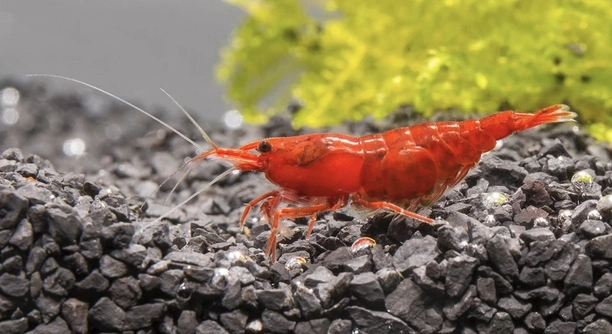
Do you ever notice your shrimp scattering when you add new food to their tank? Even small changes in their environment can trigger sudden movements, making it seem like they are avoiding the food altogether.
Shrimp often flee when new food is introduced due to stress or perceived threats. Changes in smell, texture, or sudden movement can startle them, prompting an instinctive retreat to safe areas until they feel secure.
Understanding this behavior can help you feed your shrimp more effectively and maintain a calm, healthy tank environment. Observing these patterns provides insight into their natural instincts and needs.
Understanding Shrimp Behavior Around Food
Shrimp are naturally cautious creatures, and any sudden addition to their environment can trigger a flight response. When new food is introduced, their instincts push them to seek safety until they determine there is no danger. This behavior is common across many shrimp species, especially in smaller or younger shrimp, who are more vulnerable to predators. Factors such as bright colors, strong scents, or unfamiliar textures in the food can heighten their stress, causing them to hide or swim quickly to a secure spot. Even in a calm tank, shrimp may display hesitation, circling the area or retreating repeatedly before they feel comfortable approaching the food. Over time, as they become familiar with the feeding routine, their anxiety often decreases. Watching their behavior closely can help in understanding how they react to new stimuli and adjusting feeding practices to reduce stress.
Introducing food gradually allows shrimp to acclimate more naturally and encourages calmer feeding behavior.
Patience is key when adding new food. Avoid sudden drops or large portions, and observe how your shrimp respond. Small, consistent changes help them feel safer and reduce unnecessary stress. Overfeeding or abrupt additions can exacerbate flight responses and lead to missed meals or hidden shrimp.
How to Minimize Stress During Feeding
Shrimp respond best to predictable feeding routines. Establishing a schedule and using familiar food types reduces surprise and promotes consistent eating. Avoid frequent changes in food brand, size, or placement, as each variation can trigger a defensive reaction. Gradual introduction of new food, such as mixing small amounts with their current diet, helps them adjust without panic. Maintaining stable water conditions, including temperature and pH, also contributes to a sense of security. Observing their movement patterns and preferred hiding spots allows you to place food where they feel comfortable emerging. Ensuring hiding spaces remain undisturbed gives shrimp confidence to explore while feeding, balancing their natural caution with nutritional needs. Over time, these strategies cultivate a calmer environment, allowing shrimp to feed without sudden retreats.
Monitoring shrimp closely while feeding provides insights into their preferences and stress points. By taking small, steady steps, you create a feeding routine that benefits their health, encourages natural behavior, and fosters a more predictable tank environment. Consistent care reduces anxiety and improves overall shrimp activity, making feeding time less stressful for both the shrimp and the caretaker.
Timing and Placement of Food
Shrimp feel safer when food is placed consistently in the same spot. Sudden changes in location can startle them, leading to flight or hiding behaviors. Gradual adjustments are necessary to maintain calm feeding habits.
Placing food near their usual hiding spots or low-traffic areas allows shrimp to approach at their own pace. They often prefer slowly exploring new food rather than rushing into open spaces, which can feel unsafe. Observing where they naturally gather during feeding helps identify optimal placement. Avoid dropping large amounts at once, as this can overwhelm them and trigger rapid retreats. Instead, small portions encourage steady, confident feeding, reducing stress and ensuring all shrimp get a chance to eat.
Over time, consistent placement builds routine. Shrimp begin associating certain areas with safety and nourishment, reducing panic responses. They may even start waiting near feeding spots before food is introduced. This approach fosters a calmer tank environment, where shrimp interact with food naturally, without excessive hiding or sudden escapes. Careful observation of their reactions to placement changes helps refine feeding practices for optimal health and behavior.
Observing Shrimp Reactions
Paying attention to how shrimp respond to new food provides valuable insights. Quick retreats or hesitation indicate stress, while confident movement shows comfort.
Noting which foods trigger flight responses allows adjustments to diet and presentation. Some shrimp react strongly to bright colors or unfamiliar textures, while others may be more cautious with strong-smelling options. Observing patterns over several feedings reveals preferences and tolerances. Timing also plays a role, as shrimp may be more active during certain periods of the day. Understanding these tendencies enables more effective feeding strategies and reduces wasted food. Additionally, tracking reactions helps identify potential health or environmental issues affecting their behavior, allowing for timely intervention before stress affects growth or activity.
Recording and comparing shrimp behavior over time shows clear trends. Adjustments in food type, portion size, and placement can then be made based on real observations. This methodical approach ensures shrimp remain active, healthy, and willing to feed without unnecessary panic. Over time, the tank environment becomes predictable, feeding becomes calmer, and shrimp display natural behavior patterns consistently. A careful balance of observation and adaptation promotes long-term well-being and a stress-free feeding routine.
Gradual Introduction of New Foods
Introducing new foods slowly helps shrimp adjust without stress. Start with small amounts mixed with familiar food to make the transition smoother.
Observe how they react during the first few feedings. Gradual exposure reduces flight responses and allows shrimp to explore new textures or scents safely.
Avoiding Overcrowding During Feeding
Overcrowding around food can increase stress, causing shrimp to scatter or hide. Limiting the number of shrimp feeding in one area at a time encourages calmer behavior. Dividing portions and placing food in multiple spots allows all shrimp to eat comfortably. Observing their interactions during feeding highlights patterns of dominance or hesitation, which can be managed with careful portioning. Providing enough space reduces aggressive encounters and ensures shy shrimp have access to food. Consistent management of crowding and portion control supports a balanced feeding routine, preventing panic-driven retreats while maintaining a healthy, active tank environment.
Maintaining Stable Water Conditions
Fluctuating water parameters can make shrimp more reactive to new food. Keeping temperature, pH, and cleanliness stable encourages calm feeding and natural behavior.
Using Smaller Food Portions
Smaller portions are easier for shrimp to handle. They reduce the risk of sudden panic and allow shrimp to feed at a comfortable pace.
FAQ
Why do my shrimp hide when I add new food?
Shrimp are naturally cautious and can perceive new food as a potential threat. Sudden changes in smell, color, or texture may startle them, prompting retreat to safe areas. Younger or smaller shrimp are especially sensitive. Gradually introducing food and placing it in familiar spots can reduce hiding behavior.
How can I help shrimp feel safe when feeding?
Providing hiding spaces and placing food near those areas helps shrimp approach gradually. Consistent feeding times and small portions also allow them to acclimate without stress. Avoid abrupt changes in diet or placement, as these can trigger panic and hiding.
Is the type of food important for reducing flight behavior?
Yes. Shrimp respond differently to various textures, colors, and smells. Foods that are too strong in scent or bright in color may cause hesitation. Mixing new foods with familiar options allows shrimp to test them safely and reduces sudden retreats.
Does tank size affect shrimp reactions to new food?
Smaller tanks can amplify stress because shrimp have less space to escape perceived threats. Overcrowding or limited hiding spots increases the likelihood of fleeing. Ensuring adequate space, hiding areas, and well-distributed food helps them feel secure and encourages calm feeding.
How long does it take for shrimp to adjust to new food?
Adjustment varies by species, age, and individual temperament. Some shrimp may approach new food immediately after gradual introduction, while others take several days or weeks. Observing patterns and maintaining consistency in placement and portioning speeds up adaptation.
Can sudden movements in the tank affect feeding behavior?
Yes. Rapid movements from people, tank equipment, or other tank inhabitants can startle shrimp. They may scatter or hide until the environment feels safe again. Approaching the tank gently and minimizing sudden disturbances during feeding helps maintain calm behavior.
What role does water quality play in shrimp reactions?
Stable water conditions are critical. Fluctuations in temperature, pH, or cleanliness increase stress, making shrimp more likely to flee when new food is added. Maintaining consistent water parameters supports predictable behavior and promotes a calmer feeding environment.
Should I feed multiple times a day or just once?
Smaller, more frequent feedings are often better than one large feeding. Multiple feedings reduce competition, prevent overcrowding, and allow cautious shrimp to eat at their own pace. This approach also minimizes stress caused by sudden large portions.
How do I know if my shrimp are getting enough food?
Observing their behavior and growth is key. Shrimp should appear active, healthy, and confident during feedings. If some shrimp consistently avoid food or appear thin, adjust portion size, placement, or feeding schedule to ensure all individuals are adequately nourished.
Can shrimp get used to new food over time?
Yes. Gradual exposure, consistent feeding routines, and stable tank conditions help shrimp accept new foods. Mixing new food with familiar options allows them to explore safely, eventually reducing flight responses and encouraging more confident feeding behavior.
What should I avoid when introducing new food?
Avoid dropping large portions suddenly, changing feeding locations frequently, or introducing strong-smelling or brightly colored foods without gradual acclimation. Sudden changes can trigger stress responses, hiding, or erratic swimming, making feeding less efficient and more stressful for the shrimp.
Is it normal for shrimp to be cautious even after repeated exposure?
Yes. Some shrimp have naturally cautious temperaments. Even after repeated exposure, they may approach new food slowly or retreat occasionally. Respecting their pace, providing safe spaces, and maintaining calm feeding routines ensures they remain healthy and active despite natural caution.
How can I make feeding less stressful for the entire tank?
Use small portions, distribute food evenly, and maintain hiding spaces. Avoid sudden movements, loud noises, and abrupt changes in food type. Observing shrimp reactions and adjusting feeding practices based on their behavior helps create a calm, consistent environment where all shrimp can feed safely.
What is the best way to mix new food with old food?
Start with a small amount of new food blended into familiar food. Gradually increase the proportion of new food over several feedings. This reduces stress, allows shrimp to test flavors and textures safely, and prevents sudden retreats caused by unfamiliar items in the tank.
Can stress from feeding affect shrimp health?
Yes. Chronic stress from frequent flight responses or overfeeding can impact growth, molting, and overall vitality. Reducing stress through careful feeding practices, stable water conditions, and consistent routines promotes healthy shrimp and supports natural behavior.
Final Thoughts
Shrimp are naturally cautious creatures, and their reactions to new food are largely driven by instinct. Sudden changes in their environment, whether it is the appearance, smell, or texture of the food, can trigger a flight response. Observing this behavior is normal, and it does not necessarily indicate poor health or improper care. Shrimp rely on their instincts to survive, so hiding or scattering when something unfamiliar enters the tank is part of their natural behavior. By understanding this, it is easier to approach feeding in a way that respects their instincts while still ensuring they receive proper nutrition. Over time, careful observation allows you to recognize patterns in their behavior, such as the times of day they are most active, the foods they are comfortable with, and the areas of the tank they prefer to feed in. These insights make it possible to create a feeding routine that minimizes stress and supports their overall well-being.
Consistency is key when feeding shrimp. Introducing food gradually, placing it in familiar spots, and providing small portions encourages them to feed confidently without sudden panic. Abrupt changes in food type, placement, or portion size can trigger unnecessary stress, causing shrimp to hide or retreat more often than needed. By maintaining stable water conditions, including temperature, pH, and cleanliness, shrimp feel more secure and are less likely to be startled by new food. Additionally, avoiding overcrowding during feeding ensures that all shrimp have space to eat comfortably. Dividing portions into multiple locations can help shy or smaller shrimp access food without being pushed away by larger, more assertive tank mates. Over time, consistent and gentle feeding practices teach shrimp that new food does not pose a threat, gradually reducing stress responses and promoting healthier, more natural behavior patterns.
Observing shrimp closely during feedings is a useful tool for improving their care. Watching how they react to new foods provides insight into their preferences, tolerance levels, and overall comfort in the tank. Some shrimp may take longer to approach unfamiliar food, while others adapt quickly, and understanding these differences allows for tailored feeding strategies. Recording their behavior over time can highlight patterns that help refine portioning, placement, and feeding schedules. This approach ensures that shy shrimp are not left behind and that more confident shrimp do not dominate the feeding process. Ultimately, careful observation combined with consistent feeding routines and a stable environment promotes a calm, healthy tank. By respecting shrimp instincts, introducing food gradually, and monitoring their reactions, it is possible to create a balanced feeding routine that reduces stress and supports the long-term health and activity of all shrimp in the tank.

Hello,
If you enjoy the content that we create, please consider saying a "Thank You!" by leaving a tip.
Every little bit helps us continue crafting quality advice that supports the health, happiness, and well-being of pets around the world, for pets of all shapes, sizes, and species.
We really appreciate the kindness and support that you show us!