
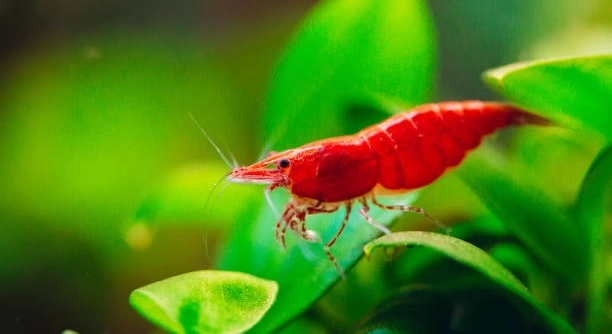
Do your cherry shrimp often rest on the roots of your aquarium plants? You may notice them perched quietly, seemingly doing nothing. This behavior is quite common and can reflect several natural habits of these small, colorful creatures.
Cherry shrimp sit on plant roots primarily for safety, feeding, and environmental comfort. Roots offer a secure surface to graze on biofilm, avoid strong currents, and remain close to shelter, supporting their survival and overall well-being.
Observing this behavior can reveal more about their needs and help you create a healthier, more balanced aquarium environment.
Common Reasons Cherry Shrimp Sit on Plant Roots
Cherry shrimp often sit on plant roots for practical reasons. Roots provide a stable surface where they can graze on biofilm and algae, which are essential parts of their diet. The roots also give them a sense of security, keeping them sheltered from stronger currents in the aquarium. Many shrimp feel exposed in open water, so roots act as a safe retreat. Additionally, roots can offer a slightly different water chemistry, with gentle flows and micro-habitats that support their comfort. Shrimp may also rest on roots to molt or recover, as the plant structures reduce stress and provide protection during vulnerable periods. Watching them closely can reveal patterns in their behavior and feeding habits. Their choice of resting spot is often influenced by the density of plants, water conditions, and the availability of hiding spaces, showing how environment directly affects their day-to-day activity.
Roots are natural gathering points where shrimp feel safest while feeding and resting.
By understanding these preferences, you can enhance your tank setup to match their natural habits. Adding more rooted plants and keeping water conditions stable encourages shrimp to thrive, reduces stress, and ensures they remain active and healthy. Regular observation allows you to notice subtle changes in behavior, indicating health or environmental issues early. Choosing plant species with fine, dense roots can give shrimp the optimal surface for grazing and shelter, improving their overall well-being. Additionally, balancing light and nutrient levels ensures biofilm growth, providing a consistent food source directly on the roots. Proper aquarium maintenance, including gentle filtration and moderate flow, supports their comfort. The combination of roots, food availability, and safe micro-habitats creates an environment where cherry shrimp naturally gravitate toward plant structures, making them more visible and easier to care for.
Environmental Factors Affecting Root Perching
Water flow, temperature, and lighting can influence where shrimp sit in the tank.
Cherry shrimp are sensitive to changes in their environment. Strong currents can push them toward roots, which offer stability and protection. Similarly, temperature fluctuations can cause them to seek areas with gentle micro-currents or shaded spots near plant bases. Light intensity also matters, as bright light may encourage them to hide on roots where there is more cover. Other factors, such as water quality, pH, and the presence of dissolved minerals, can subtly affect their comfort levels. Shrimp tend to choose areas where these factors are favorable, often near plant roots that create calm, stable zones. Consistent water conditions, including gradual temperature and chemical balance, help shrimp feel secure and reduce stress, leading to more natural behavior and activity throughout the tank.
Maintaining stable, gentle conditions encourages shrimp to remain active and healthy while using roots naturally.
Ensuring the right environment for cherry shrimp means paying attention to flow, temperature, and lighting. Gentle filtration prevents strong currents that could push them into open water, while moderate lighting helps balance biofilm growth without causing stress. Temperature consistency is key, as sudden drops or spikes can force shrimp to hide excessively. Roots serve as micro-refuges, offering shaded, calm areas that mimic natural habitats, which is particularly important during molting periods. Monitoring water parameters, including pH and mineral content, ensures the tank remains within optimal ranges. By providing these conditions, shrimp can exhibit normal behaviors, such as grazing, resting, and social interaction, without unnecessary stress. Observing where they perch can also guide future tank improvements, from plant selection to flow adjustments, allowing the aquarium to better suit their natural preferences. A well-set environment promotes a balanced, healthy shrimp population that thrives while using plant roots effectively.
Feeding Habits and Root Interaction
Cherry shrimp spend a lot of time grazing on roots. Roots collect biofilm, algae, and tiny microorganisms, making them a natural feeding ground. Their small size allows them to access areas other tank inhabitants may miss.
Shrimp feeding behavior is closely linked to the surfaces available in the tank. Plant roots act as a constant source of food, providing nutrients they can scrape off with their tiny appendages. By perching on roots, shrimp can feed safely without exposing themselves to potential threats in open water. Regularly observing them reveals patterns, such as preferred roots and feeding times. This behavior also helps maintain plant health by controlling algae growth naturally. Roots, therefore, serve both as shelter and as a reliable food source, supporting the shrimp’s daily needs and overall health.
Roots also serve as temporary resting spots between grazing sessions. Shrimp move from root to root, feeding intermittently while staying protected. This behavior reduces stress and allows them to maintain energy efficiently. Their interaction with roots is an essential part of their routine, blending nourishment and safety in one activity.
Molting and Root Preference
Molting makes shrimp vulnerable, so roots provide essential cover. They choose dense roots for protection during this delicate time, minimizing exposure to stronger currents or potential tank mates.
During molting, shrimp shed their exoskeleton and require calm, secure spaces. Plant roots provide structure and stability, allowing them to remain undisturbed while their new exoskeleton hardens. Shrimp often remain motionless near roots during this process, reducing stress and preventing damage. Dense root areas mimic natural hiding spots found in streams and ponds. Choosing locations close to food and shelter allows shrimp to recover without unnecessary movement, conserving energy. Proper root coverage in the tank supports their growth and reduces risks associated with molting, creating a safer, more natural environment.
Molting is a recurring process, and shrimp develop preferences for specific roots. Over time, they may consistently return to the same root clusters, associating them with safety and comfort. This pattern emphasizes the importance of providing varied and secure plant roots throughout the aquarium. By observing these habits, aquarists can identify ideal root placement to accommodate natural behaviors. Multiple dense root areas allow shrimp to choose molting spots that suit their needs, while also supporting normal grazing and social interaction. Ensuring these conditions helps maintain a stable shrimp population, reduces stress-related issues, and encourages healthier growth cycles in the tank.
Shelter and Safety
Roots give cherry shrimp a safe place to hide from stronger currents and potential tank mates. They cling to the roots to feel secure, especially in areas of the tank where open water might feel risky or exposed.
Dense roots also provide microhabitats for shrimp to retreat quickly if startled. These spaces allow them to stay calm while remaining close to food and other resources. Perching on roots reduces stress and supports natural behaviors, helping them maintain health and stability in the tank environment.
Water Quality and Root Interaction
Water parameters, including pH, hardness, and temperature, affect where shrimp choose to settle. Roots often create microenvironments with slightly more stable conditions, making them preferred locations. They offer gentle flow areas that help shrimp conserve energy while feeding or resting. Maintaining stable water quality ensures shrimp consistently use roots for these purposes, balancing safety and nourishment.
Root Density and Shrimp Distribution
Shrimp are more likely to gather in areas with thick root networks. These clusters allow multiple shrimp to feed, rest, and hide simultaneously without overcrowding, supporting natural social behavior.
Why do my cherry shrimp always stay on the plant roots?
Cherry shrimp often choose plant roots because they provide both food and safety. Roots collect biofilm, algae, and microorganisms that shrimp feed on. At the same time, roots act as shelter from strong currents and other tank inhabitants. Staying on roots helps shrimp conserve energy and reduces stress, allowing them to carry out normal behaviors like grazing, resting, and molting.
Is it normal for cherry shrimp to hide on roots all day?
Yes, this is completely normal behavior. Shrimp are naturally cautious, and roots provide protection while they feed or rest. Some shrimp may spend long periods on roots, especially if they are molting, stressed, or adjusting to new water conditions. Dense roots mimic their natural habitat, giving them a sense of security.
Do cherry shrimp eat plant roots?
Cherry shrimp do not consume healthy plant tissue. They primarily feed on the biofilm, algae, and detritus that accumulate on roots and leaves. Their grazing helps keep plants clean, but they rarely damage living roots. Providing plenty of plants with root surfaces ensures shrimp have adequate food without harming growth.
Why do shrimp prefer certain roots over others?
Shrimp often choose roots based on texture, density, and the amount of biofilm present. Fine, densely packed roots offer more surface area to feed and hide. Roots in calmer areas of the tank with gentle water flow are preferred, as they allow shrimp to remain stable and safe while foraging.
Can roots affect shrimp health?
Yes, plant roots indirectly support shrimp health. Roots create microhabitats with stable conditions, gentle flow, and accessible food. Dense root areas reduce stress by offering safe hiding spots, especially during molting. Healthy, well-maintained plants contribute to balanced water chemistry, which is essential for shrimp survival and longevity.
What should I do if my shrimp avoid certain roots?
Shrimp may avoid roots that are exposed to strong currents, bright light, or poor water conditions. Observing where they gather can guide adjustments in root placement, water flow, or lighting. Adding more dense root clusters and ensuring stable water parameters often encourages shrimp to explore and utilize all available plant areas.
Do shrimp use roots differently at night?
Cherry shrimp are more active during low-light periods. At night, they often move across roots to graze on biofilm while staying protected. Roots provide continuous access to food while minimizing exposure to stressors. Nighttime behavior emphasizes the importance of maintaining sufficient root density for both feeding and hiding.
How can I make roots more appealing to my shrimp?
To encourage shrimp to use roots, maintain clean and healthy plants, ensure adequate biofilm growth, and provide gentle water flow around root areas. Dense root clusters with overlapping coverage create natural hiding spots and grazing zones. These adjustments increase comfort and encourage shrimp to utilize roots more consistently.
Do all cherry shrimp behave the same around roots?
Behavior varies by individual shrimp. Some are more cautious and remain on roots most of the time, while others are bolder, exploring open water frequently. Factors influencing behavior include age, molting cycle, stress levels, and water conditions. Providing diverse root structures accommodates different personalities and natural preferences, supporting a balanced tank environment.
Can roots help shrimp recover from molting?
Yes, roots are crucial during molting. Shrimp are vulnerable while shedding their exoskeleton, and dense roots offer protection from currents and potential threats. Roots close to food sources allow them to regain strength without unnecessary movement. Consistent root availability ensures molting shrimp can recover safely, promoting healthy growth cycles.
Do artificial plants work as well as live roots?
Artificial plants can provide structure and hiding spots but lack the natural biofilm and microhabitats found on live roots. Shrimp may use artificial roots for shelter, but live roots are better for feeding, water stabilization, and supporting natural behavior. Combining both can create a functional environment while offering aesthetic flexibility.
How many roots are enough for cherry shrimp?
The number of roots depends on tank size and shrimp population. Dense coverage ensures multiple shrimp can feed, rest, and hide without overcrowding. Providing a variety of root types and placements encourages natural movement patterns and supports social interactions while reducing stress and territorial disputes.
Will shrimp damage roots if they sit on them constantly?
Cherry shrimp sitting on roots do not harm healthy plants. Their grazing is limited to biofilm and algae. Consistent perching promotes cleaning of roots rather than damage. Ensuring plants are well-rooted and healthy will prevent any issues from long-term shrimp activity while supporting tank balance.
Can I observe shrimp behavior to improve tank design?
Yes, watching where shrimp gather and how they use roots can guide plant placement, water flow adjustments, and shelter additions. Understanding their preferences allows you to optimize feeding zones, hiding areas, and overall tank stability. Observation helps maintain a stress-free environment that encourages shrimp activity and well-being.
Why do shrimp move between roots so often?
Shrimp move between roots to access fresh biofilm, find safer areas, or adjust to micro-current changes. This movement is a natural combination of feeding, safety, and comfort. Providing multiple root clusters ensures shrimp can transition easily without stress, maintaining healthy activity patterns throughout the tank.
Cherry shrimp sitting on plant roots is a common and natural behavior. They use roots for both feeding and shelter, taking advantage of the surfaces to graze on biofilm, algae, and other tiny microorganisms. These small creatures are cautious by nature, so roots provide a sense of security while they carry out daily activities. Roots act as stable perches that allow shrimp to rest, feed, or hide without being exposed to strong currents or other tank inhabitants. Observing shrimp on roots can give insight into their comfort and the overall health of the aquarium. Their choice of resting or grazing spots is influenced by the density and texture of the roots, the flow of water, and the availability of food. By paying attention to these habits, aquarists can better understand their shrimp and ensure that the tank environment meets their needs. Roots are not only functional but also support the natural instincts of shrimp, which contributes to their well-being and long-term health in a captive setting.
Providing dense and healthy plant roots benefits both shrimp and the aquarium ecosystem. Roots create microhabitats that offer gentle water flow and stable conditions, which reduce stress and make shrimp feel safe. They also serve as feeding grounds, as biofilm and algae accumulate naturally on the root surfaces. This combination of food availability and shelter allows shrimp to carry out their normal behaviors with minimal energy expenditure. Additionally, roots play an important role during molting, when shrimp are particularly vulnerable. Dense root clusters allow shrimp to remain protected while their new exoskeleton hardens. Maintaining live plants with healthy root systems also helps regulate water chemistry and supports beneficial microorganisms, creating a more balanced and stable aquarium environment. Even artificial plants can provide shelter, but they cannot replace the natural food sources and microhabitats that live roots offer. By focusing on root density and health, aquarists can create a tank that encourages shrimp activity while minimizing stress and potential risks.
Observing shrimp behavior around roots can guide improvements in tank setup and care practices. Noticing which roots shrimp prefer for feeding or hiding can inform decisions about plant placement, water flow, and tank layout. Providing multiple dense root clusters allows shrimp to move freely between safe spots, promoting natural activity patterns and social behavior. A well-structured environment reduces stress, encourages regular grazing, and ensures that shrimp have suitable areas for resting, hiding, and molting. Water quality, temperature, and light also influence root use, so maintaining stable conditions is essential. Roots that offer gentle flow, adequate shade, and easy access to food create a comfortable habitat where shrimp can thrive. By understanding and supporting these behaviors, aquarists can create an aquarium that meets both the biological and behavioral needs of cherry shrimp, resulting in a healthier, more active, and balanced tank.

Hello,
If you enjoy the content that we create, please consider saying a "Thank You!" by leaving a tip.
Every little bit helps us continue crafting quality advice that supports the health, happiness, and well-being of pets around the world, for pets of all shapes, sizes, and species.
We really appreciate the kindness and support that you show us!