
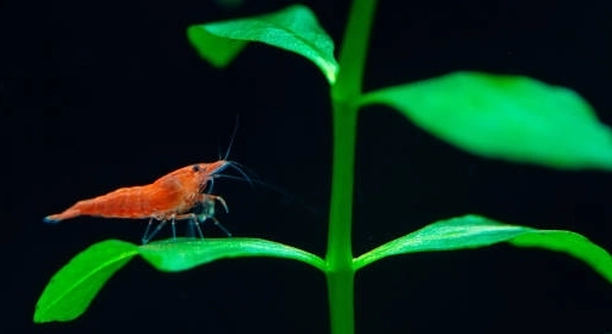
Cherry shrimp are small, colorful freshwater creatures that have become popular in home aquariums. Many hobbyists enjoy watching their delicate movements and vibrant hues while learning how to provide the best environment for them.
Cherry shrimp thrive in gently filtered water rather than completely still water. Filtered water helps maintain oxygen levels, removes waste and debris, and promotes stable water parameters, which are essential for their health, growth, and reproduction in a home aquarium.
Maintaining proper water conditions is key to keeping cherry shrimp active and healthy, ensuring they thrive in your aquarium for years to come.
Understanding Cherry Shrimp Water Preferences
Cherry shrimp are sensitive to their aquatic environment. They need water that is stable, clean, and well-oxygenated. Filtered water helps remove excess food, waste, and debris that can accumulate quickly. Without filtration, toxins like ammonia and nitrite can build up, harming shrimp health. Even a gentle filter creates a slight current, which encourages natural behavior and helps oxygenate the water. Still water may seem calm, but it can quickly become stagnant, leading to low oxygen levels and fluctuating water parameters. Providing filtered water also supports beneficial bacteria growth that keeps water chemistry balanced. Small changes in temperature, pH, or hardness can stress shrimp, so consistency is important. Observing your shrimp can reveal how they respond to water conditions. Healthy shrimp are active, display bright colors, and feed readily. By understanding their water preferences, you can create a stable, supportive environment that allows them to thrive and reproduce reliably in your tank.
Filtered water ensures shrimp remain healthy and active, supporting stable tank conditions, oxygen levels, and overall growth.
Regular water monitoring is essential. Even with a filter, testing pH, ammonia, nitrite, and nitrate levels ensures shrimp remain safe. Keeping water clean helps prevent disease, encourages feeding, and reduces stress. A consistent routine makes tank maintenance simpler and more predictable.
Setting Up the Ideal Tank
Proper tank setup starts with clean, filtered water. A gentle sponge or hang-on-back filter works best for cherry shrimp, providing circulation without strong currents that could stress them. Plants and decorations improve water quality by absorbing nutrients and offering hiding spaces. Gravel or sand substrate should be rinsed thoroughly to avoid cloudiness or chemical contamination. Maintaining temperature between 68°F and 78°F keeps shrimp active, while avoiding sudden changes prevents shock. Frequent partial water changes with dechlorinated water complement filtration, reducing toxins and keeping parameters stable. Monitoring water quality weekly ensures conditions remain consistent.
Using these practices, cherry shrimp thrive. Filtration removes debris, oxygenates water, and supports beneficial bacteria. Combining gentle flow with plants, hiding spots, and a clean substrate creates a balanced, low-stress environment. Regular water tests and partial changes help maintain chemical stability, preventing sudden fluctuations that could harm shrimp. Over time, shrimp grow healthier, reproduce successfully, and display vibrant coloration. Observing their activity and adjusting water care as needed ensures the tank remains suitable long-term. A well-set tank allows shrimp to express natural behaviors like grazing, molting, and exploring plants safely. Following these guidelines makes maintenance manageable while supporting shrimp well-being. Consistency in water quality, filtration, and environment is key to a successful cherry shrimp habitat.
Filtered Water Benefits
Filtered water keeps the tank clean and reduces harmful chemicals. It provides gentle water movement, which helps oxygen reach all areas. Shrimp stay active, healthy, and show brighter colors when water is consistent and free from sudden spikes in ammonia or nitrites.
Using a filter improves the overall environment by removing debris and excess food. It encourages the growth of beneficial bacteria that naturally break down waste, keeping water chemistry stable. Cherry shrimp are sensitive to changes, so maintaining filtered water minimizes stress and reduces the chance of illness. Filters also help distribute heat evenly, preventing cold spots in the tank. Combining filtration with regular partial water changes ensures shrimp thrive in a predictable, stable habitat.
Filtered water also supports reproduction. Eggs and juvenile shrimp are more likely to survive in clean, oxygen-rich water. A stable environment encourages natural behaviors like grazing, molting, and exploring. Without filtration, waste accumulates, oxygen drops, and shrimp can become lethargic. Observing your shrimp in a well-filtered tank shows increased activity, brighter colors, and regular feeding. Over time, filtered water makes tank management easier, as problems are less frequent, and shrimp remain healthier. Even simple setups benefit from gentle filtration.
Still Water Considerations
Still water may feel calm, but it can quickly become stagnant. Without movement, oxygen levels drop, and toxins accumulate faster, putting shrimp at risk.
Some shrimp can tolerate still water if it is regularly monitored and maintained. However, stagnant conditions require frequent water changes to prevent ammonia or nitrite buildup. Plants can help absorb nutrients, but without flow, waste may collect on the substrate or in corners. Still water also reduces oxygen availability, which can limit shrimp activity and stress them over time. Maintaining proper temperature and careful feeding becomes even more important in these setups. Regular testing of water parameters is essential to prevent sudden changes that can harm shrimp health.
Still water tanks need careful attention to ensure shrimp remain healthy. While they may initially appear calm, oxygen depletion and waste accumulation can lead to sluggish behavior, weakened immune systems, and increased susceptibility to disease. Partial water changes must be done more frequently to remove toxins. Live plants, hiding spots, and careful feeding help, but the risk of sudden chemical shifts remains higher than in filtered tanks. Observing shrimp closely allows for early intervention if they show stress signs. A consistent schedule and close monitoring are crucial in still water environments to support growth, reproduction, and overall shrimp well-being.
Water Flow and Shrimp Behavior
Gentle water flow encourages cherry shrimp to explore and feed actively. It helps oxygen reach all areas, preventing stagnant pockets. Shrimp feel safer when currents are mild, allowing them to move freely without being stressed or forced into hiding.
Strong currents can overwhelm shrimp, causing them to cling to surfaces or hide. Too much movement may prevent normal feeding and molting. Maintaining a balanced, gentle flow ensures shrimp remain comfortable and display natural behaviors consistently.
Monitoring Water Parameters
Regular testing of ammonia, nitrite, nitrate, pH, and temperature is crucial for shrimp health. Even small fluctuations can stress shrimp, affecting growth, reproduction, and color. Maintaining consistent levels supports their well-being and prevents sudden problems in the tank.
Filtration Types for Cherry Shrimp
Sponge filters are ideal for shrimp tanks. They provide gentle water movement, remove debris, and support beneficial bacteria growth. Hang-on-back filters can work if flow is adjustable, ensuring shrimp are not stressed. Air-driven filters also maintain oxygen without strong currents, keeping shrimp comfortable and healthy.
FAQ
Do cherry shrimp need a filter to survive?
Cherry shrimp can survive in still water for short periods, but they thrive in filtered tanks. Filters help remove waste, prevent toxic buildup, and maintain oxygen levels. Without a filter, regular and careful water changes are necessary to avoid harmful ammonia or nitrite spikes, which can stress shrimp and reduce lifespan.
Can cherry shrimp live in still water long-term?
Still water can support cherry shrimp if closely monitored. Frequent partial water changes are essential to remove toxins and maintain stable parameters. Live plants and substrate can help, but still water is riskier than filtered water because oxygen levels drop and waste accumulates more quickly. Stress and disease risks increase in stagnant conditions.
What type of filter is best for cherry shrimp?
Sponge filters are usually the safest choice. They provide gentle water flow, support beneficial bacteria growth, and prevent shrimp from being sucked in. Hang-on-back filters can work if the flow is reduced, while air-driven filters add oxygen without creating strong currents. Avoid powerful filters that create turbulence.
How often should I clean my filter?
Filters should be rinsed every 2–4 weeks in tank water, not tap water, to preserve beneficial bacteria. Avoid over-cleaning, as this can remove helpful microorganisms that break down waste. Check sponge or filter media for debris and gently squeeze it in a bucket of tank water during maintenance.
Does filtration affect breeding?
Yes. Clean, stable water encourages cherry shrimp to breed successfully. Eggs and juvenile shrimp are more likely to survive in filtered tanks with consistent parameters. Strong currents can make breeding difficult, so gentle flow and hiding places for baby shrimp are important for population growth.
Will filtered water change water parameters too much?
Filtered water helps stabilize parameters rather than change them dramatically. A properly cycled filter supports consistent pH, hardness, and temperature. It reduces sudden spikes in ammonia or nitrites, which are harmful to shrimp. Monitoring parameters regularly ensures stability even with filtration.
Can shrimp survive if the filter stops working?
Short-term filter failure is usually not fatal if water quality is stable, but prolonged outages increase risk of toxic buildup. Oxygen may decrease, and ammonia can rise quickly. Quick water changes and aeration can help, but restoring filtration as soon as possible is critical for shrimp health.
Is a filter necessary for planted tanks with shrimp?
Even in planted tanks, filtration is recommended. Plants absorb some nutrients and improve water quality, but they do not remove all waste. A gentle filter helps maintain oxygen, distribute nutrients, and prevent stagnant areas, creating a more stable and comfortable environment for shrimp.
How can I make a filter shrimp-safe?
Use sponge pre-filters or covers to prevent shrimp from being sucked in. Reduce flow if using hang-on-back filters. Ensure air-driven filters are not too strong. Check the filter regularly for trapped shrimp or debris and adjust as needed to keep the environment safe and calm.
Do shrimp prefer certain water movement levels?
Cherry shrimp prefer gentle water movement. Slight currents encourage natural behavior like grazing and exploring, but strong flows cause stress and hiding. Proper filter placement and flow adjustment are key to creating a comfortable tank that meets their activity and oxygen needs.
How does filtered water affect molting?
Consistent, clean water reduces stress during molting, making it safer for shrimp to shed their exoskeleton. Poor water quality can lead to failed molts, injuries, or infections. Stable filtration keeps water parameters steady, ensuring shrimp can molt regularly and grow properly.
Can I combine filtration and still zones in the tank?
Yes. Position the filter to create gentle flow in part of the tank while leaving calmer areas for hiding and resting. This setup allows shrimp to choose their preferred environment, supporting both activity and safety without compromising water quality.
Does filtration reduce disease risk?
Filtered water reduces disease risk by removing excess waste and debris that can harbor harmful bacteria. Maintaining stable oxygen and chemical levels keeps shrimp healthier. Regular monitoring, combined with filtration, supports immunity and reduces stress-related susceptibility to illness.
Are there signs that shrimp need better filtration?
Shrimp showing lethargy, dull coloration, or reduced feeding may indicate poor water quality. Cloudy water, strong odor, or high ammonia/nitrite readings also suggest filtration is insufficient. Upgrading or adjusting filtration can restore water stability and shrimp health.
What other benefits does filtered water provide?
Filtered water improves clarity, distributes nutrients for plants, and creates a balanced environment that supports reproduction and natural behavior. It simplifies maintenance by reducing the frequency of full water changes and keeps shrimp thriving in a predictable, low-stress habitat.
How can I balance filtration with tank aesthetics?
Sponge filters and discreet air-driven systems can blend into the tank, supporting water quality without dominating the space. Decorations, plants, and hiding spots help hide equipment while maintaining gentle flow, ensuring both functionality and a natural look for your cherry shrimp habitat.
Does temperature stability improve with filtration?
Yes. Filters circulate water, helping maintain even temperature throughout the tank. This reduces stress from hot or cold spots, which can affect feeding, molting, and breeding. Combined with a reliable heater, filtration supports a stable environment for shrimp.
Can small tanks survive without filters?
Small tanks can operate without filters if water changes are frequent and carefully managed. However, these setups require close monitoring to prevent ammonia or nitrite spikes. Filters make small tank maintenance easier and safer, supporting shrimp health consistently over time.
How do I choose the right filter size?
Select a filter rated for slightly more water than your tank size, with adjustable flow. Too powerful a filter stresses shrimp, while too weak may not maintain stability. Gentle circulation that evenly distributes oxygen and nutrients is ideal for a balanced environment.
Do I need to adjust feeding with filtration?
Yes. Filtration removes uneaten food, so careful feeding is important. Overfeeding can overload the filter and pollute the tank. Provide small portions and monitor consumption to maintain water quality and keep shrimp healthy.
Can filtered water alone replace water changes?
No. Filtration helps maintain stability but does not replace periodic water changes. Partial water changes remove dissolved toxins and refresh trace minerals, complementing filtration to create a healthy, balanced environment for cherry shrimp.
Is there a difference in shrimp activity between filtered and still water?
Shrimp in filtered water are generally more active, with brighter colors and normal feeding behavior. In still water, they may become sluggish or hide more often due to lower oxygen levels or accumulating waste, emphasizing the importance of gentle filtration.
How often should I monitor water parameters?
Weekly testing is recommended, even with filtration. Monitoring ensures ammonia, nitrite, nitrate, pH, and temperature remain stable. Early detection of changes prevents stress and health problems, allowing adjustments to feeding, filtration, or water changes as needed.
Does filtration affect shrimp lifespan?
Filtered water supports longer, healthier lives by maintaining consistent oxygen levels, removing toxins, and reducing stress. Stable water parameters help shrimp grow, reproduce, and display natural behaviors, ultimately increasing overall lifespan and well-being in the tank environment.
Can I use multiple filters in one tank?
Yes. Using more than one gentle filter can improve water circulation and oxygenation without creating strong currents. Ensure each filter is shrimp-safe and balanced, so currents do not become too strong in any area of the tank. Multiple filters support larger tanks effectively.
What is the best overall setup for cherry shrimp?
A tank with a sponge filter, gentle water flow, live plants, hiding spots, stable temperature, and regular water testing provides the ideal environment. This combination ensures clean, oxygen-rich water, minimal stress, and healthy shrimp capable of thriving and reproducing naturally.
How can I prevent filtration problems?
Regular maintenance, monitoring flow, checking for trapped shrimp, and keeping media clean without over-washing preserves efficiency. Adjust flow as needed and monitor water parameters to avoid sudden changes. Consistent care prevents most filtration-related issues and keeps shrimp safe.
Are there alternative filtration methods for shrimp?
Air-driven sponge filters and gentle corner power filters work as alternatives. Both provide oxygenation, waste removal, and circulation without strong currents. Choosing the right type depends on tank size, shrimp quantity, and personal preference, but all maintain water quality effectively.
Does filtration reduce algae growth?
Indirectly. Filtered water removes excess nutrients that algae feed on, helping limit its growth. Good flow also prevents stagnant areas where algae can accumulate. Combined with proper lighting and plant management, filtration supports cleaner, healthier water and a more visually appealing tank.
Can shrimp survive if the filter is too strong?
Strong currents can stress shrimp, causing hiding, reduced feeding, or injuries during molting. Always use gentle flow and adjust the filter if necessary. Adding sponge covers or redirecting output can make a powerful filter safe for shrimp while still maintaining water quality.
How important is filter placement in the tank?
Placement affects water circulation and shrimp comfort. Filters should distribute gentle flow throughout the tank while leaving calm zones for hiding and resting. Correct placement ensures even oxygenation, reduces dead spots, and allows shrimp to move freely without stress or disruption.
Does filter noise affect shrimp?
Shrimp are sensitive to vibrations rather than sound. Gentle filters create minimal disturbance, while strong, vibrating equipment may stress them. Using air-driven sponge filters or reducing flow on power filters minimizes vibrations and keeps shrimp comfortable in their environment.
Can filtration support tank plants for shrimp?
Yes. Filters circulate water, distributing nutrients and CO₂ more evenly to plants. Healthy plants improve water quality by absorbing waste and providing hiding spots. Combining filtration with plants creates a balanced ecosystem that benefits both shrimp and the overall tank environment.
Do I need different filters for different tank sizes?
Filter type and size should match tank volume and shrimp quantity. Small tanks benefit from sponge or air-driven filters, while larger tanks may need multiple gentle filters to ensure proper circulation and oxygenation. The goal is stability without stressing shrimp.
How can I ensure filtration efficiency over time?
Regular cleaning, checking flow, monitoring water parameters, and replacing worn media keeps filters effective. Avoid over-washing beneficial bacteria and adjust flow as shrimp grow or tank conditions change. Proper maintenance ensures long-term water quality and shrimp health.
Does filtered water improve shrimp color?
Yes. Stable, clean water reduces stress, allowing shrimp to display vibrant colors. Consistent parameters, oxygen, and minimal toxins contribute to brighter, healthier shrimp. In contrast, poor water quality or stagnant conditions can dull coloration and reduce overall vitality.
Can filtered water prevent molting issues?
Filtered water helps maintain stable parameters, reducing stress during molting. Stable oxygen levels, consistent temperature, and clean conditions support successful exoskeleton shedding and reduce the risk of injury or infection. Regular observation ensures molting occurs safely.
What is the simplest way to make a tank shrimp-friendly with a filter?
Use a sponge filter or air-driven filter, provide gentle flow, maintain clean substrate, add plants and hiding spots, and test water weekly. Partial water changes complement filtration. This setup ensures stable water, minimal stress, and a safe environment for healthy, active shrimp.
How does filtered water affect shrimp feeding?
Filtered water keeps the tank clean, preventing uneaten food from rotting. Shrimp feed more actively in stable conditions. Gentle flow distributes food evenly, allowing all shrimp to access it while reducing the risk of leftover waste degrading water quality.
Are there signs that shrimp prefer filtered water?
Active movement, bright colors, regular feeding, and visible exploration of plants and substrate indicate shrimp thrive in filtered conditions. Lethargy, hiding, or reduced molting can suggest insufficient filtration or stagnant water. Observing behavior helps adjust tank setup for better well-being.
How important is combining filtration with water changes?
Filtration maintains stability, but partial water changes remove dissolved toxins and replenish minerals. Together, they provide optimal water quality, prevent parameter swings, and support healthy growth, reproduction, and natural behaviors for cherry shrimp.
Does filtration help shrimp adapt to new tanks?
Yes. Gentle filtered water reduces stress during acclimation. Consistent oxygenation, debris removal, and stable parameters help shrimp adjust to a new environment while maintaining activity, feeding, and overall health.
Can filtered water reduce stress in shrimp?
Filtered water minimizes sudden changes in chemical levels, temperature, or oxygen, reducing stress. Stable, clean water promotes normal behavior, feeding, molting, and reproduction, which are all indicators of low-stress conditions in cherry shrimp tanks.
How do I prevent shrimp from getting trapped in the filter?
Use sponge covers or pre-filters on suction areas. Ensure flow is gentle and avoid strong currents. Regularly inspect the filter to prevent shrimp from entering intake areas, maintaining safety while keeping water quality high.
Does filtered water impact shrimp growth?
Yes. Stable, oxygen-rich, and clean water supports proper feeding, molting, and energy use, resulting in healthier growth. Inconsistent or stagnant water can slow development and cause health problems over time.
What combination of filtration and still areas works best?
A gentle filter providing overall flow, combined with calm corners or plant-covered areas, allows shrimp to choose preferred activity zones. This setup supports oxygenation, waste removal, and natural behavior without stress or excessive currents.
How does filtered water affect shrimp longevity?
Stable, clean water supports healthier shrimp over their lifespan. Reduced stress, consistent oxygen, and toxin removal contribute to longer survival, better reproduction, and improved coloration, making filtered water a key factor in shrimp longevity.
Can I rely solely on plants instead of a filter?
Plants improve water quality but cannot replace filtration entirely. They absorb some waste and nutrients but do not maintain oxygen levels or remove all toxins. A gentle filter ensures stability, reducing risks associated with stagnant water.
Does filtered water impact shrimp social behavior?
Yes. Healthy, oxygen-rich water encourages active interactions, grazing, and exploration. Stress from poor water quality or stagnant conditions can lead to hiding, reduced feeding, and less visible social behaviors among shrimp.
Is there a best filter brand for cherry shrimp?
No single brand is universally best. Look for sponge or adjustable air-driven filters rated for your tank size. Key factors are gentle flow, shrimp safety, and reliability rather than brand reputation alone.
Can filtration prevent sudden shrimp deaths?
Proper filtration reduces risk by stabilizing water quality and oxygen levels. Sudden deaths often occur from ammonia spikes, nitrite buildup, or oxygen depletion, which are less likely in a well-filtered tank with regular monitoring and maintenance.
Does filtered water affect algae control?
Indirectly, yes. By removing excess nutrients and promoting water circulation, filtered water limits stagnant areas where algae thrive. Combined with plants and proper lighting, this helps manage algae growth naturally.
How do I balance filter flow for different shrimp sizes?
Use sponge filters or adjustable outputs to provide gentle flow suitable for all shrimp stages. Ensure juveniles are not swept away while adults receive enough circulation for oxygen and waste removal. Observation helps fine-tune flow for safety and comfort.
Can filtered water support multiple shrimp species?
Yes. Gentle filtration maintains water quality suitable for various peaceful freshwater shrimp. Each species may have slightly different needs, so monitor behavior, activity, and water parameters to ensure compatibility.
Does filtered water improve overall tank stability?
Absolutely. It maintains oxygen levels, distributes heat and nutrients, supports beneficial bacteria, and reduces toxin buildup. This creates a consistent environment, reducing stress and promoting healthy growth, molting, and reproduction for cherry shrimp.
How does filtered water interact with tank decorations?
Filters help circulate water around plants, rocks, and substrate. This prevents dead zones, distributes nutrients, and removes debris trapped in corners. Shrimp can move freely without stagnation, promoting natural behavior and a clean, balanced tank.
Are there risks if I over-filter?
Excessive flow can stress shrimp, reduce feeding, and make molting difficult. Always balance filtration strength to maintain water quality while ensuring shrimp comfort. Using sponge filters or flow adjustments mitigates this risk effectively.
Can filtered water help during seasonal temperature changes?
Yes. Circulation from filters helps distribute heat evenly and reduces stress from minor temperature fluctuations. Combined with a heater, filtered water maintains a stable environment year-round.
Does filtration reduce odor in shrimp tanks?
Filtered water removes organic waste before it decomposes, minimizing unpleasant smells. Maintaining proper flow, cleaning media occasionally, and combining with regular water changes ensures the tank remains clean and odor-free.
How does filtered water support shrimp in planted tanks?
Filters circulate nutrients, improve oxygen distribution, and prevent dead zones. Plants benefit from movement, while shrimp enjoy a balanced environment for grazing, hiding, and molting. Both thrive in stable, oxygenated water.
Is filtered water essential for shrimp breeding success?
Yes. Consistent, clean water encourages egg development, hatching, and juvenile survival. Gentle filtration supports oxygen levels and stable parameters, reducing stress and increasing the chances of successful reproduction in the tank.
Can I switch from still water to filtered water safely?
Yes, but transition gradually. Introduce gentle flow over several days to allow shrimp to adjust. Monitor behavior and water parameters closely to prevent stress during the change. Gradual adaptation helps shrimp thrive in the new environment.
Does filtered water affect shrimp appetite?
Stable, clean water encourages regular feeding. Shrimp are more active and graze consistently in well-oxygenated, debris-free water, leading to healthier growth and energy levels. Poor water conditions can reduce appetite and activity.
Can filtered water support shrimp during illness recovery?
Yes. Stable, oxygen-rich, and toxin-free water reduces stress and supports the immune system. Combined with proper care, filtered water creates optimal conditions for recovery and healing.
How do I ensure filtered water remains effective long-term?
Maintain filter media, adjust flow as needed, monitor water parameters, and perform partial water changes. Avoid over-cleaning beneficial bacteria. Consistent care ensures continuous filtration efficiency and stable conditions for shrimp health and reproduction.
Can filtered water affect shrimp coloration over time?
Yes. Stable, clean water minimizes stress, allowing shrimp to display brighter, more consistent colors. Poor water conditions or fluctuating parameters can dull colors and reduce vibrancy.
Does filtration support shrimp in high-density tanks?
Yes. Filtration removes waste and maintains oxygen levels, supporting larger shrimp populations. Gentle flow ensures all individuals access oxygen and food without excessive stress or competition.
How do I balance filtration and plant growth?
Gentle flow distributes nutrients and oxygen, supporting plant health. Avoid strong currents that uproot plants or disturb shrimp. Combining filtration with careful planting ensures a stable, productive ecosystem for both shrimp and plants.
Are there signs that filtration is too weak?
Cloudy water, high ammonia or nitrite levels, and sluggish shrimp behavior indicate insufficient filtration. Adjust flow or add a gentle filter to maintain stability and health.
Can filtered water reduce stress during tank maintenance?
Yes. Stable, clean water reduces sudden parameter changes caused by cleaning or water changes. Shrimp remain active, feed normally, and experience less stress during routine maintenance with proper filtration.
Does filtered water affect shrimp energy levels?
Yes. Adequate oxygen and clean water support activity, feeding, and
Cherry shrimp are small, delicate creatures that require careful attention to their environment. Their health, behavior, and reproduction depend heavily on water quality. Filtered water provides a stable and safe habitat for them to thrive. It removes debris, distributes oxygen evenly, and supports beneficial bacteria that help break down waste. While cherry shrimp can survive in still water for short periods, consistent monitoring and frequent water changes are needed to prevent harmful chemical buildup. In contrast, a gentle filter creates an environment that reduces stress, encourages natural behaviors like grazing and exploring, and supports overall well-being. Observing how shrimp interact with their surroundings can reveal a lot about their comfort and the quality of the water. Active, bright-colored shrimp are a sign that the water is well-maintained and that the tank conditions are suitable for their needs.
Using filtered water also contributes to successful breeding. Eggs and juvenile shrimp are more likely to survive in stable, oxygen-rich conditions, which are difficult to maintain in stagnant water. Filters help maintain water parameters like pH, temperature, and hardness at steady levels, reducing sudden fluctuations that could harm shrimp or delay molting. A stable environment also lowers stress levels, which improves feeding behavior and energy. Even small aquariums benefit from filtration, as maintaining a clean and oxygenated environment is easier and more reliable over time. Additionally, gentle water flow promotes circulation and prevents dead spots where debris or toxins could accumulate. Combining filtration with live plants, hiding spots, and a clean substrate creates a balanced tank where shrimp can grow, reproduce, and display vibrant coloration.
Maintaining filtered water is not only about keeping the tank clean but also about supporting a sustainable environment that allows cherry shrimp to express natural behaviors safely. Partial water changes, regular monitoring of ammonia, nitrite, nitrate, and pH levels, and gentle maintenance of the filter are all essential steps. Filters should be chosen carefully to provide appropriate flow without stressing the shrimp, with sponge or air-driven filters often being the best options. The overall setup, including decorations, plants, and substrate, works together with filtration to create a habitat where shrimp can remain healthy for years. By paying attention to water quality and maintaining gentle, stable conditions, hobbyists can enjoy a thriving shrimp tank that is both visually appealing and biologically balanced. Careful planning and consistent maintenance ensure that the shrimp remain active, reproduce successfully, and live long, healthy lives in a safe and stable environment.

Hello,
If you enjoy the content that we create, please consider saying a "Thank You!" by leaving a tip.
Every little bit helps us continue crafting quality advice that supports the health, happiness, and well-being of pets around the world, for pets of all shapes, sizes, and species.
We really appreciate the kindness and support that you show us!