
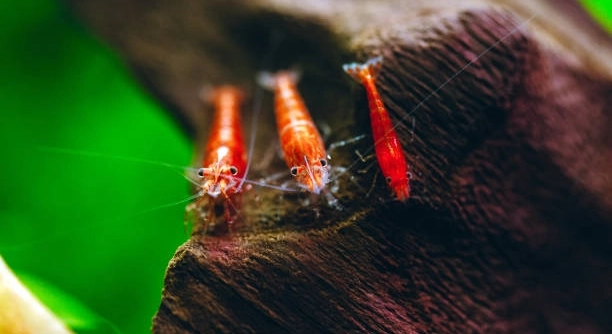
Do you enjoy keeping a vibrant aquarium and watching your cherry shrimp explore their environment? Cherry shrimp are small, active creatures that interact with plants, hiding among leaves and grazing on surfaces throughout the tank.
Cherry shrimp do not require a wide variety of plant species to thrive. While plant density and structure provide hiding spaces and surfaces for biofilm growth, the specific types of plants are not critical for their overall health and behavior.
Understanding how plants influence shrimp behavior can improve your aquarium setup. This knowledge helps create a comfortable and safe environment for your cherry shrimp.
How Plant Variety Affects Cherry Shrimp Behavior
Cherry shrimp spend much of their time grazing on surfaces and hiding among plants. While a mix of plant types can create interesting textures and spaces, the shrimp mainly respond to cover and surface area. Mosses, ferns, and floating plants all provide areas for biofilm growth, which is their primary food source. Dense planting allows them to feel secure, reducing stress and promoting activity. Shrimp are naturally cautious, and having several hiding spots can encourage natural behaviors, including exploring and grazing. Even a single plant species, if dense enough, can provide adequate shelter and feeding surfaces. Overcrowding or bare spaces can lead to shy shrimp that stay hidden and eat less. Temperature, water quality, and tank mates also influence shrimp comfort more than the specific types of plants. Properly maintained plants can prevent algae overgrowth and improve water conditions, which directly benefits shrimp health and longevity.
Plant variety is more about aesthetics than necessity for shrimp well-being. Dense coverage is what matters most.
Having the right plant arrangement allows you to observe natural shrimp behavior and creates a balanced environment where they can thrive. Observing their grazing and hiding patterns becomes easier with sufficient cover, and shrimp often appear more active and vibrant. A variety of plant shapes can also help maintain biofilm diversity, providing slightly different feeding surfaces. While they do not favor one species over another, mixing textures can mimic a natural setting. Floating plants reduce light intensity and give shrimp shaded areas, which can reduce stress. Shrimp are sensitive to sudden changes in their environment, so a consistent and well-structured plant setup supports their daily routines. Even small adjustments, like adding moss or a few stems, can make the tank feel more secure and enriched for them. Proper plant care directly impacts shrimp behavior and overall tank harmony, making regular maintenance an important consideration.
Choosing Plants That Support Shrimp Health
Choosing plants with sturdy leaves and dense roots provides consistent shelter and grazing areas. Even simple plant types can meet shrimp needs effectively.
Mosses, java fern, and anubias are excellent for shrimp tanks. They grow slowly, are easy to maintain, and provide large surface areas for biofilm growth. Floating plants like duckweed or frogbit create shaded zones and reduce stress. Hardy stem plants can add vertical cover and increase hiding spots. Avoid delicate plants that are prone to decay, as decomposing material can affect water quality. A combination of rooted and floating plants ensures the shrimp have spaces to explore at different levels. The goal is to create an environment that feels secure and supports natural behavior, rather than focusing on having a wide variety of species. Regular trimming keeps plants healthy, prevents overcrowding, and maintains water flow. Well-chosen plants improve oxygenation, reduce nitrates, and create an overall healthier habitat for cherry shrimp. This approach allows the tank to stay visually appealing while meeting all the shrimp’s ecological and behavioral needs.
Benefits of Dense Planting
Dense planting gives shrimp plenty of hiding spots, which reduces stress. It also provides surfaces for biofilm, their primary food, and encourages natural grazing and movement throughout the tank.
A heavily planted tank allows cherry shrimp to feel secure while they explore. Moss, ferns, and dense stem plants offer multiple levels for grazing and shelter. Shrimp are cautious and will avoid open spaces if they feel exposed. Dense plants also slow water flow in certain areas, giving shrimp calm zones to rest. These areas encourage activity during feeding and help shrimp maintain their health by reducing stress. Even a single plant species, if planted densely, can meet these needs efficiently, supporting both feeding and natural behavior.
Dense planting helps maintain water quality and reduces algae growth. Plants absorb nitrates, provide oxygen, and create microhabitats that mimic natural environments. Floating plants can shade the tank, lowering stress levels. A well-planted aquarium balances aesthetics with shrimp welfare, creating an environment that is both visually appealing and functionally supportive. Regular maintenance, including trimming and removing decaying leaves, ensures that the planted areas remain healthy and continue to provide food and shelter for the shrimp. Over time, this setup encourages active, thriving shrimp populations that exhibit natural behaviors consistently.
Selecting Shrimp-Friendly Plants
Choose plants that are hardy, slow-growing, and provide ample surface area for grazing and hiding. Java fern, anubias, and moss are excellent choices.
Hardy plants are ideal because they withstand water fluctuations and grow without constant attention. Java fern and anubias attach to rocks or driftwood, offering surfaces for biofilm, while moss creates intricate spaces for shrimp to hide and forage. Floating plants like duckweed give shade and reduce light intensity, which lowers stress. Stem plants add vertical structure and break up open swimming areas. Avoid delicate plants that decay quickly, as they can impact water quality. A mix of rooted and floating plants ensures varied textures and spaces, supporting natural shrimp behavior while keeping the tank stable.
Plants also play a key role in maintaining a healthy environment. They help reduce nitrates, produce oxygen, and provide zones where shrimp can rest safely. The surfaces of leaves and moss develop biofilm, which is a critical food source for shrimp. Strategically placing plants in clusters allows for safe exploration, while open areas encourage swimming and social interaction. Maintaining plant health through trimming and removing dead material prevents decay that could harm water quality. This careful selection and placement of plants supports shrimp activity, feeding, and overall tank balance, making the aquarium more functional and visually appealing.
Importance of Leaf Surfaces
Shrimp rely on plant surfaces to graze for biofilm and microorganisms. Leaves, moss, and textured plants give them the nutrition they need while also offering places to hide.
Larger leaves provide resting spots and reduce stress by creating shaded areas. Even simple plants with broad surfaces can support healthy grazing habits and natural behavior in cherry shrimp.
Floating vs. Rooted Plants
Floating plants create shaded zones that calm shrimp and reduce light intensity. Rooted plants add vertical structure, giving shrimp places to explore at different levels. Combining both types ensures a balanced environment with adequate hiding spots and feeding surfaces for consistent shrimp activity.
Maintaining Plant Health
Healthy plants prevent water issues and support shrimp nutrition. Regular trimming and cleaning remove decaying leaves that could impact water quality.
Choosing Low-Maintenance Options
Low-maintenance plants like moss, java fern, and anubias thrive with minimal care. They provide consistent grazing surfaces and shelter without frequent intervention, keeping the aquarium stable and safe for shrimp.
FAQ
Do cherry shrimp prefer specific plant types?
Cherry shrimp do not require specific plant species. They are more concerned with the amount of cover and surfaces available for grazing. Dense plants with textured leaves, mosses, and ferns provide surfaces for biofilm, their primary food, and create safe hiding areas. A single plant type, if planted densely, can meet their needs effectively.
How many plants should I have in a shrimp tank?
The number of plants depends on tank size and shrimp population. Covering roughly half to two-thirds of the tank with plants is usually sufficient. This ensures enough hiding spots, grazing surfaces, and shaded areas while leaving swimming space. Overcrowding can reduce water flow, so balance is key.
Can cherry shrimp survive in a bare tank?
They can survive, but a bare tank increases stress and reduces grazing opportunities. Shrimp may hide less and be less active. Providing even a few moss clumps or hardy plants significantly improves their comfort, encourages natural behavior, and supports feeding through biofilm growth.
Are floating plants beneficial for shrimp?
Yes, floating plants reduce light intensity and create shaded areas. These zones lower stress and provide temporary hiding spots. They also improve water quality by absorbing nutrients and slowing algae growth. Even a small layer of floating plants can positively impact shrimp behavior and overall tank balance.
Do shrimp eat live plants?
Cherry shrimp generally do not eat healthy, strong plants. They primarily feed on biofilm and microorganisms on the surfaces. They may nibble on decaying leaves, which can provide additional nutrients. Choosing hardy plants reduces the risk of damage while still supporting shrimp feeding habits.
How often should I trim plants in a shrimp tank?
Trimming frequency depends on plant growth. Regular trimming every few weeks prevents overcrowding, ensures water circulation, and maintains clean grazing surfaces. Removing decaying leaves prevents water quality issues, while maintaining healthy plant density encourages natural shrimp behavior.
Can shrimp survive without moss?
Yes, but moss offers dense grazing surfaces and microhabitats that other plants may not provide. Moss is particularly useful for baby shrimp, giving them protection and access to food in small, safe spaces. Tanks without moss should have other plants that create similar cover and feeding surfaces.
Do different plant textures affect shrimp behavior?
Yes, plants with varied textures create diverse grazing opportunities and hiding spaces. Shrimp often explore leaves, stems, and moss differently. Rough surfaces encourage biofilm growth, while smooth leaves may be used mainly for resting. Mixing textures keeps shrimp active and engaged in their environment.
Are live plants necessary for cherry shrimp health?
Live plants are not strictly necessary, but they significantly improve water quality and provide surfaces for natural grazing. Artificial plants cannot support biofilm growth the same way, making live plants more beneficial for shrimp nutrition and stress reduction.
How do I balance plant density with swimming space?
Plant enough to cover hiding spots and grazing areas while leaving open spaces for swimming. Avoid overcrowding, which can reduce water flow and increase debris buildup. A balanced layout supports both activity and security, ensuring shrimp thrive in a comfortable environment.
Can shrimp damage plants over time?
Cherry shrimp generally cause minimal damage to healthy plants. They focus on biofilm and microorganisms rather than plant tissue. Occasional nibbling on soft or decaying leaves may occur, but robust plants withstand shrimp activity without issues. Regular plant maintenance prevents any potential problems.
What is the easiest plant setup for a beginner?
A mix of low-maintenance plants like moss, java fern, and anubias provides surfaces for grazing and shelter without frequent care. Floating plants can reduce light intensity, and a few hardy stem plants add vertical structure. This setup keeps the tank functional and supports natural shrimp behavior.
Do shrimp care about plant color?
Shrimp are not influenced by plant color. They respond to the structure, density, and surface availability rather than aesthetics. Green plants simply offer a natural environment that supports grazing and hiding, which is more important than color variety in the tank.
How does plant maintenance affect shrimp health?
Maintaining healthy plants ensures biofilm growth, clean water, and adequate hiding spots. Trimming, removing decaying leaves, and preventing overcrowding directly impact shrimp activity, stress levels, and overall well-being. Neglecting plant care can lead to poor water quality and reduced shrimp activity.
Can shrimp live with artificial plants instead of live ones?
They can, but artificial plants do not support biofilm growth like live plants. Without biofilm, shrimp may need supplemental feeding. Artificial plants still offer hiding spots, but overall behavior, feeding opportunities, and tank balance improve significantly with live plants.
Is plant variety more important than density?
Density is more important than variety. Shrimp need cover and surfaces for biofilm rather than multiple plant species. A dense planting of a single species often meets all their needs, while sparse planting, even with several species, may leave them exposed and stressed.
How do floating plants affect water parameters?
Floating plants absorb excess nutrients, reducing nitrate levels and slowing algae growth. They also shade the tank, helping to stabilize temperature and light intensity. This indirectly benefits shrimp by maintaining cleaner, calmer water and supporting healthier plant growth throughout the tank.
Do baby shrimp need different plant setups?
Baby shrimp need dense, fine-leaved plants or moss to provide protection and grazing surfaces. Larger plants may not offer enough shelter for them. A well-planted tank ensures juvenile shrimp have areas to hide, feed, and grow safely, increasing survival rates and promoting healthy development.
Can shrimp thrive in a tank with only one plant species?
Yes, as long as the plant is dense and provides enough hiding spaces and surfaces for biofilm. Variety adds visual interest but does not significantly impact shrimp health or behavior if density and coverage are sufficient.
How often should I check plant health for shrimp tanks?
Weekly inspection is ideal to remove decaying leaves, monitor growth, and prevent overcrowding. Healthy plants ensure grazing surfaces, proper hiding spots, and good water quality. Regular checks maintain a stable and safe environment for all shrimp.
Cherry shrimp are small, delicate creatures that thrive best in a well-planted aquarium. Plants provide more than just decoration—they give shrimp essential surfaces for grazing, areas to hide, and a sense of security. Dense plants like moss, ferns, and anubias create spaces where shrimp can explore without feeling exposed. Even simple, slow-growing plants can make a big difference. Shrimp rely heavily on biofilm, a layer of microorganisms that forms on leaves and surfaces, for food. Without sufficient plant surfaces, shrimp may become stressed, hide more, and show less natural activity. The goal is to provide a safe and supportive environment that encourages natural behavior rather than focusing on variety alone. A tank that feels secure to shrimp promotes healthy activity, feeding, and growth, which is the most important factor for their well-being.
Maintaining plant health is equally important as choosing the right species. Regular trimming and removing decaying leaves prevent water quality issues that could affect shrimp. Dense plants slow water flow in certain areas, giving shrimp calm zones to rest, while floating plants reduce light intensity and create shaded spaces that lower stress levels. By balancing plant density and open swimming areas, you create a habitat that supports both activity and safety. Low-maintenance plants like moss, java fern, and anubias are ideal because they provide consistent surfaces and do not require constant attention. Even a single species, if planted well, can meet shrimp needs effectively. Over time, a stable, well-planted tank encourages shrimp to exhibit natural behaviors, such as grazing, exploring, and interacting with the environment, which is key to a healthy and thriving aquarium.
Focusing on plant structure and density rather than variety simplifies shrimp care while still supporting their health. While adding different plant types can enhance the tank visually, the priority should be on creating sufficient hiding spots, feeding surfaces, and shaded areas. Floating plants, stem plants, and moss each serve a purpose, contributing to a balanced habitat. Shrimp do not care about color or species variety—they respond to safety, grazing opportunities, and environmental stability. Paying attention to these factors ensures that shrimp are active, healthy, and comfortable. Maintaining a well-planted aquarium is not only about aesthetics; it is about providing a functional, supportive environment where cherry shrimp can thrive, grow, and display their natural behaviors consistently. A thoughtful approach to planting supports both the shrimp’s well-being and the overall balance of the tank ecosystem.

Hello,
If you enjoy the content that we create, please consider saying a "Thank You!" by leaving a tip.
Every little bit helps us continue crafting quality advice that supports the health, happiness, and well-being of pets around the world, for pets of all shapes, sizes, and species.
We really appreciate the kindness and support that you show us!