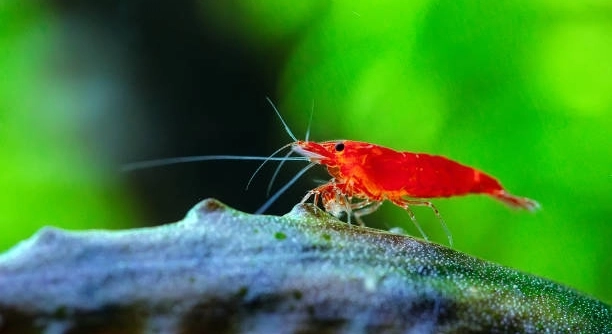
7 Best Plants for Cherry Shrimp Tanks

Keeping cherry shrimp in a tank can be rewarding, but creating a suitable environment is key. Plants provide shelter, improve water quality, and create a natural feel for your tiny aquatic friends to thrive safely. The best plants for cherry shrimp tanks include mosses, floating plants, and low-light species that offer hiding spots, grazing surfaces, … Read more
Do Cherry Shrimp React to Background Noise?

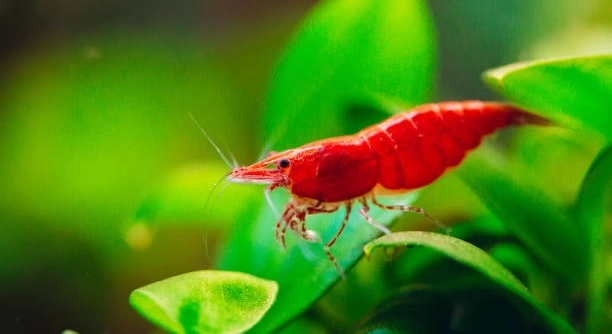
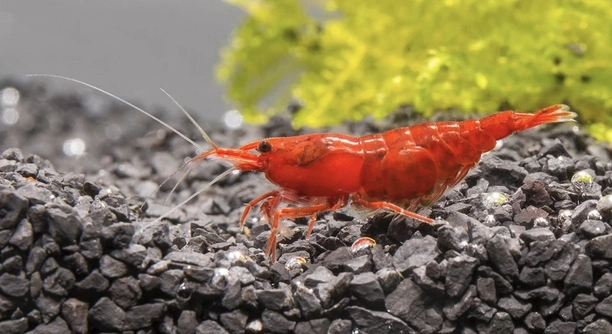
Do you enjoy keeping aquariums and find yourself noticing how even small creatures react to their environment? Cherry shrimp are delicate and sensitive, and their reactions to everyday changes can be subtle but telling. Cherry shrimp exhibit minimal reaction to typical background noise. While sudden vibrations or extremely loud sounds may cause brief changes in … Read more

Why Are My Cherry Shrimp Only on the Glass?

Have you ever noticed your cherry shrimp spending most of their time clinging to the aquarium glass, making you wonder what keeps them there instead of exploring the rest of the tank each day? Cherry shrimp often stay on the glass due to biofilm growth, stable water flow, and safer visibility. These conditions provide reliable … Read more

Why Cherry Shrimp Group Together in Strange Ways

Cherry shrimp are small, colorful freshwater creatures that often gather in clusters. Their social behavior can seem unusual, especially when they move together in tight groups within aquariums or natural habitats. Cherry shrimp group together primarily for protection and environmental comfort. Clustering reduces stress by creating a sense of security, allowing them to monitor potential … Read more

How Long Do Cherry Shrimp Live?

Have you ever enjoyed watching cherry shrimp gracefully move around your tank and wondered how long they might stay with you? These tiny, colorful creatures can bring life and charm to any aquarium. Their presence is quietly calming. Cherry shrimp typically live between one and two years, depending on water quality, diet, and tank conditions. … Read more

7 Ways Cherry Shrimp Communicate Stress

Do you enjoy keeping cherry shrimp in your aquarium but notice some behaving unusually or hiding more than usual? Observing their actions can reveal subtle signs of stress that may affect their health and activity. Cherry shrimp communicate stress through specific behaviors, including color fading, excessive hiding, erratic swimming, reduced feeding, frequent molting, rubbing against … Read more

7 Things You Can Feed in an Emergency

Are your pantry shelves looking emptier than usual after unexpected events? Emergencies can happen at any time, and knowing what to feed yourself or your family can make a stressful situation easier to manage. In emergency situations, it is essential to focus on foods that are non-perishable, nutritious, and simple to prepare. Items such as … Read more

7 Tools That Make Shrimp Care Way Easier

Have you ever struggled to keep your shrimp tank clean and healthy while managing all the small details? Maintaining water quality, feeding schedules, and monitoring their environment can feel overwhelming for any hobbyist. Using specialized tools can greatly simplify shrimp care. Automated feeders, water testing kits, and algae scrapers reduce daily maintenance, while shrimplets nets, … Read more

Can You Keep Cherry Shrimp with Tetras?

Keeping cherry shrimp in a tank can be a peaceful and rewarding experience. These tiny, colorful creatures bring life and movement to aquariums. They can coexist with other species, creating a lively aquatic environment that feels balanced and calm. Cherry shrimp can be kept with certain tetras, provided the tank is well-planted and offers hiding … Read more

Are Shrimp More Active When You’re Not Around?

Are your shrimp moving more than usual when you leave the room? Many shrimp owners notice subtle changes in behavior that seem linked to their presence. Observing these patterns can help you understand your aquatic pets better. Shrimp often exhibit increased activity when unobserved due to reduced stress and perceived safety. The presence of humans … Read more