
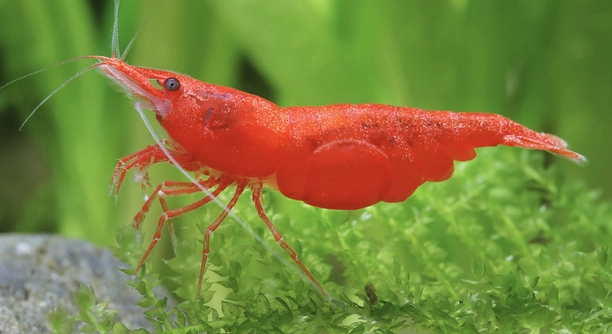
Do you enjoy keeping cherry shrimp in your aquarium but notice some behaving unusually or hiding more than usual? Observing their actions can reveal subtle signs of stress that may affect their health and activity.
Cherry shrimp communicate stress through specific behaviors, including color fading, excessive hiding, erratic swimming, reduced feeding, frequent molting, rubbing against surfaces, and clustering. Recognizing these signals early is essential for maintaining optimal water conditions and overall shrimp well-being.
Understanding these behaviors can help you create a calmer, healthier environment for your shrimp and prevent long-term stress-related issues in your tank.
Color Fading
Cherry shrimp often show stress through a noticeable fading in their vibrant colors. When their red or orange tones become dull, it is usually a response to poor water quality, lack of proper nutrition, or overcrowding in the tank. Stress causes shrimp to conserve energy and reduces their natural pigmentation. Temperature fluctuations, sudden changes in pH, or high ammonia and nitrate levels can also trigger this behavior. Observing your shrimp daily can help catch these signs early before they lead to illness. Maintaining a stable environment, providing proper food, and ensuring plenty of hiding spaces can help restore their natural color and reduce stress over time.
Faded colors are not always permanent but indicate your shrimp are experiencing discomfort that needs attention.
Monitoring water parameters closely and adjusting feeding routines can help reverse the fading. Ensuring plants or decorations for hiding will also improve their sense of security, allowing them to regain vibrancy and normal behavior over a few weeks.
Excessive Hiding
Shrimp that hide constantly may be experiencing stress from tank mates, sudden disturbances, or inadequate shelter. They retreat to corners or plants and avoid open areas.
Excessive hiding can reduce feeding and social interactions, leading to weaker shrimp over time. A crowded tank or aggressive species can heighten this behavior. Providing more hiding spaces, including moss, caves, or dense plants, encourages shrimp to feel safer and more active. Observing their hiding patterns helps identify environmental stressors. Adjusting lighting, avoiding sudden movements, and reducing tank noise can also lower stress levels. In some cases, chemical imbalances in the water can drive shrimp to seek refuge, so testing water regularly is crucial. Balancing population density, ensuring clean water, and providing a stable diet supports their overall health and encourages natural exploration, allowing shrimp to show normal behavior rather than staying hidden.
Erratic Swimming
Erratic swimming, such as sudden bursts, spinning, or darting, often signals stress. Changes in water parameters, lack of oxygen, or aggressive tank mates can trigger this behavior, making shrimp appear unsettled and unsafe in their environment.
This behavior can indicate a serious issue with the tank’s conditions. Rapid movements or frequent collisions with decorations may cause physical harm over time. Monitoring water temperature, pH, and ammonia levels is essential. Stress from overcrowding or sudden introduction of new tank mates can also trigger erratic swimming. Observing patterns helps identify specific causes. Adjusting water quality and providing calm, consistent surroundings reduces the risk of injury and helps shrimp regain normal swimming habits.
Erratic swimming often worsens if ignored. Providing gentle filtration, stable water conditions, and enough hiding spaces allows shrimp to recover and regain predictable, smooth movements over days. Consistency in care minimizes repeated stress episodes.
Reduced Feeding
Shrimp that eat less than usual are likely experiencing stress from environmental factors or illness. Their appetite decreases, making it harder to maintain proper nutrition and energy.
Reduced feeding often occurs due to poor water quality, sudden changes in temperature, or aggressive tank mates. Shrimp may retreat to hiding spaces and avoid the main feeding area, consuming only minimal food. Nutrient deficiencies over time can affect their color, growth, and molting cycles. It is important to monitor feeding habits daily. Adjusting feeding schedules, providing high-quality food, and maintaining clean water improves appetite and overall shrimp health. Observing which shrimp are consistently eating less helps identify stress triggers, allowing timely intervention to prevent long-term health problems.
Frequent Molting
Frequent molting can indicate stress caused by poor water conditions, rapid temperature changes, or insufficient minerals. Shrimp shed their exoskeletons more often when they are uncomfortable or trying to adapt to an unstable environment.
Monitoring water parameters and maintaining stable conditions reduces unnecessary molting. Proper calcium and mineral levels support healthy exoskeleton development and prevent repeated stress-related shedding.
Rubbing Against Surfaces
Shrimp rubbing against tank surfaces, decorations, or plants often indicates irritation or discomfort. This behavior can be caused by parasites, poor water quality, or chemical imbalances in the aquarium. Observing this action consistently helps identify issues early. Correcting water parameters and cleaning surfaces reduces irritation and prevents further stress.
Clustering
Clustering occurs when shrimp gather tightly in a corner or around a hiding spot. This behavior is a response to stressors like aggressive tank mates, overcrowding, or sudden environmental changes. Shrimp cluster to feel safer and reduce exposure to perceived threats.
Rapid Gill Movement
Rapid gill movement signals that shrimp are struggling to breathe properly. This usually happens due to low oxygen levels, poor filtration, or high ammonia and nitrate concentrations in the water. Regular testing and maintaining clean, well-oxygenated water can prevent respiratory stress.
How can I tell if my cherry shrimp is stressed?
Stress in cherry shrimp shows through several behavioral and physical signs. Look for faded colors, excessive hiding, erratic swimming, reduced feeding, frequent molting, rubbing against surfaces, and clustering. Any combination of these behaviors can indicate discomfort or environmental issues. Regular observation helps catch stress early.
What are the most common causes of stress in cherry shrimp?
The main stressors include poor water quality, sudden temperature changes, overcrowding, aggressive tank mates, and inadequate nutrition. Chemical imbalances, such as high ammonia, nitrites, or nitrates, also trigger stress. Providing stable water parameters, gentle filtration, and proper feeding reduces these problems.
How often should I check water conditions for my shrimp?
Daily observation is ideal, focusing on temperature, pH, ammonia, nitrite, and nitrate levels. Weekly partial water changes and testing help maintain stability. Using a reliable test kit ensures accurate readings and prevents long-term stress from unnoticed changes.
What can I do if my shrimp are hiding too much?
Add more plants, moss, or decorations to create secure hiding spots. Reduce sudden movements around the tank and avoid overcrowding. Maintaining calm lighting and consistent water conditions encourages shrimp to explore rather than remain hidden.
Why do some shrimp swim erratically?
Erratic swimming often results from stress caused by poor water conditions, low oxygen, or aggressive tank mates. It can also indicate illness or injury. Adjusting water quality, providing hiding spots, and ensuring gentle filtration can reduce erratic behavior.
How can I improve feeding habits in stressed shrimp?
Provide small, high-quality portions multiple times a day. Remove uneaten food to prevent water contamination. Offering a variety of foods, including algae wafers and blanched vegetables, encourages consistent feeding. Stable water conditions also make shrimp more willing to eat.
Is frequent molting a bad sign?
Molting is natural, but excessive shedding often points to stress or mineral deficiencies. Monitor calcium and other essential minerals in the water. Stabilizing environmental conditions and avoiding sudden changes can reduce unnecessary molting episodes.
Why do shrimp rub against surfaces?
Rubbing against surfaces usually signals irritation from parasites, chemicals, or poor water quality. Observing this behavior helps identify issues early. Regular water changes, cleaning tank surfaces, and monitoring water parameters prevent further irritation and stress.
What does clustering behavior mean?
Shrimp cluster to feel safer when stressed. This is common in crowded tanks or when they feel threatened by aggressive tank mates. Providing more hiding spaces and maintaining calm, stable water conditions helps shrimp spread out naturally and reduces stress levels.
How can I prevent respiratory stress in cherry shrimp?
Ensure proper oxygenation through good filtration and water movement. Keep ammonia and nitrate levels low and maintain a stable temperature. Rapid gill movement indicates low oxygen, and prompt water adjustments can prevent long-term damage or illness.
Can stress affect shrimp health long-term?
Yes, prolonged stress can weaken the immune system, reduce growth, and increase susceptibility to disease. Consistently maintaining optimal water parameters, proper nutrition, and a calm environment is essential for long-term shrimp health.
Are there signs of stress that are easy to miss?
Subtle changes like slightly duller coloration, reduced activity, or intermittent hiding may go unnoticed. Regular observation and noting daily behavior patterns help catch early signs before they escalate into serious health issues.
What role does tank size play in stress?
Small tanks or overcrowded environments increase stress due to limited space and competition for food. Ensuring an adequately sized tank with sufficient hiding spots reduces tension and promotes natural behavior among shrimp.
How do water changes help reduce stress?
Partial water changes remove toxins, replenish minerals, and stabilize chemical levels. Regular changes prevent sudden spikes in ammonia, nitrites, or nitrates, reducing environmental stress and improving overall shrimp well-being.
Can stress cause shrimp to die suddenly?
Yes, extreme or prolonged stress weakens their immune system and can lead to sudden death. Addressing environmental issues, improving water quality, and monitoring behavior reduces the risk of mortality in your tank.
What are the best foods for stressed shrimp?
Offer a balanced diet including high-quality shrimp pellets, blanched vegetables, and occasional algae wafers. Proper nutrition supports energy levels, strengthens the exoskeleton, and helps shrimp recover from stress-related behaviors.
How quickly can shrimp recover from stress?
Recovery depends on the cause and severity. Minor stress can resolve in a few days with stable water and proper care, while prolonged or repeated stress may take weeks. Consistent monitoring and adjustments support a faster return to normal behavior.
Should I isolate stressed shrimp?
Isolation is rarely necessary unless a shrimp is injured or being harassed. Instead, focus on improving water conditions and adding hiding spots. Creating a calm environment benefits all shrimp and reduces overall tank stress.
How do I know if water quality is the main problem?
Test for ammonia, nitrites, nitrates, pH, and temperature fluctuations. Signs like erratic swimming, color fading, and rapid gill movement often indicate poor water quality. Correcting parameters usually improves behavior quickly.
Can stress affect shrimp reproduction?
Yes, stressed shrimp may delay or stop breeding. Maintaining stable water conditions, proper nutrition, and a calm environment encourages mating and supports healthy offspring. Stress reduction directly impacts reproductive success.
What small changes make the biggest difference in reducing stress?
Consistent water testing, adding hiding spots, adjusting feeding routines, and avoiding sudden temperature or chemical changes can significantly lower stress levels. Small, steady improvements often yield better results than major, abrupt interventions.
Cherry shrimp are delicate creatures, and their behavior can tell us a lot about their well-being. Stress can affect them in ways that are not always immediately visible. Observing color changes, hiding patterns, swimming habits, feeding, molting, surface rubbing, and clustering helps identify potential problems. Paying attention to these signs is important because early detection allows for timely adjustments in their environment. A small change in water quality, temperature, or tank population can make a noticeable difference in how your shrimp behave. Understanding their responses to stress provides the insight needed to maintain a healthy, thriving aquarium.
Maintaining stable water conditions is essential for preventing stress. Ammonia, nitrite, nitrate, and pH levels should be regularly monitored to avoid sudden fluctuations. Temperature should remain consistent, as rapid changes can trigger stress behaviors like erratic swimming or excessive hiding. Providing enough space and hiding spots reduces anxiety caused by overcrowding or aggressive tank mates. High-quality food supports overall health and encourages normal feeding behavior, while proper minerals help with healthy molting and exoskeleton development. Paying attention to these factors ensures that your shrimp feel safe, secure, and comfortable in their environment. Regular observation and consistent care create a stable, stress-free habitat that promotes natural activity and vibrant coloration.
Stress in cherry shrimp affects more than appearance or activity. Prolonged stress can weaken the immune system, slow growth, reduce reproduction, and even lead to death. Preventing stress requires a combination of stable water conditions, adequate nutrition, calm tank dynamics, and sufficient hiding spaces. Observing shrimp daily allows for early intervention, preventing small issues from becoming serious problems. By understanding their behavior and responding to stress indicators promptly, you can maintain a thriving aquarium where shrimp live healthily and display their natural colors and behaviors. Consistent care and attention help them remain active, feed properly, and reproduce successfully, ensuring long-term success in keeping cherry shrimp.

Hello,
If you enjoy the content that we create, please consider saying a "Thank You!" by leaving a tip.
Every little bit helps us continue crafting quality advice that supports the health, happiness, and well-being of pets around the world, for pets of all shapes, sizes, and species.
We really appreciate the kindness and support that you show us!