
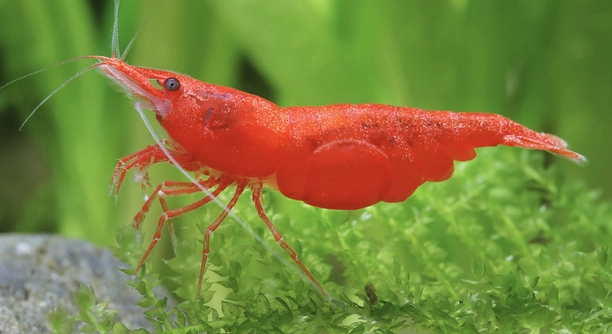
Have you ever enjoyed watching cherry shrimp gracefully move around your tank and wondered how long they might stay with you? These tiny, colorful creatures can bring life and charm to any aquarium. Their presence is quietly calming.
Cherry shrimp typically live between one and two years, depending on water quality, diet, and tank conditions. Maintaining a stable environment with proper temperature and pH levels is crucial for maximizing their lifespan.
Knowing how long these shrimp usually live can help you care for them better and make more informed decisions for your aquarium setup.
Factors That Affect Cherry Shrimp Lifespan
Cherry shrimp lifespan depends heavily on the environment they live in. Water temperature, pH balance, and hardness all influence how long they can thrive. Clean water is essential, as ammonia and nitrite spikes can be deadly. Filtration and regular water changes help maintain stable conditions, reducing stress and disease risks. Diet also matters; high-quality food with proper nutrients supports their growth and immune system. Overfeeding, on the other hand, can pollute the tank and shorten their life. Tank size and overcrowding play a role too, as limited space increases competition and stress. Hiding spots and plants help them feel safe and comfortable. Keeping shrimp with compatible tank mates is important, as aggressive fish may harm or stress them. Even small changes in water parameters can have a noticeable effect, so regular monitoring is key. Attention to these details can significantly extend their lifespan and overall health.
Maintaining clean, stable water and a balanced diet is one of the easiest ways to help shrimp live longer.
Cherry shrimp are sensitive creatures. Even minor fluctuations in water temperature or pH can stress them, leading to illness. Providing a well-planted tank with hiding spaces encourages natural behavior and reduces stress. Overcrowding can cause competition for food and space, so keeping a reasonable number is essential. Feeding small, frequent portions prevents overfeeding and water contamination. Observing shrimp behavior regularly can help detect early signs of disease, allowing quick action. Removing dead or decaying matter promptly keeps water quality high. Proper filtration and regular water changes maintain a healthy environment. Stress-free conditions increase molting success, growth, and reproduction rates. By carefully managing these factors, you can help your shrimp reach their full lifespan potential.
Common Health Issues
Poor water conditions often lead to health problems in cherry shrimp. Regular maintenance prevents many issues.
Shrimp are prone to shell diseases, molting problems, and bacterial infections. Changes in water chemistry or poor nutrition can trigger these problems. Monitoring water parameters, feeding quality food, and keeping the tank clean are critical. Early intervention can save affected shrimp. Overcrowding or aggressive tank mates also increase stress, making shrimp more vulnerable to illness. Maintaining a calm, stable environment reduces the risk of health issues and supports natural behavior. By paying attention to these factors, you can prevent most common diseases.
Monitoring for molting problems is important. If shrimp struggle to molt, it can be fatal. Molting requires adequate calcium and other minerals, so supplementing their diet when necessary helps prevent deformities. Stress, poor water quality, or sudden temperature changes can delay molting or cause incomplete molts. Shell diseases often appear as white spots or discoloration and can spread if ignored. Bacterial infections can cause lethargy, fading color, or death. Quarantining new shrimp and avoiding rapid changes in water conditions help reduce these risks. Observing shrimp daily allows you to catch issues early. Healthy shrimp are active, bright in color, and regularly molt, while struggling shrimp may hide or appear weak. Careful attention and consistent tank management support longevity and well-being.
Ideal Tank Conditions
Cherry shrimp thrive in a stable, well-maintained tank with clean water and proper temperature. Keeping pH around 6.5–7.5 and temperature between 72–78°F supports their health and growth. Plants and hiding spots reduce stress.
A good filtration system and regular water changes are essential. Even small amounts of ammonia, nitrites, or nitrates can harm shrimp, so testing water weekly is important. Overcrowding should be avoided, as it increases stress and competition for food. Plants, moss, and decorations provide places to hide and feel secure. Balanced feeding prevents leftover food from polluting the water, keeping the environment healthy. Attention to these details ensures your shrimp can grow and reproduce without unnecessary stress or disease risks.
Lighting and tank placement also affect shrimp wellbeing. Too much light can encourage algae growth, while too little can stunt plant growth, which they use for shelter and grazing. Observing shrimp behavior helps determine if conditions are comfortable. Active, colorful shrimp indicate a healthy setup. Adjustments to temperature, pH, or feeding routines can make a noticeable difference. A calm tank with minimal sudden changes allows shrimp to thrive naturally. Over time, consistent maintenance creates a reliable habitat where shrimp feel safe, reducing mortality and supporting normal molting and reproduction cycles.
Feeding and Nutrition
High-quality food and proper feeding schedules are vital for shrimp health. Overfeeding can harm water quality, while underfeeding affects growth.
Cherry shrimp require a varied diet, including algae, biofilm, and specially formulated shrimp pellets. Vegetables like zucchini or spinach can be offered occasionally. Feeding small amounts daily prevents leftover food from decomposing, which can pollute the tank. Proper nutrition ensures successful molting and vibrant coloration. Shrimp will graze on biofilm and plants, supplementing their diet naturally. Observing shrimp while feeding helps gauge if portions are appropriate. Adjusting feeding based on shrimp activity ensures they get enough nutrients without affecting water quality.
Calcium and other minerals are essential for strong shells and healthy molting. Without proper nutrition, shrimp may struggle during molts, leaving them vulnerable to disease or injury. Biofilm and plant matter provide natural nutrients and support their digestive health. Shrimp will often seek out these sources if available, so a planted tank can help supplement their diet. Feeding a variety of foods promotes growth, reproduction, and coloration. Carefully monitoring how much and what types of food are consumed helps maintain balance in the tank. Regular adjustments keep shrimp thriving over time.
Tank Mates
Cherry shrimp do best with peaceful tank mates that won’t stress or eat them. Small snails, shrimp-safe fish, and other invertebrates are ideal companions. Avoid aggressive or large fish that can harm them.
Keeping shrimp with compatible species reduces stress and mortality. Overcrowding or constant chasing can lead to injuries and shorten lifespan.
Breeding Considerations
Cherry shrimp breed easily in a stable, well-planted tank. Females carry eggs under their tails for about 30 days before hatching. Providing hiding spots for juveniles increases survival rates. Maintaining proper water parameters ensures successful reproduction, as stressed or unhealthy shrimp may not breed reliably. Consistent feeding and clean water encourage growth and molting, supporting healthy offspring.
Signs of Aging
Older cherry shrimp may become less active and lose some coloration. Monitoring these changes helps determine their care needs.
FAQ
How long do cherry shrimp usually live?
Cherry shrimp typically live between one and two years under optimal conditions. Water quality, diet, temperature, and tank stability all influence their lifespan. Proper care and a clean, well-maintained tank can help them reach the upper end of their lifespan range.
What water parameters are best for cherry shrimp?
They prefer a temperature of 72–78°F and a pH of 6.5–7.5. Soft to moderately hard water supports healthy molting and growth. Regular testing for ammonia, nitrites, and nitrates is essential, as even small spikes can harm shrimp. Stability is more important than hitting exact numbers.
Can cherry shrimp live with other fish?
Yes, but only with peaceful, small species. Avoid large or aggressive fish that may eat or stress them. Snails, other shrimp, and calm microfish usually coexist well. Overcrowding or frequent chasing can reduce their lifespan and affect reproduction.
What do cherry shrimp eat?
They feed on algae, biofilm, and specialized shrimp pellets. Vegetables like zucchini or spinach can be added occasionally. A varied diet ensures proper nutrition for molting, growth, and reproduction. Overfeeding should be avoided to prevent water pollution.
How often should I feed cherry shrimp?
Small daily portions are ideal. Shrimp graze naturally on biofilm and plants, so supplemental feeding should be minimal. Observing their behavior during feeding helps adjust the amount. Too much food can degrade water quality, while too little slows growth.
Why do cherry shrimp die suddenly?
Sudden deaths are often caused by poor water quality, rapid temperature changes, or aggressive tank mates. Disease and inadequate nutrition can also play a role. Regular monitoring, consistent water parameters, and proper feeding reduce risks. Quarantining new shrimp helps prevent introducing illness.
How do I know if my shrimp are healthy?
Active behavior, bright color, and regular molting indicate good health. Lethargy, faded coloration, or difficulty molting can signal stress or illness. Observing them daily and maintaining a clean, stable tank environment supports long-term health.
Can cherry shrimp reproduce in a small tank?
Yes, as long as water quality is stable and hiding spots are available. Females carry eggs for about 30 days. Juveniles need cover to survive, so plants and moss are important. Proper feeding supports growth and successful reproduction.
Do I need special lighting for cherry shrimp?
Lighting is mostly for plants rather than shrimp themselves. Moderate lighting encourages algae growth, which shrimp eat. Avoid excessive light to prevent algae overgrowth, which can harm water quality. Balance helps maintain both plants and shrimp health.
How can I prevent molting problems?
Provide a calcium-rich diet and stable water parameters. Stress, poor nutrition, or sudden changes in temperature or water chemistry can cause molting issues. Regular observation and consistent care reduce the risk of incomplete molts, keeping shrimp safe and healthy.
Is it necessary to remove uneaten food?
Yes, leftover food can decompose and pollute water, raising ammonia and nitrite levels. Remove uneaten portions after a few hours and monitor feeding habits. This prevents water contamination and supports a healthier environment for shrimp.
What is the best way to introduce new shrimp?
Quarantine new shrimp for at least a week to check for disease. Acclimate them slowly to tank temperature and water chemistry. Adding them gradually reduces stress and prevents sudden shifts that could harm both new and existing shrimp.
Do cherry shrimp need plants in the tank?
Yes, plants provide hiding spots, surfaces for biofilm growth, and a sense of security. Moss, live plants, and decorations help juveniles survive and reduce stress for adults. A planted tank encourages natural behavior and supports overall health.
How do I handle tank stress for shrimp?
Keep water parameters stable, avoid overcrowding, and minimize sudden changes in lighting or temperature. Providing hiding spaces and compatible tank mates reduces stress. Consistent feeding and observation help detect early signs of problems. A calm environment supports longevity and reproduction.
Can cherry shrimp live in tap water?
They can if the water is properly treated and parameters are adjusted. Chlorine or chloramine must be removed, and pH and hardness should be suitable. Testing water regularly ensures safe conditions. Untreated tap water can be harmful or fatal.
How do I identify a female shrimp?
Females are larger, with a more curved underbelly to carry eggs. They often appear brighter in color than males. Observing these characteristics helps with breeding and monitoring reproduction within the tank.
What happens if the tank temperature fluctuates?
Temperature swings cause stress, reduce immunity, and can lead to molting problems or death. Maintaining a consistent temperature within the preferred range is essential. Avoid placing the tank near heaters, windows, or vents where sudden changes occur.
Can cherry shrimp live alone?
Yes, but they are more active and show natural behaviors when in small groups. Isolation can reduce activity and affect overall wellbeing. A few companions improve grazing, molting, and social interactions, contributing to healthier shrimp.
How often should I clean the tank?
Partial water changes weekly and substrate cleaning as needed maintain stable water parameters. Avoid over-cleaning, which removes beneficial bacteria. Regular maintenance ensures a healthy environment and reduces the risk of disease.
Do cherry shrimp need supplements?
Calcium and minerals help support molting and shell strength. Many shrimp foods contain these, but additional supplements may be needed if deficiencies appear. Proper diet and water quality reduce the need for extra additives.
Why do shrimp hide a lot?
Hiding is normal, especially during molting or when stressed. Lack of cover, aggressive tank mates, or sudden changes can increase hiding behavior. Adequate plants and decorations provide safety and reduce stress, allowing shrimp to be more active.
Can I keep cherry shrimp with snails?
Yes, snails are generally compatible. They don’t compete aggressively for food and help clean leftover debris. Avoid large or predatory snail species that may pose a risk.
How long do juvenile shrimp take to grow?
Juveniles grow gradually over several months, reaching adult size within six months under proper conditions. Adequate food, water quality, and minimal stress support healthy growth and survival rates.
Is it normal for shrimp to lose color?
Fading color can indicate stress, poor nutrition, or aging. Ensuring proper water parameters, a balanced diet, and a calm environment helps maintain their natural coloration. Occasional color changes during molting are normal.
Do cherry shrimp need a heater?
A heater helps maintain stable temperatures, especially in cooler climates. Sudden drops in temperature stress shrimp and affect molting and reproduction. Use a reliable heater and thermometer to ensure consistent warmth.
What should I do if a shrimp dies?
Remove dead shrimp promptly to prevent water contamination. Check water parameters and observe other shrimp for signs of illness. Addressing the cause helps protect the remaining population.
Can cherry shrimp survive in a small tank?
Yes, small tanks work if water parameters are stable and overcrowding is avoided. Adequate plants and hiding spots are necessary, and maintenance must be consistent to ensure survival and reproduction.
How do I breed cherry shrimp successfully?
Stable water, adequate hiding spots, and proper nutrition are key. Females carry eggs for about 30 days, and juveniles need cover to survive. Healthy adults, consistent feeding, and clean water encourage reproduction.
What is the best substrate for cherry shrimp?
Fine gravel or sand works well. Substrates that support plant growth and biofilm development are ideal, providing natural food sources and safe surfaces for shrimp to explore. Avoid sharp or rough substrates that can injure them.
Do cherry shrimp need a filter?
Yes, a gentle filter maintains water quality without creating strong currents. Sponge filters are ideal as they provide filtration and protect juveniles from being sucked in. Proper filtration supports long-term health.
How long does it take for shrimp eggs to hatch?
Eggs typically hatch in about 30 days, depending on water temperature and stability. Females carry eggs under their tails, and maintaining clean, calm water increases survival rates for newly hatched shrimp.
Can cherry shrimp live with plants only?
Yes, planted tanks provide food, shelter, and grazing surfaces. Shrimp can thrive without fish if water parameters are stable. Plants create a natural environment, supporting growth, molting, and reproduction.
How do I tell if shrimp are molting successfully?
Successful molts leave an empty exoskeleton behind, and shrimp remain active and healthy afterward. Difficulty or incomplete molts can indicate stress, poor nutrition, or unsuitable water conditions. Observation and care prevent complications.
What is the ideal pH for cherry shrimp?
A pH of 6.5–7.5 is preferred. Stability is more important than exact numbers. Sudden shifts in pH can stress shrimp, cause molting issues, and reduce lifespan. Regular testing helps maintain safe conditions.
How often do shrimp molt?
Frequency varies by age and growth stage. Juveniles molt more often than adults. Proper nutrition, water quality, and low stress levels support regular molting and healthy development.
Can cherry shrimp survive without algae?
They can, but algae and biofilm provide a natural food source. Supplementing with shrimp pellets and vegetables ensures adequate nutrition, supporting growth, reproduction, and shell health.
Do shrimp need hiding spots for molting?
Yes, they are vulnerable during molting. Plants, moss, and decorations provide safe areas. Hiding spots reduce stress and improve survival rates, especially for juveniles.
What is the best temperature for breeding shrimp?
A stable 72–78°F promotes breeding activity and egg development. Temperature fluctuations can delay reproduction or harm eggs. Maintaining consistent warmth supports healthy growth and survival of juveniles.
How can I prevent shrimp stress?
Stable water, compatible tank mates, hiding spots, and consistent feeding reduce stress. Avoid sudden changes in lighting, temperature, or water chemistry. Observation helps detect early signs of discomfort.
Can shrimp survive in soft water?
Yes, soft water is suitable, but it should be free from harmful chemicals. Regular testing ensures calcium and mineral levels are sufficient for healthy molting and growth.
Do cherry shrimp need a specific tank size?
Small tanks work if water quality is maintained and overcrowding is avoided. Providing plants and hiding spots creates a comfortable environment, supporting survival and reproduction.
How often should I check water parameters?
Weekly testing for ammonia, nitrites, nitrates, pH, and hardness helps detect issues early. Regular monitoring prevents stress, disease, and premature death.
Can cherry shrimp survive cold temperatures?
Prolonged exposure to temperatures below 68°F can stress or kill shrimp. Maintaining warmth with a heater ensures stable conditions and supports molting, reproduction, and activity levels.
How do I handle shrimp diseases?
Identify symptoms early, maintain water quality, and isolate affected shrimp if possible. Proper nutrition and minimal stress reduce disease risks. Preventive care is more effective than treatment.
Do cherry shrimp need supplements for reproduction?
A balanced diet with calcium and minerals is usually enough. Some breeders add supplements to support shell strength and egg development. Consistent water quality and nutrition remain most important.
Can shrimp live with aggressive snails?
No, aggressive or large snails may harm shrimp. Only peaceful, slow-moving species are safe companions. Monitor interactions to ensure shrimp safety.
What are common signs of disease?
Lethargy, faded color, unusual spots, difficulty molting, and hiding excessively can indicate illness. Quick action and water quality checks help protect other shrimp.
How can I improve shrimp survival rates?
Stable water, proper nutrition, hiding spots, compatible tank mates, and careful observation increase survival. Avoid overcrowding and rapid changes in water chemistry or temperature.
Are cherry shrimp suitable for beginners?
Yes, they are hardy but sensitive to water quality. Consistent care, stable parameters, and proper feeding make them manageable for beginners willing to monitor their tank regularly.
Do shrimp require live plants to breed successfully?
Plants are highly beneficial for breeding as they provide hiding spots and surfaces for biofilm growth. Juveniles survive better in planted tanks, though breeding can occur without plants if hiding spaces exist.
How can I encourage coloration in shrimp?
A balanced diet, clean water, and minimal stress enhance natural color. Healthy shrimp display brighter, more vibrant shades. Avoid overcrowding and ensure proper nutrition for optimal coloration.
What is the most common cause of shrimp death?
Poor water quality, stress, and sudden changes in temperature or chemistry are the main causes. Regular maintenance, stable conditions, and careful monitoring prevent most deaths.
Can shrimp survive in tanks with no filtration?
A tank without filtration requires frequent water changes and careful monitoring. Filtration simplifies maintenance and helps maintain stable, safe conditions, reducing stress and improving survival.
How long do shrimp live in ideal conditions?
With proper care, stable water, a balanced diet, and minimal stress, cherry shrimp can live up to two years. Attention to daily care supports their full lifespan potential.
Do shrimp need special food for molting?
High-quality pellets, vegetables, and biofilm provide necessary nutrients. Calcium and minerals support healthy molts. Balanced nutrition is more important than any single supplement.
How do I acclimate new shrimp?
Introduce slowly by floating the bag in the tank and gradually mixing tank water. This prevents stress from sudden temperature or chemistry changes, improving survival.
Can shrimp survive alongside bettas?
Bettas may eat or stress shrimp, especially juveniles. Careful observation and plenty of hiding spots may allow coexistence, but risk remains high. Small, peaceful fish are safer.
Do shrimp need an air pump?
Not strictly necessary if the tank has proper filtration. An air pump can increase oxygenation, which helps maintain healthy water conditions, especially in crowded tanks.
What is the best way to clean a shrimp tank?
Perform partial water changes weekly and remove uneaten food or debris. Avoid over-cleaning, which removes beneficial bacteria. Regular maintenance keeps water stable and safe.
How do I know when shrimp are stressed?
Signs include hiding excessively, lethargy, faded color, or unusual swimming patterns. Observing behavior and maintaining stable conditions reduce stress and prevent health issues.
Can shrimp survive in brackish water?
Cherry shrimp prefer freshwater. Brackish water can stress or kill them. Maintaining soft to moderately hard freshwater ensures optimal health.
Do shrimp need a lid on the tank?
A lid prevents jumping and reduces evaporation. While shrimp rarely jump, a secure lid keeps the environment stable and safe from accidental escapes.
Can shrimp survive with algae eaters?
Small, peaceful algae eaters like otocinclus usually coexist well. Avoid larger species that may harm or eat shrimp. Observation is key to ensuring compatibility.
How can I prevent fungal infections?
Maintain clean water, stable parameters, and proper nutrition. Removing dead shrimp promptly and avoiding overcrowding reduces fungal risk. Early detection and care are crucial for prevention.
Do shrimp need a specific lighting schedule?
Moderate lighting supports plant growth and natural algae for grazing. Avoid excessive light, which encourages algae overgrowth. A simple day-night cycle is sufficient for healthy shrimp.
What happens if a shrimp molts unsuccessfully?
Incomplete molts can lead to injury, infection, or death. Proper nutrition, stable water, and hiding spots reduce risk. Observing shrimp daily helps catch issues early.
Can shrimp survive with freshwater plants only?
Yes, plants provide food, shelter, and biofilm surfaces. A planted tank supports natural behavior, growth, and reproduction without additional animals present.
How long do shrimp live without food?
Survival varies by age and size. Adults may last a few days to a week, but prolonged fasting stresses shrimp and increases mortality. Regular feeding is crucial.
Do shrimp need water conditioners?
Yes, removing chlorine and chloramine is necessary for tap water. Conditioners ensure water is safe and reduce stress on shrimp, supporting health and longevity.
How do I reduce shrimp aggression?
Keep compatible tank mates, avoid overcrowding, and provide plenty of hiding spots. Stress from aggressive neighbors can lead to injury, molting problems, or death.
Can shrimp live in a nano tank?
Yes, small tanks work if water quality is carefully maintained. Overcrowding must be avoided, and regular monitoring ensures stable, safe conditions for survival and reproduction.
Do shrimp prefer flowing or still water?
They prefer gentle currents. Strong flow can stress shrimp, while stagnant water may reduce oxygen levels. Proper filtration creates balanced water movement for comfort and health.
How do I know if shrimp are breeding?
Look for berried females carrying eggs under their tails. Juveniles appear after hatching, often hiding among plants. Consistent care encourages successful reproduction.
Can shrimp survive with other invertebrates?
Most peaceful invertebrates are compatible. Avoid predatory or aggressive species that may harm shrimp. Observation ensures all species coexist safely.
Do shrimp need UV sterilizers?
Not necessary for shrimp health. Sterilizers can help control algae and pathogens but are not required if water quality is maintained through filtration and regular maintenance.
What is the ideal hardness for cherry shrimp?
Soft to moderately hard water (GH 4–8) supports healthy molting and growth. Stability is more important than exact numbers. Sudden changes can stress shrimp.
How can I tell if shrimp are happy?
Active, colorful shrimp that regularly graze, molt, and interact with the environment indicate well-being. Hiding during molting is normal, but otherwise they should be lively.
Can shrimp survive in a community tank?
Yes, if tank mates are small and peaceful. Aggressive or large fish should be avoided. Proper hiding spots and stable water parameters ensure shrimp thrive.
Do shrimp need carbon dioxide injection?
Not required for shrimp directly. CO2 benefits plant growth, which indirectly supports shrimp by providing biofilm and shelter. Avoid overdosing, as sudden changes can stress shrimp.
How often do shrimp reproduce?
Reproduction occurs continuously under stable, optimal conditions. Females carry eggs for about 30 days, and juveniles grow gradually, reaching maturity in several months. Regular care supports consistent breeding.
Can shrimp survive in a bare tank?
Yes, but lack of plants or decorations reduces hiding spots and biofilm sources. Survival is possible, but stress levels may increase and reproduction may be lower.
Do shrimp need a specific tank shape?
No, tank shape is not critical. Stability, water quality, hiding spots, and compatible tank mates matter more than shape for shrimp health and behavior.
How can I prevent overpopulation?
Control feeding, monitor breeding, and remove excess shrimp if necessary. Overcrowding increases stress, competition for food, and water pollution, affecting lifespan and health.
Can shrimp live with goldfish?
No, goldfish are too large and may eat
Caring for cherry shrimp can be both relaxing and rewarding. These tiny creatures are surprisingly sensitive to their environment, so paying attention to details makes a big difference. Maintaining stable water parameters, providing proper nutrition, and keeping a calm tank all contribute to their overall health. While it may seem like a lot to manage at first, the effort is straightforward and becomes routine over time. A clean, well-planted tank with hiding spots ensures that shrimp can thrive, grow, and reproduce without unnecessary stress. Observing their behavior and adjusting care based on what you see can help them live closer to their full lifespan potential, often reaching one to two years with good care.
Understanding the factors that influence cherry shrimp longevity helps improve their quality of life. Water temperature, pH levels, hardness, and cleanliness are all critical. Even small changes can have noticeable effects on their health, especially during molting or breeding. Feeding them a balanced diet with shrimp-specific food, supplemented by vegetables or algae, supports proper growth and vibrant coloration. Overfeeding should be avoided, as it can pollute the tank and create harmful conditions. Hiding spots, whether provided by plants, moss, or decorations, are also important because shrimp feel more secure and display natural behaviors when they have a safe space to retreat. Over time, consistent care in these areas creates a stable environment that reduces stress, prevents disease, and encourages healthy reproduction.
Patience and observation are key when keeping cherry shrimp. They are delicate, but with attention to water quality, diet, and tank mates, they can live a full, healthy life. Regular monitoring allows you to notice early signs of stress, illness, or molting difficulties, giving you the chance to respond before problems worsen. Compatibility with other tank inhabitants is also important, as aggressive or large species can harm them. By maintaining a peaceful, clean, and well-balanced tank, cherry shrimp can thrive for years, providing color, movement, and interest to your aquarium. Their small size and calm nature make them a rewarding addition for anyone willing to provide thoughtful care, and the experience of watching them grow and reproduce is both simple and satisfying.

Hello,
If you enjoy the content that we create, please consider saying a "Thank You!" by leaving a tip.
Every little bit helps us continue crafting quality advice that supports the health, happiness, and well-being of pets around the world, for pets of all shapes, sizes, and species.
We really appreciate the kindness and support that you show us!