
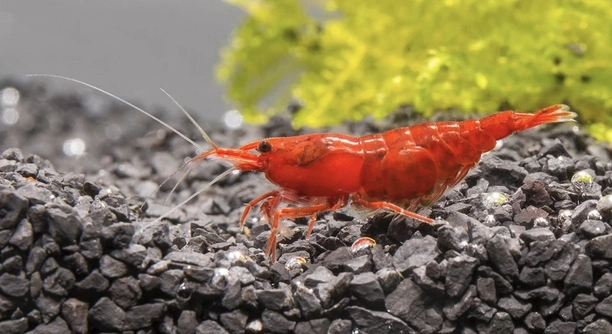
Have you ever noticed your cherry shrimp spending most of their time clinging to the aquarium glass, making you wonder what keeps them there instead of exploring the rest of the tank each day?
Cherry shrimp often stay on the glass due to biofilm growth, stable water flow, and safer visibility. These conditions provide reliable feeding surfaces and reduced stress, encouraging them to remain in areas where food availability and environmental comfort are maintained.
There is more to learn about their habits, showing how small changes in tank conditions can shape how they behave.
Common Reasons They Stay on the Glass
Cherry shrimp rely on their surroundings in ways that often go unnoticed, and their habit of staying on the glass usually connects to small details in the tank. The glass tends to collect thin layers of biofilm that give them a steady food source that feels safe and easy to reach. When the rest of the tank has limited surfaces or fewer stable growth areas, they naturally choose the glass because it offers predictable comfort. Lighting, flow patterns, and tank layout can also guide them toward this area, especially when they sense calm water and clear visibility. I have noticed in my own tanks that shrimp often move toward spots that look open and bright, which helps them feel secure while still feeding at their own pace. Understanding this behavior can make it easier to adjust the environment so they spread out and feel confident using every part of space.
Shrimp rely on areas that feel stable, so the glass becomes a natural choice when other surfaces lack enough biofilm or structure to support regular grazing. A simple shift in layout or added plants can help them feel comfortable exploring more sections of the tank in a calm steady way.
If you want your cherry shrimp to feel encouraged to move beyond the glass, creating more appealing surfaces can make a big difference. Adding plants, driftwood, or rocks gives them fresh areas where biofilm can grow. Stable hiding spots also help reduce stress, which leads to more confident movement. I try to keep the light gentle and the flow even, since those details make them feel safer in different parts of the tank. When the environment feels balanced, shrimp begin to explore new places, feeding and resting on a range of surfaces while returning to the glass whenever they choose.
How to Encourage More Balanced Exploring
Small adjustments often help shrimp feel confident spreading out across the tank. Adding more textured decor, improving plant coverage, and keeping water conditions steady guide them toward new areas. With a gentle layout and calm flow, they begin exploring naturally without relying on the glass as their main space daily.
Encouraging shrimp to explore more often starts with creating a tank that feels safe and offers many appealing surfaces. Soft plants like mosses, broad leaves, and floating stems give them new places to graze. Driftwood and stone pieces also collect biofilm that supports natural feeding. When these elements are spread evenly, shrimp feel drawn to different areas instead of gathering in one place. I keep the lighting soft because harsh brightness pushes them toward the glass, where visibility feels easier. A calm water flow helps them settle comfortably in shaded or covered spots, allowing them to rest without stress. Stable water parameters are equally important, since sudden changes make them return to open areas where they can sense conditions better. By maintaining a peaceful layout, gentle filtration, and a variety of textured surfaces, you give shrimp choices that support healthy behavior. Over time, they begin exploring corners, plants, and subtle spaces they once ignored, showing you how small environmental adjustments can influence their confidence. Creating this balance does not require major changes; it simply means giving attention to comfort, structure, and consistency. With these details in place, the tank becomes a space they move through naturally, not just the glass.
Adjusting Tank Conditions for Better Comfort
Cherry shrimp respond quickly to small changes in their environment, so keeping conditions steady helps them feel safe enough to explore. Stable temperature, gentle filtration, and consistent lighting create a calm space that supports healthy behavior without pushing them toward one specific area.
A balanced setup starts with maintaining steady water parameters, since sudden shifts make shrimp choose open surfaces where they can sense changes more easily. I find that keeping the temperature in a moderate range and avoiding harsh lighting helps them feel relaxed across the entire tank. Filtration should create soft movement without strong currents that push them toward the glass for shelter. Adding floating plants can soften the brightness, giving shrimp a more comfortable space to graze and rest. When the tank stays predictable, they scatter naturally and use more surfaces instead of gathering in a single visible area.
Improving comfort also means reducing stress caused by overcrowding, loud vibrations, or aggressive tank mates. Shrimp feel safer when the environment stays quiet and consistent, allowing them to move around without tension. A calm home encourages better feeding, healthier molting, and a wider range of activity. I pay attention to small details like gentle light transitions and slow water changes, since these minimize sudden disturbances. When the surroundings stay peaceful, shrimp become more confident, which helps them explore textured areas, plants, and shaded spots without retreating to the glass.
Increasing Feeding Opportunities Across the Tank
Shrimp tend to stay where food is most predictable, so spreading out feeding spots encourages wider exploration. Thin layers of biofilm grow best on textured surfaces, giving them more reasons to graze away from the clear open space of the glass.
Supporting healthy feeding throughout the tank begins with adding driftwood, rocks, and live plants that encourage natural growth. These surfaces collect microfoods that shrimp rely on, offering them reliable places to nibble without needing extra encouragement. I also rotate where I place supplemental foods to guide them toward different areas. Soft powdered foods or small pellets can settle on plant leaves or decorations, making shrimp search through new spaces. When the tank offers food in many forms and locations, they grow comfortable exploring, which reduces their dependence on the glass as their primary feeding area.
Creating Safe Spaces Within the Tank
Shrimp feel secure when they have places to hide, so adding small shelters helps them move away from open glass areas. Plants, leaf litter, and small caves give them comfort, allowing them to settle without staying fully exposed in bright or open spots.
A peaceful layout encourages shrimp to explore slowly and rest where they feel protected. I like using mosses and branching plants because they create gentle shade without blocking movement. When these spaces feel calm, shrimp start choosing them naturally instead of clinging to the glass for safety.
Improving Plant and Decor Placement
Good placement of plants and decor helps shrimp spread out and feel supported in every part of the tank. Spacing out decorations gives them soft transitions between areas, while moss, stem plants, and floating leaves create layers that feel comfortable. I often move pieces around until the layout feels balanced, since small adjustments can change how shrimp move. A thoughtful arrangement encourages steady, relaxed activity and reduces the need to stay in one exposed spot.
Supporting Natural Behavior Patterns
Shrimp behave more confidently when their environment feels familiar and stable. Predictable lighting, steady parameters, and gentle movement help them express natural habits without relying on the glass as their main comfort zone.
Why do my cherry shrimp stay on the glass all the time?
Cherry shrimp often cling to the glass because it offers easy access to biofilm, a natural food source. The smooth surface allows them to graze without interference from currents or rough textures. I’ve noticed that when other parts of the tank lack sufficient biofilm or safe resting spots, they prefer the glass as a consistent and predictable feeding area. Light reflection and open visibility make them feel safer while still feeding.
Is this behavior harmful to my shrimp?
No, staying on the glass is generally harmless if water conditions are stable. However, if they remain there excessively, it can indicate limited food sources, lack of hiding spots, or stress. I pay attention to this behavior as a signal that environmental adjustments may help them feel more comfortable exploring the tank. Ensuring multiple feeding areas and textured surfaces encourages healthier movement patterns.
Can changing tank layout help my shrimp move away from the glass?
Yes, rearranging plants, decorations, and hiding spots can encourage exploration. I often add moss, leaf litter, and driftwood to create secure zones where biofilm can grow naturally. Spreading out feeding opportunities and creating gentle water flow in other areas helps shrimp feel confident leaving the glass. Even small adjustments, like rotating plant locations or adding floating stems, can make a noticeable difference in their behavior.
Do water parameters affect where shrimp choose to stay?
Absolutely. Stable temperature, pH, and ammonia levels make shrimp more comfortable exploring the tank. I’ve noticed that sudden changes or strong currents push them toward visible, calm areas like the glass. Gentle filtration, moderate lighting, and consistent maintenance reduce stress, encouraging shrimp to move freely among plants, decorations, and other surfaces.
Will adding more plants reduce glass-staying behavior?
Yes, increasing plant coverage helps them feel secure in shaded areas. Broad-leaved plants, mosses, and stem plants provide multiple grazing surfaces and hiding spaces. I try to balance density with open swimming areas to prevent overcrowding while still giving shrimp options beyond the glass. Over time, they naturally start exploring these enriched areas while still returning to the glass occasionally.
Should I worry if only some shrimp stay on the glass?
Not necessarily. Different shrimp have unique personalities and comfort levels. In my tanks, some shrimp are more cautious and prefer exposed surfaces, while others explore freely. Observing their habits and providing variety in feeding and hiding spaces ensures everyone has access to safe and comfortable areas, promoting healthier activity for the whole group.
Does lighting affect their preference for the glass?
Yes, bright overhead lighting can make shaded areas more appealing, but strong or harsh light often drives them to the glass for better visibility. I’ve found that soft, diffused lighting combined with floating plants or moss helps them feel comfortable moving throughout the tank without relying solely on the glass for security.
Can feeding techniques influence shrimp distribution?
Feeding in multiple locations encourages them to leave the glass. I sprinkle powdered food on plants and decorations, as well as in shaded corners, so shrimp explore naturally. Over time, they learn that food is available throughout the tank, which reduces the tendency to remain in one predictable spot.
Do tank mates affect glass-staying behavior?
Yes, the presence of fish or aggressive tank mates can push shrimp toward open, visible areas for quick escape. I keep peaceful companions and provide plenty of hiding spots to make shrimp feel safe. When they sense minimal threats, they move confidently among plants, rocks, and moss, reducing constant dependence on the glass.
How long does it take for shrimp to start exploring more areas?
It varies, but with consistent conditions, new hiding spots, and distributed feeding, shrimp often begin exploring within days to a few weeks. I’ve noticed that patient, small adjustments to layout and lighting yield steady progress. Consistency and calm environmental changes are key to encouraging confident behavior.
Are there any signs that staying on the glass indicates a health issue?
If shrimp cling to the glass while showing lethargy, molting problems, or loss of color, it could indicate stress or water quality problems. I regularly test parameters and observe behavior to ensure health is not compromised. Healthy shrimp may remain on the glass occasionally, but persistent unusual behavior signals the need for closer attention.
Will adding driftwood or rocks help?
Yes, textured surfaces like driftwood and rocks allow biofilm to grow and create natural resting places. I place these throughout the tank to give shrimp more choices and encourage exploration. They provide both food and security, which reduces the need for shrimp to spend excessive time on the glass.
Can seasonal changes in lighting or temperature affect behavior?
Seasonal changes can influence water temperature, light duration, and plant growth, which in turn affect shrimp activity. I adjust lighting and monitor temperature to maintain stable conditions, helping shrimp feel comfortable exploring all areas instead of clustering on the glass for perceived safety.
How do I know if changes are working?
Gradual increase in shrimp activity away from the glass is a good sign. I watch for more grazing on plants, driftwood, and rocks, along with more natural movement. Patience is key, as shrimp adapt slowly to new environments, and consistent conditions reinforce positive behavior patterns.
What is the best overall strategy to reduce glass-staying?
Focus on stable water conditions, diverse feeding surfaces, secure hiding spots, and gentle lighting. I combine mosses, plants, driftwood, and rotated feeding areas to encourage exploration. Regular observation and small adjustments make a noticeable difference, promoting healthier, more natural shrimp behavior throughout the entire tank.
Cherry shrimp often spend time on the glass simply because it is safe and easy. The glass collects thin layers of biofilm that act as a natural food source, giving them something to graze on without moving too far. This behavior is normal and not necessarily a sign of poor health. In my own tanks, I have noticed that shrimp will return to the glass even when other areas have plants or decorations. It provides clear visibility and a sense of security, especially if the tank has areas with strong water flow or fewer hiding spots. Understanding this behavior can help you create a tank environment that encourages them to explore more while still allowing them to feel safe when they choose. Small adjustments to the tank layout or feeding strategy can make a big difference in their comfort level and movement patterns.
Making changes to improve shrimp exploration does not have to be complicated. Adding moss, driftwood, rocks, and plants creates surfaces where biofilm can grow and gives shrimp a variety of places to graze. Soft lighting and calm water flow help reduce stress, making them feel confident enough to leave the glass. I also find that rotating feeding locations can gently guide shrimp to explore new areas. These changes take time to show results, as shrimp are naturally cautious and slow to adjust. Observing their behavior daily can help you understand what works best for your tank. Over time, you can see shrimp using more parts of the tank, grazing on plants and decorations, and feeling comfortable in areas that were previously ignored.
Creating a balanced tank means paying attention to both environmental stability and enrichment. Maintaining consistent water parameters like temperature, pH, and ammonia levels is essential for reducing stress. Shrimp respond positively to gentle changes in light and flow, as well as a variety of textures and surfaces to explore. Providing multiple hiding spots and secure areas encourages them to move around freely without always relying on the glass. Even small, gradual adjustments make a difference in their behavior and overall well-being. By understanding why shrimp stay on the glass and supporting their natural habits, you can create a healthier, more engaging environment. The result is a tank where shrimp explore naturally, feed comfortably, and appear more active and content throughout the day, making the aquarium both functional and enjoyable to watch.

Hello,
If you enjoy the content that we create, please consider saying a "Thank You!" by leaving a tip.
Every little bit helps us continue crafting quality advice that supports the health, happiness, and well-being of pets around the world, for pets of all shapes, sizes, and species.
We really appreciate the kindness and support that you show us!