
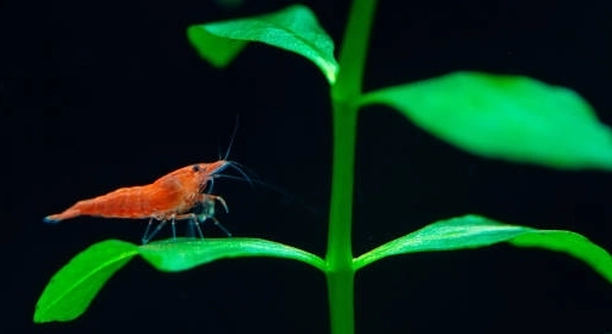
Keeping cherry shrimp in a tank can be a peaceful and rewarding experience. These tiny, colorful creatures bring life and movement to aquariums. They can coexist with other species, creating a lively aquatic environment that feels balanced and calm.
Cherry shrimp can be kept with certain tetras, provided the tank is well-planted and offers hiding spaces. Avoid aggressive tetra species, as they may prey on shrimp. Proper water parameters and careful species selection ensure compatibility and shrimp safety.
Learning about the right tank setup and compatible fish helps maintain harmony in your aquarium. Small adjustments can make a big difference for both shrimp and tetras, ensuring a thriving aquatic community.
Choosing the Right Tetras
When keeping cherry shrimp with tetras, selecting the right species is essential. Neon tetras, ember tetras, and cardinal tetras are usually peaceful and small, making them suitable tank mates. Larger or aggressive tetras like serpae or tiger tetras may view shrimp as food, so avoid them. The tank should have plants, moss, or hiding spots for shrimp to retreat. Open swimming areas are fine for tetras, but shrimp need places to feel secure, especially during molting. Water parameters must suit both species: stable temperature, pH, and gentle filtration are necessary. Observing fish behavior over time helps prevent predation. Shrimp can also contribute to tank cleanliness by eating algae and detritus, which benefits the tetras indirectly. A well-planned setup balances both species’ needs, creating an environment where tetras swim freely and shrimp thrive without stress or danger, supporting a healthier, more vibrant aquarium overall.
Keeping smaller, peaceful tetras with plenty of cover reduces stress for cherry shrimp and keeps them safe from predation.
Providing live plants, floating moss, and small decorations creates a comfortable space for shrimp to hide. Consistent water quality prevents stress.
Tank Setup and Maintenance
A proper tank setup is crucial when mixing shrimp and tetras. A 10-gallon or larger tank is recommended, giving both species enough room. Plants like java moss, anubias, and floating plants provide shelter and surfaces for shrimp to graze. Filtration should be gentle to avoid sucking up shrimp while maintaining water clarity. Substrate choice matters too; fine gravel or sand allows shrimp to forage safely. Regular water changes are important to keep ammonia and nitrate levels low. Adding driftwood or rocks offers additional hiding spots. Lighting should support plant growth but not stress shrimp or tetras. Monitoring tank behavior daily helps catch any signs of aggression or stress early. Even peaceful tetras may occasionally nip at shrimp if they feel crowded, so adjusting stocking density is key. By maintaining water parameters, hiding spaces, and a calm environment, both shrimp and tetras can coexist peacefully.
Maintaining proper water conditions, plants, and space ensures cherry shrimp thrive alongside tetras. Consistency is key.
A well-maintained tank with balanced water chemistry, abundant hiding spots, and appropriate lighting keeps shrimp healthy. Observing interactions prevents surprises, and adding gentle filtration maintains cleanliness without harming small shrimp. Regular checks and plant care promote growth for both shrimp and tetras, making a calm, thriving aquarium.
Feeding Habits
Cherry shrimp eat algae, biofilm, and leftover fish food, which complements tetras’ diet. Tetras primarily eat flake or pellet food, while shrimp graze on surfaces. Feeding both species appropriately prevents competition and keeps shrimp healthy, avoiding starvation or stress.
Shrimp benefit from blanched vegetables, like zucchini or spinach, and occasional protein supplements such as shrimp pellets. Tetras require a balanced diet of flakes or small pellets to maintain their health and color. Feeding in moderation prevents water quality issues, as uneaten food can decompose and raise ammonia levels. It’s helpful to scatter food to give shrimp a chance to reach it. Observation during feeding times ensures both species are eating well and not stressing each other. Overfeeding should be avoided to maintain clean water and reduce algae blooms.
Providing separate feeding zones or sinking food helps ensure shrimp access nutrition without tetras consuming it all. Maintaining a routine feeding schedule encourages consistent behavior, reduces aggression, and keeps both shrimp and tetras thriving in the same environment. Consistency also helps monitor any changes in appetite, which can indicate stress or illness.
Behavior and Interaction
Tetras generally swim in schools and stay active, creating movement in the tank. Cherry shrimp move slowly, grazing and hiding among plants. Understanding these behavioral differences helps prevent conflict and stress for both species.
Shrimp are more vulnerable during molting, and tetras should not be aggressive. Observing their interactions regularly allows adjustments in tank setup or hiding spots. Shy shrimp may retreat to moss or plant cover when tetras swim nearby. Providing plenty of plants, caves, and driftwood ensures safe zones. Tetras’ schooling behavior tends to reduce targeting of shrimp, as they are distracted by their own group activity. The more complex the environment, the safer shrimp feel, promoting natural grazing and healthy molting cycles.
Tetras usually ignore shrimp when the tank is well-planted and spacious. By maintaining hiding spaces and monitoring behavior, both species can coexist peacefully, reducing stress and encouraging natural activity patterns. Regular observation ensures timely intervention if any aggressive behavior arises.
Tank Size Recommendations
A 10-gallon tank is the minimum for keeping cherry shrimp with tetras. Larger tanks are better, providing more space for shrimp to hide and tetras to school freely. Adequate space reduces stress and prevents aggressive encounters between species.
Stocking density matters. Overcrowding can lead to competition for food and hiding spots, causing stress. A balanced number of tetras and shrimp ensures both species thrive. Providing plants and decorations increases effective space, letting shrimp feel secure while tetras swim openly. Monitoring the tank population over time helps maintain harmony and prevents overstocking.
Water Parameters
Stable water conditions are critical for both species. Cherry shrimp thrive in slightly acidic to neutral water, while tetras tolerate a similar range. Temperature should stay consistent between 72–78°F. Sudden changes can stress shrimp, leading to molting problems or death. Proper filtration and regular water testing help maintain stability, ensuring ammonia, nitrite, and nitrate levels remain safe. Both species benefit from clean, oxygenated water, and gentle filtration prevents shrimp from being sucked into equipment. By prioritizing stable conditions, both shrimp and tetras can coexist comfortably, maintaining health and natural behavior in the aquarium.
Common Challenges
Predation is a risk if the tank lacks hiding spots. Aggressive tetras or overcrowded conditions can cause shrimp stress or injury. Observing interactions and providing dense plant cover reduces these risks.
FAQ
Can cherry shrimp survive with all types of tetras?
Not all tetras are safe with cherry shrimp. Peaceful, small species like neon tetras, ember tetras, and cardinal tetras generally coexist well. Larger or more aggressive tetras, such as serpae or tiger tetras, may view shrimp as food. Choosing the right species is essential for a stress-free tank.
How many shrimp and tetras should I keep together?
A general guideline is to keep a higher number of shrimp than tetras, such as 10–15 shrimp for every 6–8 small tetras in a 10-gallon tank. Overcrowding either species increases stress, competition for food, and the chance of aggressive behavior. Plants and hiding spots help balance numbers.
What kind of hiding spots do cherry shrimp need?
Shrimp require dense plant cover, moss, and decorations like driftwood or rocks. These areas provide shelter during molting and help them escape curious tetras. Floating plants and layered plants create extra safety zones, allowing shrimp to feel secure while grazing or resting.
Do tetras eat baby shrimp?
Yes, tetras may eat baby shrimp if they can catch them. Dense plants and moss are essential for protecting shrimp fry. Adding more hiding spaces and slow-growing plants increases survival rates for young shrimp, giving them time to grow before they are noticeable to fish.
How often should I feed both species?
Feed tetras once or twice a day with flakes or pellets in small amounts they can consume quickly. Cherry shrimp graze continuously, so supplement with blanched vegetables, algae wafers, or shrimp-specific pellets. Avoid overfeeding, as leftover food can pollute the water.
Can water parameters be the same for both species?
Yes, cherry shrimp and most small tetras share similar water requirements. Keep temperature between 72–78°F, pH slightly acidic to neutral, and stable water chemistry. Sudden changes in temperature or chemistry stress shrimp and may harm tetras. Regular water tests help maintain safe conditions.
Will shrimp and tetras fight over food?
Tetras are faster and may eat flakes or pellets before shrimp get to them. Providing sinking food, scattering food across the tank, or using separate feeding zones ensures shrimp receive adequate nutrition without competing directly with tetras.
Do tetras bother adult shrimp?
Adult shrimp are generally safe if the tank has enough space and plants. Most small tetras ignore adult shrimp, especially if hiding spots exist. Occasional curiosity or nipping may occur, but dense vegetation and decor usually prevent stress or injury.
How do I monitor compatibility?
Observe tank interactions regularly. Signs of stress in shrimp include hiding constantly, losing color, or failing to molt properly. Tetras may display curiosity but should not chase or nip repeatedly. Adjusting plant cover, tank layout, or fish numbers helps maintain harmony.
Are there special care tips for molting shrimp?
Shrimp are most vulnerable while molting. Ensure plenty of hiding spaces, maintain stable water conditions, and avoid sudden movements near the tank. Proper diet with calcium-rich foods supports successful molting. Careful observation during this period reduces predation risk and stress.
Can I keep other fish with shrimp and tetras?
Yes, but only peaceful, small species that do not view shrimp as food. Avoid aggressive or large fish. Compatibility depends on tank size, hiding spots, and careful observation. Slowly introducing new species helps prevent stress and ensures shrimp remain safe.
What is the best tank setup for shrimp and tetras?
A 10-gallon or larger tank works well, with plenty of plants, moss, rocks, and driftwood. Gentle filtration, stable water parameters, and regular cleaning keep both species healthy. A mix of open swimming areas and hiding spots balances the needs of tetras and shrimp.
How do I prevent stress in shrimp?
Maintain stable water conditions, provide hiding spaces, avoid sudden movements, and prevent aggressive tankmates. Feeding routines and proper tank size reduce stress. Observing shrimp behavior helps detect early signs of distress, allowing adjustments before serious issues occur.
Can I breed shrimp with tetras in the same tank?
Breeding is possible but challenging. Baby shrimp are vulnerable to tetras, so dense plants or moss are essential for survival. Maintaining ideal water conditions, sufficient food, and hiding places increases the chance that shrimp fry will reach adulthood safely.
How do I handle water changes with both species?
Partial water changes, around 20–30% weekly, keep water clean without stressing shrimp or tetras. Use dechlorinated water at matching temperature. Avoid sudden large changes in chemistry, as this can cause molting issues for shrimp and stress for tetras.
Can tetras damage shrimp eggs?
Tetras may eat exposed eggs if they find them. Adding floating plants, moss, or dedicated breeding areas prevents predation. Some shrimp hide eggs in dense moss, which increases survival rates and reduces the chance of tetras interfering.
What signs show a tank is balanced?
Shrimp are active, feeding, and molting successfully, while tetras swim freely in schools without aggression. Plants grow well, and water parameters remain stable. A balanced tank supports natural behavior for both species, creating a healthy and harmonious environment.
Is algae control important in a shared tank?
Yes, algae provides natural food for shrimp, but uncontrolled growth can reduce water quality. Regular cleaning, controlled lighting, and algae-eating species help maintain balance, providing nutrition for shrimp without compromising the tank environment for tetras.
How do I introduce shrimp to a tetra tank?
Acclimate shrimp slowly using a drip method to prevent shock from temperature or pH differences. Add shrimp to a tank with plants and hiding spots to reduce stress. Observe interactions for the first few days to ensure tetras do not harass them.
Are there special precautions for new tetras?
Quarantine new tetras before adding them to a shrimp tank to avoid introducing disease. Introduce them slowly to prevent stress in both species. Monitor water parameters and behavior carefully during the first week to ensure compatibility.
Can shrimp and tetras share the same water heater?
Yes, a single heater works if temperature is within the suitable range for both species. Avoid large fluctuations. Consistent heating ensures shrimp molting cycles remain healthy and tetras stay active and unstressed.
Do different tetra species require different care with shrimp?
Yes, even small tetras vary in temperament. Research each species before adding them to a shrimp tank. Some are more active or curious and may stress shrimp. Adjust plant density, feeding methods, and tank layout based on the specific tetra species.
How long do shrimp and tetras usually live together?
With proper care, both species can thrive for several years. Cherry shrimp live 1–2 years, while small tetras live 3–5 years. Maintaining water quality, hiding spots, and balanced feeding extends healthy coexistence for the duration of their lives.
What is the best filtration type for a shared tank?
Gentle sponge filters or low-flow hang-on-back filters work well. They keep water clean without sucking up shrimp. Adequate aeration and minimal current ensure both tetras and shrimp remain comfortable while maintaining healthy water parameters.
How do I prevent aggression in tetras?
Keep tetras in schools of at least 6–8 to reduce targeting of shrimp. Provide plenty of space and plants. Observe behavior and adjust tank layout or population density if signs of aggression appear. A calm environment supports coexistence.
Are there any supplements shrimp need in a shared tank?
Calcium-rich supplements help with molting and shell development. Occasional protein supplements support growth. Balanced feeding prevents nutritional deficiencies without affecting tetras’ health, ensuring both species thrive together.
How often should I check the tank for issues?
Daily observation helps detect stress, aggression, or water quality problems early. Weekly water testing ensures ammonia, nitrite, and nitrate remain safe. Prompt action prevents health problems and maintains harmony between shrimp and tetras.
Can tetras survive if shrimp hide most of the time?
Yes, tetras are generally unaffected by shrimp hiding. However, hiding behavior may indicate stress or predation risk. Providing plants, moss, and appropriate tank setup ensures shrimp feel safe while tetras remain active and healthy.
What is the best way to clean a tank with both species?
Perform partial water changes and gentle substrate cleaning to avoid harming shrimp. Remove debris and algae carefully, maintain plants, and avoid disturbing hiding spots. Regular maintenance supports health and prevents conflicts between tetras and shrimp.
Can I add other invertebrates to the tank?
Small, peaceful invertebrates like snails can coexist, but avoid larger or predatory species. Monitor interactions closely and maintain enough hiding spaces for shrimp to prevent stress or predation.
Do cherry shrimp affect tetra behavior?
Not significantly. Shrimp are slow-moving and generally ignored by peaceful tetras. Their presence may add visual interest, but proper tank setup ensures tetras continue normal schooling behavior without stress.
How can I tell if shrimp are stressed by tetras?
Shrimp may hide constantly, fail to molt, lose color, or reduce feeding. Stress can indicate aggression from tetras or poor tank conditions. Increasing plant cover, adjusting stocking density, or monitoring water parameters helps reduce stress.
Are there seasonal care changes for shrimp and tetras?
Temperature and lighting should remain consistent year-round. Seasonal changes in room temperature or sunlight can affect water conditions. Maintaining stable parameters ensures shrimp and tetras stay healthy regardless of external seasons.
Do tetras need the same water hardness as shrimp?
Most small tetras and cherry shrimp tolerate similar water hardness. Soft to moderately hard water works well. Maintaining stability in GH and KH supports shrimp molting and tetra health simultaneously.
Can I use fertilizers in a planted tank with shrimp and tetras?
Yes, but choose shrimp-safe fertilizers. Avoid copper-based products, as copper is toxic to shrimp. Fertilizers help plants grow, providing shelter and grazing surfaces for shrimp while enhancing the tank for tetras.
Is tank cycling important before adding shrimp and tetras?
Absolutely. Cycling establishes beneficial bacteria, keeping ammonia and nitrite at zero. Both shrimp and tetras are sensitive to uncycled tanks. Proper cycling ensures a safe and healthy environment from the start.
How do I handle sudden illness in shrimp or tetras?
Quarantine affected individuals if possible. Test water parameters to rule out environmental causes. Treat with species-safe medication. Early intervention prevents disease spread and maintains the health of both shrimp and tetras.
Do tetras ever help shrimp?
Indirectly, tetras stir up algae and biofilm while swimming, making grazing easier for shrimp. Their movement may also help distribute nutrients and oxygen in the tank.
Can I keep shrimp in a densely planted tetra tank?
Yes, dense plants are beneficial for both species. Shrimp gain hiding spaces, and tetras feel secure. Just ensure enough open swimming space for tetras and proper maintenance to prevent excessive debris accumulation.
Are there signs of compatibility issues I should watch for?
Shrimp hiding excessively, losing color, or failing to molt are signs. Tetras chasing shrimp or competing aggressively for food is another indicator. Adjust tank layout, plant density, or stocking numbers to resolve issues.
How long should I observe a new shrimp introduction?
Monitor closely for at least the first week. Watch for predation, hiding behavior, or aggression. Adjust plants, decor, or tankmates if needed to ensure shrimp settle safely and tetras remain calm.
Is it safe to breed shrimp in the same tank as tetras?
Yes, if dense moss or plants protect the eggs and fry. Baby shrimp are at risk, so additional hiding spaces are essential. Adequate food and water stability improve survival rates.
Can shrimp survive in a low-light tetra tank?
Yes, shrimp tolerate low light, but plant growth may slow. Supplemental feeding and careful observation of shrimp behavior help maintain health when light levels are limited.
Do tetras recognize shrimp as food immediately?
Smaller tetras may ignore adult shrimp, but curious fish may investigate. Dense plants and decorations prevent aggressive attention and reduce stress for shrimp.
How often should I test water parameters?
Weekly testing for ammonia, nitrite, nitrate, pH, and hardness ensures a stable environment. Any deviations can stress shrimp or tetras, so regular monitoring is important.
Can I mix multiple shrimp colors with tetras?
Yes, different cherry shrimp colors coexist well. Their activity and grazing are unaffected by color. Plants and hiding spots remain essential for all shrimp varieties.
Are shrimp-sensitive medications safe with tetras?
Check labels carefully. Some medications can harm shrimp even if safe for tetras. Use shrimp-safe treatments or quarantine affected individuals to prevent harm.
Do tetras bother molting shrimp?
Aggressive or curious tetras may disturb molting shrimp if hiding spaces are insufficient. Dense plants, moss, or caves reduce this risk and allow shrimp to molt safely.
What is the ideal pH range for both species?
A pH of 6.5–7.5 is suitable for cherry shrimp and most small tetras. Stability is more important than exact numbers, as sudden changes stress both species.
How can I encourage shrimp activity with tetras?
Provide algae, moss, and varied surfaces for grazing. Scattering food and maintaining plants encourages shrimp to move and feed naturally, even with tetras present.
Can tetras coexist with other invertebrates alongside shrimp?
Yes, peaceful snails or small invertebrates are usually safe. Avoid aggressive species that may compete or harm shrimp. Adequate hiding spots reduce stress for all tank inhabitants.
Do tetras ever need different water temperatures than shrimp?
Most small tetras and cherry shrimp share similar temperature ranges (72–78°F). Keep it consistent to avoid stressing either species.
Keeping cherry shrimp with tetras can be a rewarding experience if done correctly. Both species have different behaviors and needs, but with proper planning, they can coexist peacefully. Cherry shrimp are small, slow-moving grazers that need plenty of hiding spots and stable water conditions. Tetras are active swimmers that enjoy open spaces but prefer to stay in schools. Balancing these needs is key to maintaining a harmonious tank. Dense plants, moss, rocks, and driftwood help shrimp feel secure, especially during molting, while providing enough swimming room for tetras reduces stress and aggression. Choosing peaceful, small tetra species like neon, ember, or cardinal tetras minimizes the risk of predation and allows shrimp to graze safely. Tank size and stocking density also matter. Overcrowding increases competition for food and hiding spaces, which can lead to stress or even injury. A larger tank with thoughtful decoration gives both species room to thrive without interfering with one another’s natural behavior.
Feeding is another important aspect to consider. Cherry shrimp feed on algae, biofilm, and small amounts of supplemental food like blanched vegetables or shrimp pellets. Tetras usually eat flakes or small pellets, and they can quickly outcompete shrimp for food if feeding is not carefully managed. Providing sinking food or scattering food across the tank allows shrimp to access nutrition without direct competition. Feeding routines help both species establish predictable patterns, reducing stress and encouraging natural behavior. Water quality is equally critical. Stable temperature, pH, and water chemistry support healthy molting in shrimp and prevent stress in tetras. Regular water testing, gentle filtration, and partial water changes maintain a clean environment for all inhabitants. Consistent maintenance ensures that both shrimp and tetras remain active, healthy, and comfortable in the tank over time.
Observation is key when keeping cherry shrimp and tetras together. Watching their interactions helps identify any potential problems early. Signs of stress in shrimp include hiding excessively, losing color, or failing to molt properly, while tetras may show signs of aggression if crowded or stressed. Adjusting tank layout, adding more hiding spots, or reevaluating stocking numbers can solve these issues before they become serious. Compatibility is not only about species selection but also about creating a stable, well-planned environment. With careful attention to feeding, water quality, and behavior, cherry shrimp and tetras can live together successfully. Maintaining this balance provides a peaceful, visually appealing aquarium where both species can thrive, interact naturally, and contribute to a healthy ecosystem within the tank.

Hello,
If you enjoy the content that we create, please consider saying a "Thank You!" by leaving a tip.
Every little bit helps us continue crafting quality advice that supports the health, happiness, and well-being of pets around the world, for pets of all shapes, sizes, and species.
We really appreciate the kindness and support that you show us!