
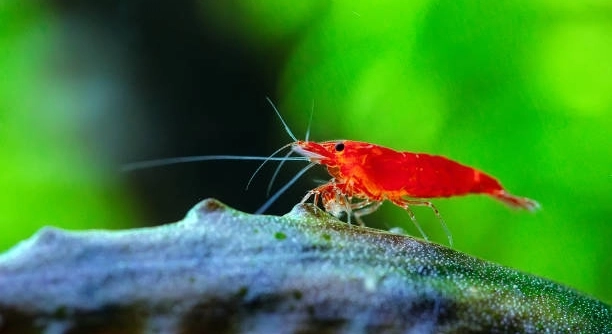
Are your shrimp moving more than usual when you leave the room? Many shrimp owners notice subtle changes in behavior that seem linked to their presence. Observing these patterns can help you understand your aquatic pets better.
Shrimp often exhibit increased activity when unobserved due to reduced stress and perceived safety. The presence of humans can trigger cautious behavior, resulting in slower movements and limited exploration within their habitat, reflecting their natural instincts for survival.
Understanding these activity patterns can improve care and habitat design. Observing shrimp behavior closely offers insight into their comfort and natural tendencies.
Why Shrimp Change Their Behavior When Alone
Shrimp are naturally cautious creatures. When you are near, they often stay close to hiding spots or move slowly to avoid potential threats. This behavior is not about fear but instinct. In the absence of observers, shrimp feel safer and explore more freely. Their movements become faster, and they spend more time scavenging for food or investigating new areas in the tank. Watching them quietly allows you to see their full range of natural behaviors. Some shrimp may even perform mating dances or interact with tank mates more actively when left alone. Lighting and tank setup can also influence activity. Brighter lights or sudden shadows may make shrimp retreat. Gentle adjustments in their environment, like adding plants or hiding spaces, can encourage more natural movement. Observing these changes helps you understand how stress and perception impact their daily routines and overall well-being.
Shrimp often display the most activity when no one is watching, showing behaviors usually hidden during observation periods.
Noticing these changes helps improve tank management. Adjusting environmental conditions, such as hiding spaces and water flow, supports more natural behavior and reduces stress. Tracking patterns over days or weeks can reveal which factors stimulate activity and which cause restraint. By creating a balanced environment, you promote healthier shrimp, which are more likely to feed properly and interact with their surroundings. Even minor changes in tank layout or decor can significantly influence how shrimp move and explore. Understanding these behaviors allows you to predict shrimp activity and tailor care practices effectively, ensuring a lively and comfortable habitat. Observing without interfering gives an accurate picture of their daily routines, helping you support both individual and group health in the aquarium.
Factors That Influence Shrimp Activity
Temperature and water quality play a large role in shrimp activity. Minor changes can alter movement, feeding, and social interactions.
Water parameters, such as pH, hardness, and ammonia levels, directly affect shrimp health. Even slight fluctuations can cause them to hide or slow down. Stable conditions encourage natural exploration and regular feeding patterns. Substrate choice and the presence of plants or decorations also impact how freely shrimp move. Open areas allow more swimming, while dense plants provide security and resting spots. Seasonal light cycles can further influence activity. Observing shrimp under different conditions helps identify optimal setups. Feeding schedules and types of food affect energy levels. A well-fed shrimp is more likely to explore than one hungry or stressed. By monitoring these environmental and biological factors closely, you can create an aquarium where shrimp exhibit consistent, lively behavior. Over time, you’ll notice patterns that reveal how subtle changes in habitat and care impact shrimp activity, enabling better management and a more engaging observation experience.
Observation Tips for Shrimp Behavior
Watching shrimp quietly can reveal hidden activity patterns. Avoid tapping the glass or making sudden movements, as this can startle them. Using indirect lighting helps you see natural behaviors without causing stress.
Keeping a daily observation log can be very helpful. Note the time of day, water conditions, feeding, and shrimp interactions. Over time, patterns emerge showing when shrimp are most active. Some may be more exploratory in the morning, while others move more in the evening. Tracking these details also helps detect health issues early. Changes in movement, hiding behavior, or interaction can indicate stress, illness, or environmental imbalance, allowing timely adjustments to water quality, temperature, or feeding routines.
Recording video or taking periodic photos can enhance observation. It allows for reviewing behaviors that may be missed in real time. Comparing over weeks can show gradual changes in activity, response to tank changes, or interactions among shrimp. This approach supports more precise care and a better understanding of each shrimp’s personality, ensuring they remain active, healthy, and comfortable within their habitat.
Common Signs of Stress in Shrimp
Shrimp may hide excessively, stay at the bottom, or move very little when stressed. Water issues are often involved.
Poor water quality, improper temperature, or lack of hiding spaces can trigger stress. Stress affects feeding habits and reproductive behavior, making shrimp less active. Observing subtle signs like flicking antennae or erratic swimming helps identify problems early. Social stress from overcrowding or incompatible tank mates can also impact behavior. Adjusting environmental conditions and monitoring interactions can reduce stress and restore normal activity.
Changes in coloration, loss of appetite, or lethargy indicate longer-term stress. Addressing these issues quickly is critical to prevent illness or death. Maintaining stable water parameters, adequate hiding spots, and a calm environment supports shrimp health. Regular water testing, careful feeding, and observation of social dynamics are essential. By recognizing stress early, interventions can be made to improve tank conditions, reduce conflicts, and encourage natural behaviors. Healthy shrimp are more active, feed reliably, and engage with their environment, reflecting proper care and a balanced habitat.
Feeding Habits and Activity
Shrimp often become more active around feeding times. They explore the tank more and compete gently for food. Regular feeding schedules help maintain consistent activity and prevent stress-related hiding behaviors.
Observing how shrimp approach different foods can reveal preferences. Some respond quickly to flakes, while others prefer pellets or blanched vegetables. Tracking these responses ensures proper nutrition and keeps them engaged in their environment.
Lighting and Movement
Shrimp activity is influenced by light intensity and duration. Dimmer lights or natural photoperiods encourage exploration, while bright lights may make them retreat. Adjusting lighting gradually helps maintain a natural rhythm and reduces stress.
Tank Setup and Space
Providing ample hiding spots and open swimming areas promotes balanced activity. Plants, rocks, and decorations create security, allowing shrimp to move confidently and interact naturally.
Social Interactions
Shrimp respond to tank mates’ presence, showing increased movement and curiosity when others are active. Observing these interactions helps manage social balance and ensures peaceful coexistence.
Do shrimp really move more when no one is watching?
Yes, shrimp tend to be more active when unobserved. Their cautious nature makes them slower and more reserved when humans are nearby. Once alone, they feel safer and explore the tank more freely, moving between hiding spots, feeding areas, and open spaces. This behavior is natural and indicates normal instincts for survival and comfort.
Why do shrimp hide so often?
Hiding is a survival strategy. Shrimp instinctively retreat to plants, rocks, or tank corners when sensing potential threats. Even minor disturbances, such as shadows or sudden movements, can trigger hiding. Providing sufficient hiding spaces reduces stress and encourages them to emerge for feeding and social interaction. A tank with balanced cover and open areas promotes healthy activity.
How does lighting affect shrimp behavior?
Lighting significantly impacts shrimp movement. Bright or harsh lights make shrimp cautious, often causing them to stay hidden. Dim lighting or gradual light transitions encourage natural activity and exploration. Adjusting light intensity and duration to mimic natural cycles helps maintain regular feeding and social behaviors. Many shrimp also prefer shaded areas for resting.
Can tank mates influence shrimp activity?
Yes, shrimp respond to the presence and behavior of other tank inhabitants. Active or non-aggressive tank mates can stimulate shrimp to explore and feed. Conversely, aggressive or fast-moving companions may increase stress, causing hiding and reduced movement. Properly assessing compatibility and tank population helps ensure shrimp remain active and healthy.
Does water quality affect shrimp movement?
Water conditions are critical for shrimp behavior. Imbalances in pH, temperature, ammonia, or hardness can stress shrimp, reducing activity and feeding. Maintaining stable parameters ensures shrimp are comfortable and encourages natural movement. Regular testing and adjustments support overall health and allow shrimp to display normal behaviors without excessive hiding or lethargy.
How often should I observe shrimp to understand their activity patterns?
Daily observation is ideal. Short, quiet sessions reveal when shrimp are most active, feeding, or interacting. Keeping a simple log of behavior, water conditions, and feeding times helps identify patterns. Over weeks, you can adjust care routines and tank setup to promote consistent activity and healthy behaviors.
Do shrimp show signs of stress beyond hiding?
Yes, stress can appear as lethargy, loss of appetite, color fading, or erratic swimming. Environmental factors such as poor water quality, insufficient hiding spots, or overcrowding often contribute. Early recognition allows intervention, including water adjustments, habitat improvements, or population management, restoring normal activity levels.
Can feeding schedule influence shrimp activity?
Regular feeding encourages movement and exploration. Shrimp tend to become more active before and during feeding times. Varying the type of food, such as vegetables, flakes, or pellets, can stimulate curiosity and promote engagement with the environment. Consistent schedules reduce stress and encourage predictable activity patterns.
Do shrimp behave differently at different times of the day?
Shrimp often follow natural circadian rhythms. Many are more active during early morning or evening when light levels are lower. Observing them at varying times can help identify peak activity periods. Aligning feeding and lighting with these periods supports normal behavior and reduces stress.
How can I encourage shrimp to be more active?
Providing a balanced tank setup, stable water parameters, appropriate lighting, and consistent feeding promotes activity. Avoid sudden disturbances and ensure enough hiding spots and open spaces. Observing and adjusting based on individual behavior patterns helps maintain natural movement and engagement. Healthy shrimp are more visible, interactive, and confident.
This FAQ covers common concerns about shrimp activity, hiding behavior, environmental influences, and observation strategies. Understanding these factors ensures shrimp remain healthy, active, and comfortable in their habitat.
Shrimp are small creatures with surprisingly complex behaviors that are easy to miss if you only observe them occasionally. Their activity levels change depending on a variety of factors, from water quality and temperature to lighting and the presence of other tank inhabitants. Many shrimp become more active when left alone, moving freely around the tank, exploring plants, and interacting with other shrimp. This increase in activity is not unusual; it reflects their natural instincts to feel safe and secure in an environment without potential threats. When humans are near, shrimp often move more cautiously, hiding or sticking close to decorations and plants. Observing them quietly and over time helps you notice these differences, allowing you to better understand their habits and preferences. Keeping track of their behavior through notes or video recordings can reveal patterns in movement and feeding, providing useful insights for maintaining a healthy aquarium.
Environmental factors play a large role in shrimp behavior. Stable water parameters, including pH, temperature, and hardness, help shrimp feel comfortable and confident in their habitat. Even small changes in these factors can cause them to hide or become less active. Tank setup is equally important. Open swimming areas encourage exploration, while plants, rocks, and other decorations offer security when needed. Proper lighting also influences activity, as bright lights can make shrimp more cautious, while dimmer or natural light cycles encourage movement and feeding. Feeding schedules contribute to activity as well. Regularly timed meals stimulate natural behaviors and reduce stress. Watching how shrimp respond to different types of food can indicate preferences and help provide a balanced diet. Adjustments to lighting, water, and tank layout are simple ways to support natural behavior and overall health.
Monitoring shrimp behavior is not only useful for understanding their habits but also for promoting their long-term well-being. Recognizing signs of stress, such as excessive hiding, lethargy, or changes in color, allows for timely intervention and ensures that environmental or social factors are addressed before serious problems occur. Social interactions between shrimp can also influence activity, with more peaceful tank mates encouraging exploration and feeding. By observing these patterns carefully, you can make informed decisions about tank maintenance, feeding, and habitat design. Ultimately, understanding shrimp behavior allows for a more balanced and thriving aquarium. Healthy, confident shrimp are more active, feed properly, and interact naturally with their surroundings, creating a more engaging and enjoyable experience for both the shrimp and their caretaker.

Hello,
If you enjoy the content that we create, please consider saying a "Thank You!" by leaving a tip.
Every little bit helps us continue crafting quality advice that supports the health, happiness, and well-being of pets around the world, for pets of all shapes, sizes, and species.
We really appreciate the kindness and support that you show us!