
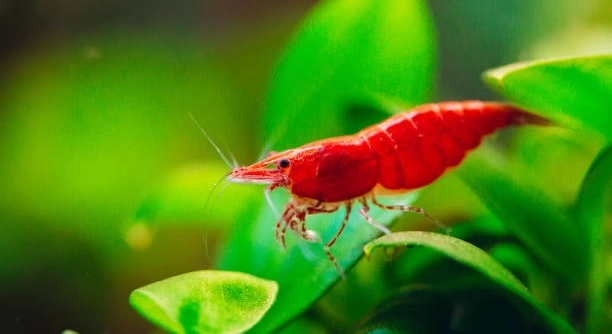
Do you enjoy keeping aquariums and find yourself noticing how even small creatures react to their environment? Cherry shrimp are delicate and sensitive, and their reactions to everyday changes can be subtle but telling.
Cherry shrimp exhibit minimal reaction to typical background noise. While sudden vibrations or extremely loud sounds may cause brief changes in movement, research indicates that consistent ambient noise does not significantly impact their behavior or overall well-being.
Observing these tiny shrimp in your tank can reveal surprising insights about their habits and preferences. Understanding their responses helps create a more comfortable and stable environment for them.
How Cherry Shrimp Sense Their Environment
Cherry shrimp rely heavily on their senses of touch and chemical detection. They use tiny hairs on their bodies to detect movement and vibrations in the water. Unlike fish, they do not have advanced hearing, so typical background noise in a home, like a television or conversation, is largely unnoticed. Subtle changes, such as someone tapping near the tank, can create small vibrations that might make them pause or retreat briefly. Observing them over time reveals that they are more reactive to direct physical disturbances than to sound alone. Their reactions are usually quick and temporary, returning to normal once the perceived threat passes. Lighting, water flow, and temperature shifts also affect their activity levels, sometimes more than any noise in the room. By maintaining a stable environment and gentle handling, shrimp thrive and exhibit natural behaviors that are easy to notice and enjoy.
Cherry shrimp are more sensitive to water movement than noise, making environmental stability essential for their comfort.
Paying close attention to their behaviors allows for better care. Even minor adjustments, like rearranging decorations or reducing sudden taps, can improve their well-being and create a calmer tank environment.
Effects of Household Noise on Behavior
Background noise from electronics or conversations usually does not disturb cherry shrimp significantly.
Studies and observations indicate that cherry shrimp mostly ignore continuous household sounds. Their nervous systems are tuned to water vibrations rather than airborne noise. Sudden, intense sounds can briefly startle them, causing minor retreats or pauses in activity, but they return to normal quickly. In aquariums, vibrations transmitted through tank walls are more noticeable than sounds carried through the air. Avoiding heavy tapping on tank surfaces is recommended to prevent stress. In multi-species tanks, shrimp behavior can also be influenced by the activity of other inhabitants, which often overshadows minor background noise. Maintaining steady water conditions and providing hiding spots ensures shrimp feel secure, allowing them to carry out feeding, molting, and exploration without interruption. A calm, consistent environment promotes natural movement patterns and supports overall health. Regular observation is key to recognizing signs of stress or unusual behavior, helping you adjust the tank setup appropriately.
Common Misconceptions About Noise Sensitivity
Many assume cherry shrimp react strongly to human voices or music. In reality, they largely ignore sounds that do not create water vibrations.
Cherry shrimp detect their surroundings primarily through touch and chemical signals. While loud bangs near the tank can briefly startle them, routine background sounds like talking, television, or soft music rarely alter their behavior. Misunderstandings often arise from observing shrimp during feeding or molting, which are natural pauses in activity. These moments may be mistaken for stress responses to noise. By distinguishing between normal behaviors and true reactions to environmental changes, it becomes clear that shrimp are resilient and adaptable to household sound levels. Maintaining steady water conditions and gentle movement around the tank is more important than controlling background noise.
Some aquarists report shrimp hiding when the room is noisy, but closer observation usually shows this coincides with changes in light or water flow. Sudden vibrations, rather than continuous noise, trigger brief cautionary movements. These responses are temporary, and shrimp resume normal activity quickly once conditions stabilize. Providing plants or decorations offers secure spaces for hiding, helping shrimp feel comfortable without needing a completely silent environment. Observing patterns over time confirms that noise alone is not a major factor in their daily behavior.
How to Maintain a Calm Tank Environment
Consistency in water parameters is essential for shrimp comfort. Small changes in temperature, pH, or ammonia levels cause more stress than background noise.
Arranging decorations to reduce direct vibrations and providing plants or hiding spots allows cherry shrimp to move freely without feeling threatened. Gentle handling during cleaning or feeding minimizes sudden disturbances. Avoid tapping on tank walls or placing the aquarium near heavy traffic areas. Regular monitoring of water quality ensures stable conditions, which supports natural feeding, molting, and breeding behaviors. Noise management is secondary to environmental stability, and most household sounds are inconsequential if other conditions remain steady. Observing shrimp behavior helps identify subtle stress signs, allowing adjustments to lighting, water flow, or tank layout. Creating a calm habitat encourages shrimp activity and enhances their well-being, making the tank both functional and enjoyable to watch.
Signs of Stress in Cherry Shrimp
Rapid hiding or erratic swimming can indicate stress in shrimp. These behaviors are usually linked to environmental changes rather than background noise.
Loss of color or decreased activity may also signal discomfort. Monitoring these signs helps maintain a healthy tank.
Reducing Stress Through Tank Setup
Providing dense vegetation and hiding spots helps shrimp feel secure. Smooth substrate and decorations prevent injuries while allowing exploration. Moderate water flow ensures oxygenation without creating strong currents that could overwhelm them. Gradual changes in water parameters reduce stress during maintenance or feeding. Stable lighting cycles also support normal behavior patterns. Minimizing sudden disturbances, including vibrations, further encourages calm activity. Observing shrimp daily helps detect subtle changes early, making it easier to correct any issues. A carefully arranged tank allows shrimp to carry out natural behaviors with minimal stress, promoting long-term health and comfort.
Observing Behavior Over Time
Tracking daily activity patterns reveals how shrimp respond to their environment. Consistent behavior indicates a stable tank.
FAQ
Do cherry shrimp get scared by music or TV sounds?
Cherry shrimp do not hear airborne sounds the way humans do. They are sensitive to vibrations in water rather than noise in the room. Music, television, or conversation rarely affects their behavior unless the sound is strong enough to shake the tank. Most household sounds go unnoticed.
Can sudden loud noises harm them?
Extremely loud bangs near the aquarium can create vibrations that briefly startle shrimp. This may cause quick hiding or pausing in movement, but it does not typically cause long-term harm. The stress is temporary if water conditions remain stable.
Do they react differently to tapping on the tank versus background noise?
Yes, vibrations from tapping on the tank walls are more noticeable than background noise. Cherry shrimp detect movement through tiny hairs on their bodies, so sudden taps create immediate reactions. Background noise without vibration is generally ignored.
How can I tell if my shrimp are stressed by noise?
Stress from noise is uncommon. True stress signs include prolonged hiding, loss of color, reduced activity, or irregular swimming patterns. If these behaviors occur, first check water parameters and tank setup, as these are usually the real causes.
Does the number of shrimp affect their sensitivity?
Having more shrimp does not increase sensitivity to sound. Shrimp often move together, and social behavior can make reactions seem more noticeable. Even in larger groups, minor vibrations may cause brief, synchronized pauses, but constant background noise is usually ignored.
Will my shrimp react to children or pets near the tank?
Close movement from children or pets can create vibrations that shrimp detect. This may cause them to retreat temporarily, especially if the tank is lightly decorated. Providing hiding spots and stable water conditions helps them feel secure, reducing reactions to nearby activity.
Does lighting or water flow affect their reaction to noise?
Lighting changes and strong water currents have a greater impact than noise. Sudden changes in light or excessive flow can stress shrimp, making them more alert or likely to hide. A stable environment keeps them comfortable and less reactive to minor disturbances.
Are certain species more sensitive than cherry shrimp?
Cherry shrimp are generally hardy and adaptable. Some other dwarf shrimp species may react more noticeably to vibrations or environmental changes. However, most small freshwater shrimp rely on chemical and tactile cues rather than airborne sound, so reactions are similar across species.
How do I create a calm tank environment?
Focus on stable water parameters, moderate lighting, and gentle water flow. Provide plants and decorations for hiding and exploration. Avoid tapping the tank or placing it in high-traffic areas. Monitoring shrimp behavior regularly allows you to detect subtle stress signs early and maintain a peaceful habitat.
Can I use background noise as enrichment?
Background noise does not provide enrichment because shrimp are not responsive to it. Enrichment comes from plant coverage, substrate variety, and gentle water movement, which allow natural foraging and exploration. Providing a complex habitat benefits shrimp more than any sounds from outside the tank.
How long does it take for shrimp to recover from a brief scare?
Recovery from a short scare is almost immediate. Once vibrations stop, shrimp return to normal activity within seconds to minutes. Continuous monitoring ensures that temporary reactions do not develop into stress from other factors, like poor water quality or insufficient hiding spots.
Is it necessary to keep the room completely quiet?
No, keeping the room completely silent is unnecessary. Consistent household sounds rarely affect shrimp. Focusing on water quality, tank stability, and proper shelter is far more important for their health and well-being.
Do shrimp react to human movement outside the tank?
Shrimp mainly notice movement if it creates water vibrations. Simple gestures outside the tank usually do not disturb them. Quick, heavy movements near the aquarium may trigger temporary hiding, but this is minor and short-lived.
How often should I observe their behavior for stress signs?
Daily observation is ideal. Watching shrimp during feeding, molting, and resting helps detect subtle changes in activity, color, or hiding behavior. Early detection allows adjustments in tank setup or water conditions to prevent prolonged stress.
Can adding more plants reduce reactions to vibrations?
Yes, plants provide shelter and dampen vibrations in the water. Dense vegetation gives shrimp areas to hide, making them feel secure and less likely to react to small disturbances. This creates a calmer overall environment.
Are juvenile shrimp more sensitive to noise than adults?
Juveniles are slightly more cautious, but sensitivity is still minimal. They may hide more quickly when startled, but consistent household sounds remain largely irrelevant. Proper tank setup and water quality are more critical to their survival and growth.
Does water depth affect their reaction to vibrations?
Shallower tanks may transmit vibrations more easily, making shrimp more likely to notice sudden taps. However, normal background noise is still negligible. Providing plants, decorations, and stable water conditions reduces any minor reactions caused by tank depth.
Can molting make shrimp more sensitive temporarily?
Yes, molting shrimp are more vulnerable and may hide more often. During this time, any vibrations from tapping or strong water flow can trigger brief cautionary behavior. Once molting is complete, normal activity resumes quickly.
What is the best way to handle unexpected disturbances?
Avoid sudden movements around the tank. Allow shrimp time to adjust after cleaning, rearranging decorations, or brief vibrations. Ensure they have adequate hiding spaces and stable water parameters to maintain calm and natural behavior.
Do cherry shrimp notice sound if multiple tanks are in the room?
Noise between tanks is generally inconsequential. Vibrations transmitted through shared surfaces may be detected, but each tank’s setup and water stability are more influential than ambient sounds from nearby aquariums.
Can tank placement affect sensitivity to background noise?
Placing the tank on a sturdy surface reduces transmitted vibrations. Avoiding high-traffic areas or surfaces that easily shake helps minimize brief startle responses. Background noise alone remains largely irrelevant if the tank is stable.
Do shrimp ever adapt to repeated disturbances?
Yes, shrimp can become accustomed to minor vibrations over time. Repeated, non-harmful disturbances are typically ignored after initial caution. This adaptation does not replace the need for proper tank conditions, which remain essential for health and normal behavior.
How important are hiding spots compared to controlling noise?
Hiding spots are far more important. Plants, rocks, and decorations allow shrimp to feel safe. Noise control is secondary since typical household sounds do not significantly impact their daily activity. Providing sufficient shelter ensures comfort and reduces stress.
Can I tell if they are stressed just by watching feeding behavior?
Yes, reduced interest in food or erratic movement while feeding may indicate stress. However, molting or normal pauses can also affect feeding patterns. Observing behavior across multiple contexts helps distinguish stress from natural variation.
Is background noise ever beneficial for shrimp?
No, background noise does not provide stimulation or enrichment. Shrimp benefit most from physical aspects of the tank, such as plants, hiding spaces, and stable water conditions, rather than external sounds.
How long should I monitor them after a disturbance?
A few minutes is usually enough. If shrimp resume normal activity, there is no ongoing stress. Extended observation may be useful if water changes, cleaning, or strong vibrations have occurred, ensuring their comfort and safety.
Do adult shrimp react differently than juveniles to noise?
Adults are generally calmer and less reactive. Juveniles may hide more quickly, but neither age group responds significantly to ordinary household sounds. Proper tank setup and water quality remain the main factors influencing behavior.
Can background noise affect breeding behavior?
No, breeding behavior is mostly influenced by water quality, nutrition, and stable conditions. Background noise has minimal to no impact on mating or egg-laying activities. Providing appropriate hiding spots and consistent parameters is far more critical for successful breeding.
Is it necessary to insulate the tank for noise?
Insulation is not needed for typical household sounds. Cherry shrimp are adapted to ignore airborne noise. Insulation may help with vibrations from tapping or nearby construction, but everyday room sounds do not require special precautions.
Do shrimp react differently during night versus day?
Shrimp may be less active at night, but reactions to background noise remain minimal. Their behavior is more influenced by lighting, feeding times, and water conditions than the time of day. Consistent routines help maintain normal activity.
How do I know if a reaction is due to noise or water issues?
Observe shrimp over time. Temporary hiding from sudden vibrations differs from persistent inactivity, color loss, or abnormal swimming caused by poor water quality. Monitoring parameters and behavior together clarifies the true source of stress.
Can I train shrimp to ignore occasional disturbances?
Shrimp cannot be trained in the conventional sense. However, repeated exposure to harmless vibrations can lead to habituation, where they gradually ignore minor disturbances. This does not replace the need for proper care and tank stability.
Are some tank materials better at reducing vibrations?
Thicker glass or acrylic tanks on sturdy stands reduce transmitted vibrations. Soft padding or isolation mats under tanks can also help. These measures minimize sudden startle responses without affecting normal shrimp behavior.
Do shrimp ever show signs of long-term stress from repeated disturbances?
Long-term stress is uncommon unless environmental conditions are unstable. Proper water parameters, hiding spaces, and gentle handling prevent chronic stress. Minor, brief disturbances from household noise rarely cause lasting effects.
How much does water temperature influence reactions?
Water temperature has a greater impact than noise. Sudden shifts can make shrimp more cautious and slow their movement. Keeping stable temperature ensures consistent behavior and reduces sensitivity to minor external disturbances.
Can vibrations from nearby appliances affect them?
Strong vibrations from washing machines, vacuum cleaners, or similar devices can startle shrimp briefly. Providing hiding spots and placing the tank on a stable surface reduces the impact of these occasional disturbances, keeping shrimp calm and active.
Should I worry about background noise if I have a planted tank?
No, planted tanks offer natural hiding places and dampen minor vibrations. Shrimp are less likely to react to household noise in a well-planted, stable environment. Environmental stability remains more important than controlling sound levels.
Can I use soft white noise to calm them?
Soft white noise is unnecessary. Shrimp do not respond to airborne sound. Focusing on stable water parameters, hiding spots, and gentle tank management provides real benefits to their comfort and behavior.
Does the type of substrate affect their reaction to vibrations?
Yes, dense or uneven substrates can transmit vibrations more noticeably. Providing a smooth, stable substrate reduces sudden startle responses while allowing natural foraging and movement. Substrate choice is more influential than background noise.
How often do they startle from minor disturbances?
Minor startle responses are rare in stable tanks. Cherry shrimp quickly resume normal activity. Temporary reactions usually occur only during sudden vibrations or environmental changes, not from ordinary household sounds.
Can frequent tank cleaning cause more stress than noise?
Yes, cleaning or rearranging decorations creates real disturbances, unlike background noise. Gradual, gentle cleaning minimizes stress, and providing hiding spots allows shrimp to adjust calmly. Proper technique outweighs concerns about ordinary sound.
Do they respond differently to mechanical equipment in the tank?
Equipment like filters or air pumps produces water movement, which shrimp detect. They generally adjust quickly and show little stress if flow is moderate. Equipment vibrations are more noticeable than room noise but usually do not cause harm.
Are all dwarf shrimp species similar in noise tolerance?
Most dwarf shrimp, including cherry shrimp, share similar sensitivity. They respond mainly to vibrations and tactile cues, ignoring airborne sound. Minor differences exist, but general care principles apply across species.
Can stress from noise affect lifespan?
Typical household noise does not impact lifespan. Chronic stress from poor water conditions, overcrowding, or lack of shelter is far more significant. Maintaining stable conditions ensures shrimp remain healthy and active for years.
How should I arrange decorations to minimize reactions?
Place plants, rocks, and hiding spots to reduce direct vibration paths. Avoid loose decorations that can shift. A stable layout supports natural exploration and reduces any temporary reactions to minor disturbances.
Do shrimp react to vibrations from outside the house?
Large vibrations from nearby construction or heavy machinery may startle shrimp briefly. These are occasional events, and providing hiding spots allows shrimp to remain calm until normal conditions resume.
Is it normal for shrimp to freeze when startled?
Yes, brief freezing is a common defensive response. Shrimp pause movement until the perceived disturbance passes. This behavior is temporary and usually does not indicate long-term stress.
Do seasonal changes affect sensitivity?
Seasonal variations mainly influence temperature and lighting. Shrimp may appear more cautious during sudden shifts, but background noise remains inconsequential if water parameters are stable. Stable conditions mitigate seasonal stress effects.
Can overstocking the tank increase sensitivity to noise?
Overcrowding increases general stress and competition, which may make shrimp more reactive. Minor noise may then coincide with hiding or pauses. Adequate space and sufficient resources are more important than controlling sound levels.
Does feeding schedule impact reactions?
A consistent feeding routine keeps shrimp active and comfortable. Irregular feeding may cause temporary inactivity or caution, but it is unrelated to background noise. Stable routines reduce unnecessary stress and encourage natural behavior.
Are there visible signs that shrimp are ignoring disturbances?
Yes, shrimp moving normally, feeding, or exploring after brief vibrations show they are unaffected. Quick recovery indicates minor disturbances do not interfere with daily activity. Observation over time confirms resilience.
Can tank placement near windows increase startle responses?
Sunlight, shadows, or temperature fluctuations from windows may cause more reaction than noise. Vibrations from nearby activity are minor in comparison. Stable placement with hiding spots is key to comfort and normal behavior.
Do shrimp have a threshold for vibration sensitivity?
Yes, extremely strong vibrations may startle them, but moderate household noise is below this threshold. Natural movement, plants, and decorations further reduce sensitivity and allow normal behavior to continue.
Can sudden changes in water chemistry cause reactions similar to noise?
Yes, rapid changes in pH, ammonia, or nitrite levels can mimic stress reactions like hiding or erratic movement. These factors are far more impactful than background noise and require careful monitoring.
Is long-term exposure to minor vibrations harmful?
Minor, non-disruptive vibrations are generally harmless. Chronic stress is more likely from unstable water conditions, poor diet, or inadequate shelter. Occasional harmless vibrations do not negatively affect long-term health.
Do shrimp react differently when molting or breeding?
Molting or breeding shrimp are more cautious. They may hide or move less, but these behaviors are natural and not caused by noise. Providing shelter ensures they feel secure during vulnerable periods.
Can adding driftwood or rocks help reduce stress?
Yes, these additions provide hiding spaces and buffer minor vibrations. A varied environment encourages natural activity and reduces the impact of sudden disturbances, improving overall comfort.
Does water current from filters make them more sensitive?
Moderate currents from filters are tolerated well. Strong currents may make shrimp cautious, but background noise remains insignificant. Proper flow ensures oxygenation and movement without causing stress.
Can I use a noise meter to monitor their environment?
It is unnecessary. Shrimp respond to vibrations, not airborne sound. Monitoring water conditions, tank layout, and shrimp behavior is far more effective for maintaining a calm environment.
Do cherry shrimp adapt to household noise over time?
Yes, repeated exposure to harmless vibrations leads to habituation. They gradually ignore minor disturbances while continuing normal activity, feeding, and exploration without stress.
Are visual disturbances more significant than noise?
Yes, sudden movements, shadows, or light changes affect behavior more than sound. Shrimp rely on visual and tactile cues, making stable lighting and tank layout critical for comfort.
Does tank size influence reactions to noise or vibrations?
Larger tanks can dampen minor vibrations, reducing startle responses. Small tanks may transmit vibrations more easily, but proper decorations and substrate help mitigate these effects. Noise alone remains a minimal factor.
How do I know if my shrimp are comfortable overall?
Active foraging, normal color, and regular movement indicate comfort. Brief pauses from minor vibrations are normal. Monitoring these behaviors ensures a healthy, stable environment for long-term shrimp well-being.
Can sudden air movements near the tank startle them?
Yes, strong air currents that cause ripples or vibrations may trigger brief hiding. Gentle handling and avoiding drafts reduce these reactions, keeping shrimp calm.
Do shrimp react to human hands in the tank?
Direct interaction is more noticeable than external noise. Brief disturbance may cause hiding or slow movement, but careful and minimal handling reduces stress and allows shrimp to return to normal behavior quickly.
Is it normal for some shrimp to be more sensitive than others?
Individual variation exists. Some may react more quickly to vibrations or changes, but overall behavior trends remain consistent. Providing hiding spots and stable conditions helps all shrimp feel secure.
Can using a tank cover reduce startle responses?
Yes, covers prevent accidental vibrations and reduce visual disturbances. They create a sense of security while allowing proper ventilation and light for the shrimp.
Are reactions to noise more noticeable in breeding tanks?
Breeding tanks often have denser populations and more frequent hiding. Minor disturbances may seem amplified, but noise itself is not a significant factor. Stable water conditions and sufficient shelter are more important.
Do shrimp ever exhibit long-term behavioral changes from repeated minor disturbances?
No, as long as water conditions and tank stability are maintained, repeated minor disturbances do not cause lasting behavioral changes. They resume normal activity quickly after brief startle responses.
Can tapping lightly on the tank be used to check responsiveness?
Yes, gentle taps can help gauge reaction and alertness. Shrimp typically respond briefly and return to normal behavior, making it a simple way to observe activity without causing stress.
Is noise a concern in community tanks?
Noise is rarely an issue in community setups. Interactions with other tank mates and water conditions play a larger role in stress than ambient household sounds.
Do shrimp respond differently in high versus low light?
Low light encourages hiding and reduces activity; high light increases movement. Reactions to minor vibrations remain minimal in both conditions. Providing shaded areas ensures comfort regardless of lighting.
How important is observation compared to controlling noise?
Observation is far more critical. Noticing behavior, feeding, and molting patterns ensures proper care. Noise control is secondary, as shrimp primarily respond to water conditions and vibrations rather than ambient sound.
Can stress from noise affect molting success?
Typical household noise does not affect molting. Proper water quality, diet, and shelter are the main factors influencing successful molting and growth.
Is there a difference between cherry shrimp and ghost shrimp in noise sensitivity?
Both species respond primarily to vibrations rather than sound. Differences in behavior are minor, and care practices to reduce stress are largely the same.
Does tank material affect vibration transmission?
Yes, acrylic may absorb some vibrations, while glass transmits more. Proper substrate and decorations further reduce sudden disturbances, keeping shrimp calm and active.
Do shrimp react to sudden temperature changes more than noise?
Yes, sudden shifts in water temperature trigger caution, hiding, or inactivity,
Cherry shrimp are surprisingly resilient creatures, especially considering their small size and delicate appearance. Their behavior is influenced primarily by water conditions, lighting, temperature, and tank setup, rather than the everyday sounds present in a typical home. Most household noise, including conversation, music, or television, does not significantly impact their activity or overall well-being. Sudden vibrations, such as tapping on the tank or heavy movement nearby, may startle them briefly, but these reactions are temporary. Observing them closely over time shows that they quickly resume normal behaviors, such as foraging, swimming, and molting. This demonstrates that while they are sensitive to certain changes in their environment, noise is generally not a major factor in their comfort or stress levels.
Creating a calm and stable environment is far more important than attempting to control background noise. Maintaining proper water parameters, including pH, temperature, and ammonia levels, ensures shrimp feel secure and healthy. Providing plants, decorations, and hiding spots allows them to explore freely while offering shelter when they feel threatened. Moderate water flow helps oxygenate the tank and supports natural movement, while stable lighting and gradual changes during maintenance reduce stress. Even minor adjustments, such as rearranging decorations or introducing new plants, should be done slowly to avoid sudden disturbances. Over time, shrimp can adapt to minor vibrations and movement in their surroundings, showing that their natural curiosity and resilience allow them to thrive in a typical household setting.
Observing cherry shrimp daily provides insight into their preferences and natural behaviors. Noticing small changes, such as brief hiding, slowed movement, or altered feeding habits, helps distinguish between temporary reactions to vibrations and signs of real stress caused by water quality or other environmental issues. By focusing on consistent care and a secure habitat, shrimp are able to grow, reproduce, and display their vibrant colors without being affected by ordinary background noise. Understanding their needs and creating a supportive tank environment allows you to enjoy watching their behaviors confidently. Over time, it becomes clear that cherry shrimp are adaptable, hardy, and capable of maintaining normal activity even in a lively household setting, making them ideal for aquariums where subtle observation and care are the keys to their comfort and long-term health.

Hello,
If you enjoy the content that we create, please consider saying a "Thank You!" by leaving a tip.
Every little bit helps us continue crafting quality advice that supports the health, happiness, and well-being of pets around the world, for pets of all shapes, sizes, and species.
We really appreciate the kindness and support that you show us!