
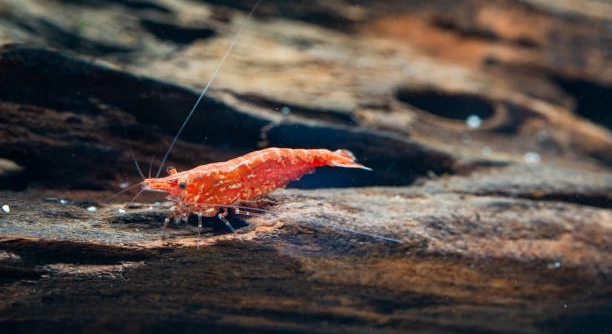
Have you ever struggled to keep your shrimp tank clean and healthy while managing all the small details? Maintaining water quality, feeding schedules, and monitoring their environment can feel overwhelming for any hobbyist.
Using specialized tools can greatly simplify shrimp care. Automated feeders, water testing kits, and algae scrapers reduce daily maintenance, while shrimplets nets, substrate sifters, and efficient filters help maintain a stable, clean, and thriving aquatic environment for all shrimp species.
With the right tools, shrimp care becomes less stressful, allowing more time to enjoy watching your shrimp grow and thrive in a well-kept tank.
Automated Feeders
Automated feeders take the stress out of remembering when to feed your shrimp. These devices can be programmed to release small amounts of food at regular intervals, keeping the shrimp well-fed without overfeeding. Consistent feeding reduces water contamination and helps maintain stable water parameters, which is crucial for shrimp health. Some feeders even allow you to set multiple feed times per day, mimicking a natural feeding pattern. This is especially helpful if you travel or have a busy schedule. Modern feeders are easy to clean and refill, ensuring that the process does not add extra work. They are designed to distribute food evenly across the tank, preventing waste from accumulating in one spot. Using an automated feeder can save time while promoting the shrimp’s growth and reducing stress caused by irregular feeding. Over time, this small investment can lead to a cleaner tank and healthier shrimp populations.
Automated feeders make daily feeding more manageable and prevent overfeeding, which can harm both shrimp and tank water quality.
Consistent feeding is essential for shrimp growth and reproduction. When shrimp receive food at predictable times, they are more active and healthier. Overfeeding, on the other hand, can lead to water quality problems such as ammonia spikes or algae growth. By using an automated feeder, tank owners can maintain a balance between adequate nutrition and water cleanliness. The feeder distributes food slowly, ensuring even access for all shrimp and preventing competition among individuals. Some feeders are programmable to release different types of food, including flakes, pellets, or specialized shrimp formulas. Regular maintenance of the feeder, including cleaning and monitoring for clogs, ensures it continues to operate efficiently. This simple tool reduces daily tasks while improving overall tank conditions, giving shrimp a stable environment to thrive. Automated feeders are practical, easy to use, and highly effective for maintaining shrimp health.
Water Testing Kits
Water testing kits provide a clear view of your tank’s water parameters, which are vital for shrimp survival.
By regularly testing for pH, ammonia, nitrites, and nitrates, you can catch potential issues early and make adjustments before shrimp are affected.
Maintaining stable water conditions is one of the most important aspects of shrimp care. Shrimp are sensitive to sudden changes in pH and chemical levels, and even small fluctuations can stress them or reduce survival rates. Water testing kits allow you to track these parameters accurately at home without complex equipment. Many kits include test strips or liquid reagents that show immediate results. Tracking parameters over time helps identify trends and prevent recurring problems, such as slow ammonia spikes or pH drops caused by certain substrates or plants. Regular monitoring supports healthier shrimp, better molting, and more successful breeding. Investing in a reliable water testing kit ensures that adjustments are precise and timely, improving both water quality and the shrimp’s well-being. Using these kits makes preventive care practical and efficient.
Algae Scrapers
Algae scrapers help keep tank surfaces clean without disturbing shrimp or plants. They remove buildup efficiently, improving light penetration and water quality.
Regular use prevents excessive algae that can compete with shrimp for nutrients. A scraper with a long handle allows easy access to corners and glass walls, reducing time spent cleaning. Consistent scraping keeps the tank visually appealing and healthier for shrimp. Some scrapers come with replaceable pads or magnetic versions, which make the process safer and more efficient. By keeping algae under control, shrimp have a more stable environment, and water circulation is less obstructed, promoting better overall tank health.
Using an algae scraper reduces the effort required to maintain a clean tank. It minimizes stress on shrimp by avoiding aggressive cleaning methods and keeps their habitat stable.
Consistent algae management supports shrimp well-being and prevents sudden water quality issues. Scraping removes excess food particles trapped in algae, which could otherwise decay and raise ammonia levels. Magnetic scrapers allow cleaning without putting hands in the water, minimizing the risk of disturbing shrimp or sensitive plants. Regular use of these tools ensures that light reaches plants effectively and encourages natural shrimp behaviors. Overall, algae scrapers are practical, safe, and time-saving, making them an essential part of routine tank maintenance.
Shrimplet Nets
Shrimplet nets are designed to safely handle baby shrimp during tank cleaning or transfers. Their fine mesh prevents injury while separating shrimp from tank mates.
They make moving shrimp or cleaning sections of the tank less stressful. Using the right size net ensures small shrimp are not accidentally harmed, and smooth edges prevent damage to delicate bodies.
Shrimplet nets reduce the risk of injury and stress during tank maintenance. Baby shrimp are fragile and can be easily caught in filters or larger nets. Fine mesh nets provide gentle handling while making it easier to relocate or examine them. Nets can also help during water changes by temporarily separating shrimp from active tank areas, reducing accidental harm. By using these nets, shrimp survival rates increase, and handling becomes less risky. Keeping the nets clean and dry between uses prevents contamination and supports overall shrimp health. Regular use ensures safer maintenance practices while protecting tiny shrimp.
Shrimplet nets are small but essential tools for careful shrimp care. They allow precise handling, reducing mortality during transfers and cleaning. With proper use, these nets provide a safe, efficient, and stress-free way to manage delicate shrimp populations, especially during early development stages.
Substrate Sifters
Substrate sifters help remove leftover food and debris from the tank bottom without disturbing shrimp. They keep the substrate clean, reducing the risk of water quality issues.
Using a sifter regularly prevents waste buildup, which can cause ammonia spikes. It allows beneficial bacteria to thrive while maintaining a healthy environment for shrimp.
Efficient Filters
Efficient filters maintain clean water and stable conditions. They remove debris, excess food, and waste, improving water quality for shrimp.
A good filter ensures proper circulation without creating strong currents that stress shrimp. It supports biological filtration, keeping ammonia and nitrite levels low. Efficient filters reduce the need for frequent water changes and help maintain a balanced, safe habitat. Proper maintenance, such as cleaning filter media periodically, ensures long-term efficiency. Filters designed for shrimp tanks often include sponge pre-filters to prevent baby shrimp from being sucked in, keeping all tank residents safe. Consistent filtration promotes healthy growth and molting for shrimp while maintaining clear water.
Water Conditioners
Water conditioners neutralize harmful chemicals like chlorine and chloramine, making tap water safe for shrimp. They protect delicate gill structures and overall health.
How often should I feed my shrimp?
Feeding shrimp regularly is important, but overfeeding can harm them. Most shrimp do well with small amounts once or twice a day. You can adjust based on the tank population and shrimp activity. Uneaten food should be removed within a few hours to prevent water quality issues. Observing your shrimp during feeding helps ensure everyone gets enough nutrition without overloading the tank with excess food. Automated feeders can help maintain consistent schedules and portion control.
What is the best water temperature for shrimp?
Shrimp thrive in stable water temperatures, usually between 72°F and 78°F (22°C–26°C). Sudden changes in temperature can stress shrimp and impact molting or breeding. A reliable aquarium heater and thermometer can help maintain a steady temperature. Avoid placing the tank near windows or heating vents where fluctuations are likely. Monitoring daily ensures shrimp remain comfortable and reduces health risks. Different species may have slight preferences, so check the requirements for the shrimp you keep. Maintaining a stable temperature improves growth, coloration, and overall activity.
How can I prevent algae growth?
Algae growth can be controlled with proper lighting, feeding, and tank maintenance. Avoid overfeeding and keep lights on a consistent schedule. Regular use of algae scrapers or magnetic pads removes buildup before it becomes excessive. Live plants compete with algae for nutrients, helping reduce its spread naturally. Efficient filters improve water quality by removing debris that fuels algae growth. Algae-eating shrimp species can assist, but they should not replace routine maintenance. Keeping algae in check ensures better water quality, clear viewing, and healthier shrimp.
What kind of filter is safest for baby shrimp?
Baby shrimp are delicate and can be sucked into strong filters. Sponge pre-filters or low-flow filters are ideal, allowing water to pass while protecting small shrimp. These filters support biological filtration while keeping tiny shrimp safe. Regular cleaning of the sponge ensures proper circulation. Using gentle water movement prevents stress and helps shrimp explore the tank without danger. Proper filtration also maintains water clarity and chemical balance, supporting molting and growth. Always check filter design before introducing it to a shrimp tank to avoid accidental harm.
How do I maintain proper pH levels?
Shrimp prefer slightly acidic to neutral water, usually around 6.5–7.5 pH. Regular testing with water kits helps track changes over time. Adding driftwood, leaves, or crushed coral can gently adjust pH if needed. Sudden shifts can stress shrimp, so changes should be gradual. Water conditioners and mineral additives also help maintain stability. Stable pH supports molting, feeding, and reproduction. Monitoring pH daily or weekly allows for early intervention, preventing long-term health issues and ensuring a safe, comfortable environment.
How can I encourage shrimp to breed?
Breeding requires stable water conditions, proper nutrition, and a safe environment. Providing hiding spaces like moss, plants, or shrimp tubes gives females places to release eggs and protects shrimplets. Feeding high-quality foods and keeping water parameters steady encourages reproduction. Avoid disturbing the tank during molting or egg-carrying periods. Consistent temperature, clean water, and minimal stress improve survival rates for babies. Observing shrimp behaviors, such as increased activity in females and mating dances, helps monitor success. A properly maintained tank increases the likelihood of continuous shrimp breeding.
How often should I change the water?
Water changes are essential to remove waste, balance nutrients, and maintain stable chemistry. Weekly changes of 10–20% are generally sufficient for well-established tanks. Avoid large, sudden changes that can stress shrimp. Condition new water with dechlorinators before adding it. Monitoring water parameters before and after changes ensures stability. Partial water replacement helps control nitrate levels, supports healthy molting, and reduces the risk of diseases. Consistent water changes create a cleaner, safer habitat and promote long-term shrimp health and vitality.
Are there any foods shrimp should avoid?
Shrimp should avoid foods that decay quickly or are high in fat, as these can pollute the tank. Avoid processed human foods, bread, or meat. Stick to shrimp pellets, algae wafers, blanched vegetables, and occasional protein treats. Uneaten food should be removed to prevent ammonia spikes. A varied diet supports growth, molting, and color development. Feeding only safe, appropriate foods reduces the risk of water contamination and promotes overall health. Observing which foods shrimp eat and adjusting portions helps maintain clean water and happy shrimp populations.
Can I mix shrimp species in one tank?
Some species can coexist, but compatibility depends on size, behavior, and water requirements. Avoid mixing aggressive or much larger species with smaller, delicate shrimp. Research each species’ needs before combining them. Mixed tanks may require extra hiding spaces to reduce stress and competition. Monitoring interactions ensures peaceful cohabitation. Stable water conditions and sufficient food distribution minimize conflict. Careful selection of species allows for a diverse, visually appealing tank while maintaining the safety and well-being of all shrimp.
Caring for shrimp can feel complicated at first, but using the right tools makes a noticeable difference. Tools like automated feeders, efficient filters, and water testing kits help reduce the everyday tasks that can be stressful or time-consuming. They allow you to maintain stable water conditions, monitor important parameters, and provide consistent feeding without much effort. Even small items, such as algae scrapers, substrate sifters, and shrimplet nets, play a vital role in keeping the tank clean, safe, and organized. Over time, these tools reduce the risk of water quality problems, improve shrimp health, and make the process of maintaining the tank more manageable. They create a routine that is easier to follow and helps prevent sudden issues that can harm the shrimp. Incorporating these tools into your setup means you spend less time worrying about maintenance and more time observing and enjoying the shrimp in their environment.
Every shrimp tank has its own unique needs depending on the species, tank size, and setup. Regular monitoring and adjustments are always necessary to maintain a healthy environment. For example, even with automated feeders, you should occasionally check that food portions match the shrimp population. Filters and water conditioners require routine cleaning and monitoring to ensure they continue working effectively. Water testing kits are most helpful when used consistently, as they reveal gradual changes in pH, ammonia, or nitrite levels that could become harmful if unnoticed. Using the right tools doesn’t eliminate effort completely, but it allows you to focus on the most important tasks while minimizing risks. Consistent care and observation ensure that shrimp stay healthy, reproduce successfully, and display vibrant colors. These small investments in time, effort, and equipment can have a big impact on the overall success of your tank.
Shrimp keeping can be very rewarding when their needs are met with the proper setup and maintenance. The combination of the right tools, regular observation, and a steady routine creates an environment where shrimp can thrive. Small, practical steps such as cleaning with a scraper, sifting the substrate, and carefully handling shrimplets reduce stress for both the shrimp and the tank owner. Over time, these practices become second nature, and maintaining the tank is less of a chore and more of a smooth, predictable routine. By focusing on water quality, feeding schedules, and gentle handling, you can ensure your shrimp remain healthy and active. Investing in quality tools and following consistent care practices helps prevent problems before they start and supports long-term success. Ultimately, taking these measures provides peace of mind and makes shrimp care more enjoyable, allowing you to see the full beauty and activity of your shrimp without constant worry.

Hello,
If you enjoy the content that we create, please consider saying a "Thank You!" by leaving a tip.
Every little bit helps us continue crafting quality advice that supports the health, happiness, and well-being of pets around the world, for pets of all shapes, sizes, and species.
We really appreciate the kindness and support that you show us!