
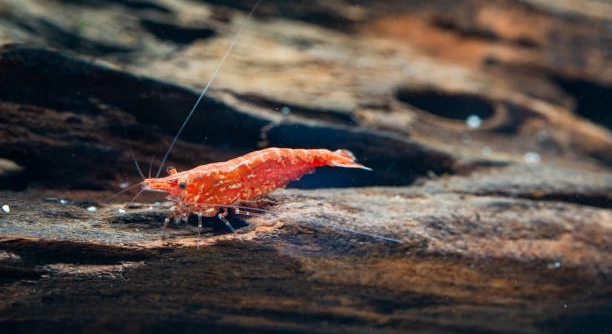
Keeping cherry shrimp in a tank can be rewarding, but creating a suitable environment is key. Plants provide shelter, improve water quality, and create a natural feel for your tiny aquatic friends to thrive safely.
The best plants for cherry shrimp tanks include mosses, floating plants, and low-light species that offer hiding spots, grazing surfaces, and water filtration benefits. These selections support shrimp health, reproduction, and overall tank stability in a controlled aquatic environment.
Choosing the right plants can transform your tank into a safe and vibrant home for your shrimp. This guide highlights options that combine beauty and function.
Java Moss
Java moss is one of the easiest plants to keep in a cherry shrimp tank. It grows in almost any water condition and requires minimal light, making it perfect for beginners. Its dense structure provides shelter for shrimp, especially baby shrimp, allowing them to hide and avoid stress. The moss also traps small food particles, giving shrimp an additional source of nutrition. You can attach it to driftwood, rocks, or let it float freely. Regular trimming keeps it healthy and prevents overgrowth. Many shrimp owners notice that moss encourages breeding because it creates a safe environment for eggs and baby shrimp. Over time, it forms a natural carpet, adding depth and texture to the tank. Java moss does not require special fertilizers, and its slow growth makes it low-maintenance. Its versatility allows you to shape it as desired, giving your tank a lush and natural appearance while benefiting your shrimp’s overall well-being.
Java moss provides excellent hiding spots and extra feeding surfaces for shrimp, supporting their safety and growth naturally.
Its soft, dense strands catch tiny food particles, helping shrimp feed efficiently. This simple plant is highly adaptable and adds a natural, green layer to any tank, making it both functional and decorative.
Anubias
Anubias are hardy plants that thrive in low-light conditions, making them suitable for cherry shrimp tanks. Their thick leaves are not easily eaten, providing a stable environment for shrimp to explore. These plants can be anchored to rocks or wood, offering hiding places and grazing surfaces for tiny shrimp. Anubias grows slowly, so it does not require frequent trimming. Their robust nature means they are not sensitive to water fluctuations, making tank maintenance easier. By planting Anubias, you improve the aesthetic of your tank while giving your shrimp a safe space to live. It also helps maintain water quality, as its leaves and roots absorb excess nutrients. Many owners combine Anubias with moss or floating plants to create layered textures in the tank. Overall, this plant is practical and visually appealing, supporting shrimp health and creating a natural environment.
Anubias offers durable leaves and stable growth, making it ideal for providing shelter and grazing areas for shrimp.
The plant’s slow growth allows it to remain attractive and low-maintenance while still benefiting shrimp. Its flexibility in placement and resilience to varied water conditions make it a reliable addition to any tank setup. Shrimp use the broad leaves to rest, hide, and forage, which reduces stress and encourages healthy behavior. Anchoring it to driftwood or rocks adds depth and dimension to the tank. Combining Anubias with moss or other low-light plants enhances its protective qualities and creates a visually appealing layout. Its presence helps filter the water naturally, absorbing excess nutrients that could otherwise promote algae growth. For those who want a low-maintenance yet effective plant, Anubias is a strong choice. It balances aesthetics with function, giving shrimp a safe, enriching environment that supports their growth and activity over time.
Moss Balls
Moss balls are simple to care for and provide extra surfaces for shrimp to graze. They absorb nutrients in the water, helping maintain balance, and their round shape makes them easy to move around the tank.
These green spheres grow slowly, making them low-maintenance and perfect for small tanks. Shrimp enjoy crawling over them and picking at the fine algae that collects on their surfaces. Moss balls can be gently rolled to clean or trimmed if they start losing shape. Their compact size allows them to fit into tight corners, creating micro-habitats for baby shrimp. Over time, they add visual interest without taking over the tank, complementing other plants while offering functional benefits.
Moss balls also help control water quality by absorbing nitrates and phosphate. They require minimal light and can survive in a wide temperature range. These plants can be paired with other low-light species to create a balanced tank. Their soft texture makes them shrimp-friendly, encouraging exploration and feeding. Even in a sparsely planted tank, moss balls give your shrimp something to interact with, making the environment richer and more stimulating. They are a practical, low-effort choice that supports both tank aesthetics and shrimp health.
Java Fern
Java fern attaches easily to driftwood or rocks, creating secure surfaces for shrimp to hide and graze. Its sturdy leaves resist being eaten, keeping the tank organized and functional.
This plant grows slowly and thrives in low-light conditions, reducing maintenance needs. Shrimp enjoy climbing over its leaves and roots, which provide extra feeding areas. Java fern’s root system absorbs nutrients efficiently, helping maintain water quality while preventing algae overgrowth. Its flexibility allows placement in various tank setups, whether foreground, midground, or attached to décor. Its low nutrient demand means you do not need fertilizers, making it ideal for beginner and experienced shrimp keepers alike.
The fern creates vertical space and texture in the tank, giving shrimp multiple layers to explore. Its leaves serve as grazing surfaces for biofilm and algae, which are essential to shrimp diets. Java fern also contributes to oxygenation, supporting overall tank health. Placing it near hiding spots allows baby shrimp to grow safely, while adults can forage comfortably. Its resilient nature means occasional trimming is enough to keep it attractive. Combining Java fern with moss or floating plants enhances shelter and feeding areas, making it a versatile, low-maintenance addition that benefits both shrimp activity and tank aesthetics.
Hornwort
Hornwort grows quickly and helps absorb excess nutrients, keeping water cleaner for shrimp. Its feathery stems create plenty of hiding spaces and grazing surfaces.
This plant floats freely or can be anchored. Shrimp use its fine leaves for cover, reducing stress and encouraging healthy behavior in both adults and babies.
Marimo Moss
Marimo moss is a unique, slow-growing plant that rolls into soft balls. It provides grazing surfaces for shrimp and is gentle on their tiny bodies. Its spherical shape adds texture and movement to the tank while supporting water quality naturally.
Water Wisteria
Water wisteria grows fast and provides dense coverage, offering shelter and grazing surfaces. Its leaves help filter water and prevent algae growth, supporting shrimp health and creating a natural, layered environment that encourages activity and feeding.
What plants are safest for cherry shrimp?
The safest plants for cherry shrimp are slow-growing, hardy species that provide shelter and surfaces for grazing. Java moss, moss balls, and Anubias are excellent choices because they thrive in low light, resist being eaten, and create hiding spots for baby shrimp. Plants with dense foliage allow shrimp to feel secure while foraging. Fast-growing floating plants, like hornwort or water wisteria, are also safe because they offer both shade and surfaces for biofilm, which shrimp feed on. Avoid plants with sharp edges or chemical treatments, as they can harm delicate shrimp. Using a mix of mosses, ferns, and floating species gives your tank both visual appeal and functional habitat, supporting shrimp health naturally.
Can shrimp survive in tanks with only artificial plants?
Shrimp can survive with artificial plants, but they won’t get the same benefits as live plants. Live plants improve water quality by absorbing nitrates and producing oxygen, while artificial plants only provide hiding spots. Without biofilm and algae that grow on live leaves, shrimp may need more supplemental feeding. Artificial plants can be used to decorate or provide temporary cover, but including some live plants is best for reproduction, growth, and overall activity. A balanced tank with a combination of live and artificial plants can reduce maintenance while still supporting shrimp needs effectively.
How do plants help shrimp reproduce?
Plants create safe zones for shrimp eggs and baby shrimp, reducing stress and predation risk. Fine-leaved mosses like Java moss or Marimo moss are particularly good because shrimp can hide among them immediately after hatching. Dense plants provide surfaces for baby shrimp to graze on biofilm and tiny microorganisms, which are essential for their growth. Floating plants can also diffuse light and reduce aggressive behaviors in adult shrimp, creating a calmer environment that encourages breeding. A well-planted tank often leads to higher survival rates for baby shrimp and more consistent reproduction over time.
How often should I trim plants in a shrimp tank?
Trimming depends on the growth rate of the plants. Slow-growing plants like Anubias or Java fern need minimal trimming, perhaps once every few months, mainly to remove decaying leaves. Faster-growing plants like water wisteria or hornwort may require weekly or biweekly pruning to prevent overcrowding and maintain water flow. Trimming also helps reduce detritus buildup, which can improve water quality. Shrimp use trimmed leaves as additional grazing surfaces, so cutting carefully can provide extra nutrition. Regular observation helps determine the right trimming schedule without stressing the shrimp or disturbing the tank balance.
Are floating plants beneficial for shrimp tanks?
Floating plants are very beneficial. They provide shade, reduce algae growth, and offer surfaces for biofilm to grow. Shrimp use their roots as hiding places and grazing areas. Floating plants like hornwort or duckweed move slightly with water flow, creating a natural environment. They also help absorb excess nutrients, contributing to overall water quality. Even a few floating plants can make a tank feel fuller and more dynamic, giving shrimp a richer environment to explore without taking over space needed by rooted plants.
Can I use fertilizers with plants in a shrimp tank?
Fertilizers can be used cautiously, but only those safe for invertebrates. Shrimp are sensitive to many chemical additives, so fertilizers labeled “safe for shrimp” or “low-impact” are recommended. Liquid fertilizers applied sparingly and targeting rootless plants like Anubias or floating species are effective without harming shrimp. Slow-release or root tab fertilizers can also work for rooted plants. Monitoring water parameters after fertilization is essential to avoid spikes in ammonia, nitrites, or nitrates. Proper dosing ensures that plants grow healthy while shrimp remain safe and active.
Which plants provide the best hiding spots for baby shrimp?
Mosses and finely-leaved plants are the best for hiding baby shrimp. Java moss, Marimo moss, and hornwort create dense networks where babies can hide from adults and avoid stress. Floating plants with roots that dangle into the water also offer protection. Providing multiple layers of cover increases survival rates, giving babies spaces to forage safely. Placing these plants in corners, near rocks, or around décor creates microhabitats that make the tank feel natural and secure. These hiding areas are crucial during the first weeks after hatching, when baby shrimp are most vulnerable.
Can too many plants harm shrimp?
Too many plants can limit swimming space and reduce water circulation. Overcrowding can trap debris, leading to water quality issues that affect shrimp health. However, well-planned planting with varied species usually avoids this problem. Maintaining a balance between open swimming areas and dense cover ensures shrimp can forage, hide, and grow comfortably. Regular trimming and occasional rearrangement prevent stagnation and maintain both aesthetic appeal and functional habitat for all shrimp.
How do I clean plants without harming shrimp?
Cleaning should be gentle to avoid stressing or injuring shrimp. Use soft brushes or hands to remove algae and debris from leaves. Avoid chemical cleaners. For mosses and delicate plants, rinsing under dechlorinated water while gently squeezing is enough. Floating plants can be lifted and swirled in tank water to remove dirt. Cleaning during routine water changes minimizes disruption, and shrimp often return quickly to explore cleaned areas. Maintaining clean plants helps improve water quality and ensures shrimp have safe surfaces to graze and hide on.
How can I encourage plant growth in a shrimp tank?
Ensure proper lighting and moderate nutrient levels to support plant growth. Most shrimp-safe plants do not need high-intensity light; low to moderate light for 6–8 hours daily is usually sufficient. Adding liquid fertilizers or root tabs labeled safe for invertebrates can provide essential nutrients. Maintaining stable water parameters—temperature, pH, and hardness—helps plants grow without stressing shrimp. Regular trimming removes dead leaves, encouraging new growth. Combining mosses, ferns, and floating plants creates a thriving ecosystem that benefits both the plants and the shrimp living among them.
Keeping cherry shrimp can be a calming and rewarding experience, but having the right plants in the tank is essential for their health and happiness. Live plants provide many benefits that go beyond aesthetics. They offer hiding spots and safe areas for baby shrimp to grow, which reduces stress and encourages natural behavior. Dense plants like mosses or ferns allow shrimp to explore and graze on biofilm that forms on the leaves, giving them an extra food source without relying solely on prepared diets. Floating plants add shade and can diffuse light, making the environment more comfortable for shrimp while also preventing algae from taking over the tank. By carefully selecting plants, you create a space that looks natural and supports the overall balance of the ecosystem.
The best plants for cherry shrimp tanks are hardy, slow-growing species that can tolerate low light and minimal maintenance. Mosses such as Java moss and Marimo moss are excellent choices because they provide dense cover and surfaces for feeding, while also being easy to care for. Ferns like Java fern attach easily to rocks or driftwood, creating vertical layers and more grazing areas. Anubias and other broad-leafed plants offer additional surfaces for biofilm growth and contribute to water quality by absorbing excess nutrients. Fast-growing species such as hornwort or water wisteria can be added to maintain balance by helping remove nitrates and providing extra shelter. Combining different types of plants ensures a visually interesting tank that supports shrimp health, encourages breeding, and reduces stress, which is particularly important in small or heavily stocked setups.
Maintaining a planted shrimp tank requires regular observation, gentle cleaning, and occasional trimming of overgrown plants. While it might seem like extra work at first, the benefits for shrimp are significant. Plants improve water quality, offer spaces for hiding and feeding, and create a dynamic, natural-looking environment that encourages active behavior. Choosing the right combination of mosses, ferns, floating plants, and low-maintenance broad-leaf species allows for a low-stress, thriving tank where shrimp can reproduce and interact naturally. Over time, your tank will develop layers of greenery, with shrimp moving between plants, exploring surfaces, and grazing safely. Thoughtful planning and care with plant selection can turn an ordinary aquarium into a healthy, lively habitat, giving your cherry shrimp the best chance to thrive in a secure, enriched environment.

Hello,
If you enjoy the content that we create, please consider saying a "Thank You!" by leaving a tip.
Every little bit helps us continue crafting quality advice that supports the health, happiness, and well-being of pets around the world, for pets of all shapes, sizes, and species.
We really appreciate the kindness and support that you show us!