
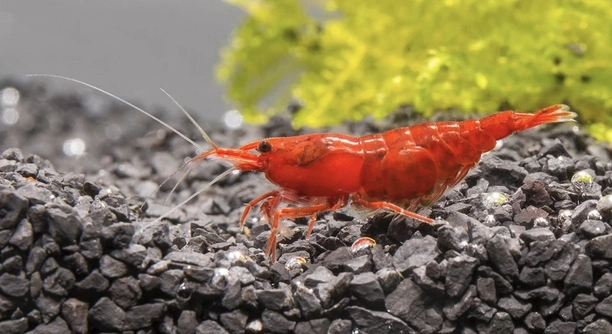
Cherry shrimp are small, colorful freshwater creatures that often gather in clusters. Their social behavior can seem unusual, especially when they move together in tight groups within aquariums or natural habitats.
Cherry shrimp group together primarily for protection and environmental comfort. Clustering reduces stress by creating a sense of security, allowing them to monitor potential threats collectively, and it also helps regulate water conditions, including temperature and oxygen levels, for optimal survival.
Observing their movements reveals patterns that hint at instincts and environmental responses. Learning more about these behaviors can help hobbyists provide a healthier and more comfortable habitat.
How Social Behavior Affects Cherry Shrimp
Cherry shrimp are naturally social creatures that feel more secure in groups. They tend to stay close to each other, especially in areas with abundant hiding spots like plants and decorations. Being in a group helps them react quickly to changes in their environment, such as sudden movements or shifts in water conditions. This clustering also allows them to share warmth and maintain a comfortable space, which is especially important in smaller aquariums. Stress levels are lower when shrimp are near others of their kind, which in turn supports better growth, molting, and overall health. Observing them in groups can reveal patterns in movement, feeding, and rest, making it easier to notice when something is off. Even subtle shifts in water quality or temperature may prompt them to bunch together more tightly. Grouping is a natural instinct that balances safety, comfort, and social interaction.
This social tendency is also linked to mating and communication.
Being close together helps shrimp signal readiness for reproduction. It allows chemical cues to pass easily and encourages natural behaviors, which can improve breeding success.
Environmental Factors That Influence Grouping
Water temperature, pH, and oxygen levels strongly affect how cherry shrimp cluster. In colder or low-oxygen water, they tend to huddle in smaller areas.
Stable environments promote regular patterns of movement, feeding, and rest. When water parameters are inconsistent, shrimp may move in tight groups to find comfort zones or escape areas with poor conditions. Plants, hiding spots, and smooth surfaces also shape how they gather, since shrimp feel safer near solid structures. Even the presence of other small aquatic creatures can influence where groups form, as shrimp avoid potential threats or competition. Maintaining consistent water quality and temperature allows them to spread out naturally while still interacting socially. Observing these patterns provides insight into their needs and can help prevent stress-related problems. By understanding how the environment shapes their behavior, caretakers can create spaces that support both safety and active exploration, ensuring shrimp remain healthy, comfortable, and display natural group behaviors.
Grouping During Feeding
Cherry shrimp often cluster around food sources. They prefer eating together, which reduces competition and allows more timid shrimp to access food safely.
Feeding time highlights their social behavior. Shrimp sense the presence of food through chemical signals in the water. When one shrimp finds food, others quickly follow, creating small groups around the feeding spot. This behavior ensures that all members of the group get a chance to eat while staying close for safety. The clusters also reduce stress because the shrimp feel protected by the numbers around them, which encourages more active and confident feeding. Different types of food, such as algae wafers or blanched vegetables, can affect how tightly they gather, as some foods are more attractive and cause larger groups to form. Observing these patterns helps in adjusting feeding amounts and locations to keep all shrimp healthy.
Their feeding clusters also influence molting behavior. Shrimp often hide immediately after shedding their exoskeleton.
Molting shrimp are vulnerable, and being near a group provides added security. Other shrimp may remain nearby but avoid direct contact, giving the molting shrimp space while still benefiting from the safety of numbers. This balance between social clustering and personal space during molting is a key aspect of their behavior. The presence of nearby shrimp can also encourage timely molting by creating a calm and predictable environment. Over time, shrimp learn the patterns of feeding and molting within their group, which supports healthy growth and reduces stress-related issues. Careful observation allows aquarists to provide safe hiding spots and consistent feeding routines that respect both social and individual needs.
Seasonal and Lighting Influences
Seasonal changes can affect shrimp activity and grouping. Temperature fluctuations or changes in light cycles influence how closely they gather.
Shrimp respond strongly to lighting conditions. Brighter light may make them seek shelter and cluster more tightly in shaded areas, while dimmer lighting encourages exploration. Temperature shifts, even small ones, can alter their metabolism, prompting them to gather in areas with ideal warmth. Plants and décor that provide consistent shaded or sheltered spots help maintain natural grouping patterns throughout seasonal changes. Aquariums with stable light cycles and gentle temperature regulation reduce stress and support healthy social interactions. By monitoring light and seasonal variations, it’s possible to predict when shrimp will form tighter clusters and adjust the tank setup to maintain balance. Proper understanding of these environmental triggers helps ensure shrimp remain active, comfortable, and display natural social behaviors consistently.
Stress and Safety
Cherry shrimp cluster tightly when they feel threatened. Sudden movements or new tank additions often trigger this instinctive behavior.
Being in a group provides a sense of security. The shrimp can monitor each other and respond quickly to potential dangers, reducing individual stress and improving overall survival in the tank.
Molting and Shelter
During molting, shrimp seek safety in groups near hiding spots. They remain close to others while avoiding direct contact, ensuring protection while staying out of harm’s way. This behavior supports successful molting and reduces the risk of injury from more active tank mates or strong currents.
Water Flow and Current
Stronger currents often push shrimp together. They cluster in areas with slower water movement to conserve energy and maintain stability, creating natural gathering spots in the tank.
FAQ
Why do cherry shrimp always stay in groups?
Cherry shrimp are naturally social animals. Staying in groups provides safety, reduces stress, and allows them to monitor their surroundings more effectively. In the wild, clustering helps protect them from predators, and in aquariums, it helps them feel secure in an artificial environment.
Do they cluster more at certain times of the day?
Yes, their activity and grouping patterns often change with light levels. During bright periods, shrimp may stay closer together in shaded areas, while dimmer light encourages exploration. They also tend to cluster more during feeding or when water conditions fluctuate.
Does the size of the tank affect their grouping?
Tank size plays a role in how tightly shrimp group. Smaller tanks naturally limit space, making clustering more obvious, while larger tanks allow them to spread out. However, even in spacious environments, they prefer the comfort of being near others, especially around food or hiding spots.
Can stress cause unusual clustering?
Stress from sudden temperature changes, poor water quality, or new tank mates can trigger tighter grouping. Shrimp instinctively seek safety in numbers during stressful situations, which helps them feel protected and reduces the risk of harm.
Do all shrimp in the group behave the same way?
Not always. More dominant or confident shrimp may explore more, while timid individuals stick closer to the group. This behavior ensures a balance between safety and resource access, with everyone benefiting from the group’s protective presence.
How does feeding affect group behavior?
Food is a strong factor in shrimp clustering. When one shrimp finds food, others quickly join, forming temporary feeding clusters. This reduces competition and ensures that all shrimp get a share while staying close to the safety of the group.
Do shrimp ever separate from the group?
Yes, shrimp sometimes move alone for exploration or molting. Molting shrimp often isolate slightly to reduce the risk of injury, but they remain near others for a sense of safety, demonstrating a balance between social behavior and individual needs.
How do plants and decorations influence grouping?
Plants, rocks, and other décor create natural gathering points. Shrimp feel safer near solid surfaces, which encourages them to form clusters around these areas. Well-placed hiding spots also reduce stress and promote healthy group behavior.
Does water flow impact how shrimp group together?
Current and water flow strongly influence clustering. Strong currents push shrimp to calmer areas, leading to tighter groups. They cluster in low-flow zones to conserve energy, maintain stability, and avoid being swept around, creating predictable spots for observation and feeding.
Can grouping behavior indicate health issues?
Yes, abnormal clustering may signal problems. Shrimp that gather unusually tightly or stay isolated for long periods might be stressed or ill. Monitoring group patterns can provide early warnings about water quality, temperature fluctuations, or other environmental factors.
Do seasonal changes affect their behavior?
Temperature and light variations across seasons can influence shrimp activity and clustering. Colder water or shorter daylight periods may cause them to stay closer together for warmth and security. Maintaining consistent tank conditions helps keep their behavior steady year-round.
Can breeding influence group patterns?
Breeding shrimp tend to cluster more around safe, sheltered areas. Females carrying eggs prefer protection, while males remain nearby to monitor mating opportunities. Group clustering during this time ensures both safety and successful reproduction.
Is it normal for shrimp to cluster even without food or stress?
Yes, even under stable conditions, cherry shrimp group together naturally. Social clustering is an instinctive behavior that provides comfort, encourages communication, and supports overall well-being within the tank environment.
How can I encourage healthy group behavior?
Providing stable water parameters, proper hiding spots, and regular feeding helps shrimp display natural clustering behaviors. Observing their patterns and making small adjustments ensures they remain active, comfortable, and socially engaged without stress.
Do shrimp interact differently with different tank mates?
Yes, the presence of other species can affect grouping. Shrimp may cluster more tightly when unfamiliar or potentially predatory tank mates are present. Safe companions and peaceful fish encourage normal social behavior, while aggressive species may increase stress and alter clustering patterns.
Does age affect grouping behavior?
Juvenile shrimp tend to stay closer together for protection, while adults are more confident and spread out slightly. However, even mature shrimp maintain some level of social clustering to feel secure and coordinate feeding and shelter.
Can observing clustering behavior help with tank management?
Absolutely. Watching how shrimp group provides insight into water quality, stress levels, and general health. Consistent observation allows adjustments in feeding, décor, or tank conditions to maintain a healthy and comfortable environment for all shrimp.
Are there differences between red, orange, or other colored cherry shrimp in grouping?
Color variations don’t significantly change social behavior. All cherry shrimp, regardless of color, follow similar instincts to cluster for safety, feeding, and comfort. Differences may appear only in individual temperament rather than color.
Does lighting type influence clustering?
Yes, lighting intensity and placement can affect behavior. Brighter lights may cause shrimp to seek shaded areas and cluster more tightly, while softer lighting encourages exploration and more even distribution throughout the tank.
How long do shrimp typically stay in clusters?
Cluster duration varies with activity and environment. During feeding or stress, shrimp may remain tightly grouped for several minutes to hours. Under calm, stable conditions, they may form loose groups, spreading out as they feel comfortable while staying connected socially.
This FAQ covers most aspects of cherry shrimp grouping, including natural instincts, environmental influences, and care tips, providing practical insight for maintaining a balanced tank.
Cherry shrimp are small but fascinating creatures whose behavior reflects both instinct and environmental conditions. Observing them in a tank can reveal a lot about their social tendencies, especially how they group together in clusters. These clusters are not random but serve several purposes. In their natural habitat, grouping helps them stay safe from predators and navigate changes in their environment. Even in aquariums, shrimp display these same behaviors, showing that their instincts remain strong despite being in a controlled setting. Watching them move, feed, and interact in groups can give caretakers important clues about their well-being and the health of the tank environment. Understanding these patterns makes caring for shrimp easier and more effective, ensuring they thrive.
Grouping also reflects the way cherry shrimp balance social interaction with individual needs. They tend to cluster during feeding, molting, or when water conditions fluctuate, but they also occasionally separate slightly to maintain personal space. This behavior shows that even small creatures like shrimp have a sense of comfort and security that drives their social habits. Observing these group patterns can help identify issues early, such as stress or water problems. Consistently stable conditions encourage normal grouping behavior and reduce anxiety in the shrimp, making the tank a healthier and calmer environment. By paying attention to how and when shrimp cluster, caretakers can adjust food placement, hiding spots, and water flow to support both social behavior and individual well-being.
Finally, cherry shrimp offer more than just visual appeal—they provide insight into the importance of environment, comfort, and social behavior in aquatic life. Their clustering behaviors are a combination of natural instincts and responses to tank conditions. By creating a balanced habitat with stable water parameters, safe hiding spots, and adequate food, caretakers can encourage healthy interactions and natural grouping patterns. Understanding the reasons behind these clusters helps provide better care and prevents stress-related problems. Watching cherry shrimp move together in their groups can be rewarding and informative, showing how even small creatures adapt to their surroundings while maintaining instinctive social behaviors. Observing these patterns over time allows for a deeper understanding of their needs and ensures they remain active, healthy, and comfortable in their environment.

Hello,
If you enjoy the content that we create, please consider saying a "Thank You!" by leaving a tip.
Every little bit helps us continue crafting quality advice that supports the health, happiness, and well-being of pets around the world, for pets of all shapes, sizes, and species.
We really appreciate the kindness and support that you show us!