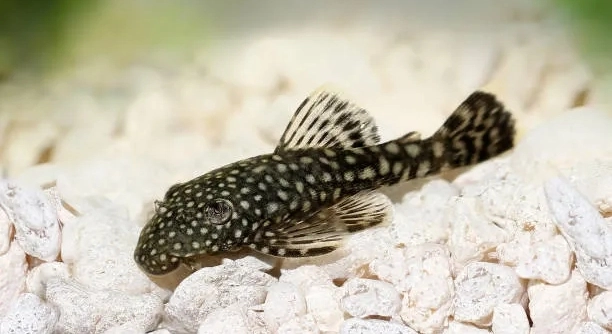
7 Safe Vegetables for Bristlenose Plecos
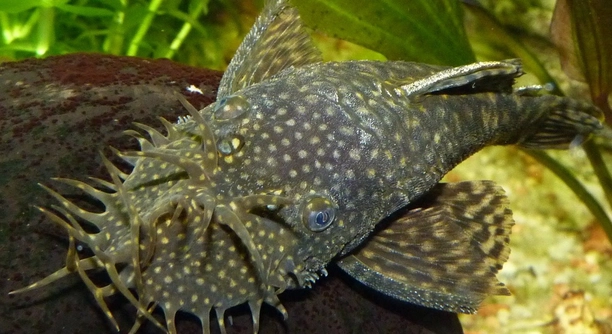
Do your Bristlenose Plecos often nibble on everything in their tank, leaving you unsure which vegetables are actually safe for them to eat? Bristlenose Plecos can safely enjoy vegetables such as zucchini, cucumber, spinach, kale, peas, green beans, and lettuce. These vegetables provide essential nutrients, promote healthy digestion, and support their natural grazing behavior without … Read more
Do Bristlenose Plecos Ever Fight for Space?

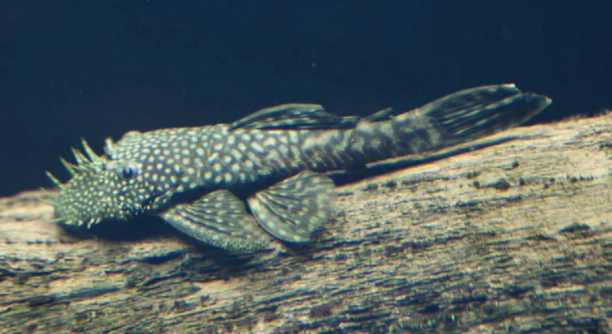
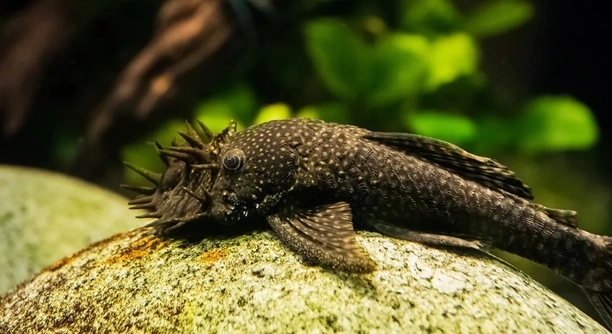
Have you ever noticed your Bristlenose Plecos acting a little territorial and wondered if they might be fighting for space in their tank? These peaceful bottom dwellers can sometimes surprise their owners with unexpected behavior. Bristlenose Plecos can indeed fight for space when their environment becomes overcrowded or lacks sufficient hiding spots. Territorial disputes often … Read more

7 Tips to Avoid Territorial Pleco Fights

Are your plecos constantly clashing over territory in your aquarium? Aggression between these fish can disrupt tank harmony and make maintenance stressful. Many aquarists struggle to keep peace when housing multiple territorial species together. Preventing fights among territorial plecos requires careful tank planning, adequate hiding spaces, and monitoring of fish behavior. Providing sufficient resources and … Read more

Do Bristlenose Plecos Like Still Water?

Have you ever noticed your Bristlenose Pleco resting quietly in your aquarium and wondered if it prefers calm, still water over moving currents? Bristlenose Plecos do not thrive in completely still water. They prefer a gentle flow that mimics their natural river habitats, ensuring proper oxygen circulation and waste removal. Stagnant water can cause discomfort, … Read more

7 Tank Decorations Plecos Interact With

Are your plecos spending most of their time hiding instead of exploring their tank? Their surroundings may not be stimulating enough to keep them active and curious throughout the day. Plecos interact most with decorations that resemble their natural habitat, such as driftwood, caves, smooth rocks, and live plants. These tank additions provide shelter, encourage … Read more

Can a Bristlenose Pleco Live Without a Filter?

Do you ever find yourself enjoying the quiet company of your Bristlenose Pleco while thinking about the setup of your aquarium? These fish are low-maintenance and charming, often becoming a favorite for many home aquarists. Bristlenose Plecos can survive without a filter in a properly maintained tank, but it requires frequent water changes, careful monitoring … Read more

7 Things That Could Stress a New Pleco

Do you ever find yourself setting up a new aquarium and wondering how your pleco will adjust to its new home? These unique fish can be sensitive, and even small changes may affect their well-being and comfort. Several factors can stress a new pleco, including poor water quality, sudden temperature fluctuations, overcrowding, improper diet, lack … Read more

7 Times to Consider a Bigger Tank for Plecos

Have you ever noticed your pleco seeming a bit cramped, resting in the same spot, or not as active as before? A bigger tank becomes necessary when plecos outgrow their current space, show signs of stress, or produce excessive waste that impacts water quality. Providing adequate room supports healthy growth, natural behavior, and overall well-being. … Read more

Why Your Pleco Might Be Biting Other Fish

Do you ever notice your pleco nipping at other fish even though it is supposed to be peaceful? Many aquarium owners find this behavior surprising and a bit frustrating when their tank companions get bitten unexpectedly. The primary reason your pleco may be biting other fish is due to territorial behavior, stress, or insufficient food … Read more

Why Plecos May Be Restless After Feeding

Do you ever notice your plecos moving around more than usual right after feeding? This behavior can seem puzzling, especially when they usually rest quietly during the day. Observing their patterns can give you helpful insight. Plecos may become restless after feeding due to digestive activity and environmental factors. The movement assists in processing food, … Read more