
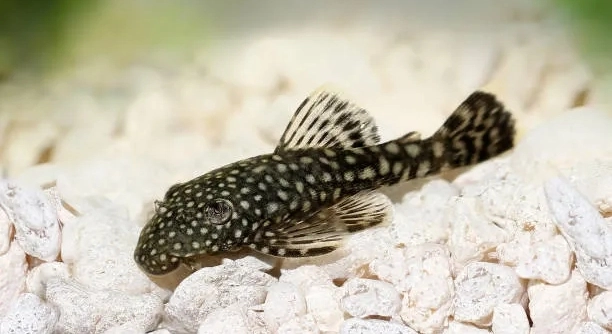
Are your plecos spending most of their time hiding instead of exploring their tank? Their surroundings may not be stimulating enough to keep them active and curious throughout the day.
Plecos interact most with decorations that resemble their natural habitat, such as driftwood, caves, smooth rocks, and live plants. These tank additions provide shelter, encourage grazing behavior, and support their instinctive need to explore and claim territories.
From natural textures to playful structures, the right decorations can turn an ordinary tank into an engaging underwater world for your plecos.
Driftwood
Driftwood is one of the most important decorations for plecos. It not only gives your tank a natural look but also provides your plecos with both shelter and a food source. Many pleco species enjoy rasping on the surface of driftwood, as it helps with digestion and keeps their teeth from overgrowing. It creates safe hiding spots where they can rest during the day and feel secure when stressed. Adding driftwood also benefits the tank by slightly softening and darkening the water, mimicking their natural habitat. It’s best to choose smooth, aquarium-safe driftwood like Malaysian or Mopani wood.
Keep in mind that new driftwood may release tannins into the water. This is harmless but can turn the water slightly brown. Soaking it beforehand reduces discoloration and ensures it sinks properly. Regular cleaning helps maintain its surface for your plecos to graze comfortably.
Plecos naturally interact with driftwood throughout the day, especially at night when they are most active. They often scrape biofilm or algae off its surface, using it both for nutrition and activity. By observing their behavior, you’ll notice how essential driftwood becomes in creating a healthy, engaging, and stress-free environment that keeps your plecos thriving in their tank.
Caves
Caves are essential for plecos, providing privacy, comfort, and protection. These enclosed spaces allow them to retreat when they feel threatened or want to rest.
Clay, ceramic, or stone caves are ideal because they mimic natural crevices plecos would find in rivers. They often choose these areas for breeding or hiding during daylight hours. The right cave size matters—too large and they won’t feel secure, too small and they may get stuck. Placing multiple caves helps prevent territorial disputes, especially if you keep more than one pleco. Position caves near the tank’s lower areas and ensure openings are smooth to avoid injury.
Adding caves also encourages natural behaviors. Males use them during spawning to guard eggs, while females seek shelter to rest. Over time, plecos may claim their favorite cave and return to it daily. This consistency reduces stress and promotes a calm, balanced environment. Combining caves with other natural features, like driftwood or plants, further enhances their sense of security and keeps the tank visually appealing.
Smooth Rocks
Smooth rocks provide both structure and security for plecos. They enjoy resting on their cool surfaces and using them as boundaries within the tank. These rocks help create natural divisions that reduce stress and territorial behavior among multiple plecos.
When arranging rocks, it’s best to choose rounded ones with no sharp edges. Smooth river stones or slate work well because they won’t harm your pleco’s delicate skin. Secure them firmly to avoid shifting or collapsing. Plecos often use rocks as shelter during the day and feeding grounds at night, where they graze on algae and biofilm. Rocks also help maintain tank balance by creating stable hiding spots without overcrowding the space.
Adding smooth rocks enhances both function and appearance. Their texture encourages natural behaviors, supports the tank’s structure, and gives plecos places to explore safely. Combined with driftwood and caves, rocks contribute to a natural, calming environment.
Live Plants
Live plants make the tank more engaging for plecos while supporting water quality. They provide hiding areas, oxygenate the water, and create natural shade. Plecos also enjoy resting on plant leaves, which gives them comfort and encourages gentle movement within the tank.
Strong-rooted plants like Anubias, Java Fern, and Amazon Swords are ideal. These species can handle plecos’ constant activity and occasional nibbling without being uprooted. Attaching plants to rocks or driftwood helps keep them stable. The greenery also supports biological balance by reducing nitrate levels and promoting a healthier ecosystem overall. Plecos tend to spend time exploring between the leaves, occasionally grazing on soft algae that grow naturally on the surfaces.
Incorporating live plants creates a peaceful, balanced environment that mirrors their natural habitat. It brings life and variety to the tank while keeping your plecos active, healthy, and engaged.
PVC Pipes
PVC pipes are practical and easy hiding options for plecos. They provide safety, privacy, and comfort while being affordable and customizable. These pipes can be cut into various lengths, allowing you to create multiple shelters for different-sized plecos within the same tank.
Positioning the pipes horizontally along the substrate helps mimic the burrows plecos use in nature. Their smooth surface prevents injury, and their dark interiors offer a secure space for resting or breeding. Using different pipe diameters ensures each pleco can find a suitable hide without competing for space.
Clay Pots
Clay pots are another excellent decoration plecos enjoy interacting with. They are perfect for breeding, hiding, and exploring, offering both protection and familiarity. The porous texture of clay helps with water circulation and provides a natural look that fits well with other tank elements.
Aquarium-safe Ornaments
Aquarium-safe ornaments add interest and enrichment for plecos. They often rest inside hollow decorations or underneath ledges, using them as shaded shelters. As long as the surfaces are smooth and free from sharp edges, these ornaments become safe and functional additions to their habitat.
FAQ
What type of decorations do plecos prefer the most?
Plecos are drawn to decorations that resemble their natural habitat. They enjoy driftwood, caves, smooth rocks, and live plants. Driftwood offers both a grazing surface and a place to hide, while caves and rocks give security. Live plants provide shade, oxygen, and gentle hiding spaces.
Can plecos damage decorations in the tank?
Yes, plecos can sometimes scrape or nibble on softer decorations. Driftwood and rocks are generally safe, but delicate artificial ornaments or fragile plants may show signs of wear over time. Choosing sturdy, aquarium-safe items ensures durability and prevents injury.
How many hiding spots should I provide?
Providing multiple hiding spots is important, especially if you have more than one pleco. At least two or three shelters per fish is ideal. This prevents territorial disputes and reduces stress, giving each pleco a personal area to rest or explore.
Do plecos interact with decorations at all times of the day?
Plecos are mostly nocturnal, so they are more active during the night. They explore, graze on algae, and rest inside hiding spots. During daylight, plecos often remain inside caves, pipes, or under plants, using these decorations for protection and comfort.
Are live plants safe for plecos?
Yes, live plants like Anubias, Java Fern, and Amazon Swords are ideal. They can withstand pleco activity and provide natural grazing surfaces. Strong-rooted plants are best to prevent uprooting, and attaching them to rocks or driftwood keeps them stable. Live plants also improve water quality.
Can plecos use PVC pipes safely?
PVC pipes are safe as long as they are clean and free from chemicals. They offer smooth, secure hiding spaces that plecos enjoy. Horizontal placement on the substrate mimics natural burrows, giving plecos a sense of security while allowing multiple fish to use different pipes.
Do plecos need decorations for their well-being?
Yes, decorations are essential for both mental and physical health. They provide shelter, reduce stress, encourage natural behaviors, and offer grazing surfaces. Without sufficient hiding spots or enrichment, plecos may become inactive, stressed, or display aggressive tendencies toward tankmates.
How should I arrange decorations for plecos?
Place larger items like driftwood and rocks first, creating stable zones. Add caves, PVC pipes, and ornaments around them to form shaded or secluded areas. Scatter live plants strategically for additional cover. Ensure each fish has access to at least one personal hiding spot to reduce territorial conflicts.
Are there decorations plecos should avoid?
Avoid sharp-edged or toxic decorations that could injure your fish. Some plastics or painted ornaments may leach chemicals. Fragile decorations like thin glass, delicate shells, or artificial plants with sharp edges can cause cuts or stress. Always choose smooth, aquarium-safe materials.
How often should decorations be cleaned?
Decorations should be cleaned as part of regular tank maintenance. Remove algae buildup or debris without using harsh chemicals. Gentle scrubbing with a soft brush or soaking in dechlorinated water keeps surfaces safe and functional while maintaining a healthy environment for your plecos.
Do decorations help with breeding plecos?
Yes, caves, clay pots, and driftwood are preferred spawning sites. Males often guard eggs inside secure spaces, while females retreat to these areas for safety. Providing multiple suitable spots increases the likelihood of successful breeding and ensures each pleco feels safe.
Can plecos rearrange decorations themselves?
Some plecos may move smaller items, especially lightweight decorations, driftwood, or plants. This behavior is normal and reflects their natural tendency to explore and claim territory. Ensuring heavier or securely anchored decorations minimizes accidental shifting and prevents injury.
How do decorations impact pleco activity?
Decorations encourage movement, exploration, and grazing behavior. By creating varied terrain, they reduce boredom and support natural instincts. Active plecos are healthier, less stressed, and more likely to interact with other tank inhabitants in positive ways, making decoration placement vital.
Do all pleco species have the same decoration preferences?
While most plecos share similar needs for hiding spots and grazing surfaces, preferences can vary slightly. Some species prefer more driftwood, while others enjoy caves or plants more. Observing your specific pleco’s behavior helps tailor the tank to suit its natural instincts and comfort.
Can decorations improve water quality?
Certain decorations, especially live plants and driftwood, can help improve water quality. Plants absorb nitrates and produce oxygen, while driftwood may slightly soften water and release beneficial tannins. Combining decorations with proper filtration supports a stable, healthy aquatic environment.
How do decorations reduce stress in plecos?
Decorations offer security, shelter, and a sense of territory. Hiding spots allow plecos to retreat when threatened or resting. Familiar surroundings reduce anxiety, promote natural behaviors, and create a calm environment, which directly contributes to overall health and longevity.
Is it necessary to rotate decorations for plecos?
Rotation is optional but can add enrichment. Occasionally moving decorations or introducing new items stimulates exploration and prevents boredom. Be careful not to disturb existing hiding spots too frequently, as plecos thrive on stable areas for resting and grazing.
Can decorations affect tank aesthetics?
Yes, thoughtful decoration arrangement enhances both visual appeal and functionality. Combining driftwood, rocks, caves, plants, and ornaments creates a natural, balanced look. A visually appealing tank also encourages observation of pleco behavior and contributes to a satisfying aquarium setup experience.
How do I choose the best decorations for my plecos?
Select sturdy, smooth, and aquarium-safe items that mimic natural habitats. Include a mix of driftwood, rocks, caves, plants, and pipes to provide hiding, grazing, and resting areas. Observe your plecos and adjust as needed to ensure each fish feels secure and has access to preferred spots.
Do plecos prefer dark or light decorations?
Plecos often favor darker or shaded areas, which provide a sense of security. Caves, the underside of driftwood, and densely planted spots offer low-light hiding spaces. Combining dark and light areas encourages exploration while still giving plecos retreat options when they feel exposed.
Can decorations help reduce aggression among plecos?
Yes, multiple hiding spots and clearly defined territories reduce territorial disputes. Providing personal spaces for each pleco ensures they feel secure, lowers stress, and minimizes conflicts. Decorations like caves, rocks, and pipes create natural boundaries that support peaceful coexistence among tankmates.
What is the minimum decoration setup for a single pleco?
At minimum, a single pleco benefits from one or two hiding spots, a piece of driftwood for grazing, and some form of structure or plant for exploration. Even minimal setups should provide safety, resting places, and surfaces for natural behaviors to maintain health and activity.
How do I maintain decorations long-term?
Regular cleaning and occasional inspection are key. Remove debris, algae, or buildup using safe methods. Check driftwood, rocks, and ornaments for stability or wear. Live plants may require trimming or replanting. Maintaining decorations ensures longevity, prevents hazards, and continues supporting pleco well-being.
Do decorations influence feeding behavior?
Yes, decorations like driftwood and rocks provide surfaces where biofilm and algae grow, supplementing a pleco’s diet. Hiding spots also allow them to feel secure while feeding. Proper placement ensures plecos have access to both nutrition and safe, comfortable feeding areas within the tank.
Can plecos adapt to tanks without decorations?
They can survive, but tanks without decorations may cause stress and inactivity. Lack of hiding spots and grazing surfaces reduces natural behaviors, potentially impacting health. Adding even simple structures like rocks or a single piece of driftwood greatly improves comfort and encourages normal activity.
Are there decorations that double as functional tank equipment?
Yes, driftwood and live plants can improve water chemistry, while caves and PVC pipes can provide hiding and breeding sites. Combining decorative and functional purposes maximizes tank efficiency and ensures plecos benefit from both safety and environmental enrichment.
How do I introduce new decorations safely?
Rinse all new items thoroughly in dechlorinated water. Soak driftwood if necessary to remove tannins. Place decorations gradually to avoid stressing plecos. Monitor behavior to ensure they accept new additions, adjusting placement to maintain comfort and prevent territorial disputes.
Do plecos prefer grouped or scattered decorations?
A mix of both works best. Grouped decorations create shelter clusters and feeding zones, while scattered items encourage exploration. This combination allows plecos to establish territory, hide, graze, and move around freely, keeping them active and engaged.
What signs show plecos like their decorations?
Plecos will rest inside hiding spots, graze on driftwood or rocks, and explore plants or pipes. They often return to favorite spots consistently. Signs of comfort include calm behavior, normal feeding patterns, and regular interaction with multiple decorations throughout the tank.
Can decorations affect pleco health?
Yes, safe and suitable decorations promote mental and physical health. They reduce stress, encourage natural behaviors, provide surfaces for grazing, and improve overall tank conditions. Conversely, unsafe or insufficient decorations may lead to injury, inactivity, or heightened aggression. Proper selection is essential.
How often should I rearrange decorations for variety?
Occasional rearrangement can stimulate exploration, but it should be done carefully. Too frequent changes can stress plecos. Adjusting a few items or adding new elements every few months keeps the tank engaging without disrupting established hiding spots.
Do plecos prefer natural or artificial decorations?
Natural decorations like driftwood, rocks, and live plants are usually preferred. They provide grazing surfaces, hiding spots, and a familiar texture. Artificial decorations are acceptable if smooth and safe, but natural items better support behavior and overall comfort.
How can I make decorations safer for plecos?
Ensure surfaces are smooth, edges are rounded, and materials are non-toxic. Avoid fragile or painted items that may leach chemicals. Regular maintenance, secure placement, and careful selection prevent injuries and create a comfortable environment for plecos.
Can plecos interact with decorations differently as they grow?
Yes, larger plecos may need bigger caves or thicker driftwood, while juveniles use smaller hiding spots. Observing growth helps adjust decoration size and placement, ensuring comfort, reducing stress, and supporting natural behaviors throughout life stages.
Do plecos need lighting around decorations?
Plecos are mostly nocturnal, so bright lighting is not necessary for them. Gentle or subdued lighting is ideal, allowing them to explore while still offering shaded hiding spots. Proper lighting also supports plant growth and enhances tank appearance without stressing the fish.
What is the role of decoration placement in pleco breeding?
Strategic placement of caves, clay pots, or driftwood encourages spawning. Males often guard eggs inside enclosed spaces, while females retreat to safe spots. Ensuring multiple options and secure locations increases breeding success and reduces stress for both parents.
Do plecos prefer decorations on the substrate or elevated?
Most plecos prefer decorations on the substrate for resting, grazing, and hiding. Elevated areas may be used occasionally, but lower placements mimic natural riverbeds and provide a sense of security. Stability and accessibility are key factors when arranging decorations.
Can I combine multiple decoration types?
Yes, combining driftwood, rocks, caves, PVC pipes, and live plants creates a richer environment. Each item serves a purpose, from grazing to hiding to shading. A balanced combination encourages natural behaviors and keeps plecos engaged while enhancing tank aesthetics.
Do plecos rearrange decorations themselves?
Some plecos may move lighter items like small rocks, driftwood, or loose ornaments. This reflects natural exploration and territorial instincts. Ensuring heavier items are secure prevents accidents while still allowing plecos some interaction with movable elements.
How do I know if decorations are working for my plecos?
Signs include active grazing, frequent use of hiding spots, calm behavior, and engagement with multiple items. If plecos avoid areas, appear stressed, or hide constantly, adjustments or additional decorations may be necessary to improve comfort and security.
Are decorations necessary for a single pleco?
Yes, even a single pleco benefits from hiding spots, driftwood for grazing, and plants or rocks for enrichment. Providing essential decorations ensures comfort, encourages activity, and supports mental and physical well-being regardless of tank population size.
Do decorations affect tank maintenance?
Decorations can impact cleaning routines and water flow. Driftwood and rocks may accumulate algae, requiring regular scrubbing, while live plants need occasional trimming. Proper arrangement ensures easy access for maintenance while keeping plecos safe and comfortable.
Can plecos become attached to specific decorations?
Yes, plecos often develop favorite hiding spots or grazing areas. They may return to the same driftwood piece or cave daily. Respecting these preferences reduces stress and supports consistent, healthy behavior in the tank.
How do decorations influence pleco social behavior?
Decorations create territories, reduce aggression, and provide shared spaces for exploration. Adequate hiding spots prevent conflicts and support peaceful interactions. Observing behavior around different items helps tailor the tank to suit multiple plecos living together.
Do decorations impact feeding schedules?
Yes, the location of driftwood, rocks, and plants affects where plecos graze and rest. Placing feeding areas near or around familiar hiding spots ensures plecos feel secure while eating, encouraging regular and healthy feeding behavior.
Are there seasonal considerations for decorations?
While not strictly seasonal, temperature and water conditions may affect how decorations interact with the tank. Driftwood can release more tannins in warmer water, and plants may grow faster in certain lighting. Adjusting placement or cleaning schedules can help maintain stability.
How important is variety in decorations?
Variety encourages exploration and prevents boredom. Combining textures, shapes, and hiding options stimulates natural behavior, keeps plecos active, and supports mental and physical health. A mix of driftwood, caves, rocks, pipes, and plants offers multiple opportunities for engagement and comfort.
Can decorations reduce stress from tankmates?
Yes, adequate hiding spots and territory markers reduce stress in community tanks. Decorations give plecos personal spaces, preventing aggressive interactions, and supporting harmonious coexistence with other fish species. Proper planning ensures each pleco feels safe.
Do plecos prefer decorations near water flow?
Plecos generally avoid strong currents for resting but may enjoy grazing areas near gentle flow where algae accumulates. Placing hiding spots and grazing surfaces in calmer regions balances safety with natural foraging behavior.
Can decorations affect pleco sleep patterns?
Yes, secure and shaded areas allow plecos to rest during daylight. Caves, driftwood overhangs, and dense plants provide low-light retreats, supporting natural nocturnal activity patterns and promoting overall health.
How long do decorations last in a pleco tank?
With proper care, driftwood, rocks, caves, and PVC pipes can last years. Live plants may require replacement or trimming, but sturdy decorations continue to provide hiding, grazing, and enrichment indefinitely if maintained correctly.
Do plecos prefer clustered or scattered plants?
A mix works best. Clusters create sheltered areas, while scattered plants encourage exploration. This combination supports grazing, hiding, and activity, creating a stimulating environment that reduces stress and promotes natural behaviors.
Can decorations influence pleco coloration?
Indirectly, yes. A stress-free environment with appropriate hiding spots, grazing surfaces, and shaded areas supports healthy behavior and reduces stress, which can help plecos maintain vibrant coloration over time.
Are there easy DIY decoration options for plecos?
Yes, safe PVC pipes, cleaned driftwood, and smooth stones can be arranged creatively. Ensuring all materials are non-toxic and secure allows plecos to explore and hide safely without risking injury.
Do plecos need both horizontal and vertical hiding spaces?
Primarily, plecos use horizontal spaces like caves, driftwood crevices, and PVC pipes. Vertical hiding spots can provide additional exploration opportunities but are secondary to stable, ground-level shelters that support resting and grazing.
Can decorations help with water filtration indirectly?
Live plants, driftwood, and porous rocks contribute to biological filtration by promoting beneficial bacteria growth and absorbing some nitrates. While not a replacement for mechanical or chemical filtration, they support overall water quality.
Do plecos interact differently with natural vs artificial caves?
Natural caves like driftwood hollows feel more familiar and provide grazing opportunities, while artificial caves offer secure hiding but less nutritional benefit. Plecos often prefer natural options when available but will use safe artificial alternatives when necessary.
How do I monitor pleco interaction with decorations?
Observe where they rest, hide, and graze. Frequent use indicates comfort, while avoidance may signal stress or unsuitable placement. Adjusting arrangement based on behavior ensures a safe and engaging environment.
Can decorations prevent boredom for plecos?
Yes, a variety of hiding spots, grazing surfaces, and exploration areas keeps plecos active. Regular interaction with decorations reduces inactivity, stress, and destructive behavior, supporting a healthy and stimulated lifestyle.
Do plecos prefer larger or smaller hiding spots?
Hiding spots should match pleco size. Larger individuals need spacious caves or driftwood crevices, while juveniles use smaller shelters. Proper sizing ensures comfort, reduces stress, and supports natural behavior.
Can decorations encourage breeding behavior?
Yes, secure, enclosed spaces like caves, clay pots, and driftwood hollows are preferred spawning sites. Multiple options increase breeding chances and provide safety for eggs and fry. Proper placement reduces stress for both males and females.
Are there decorations plecos should avoid climbing on?
Avoid rough or sharp surfaces, fragile items, and decorations that could trap or injure plecos. Smooth, stable, and secure surfaces are essential for safe interaction and prevent accidents during exploration.
How do decorations impact overall tank health?
They support pleco well-being, reduce stress, and encourage natural behavior. Live plants and driftwood contribute to water quality, while stable hiding spots prevent injuries and territorial aggression. Thoughtful decoration placement creates a healthier, balanced, and more natural environment.
Do plecos prefer shaded or exposed decorations?
Shaded decorations like caves, driftwood overhangs, and plant clusters are preferred. They provide safety and security, while open areas are used cautiously for grazing or moving around, balancing exploration with comfort.
Can plecos recognize their favorite decorations?
Yes, plecos often return to preferred hiding spots or grazing surfaces consistently. They develop familiarity with decorations that provide comfort, safety, and access to food, demonstrating their attachment and natural instincts.
Are all driftwood types safe for plecos?
Most aquarium-safe options like Mopani and Malaysian driftwood are safe. Avoid treated, painted, or resin-coated wood, which can leach harmful chemicals. Proper preparation, soaking, and cleaning ensure driftwood is safe for long-term use.
Do decorations need to match the tank theme?
Not necessarily. The primary goal is functionality—providing hiding, grazing, and enrichment. Aesthetics are secondary. Safe, sturdy decorations that support natural behavior are more important than strictly matching a theme.
How do I prevent decorations from causing injury?
Use smooth, stable, and non-toxic items. Avoid sharp edges, unstable arrangements, and fragile materials. Regular
Final Thoughts
Providing the right decorations in a pleco tank is more than just making it look nice. Plecos rely on their surroundings for safety, comfort, and activity. Driftwood, caves, smooth rocks, and live plants all serve a purpose beyond aesthetics. They give plecos hiding spots where they can rest during the day, grazing surfaces for natural feeding behavior, and areas to explore when they are active. Each item added to the tank can influence their overall well-being, helping them stay healthy, calm, and engaged. Observing your plecos regularly will help you understand which decorations they use most and which areas of the tank are favored for resting or grazing. The right balance of decorations can reduce stress and prevent aggressive behavior, especially when keeping multiple plecos or other tank mates in the same aquarium.
It is important to remember that not all decorations are created equal, and safety should always come first. Decorations should be smooth, stable, and free of sharp edges to prevent injury. Natural items like driftwood and rocks generally provide the best combination of functionality and durability, while certain artificial items, such as PVC pipes or hollow ornaments, can add extra hiding spots without risking harm. Live plants are also highly beneficial because they provide shade, oxygen, and natural surfaces for grazing. When introducing new decorations, proper cleaning and preparation are essential to avoid altering water quality or introducing harmful substances. Regular maintenance of the decorations, including removing algae or debris buildup and ensuring that items remain stable, supports a safe environment that plecos can fully utilize.
Ultimately, the goal of decorating a pleco tank is to create a habitat that mimics their natural environment while meeting their behavioral needs. Plecos thrive when they have multiple hiding options, surfaces to graze on, and structures to explore. Combining different types of decorations, such as driftwood, caves, rocks, plants, and pipes, ensures variety and engagement. Even small adjustments, like repositioning items or adding new elements, can enrich the tank and encourage activity. A thoughtfully arranged tank not only improves the life of the plecos but also makes observing them more rewarding. By focusing on functionality, safety, and natural behaviors, you can provide an environment that keeps your plecos healthy, comfortable, and active, resulting in a more balanced and visually appealing aquarium.

Hello,
If you enjoy the content that we create, please consider saying a "Thank You!" by leaving a tip.
Every little bit helps us continue crafting quality advice that supports the health, happiness, and well-being of pets around the world, for pets of all shapes, sizes, and species.
We really appreciate the kindness and support that you show us!