
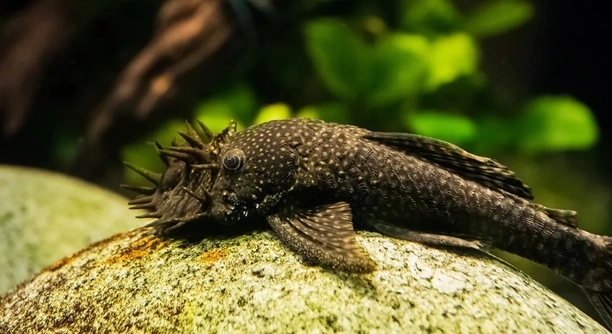
Are your plecos constantly clashing over territory in your aquarium? Aggression between these fish can disrupt tank harmony and make maintenance stressful. Many aquarists struggle to keep peace when housing multiple territorial species together.
Preventing fights among territorial plecos requires careful tank planning, adequate hiding spaces, and monitoring of fish behavior. Providing sufficient resources and separating aggressive individuals when necessary significantly reduces stress and injury, promoting a healthier and more stable aquatic environment.
Maintaining a peaceful tank is possible with the right setup and attention to your plecos’ natural behaviors. Following simple steps can transform your aquarium into a calmer space.
Choose the Right Tank Size
A larger tank reduces territorial disputes by giving plecos enough space to establish their own areas. For most medium to large species, a minimum of 55 gallons is recommended. Adding multiple hiding spots, driftwood, and caves allows each fish to claim a private territory. Crowding plecos in a small tank increases stress and aggression. Observing their behavior when first introduced helps identify any particularly dominant individuals that may need extra space. Adjusting decorations and rock placements can also encourage fish to spread out. Remember that water quality impacts stress levels as well. Clean, filtered water helps plecos feel secure, reducing the likelihood of fights. Tanks that provide both open swimming areas and secluded corners tend to have calmer fish. Offering plenty of surfaces for grazing algae will keep plecos busy and less focused on competing with one another. A well-planned tank layout benefits both the fish and the overall tank environment.
Careful tank planning prevents frequent conflicts. A larger, well-decorated aquarium keeps plecos less stressed and more relaxed.
Providing more space and hiding spots allows plecos to coexist without constant confrontations, making the aquarium easier to maintain and more enjoyable to observe.
Monitor Feeding Behavior
Plecos can become aggressive when food is scarce. Ensuring each fish has access to enough algae wafers, vegetables, and sinking pellets prevents competition. Feeding in multiple areas of the tank reduces crowding and limits confrontations over a single food source. Observing eating patterns helps identify if certain individuals are dominating the feeding areas, allowing adjustments to portion sizes or feeding locations. Rotating food types keeps all plecos engaged and nourished. Uneaten food should be removed to maintain water quality. Some plecos prefer grazing throughout the day rather than feeding at one time, so offering smaller, frequent portions is often effective. Maintaining a calm feeding routine also reduces stress, which in turn lowers aggressive tendencies. Overfeeding can be just as harmful as underfeeding, leading to water contamination and health issues. By paying attention to their diet and feeding habits, you can promote a harmonious environment where plecos coexist peacefully and thrive.
Provide Plenty of Hiding Spots
Hiding spots help plecos feel secure and reduce conflicts. Caves, driftwood, and plants give them private areas, limiting aggression. Multiple shelters prevent a single fish from dominating the space.
Creating enough hiding spaces allows plecos to retreat when stressed. Driftwood not only serves as a shelter but also offers surfaces for grazing, which keeps them occupied. Rocks, PVC pipes, and dense plant clusters mimic natural environments and reduce visibility between territorial fish. Spacing these shelters strategically ensures that dominant fish cannot control all areas, giving more submissive plecos safe zones. Observing how they use these spots allows adjustments, ensuring no fish is left exposed or stressed, which helps maintain a peaceful tank atmosphere.
Hiding spots also reduce chasing and physical confrontations. When plecos have secure retreats, aggression is minimized, and interactions become less frequent. Providing enough shelters can dramatically lower stress-related behavior and injuries, making it easier to manage multiple plecos in a single aquarium. These safe zones encourage natural behaviors without constant competition.
Separate Aggressive Individuals
Separating overly aggressive plecos prevents injuries and stress among other fish. Identifying dominant individuals early can save trouble later.
Aggressive plecos often display chasing, fin-nipping, or guarding behavior. Isolation or moving them to a separate tank allows calmer fish to settle without constant harassment. Using temporary dividers or quarantines during feeding or when introducing new fish can prevent disputes. It is important to monitor aggression patterns carefully to determine whether long-term separation is necessary. Properly managing aggressive individuals ensures the tank remains stable, reducing injuries and promoting healthier growth for all plecos.
Long-term separation can be necessary for some highly territorial species. Even with enough space and hiding spots, certain plecos may continue to dominate specific areas. Providing a separate area for these fish allows the rest of the tank to thrive peacefully. Using transparent dividers can let fish see each other without direct contact, reducing stress while maintaining visual stimulation. Adjusting tank layouts and observing behavior regularly ensures all fish have safe spaces. Over time, some aggressive plecos may calm down, but keeping an option for separation is a key strategy for maintaining a harmonious aquarium environment.
Maintain Stable Water Conditions
Stable water conditions reduce stress and aggression among plecos. Regular testing and consistent maintenance keep parameters within safe ranges, promoting calm behavior.
Temperature, pH, and hardness fluctuations can trigger territorial disputes. Keeping a steady environment ensures plecos remain healthy and less prone to fighting.
Introduce Plecos Gradually
Adding plecos slowly allows them to establish territories without immediate conflicts. Introducing multiple fish at once often leads to stress and aggression. Gradual introductions help each fish adjust to the new environment. This approach prevents overcrowding and gives dominant fish time to settle without overwhelming others. Monitoring interactions during the first days is essential to identify any aggressive tendencies early, allowing timely adjustments. Proper acclimation reduces long-term territorial disputes and ensures a balanced social structure within the tank. Patience during introductions can prevent injuries and keep the aquarium peaceful.
Use Neutral Tank Decorations
Neutral decorations prevent dominance over specific areas. Avoid overly prominent structures that encourage territorial claims.
FAQ
How do I know if my pleco is being territorial?
Territorial plecos often chase others, guard specific areas, or display flaring fins. You may notice repeated aggression near caves, driftwood, or feeding zones. Watching interactions carefully during feeding or at night, when some species are more active, helps identify dominant fish. Early recognition allows you to adjust tank layout or provide extra hiding spots to reduce stress. Subtle signs include tail whipping, blocking other fish from preferred areas, or repeated circling around a rival. Not all chasing indicates serious aggression, but consistent patterns suggest territorial behavior that needs attention.
Can I keep multiple plecos together without fighting?
Yes, with careful planning. Providing a large tank, multiple hiding spots, and plenty of food reduces competition. Gradual introductions and monitoring aggressive tendencies also help. Different species or size variations can influence interactions, so research compatibility before adding new fish. Ensuring resources are evenly distributed is key, as overcrowding and limited access to food or shelters often trigger conflicts. Even calm species may show minor dominance behaviors initially, but a well-structured tank allows most plecos to coexist peacefully.
What is the best way to introduce new plecos to an established tank?
Introduce one fish at a time, placing it in a quarantine or acclimation area first. Allow gradual adjustment to water parameters and observe interactions through dividers if possible. Rearrange decorations temporarily to disrupt established territories, reducing immediate aggression. Feeding in multiple areas during the first few days helps prevent conflicts over food. Monitor closely for chasing or fin-nipping, and be ready to separate aggressive individuals. Patience during this process minimizes stress and prevents injuries.
How important are hiding spots for plecos?
Hiding spots are essential for reducing stress and preventing fights. Caves, driftwood, and dense plant clusters give fish private areas to retreat when threatened. Multiple shelters prevent dominant plecos from controlling all resources, allowing others to establish small territories safely. Even in large tanks, a lack of hiding spaces can escalate aggression. Providing various shapes and sizes of shelters mimics natural environments and encourages calm behavior. Observing how plecos use these spots lets you adjust placement for maximum security and comfort.
How often should I feed plecos to reduce aggression?
Smaller, frequent feedings are better than one large meal. This prevents competition over limited food and ensures all fish get enough nutrition. Spread food across multiple areas of the tank, including algae wafers, vegetables, and sinking pellets, to reduce crowding. Monitoring eating patterns can reveal dominant fish taking more than their share, allowing adjustments to portion sizes or feeding spots. Consistent feeding routines reduce stress and limit aggressive encounters caused by hunger, helping maintain a peaceful aquarium environment.
Can tank decorations affect pleco aggression?
Yes, overly prominent or limited decorations can increase territorial disputes. Neutral decorations placed evenly allow fish to spread out without fighting over key areas. Avoid large structures that block the entire tank or create isolated spots for a single dominant fish. Rearranging decorations occasionally helps break established territories, giving all plecos a fair chance to claim space. Proper placement of neutral items supports natural grazing behavior, keeps fish occupied, and minimizes stress. Observing interactions around these structures allows fine-tuning for optimal peace.
Is separating aggressive plecos always necessary?
Not always, but it is sometimes the only solution for highly territorial individuals. If one fish continually attacks others despite proper tank size, hiding spots, and resources, separation prevents injuries and stress. Temporary dividers or moving the fish to another tank are effective strategies. Even with separation, monitor both groups to ensure calm behavior and proper feeding. Transparent dividers allow visual contact without physical fights, reducing stress while maintaining stimulation. Careful observation is key to determining whether long-term separation is required.
How can I reduce stress in my pleco tank?
Stable water parameters, sufficient hiding spots, and gradual introductions are critical. Avoid overcrowding, maintain clean water, and feed consistently. Neutral decorations and proper spacing prevent territorial disputes. Observing fish regularly helps identify stress early, allowing adjustments before conflicts escalate. Calm environments encourage natural behaviors and reduce aggression.
Do plecos fight more at night?
Some species are nocturnal and more active at night, which can increase territorial behavior. Providing enough hiding spots and evenly spaced resources helps prevent nighttime conflicts. Observing night behavior occasionally with dim lighting can help identify aggressive individuals. Adjusting tank layout or adding extra shelters minimizes stress during active hours.
Can different pleco species coexist peacefully?
Yes, but careful selection is essential. Some species are more aggressive or territorial than others. Research size, temperament, and habitat needs before combining them. Providing ample space, hiding spots, and food is crucial for minimizing conflicts. Mixing species with complementary behaviors often results in a balanced, peaceful tank.
How do I handle injuries from pleco fights?
Remove injured fish to a quarantine tank for treatment. Monitor water quality and provide medication if needed. Adjust the main tank layout, hiding spots, or separate aggressive fish to prevent further harm. Quick action prevents infection and ensures recovery while maintaining overall tank stability.
Are larger tanks always better for reducing fights?
Generally, yes. Larger tanks provide more space for territories and hiding spots, reducing conflicts. However, proper layout, decorations, and feeding strategies are equally important. Simply increasing size without structure may not prevent aggression, so careful planning is essential for harmony.
Can rearranging the tank help reduce aggression?
Yes, rearranging decorations breaks established territories and prevents dominance by one fish. Move caves, plants, and driftwood to create new areas for exploration and retreat. This strategy encourages even distribution and lowers stress, promoting peaceful coexistence among plecos.
How do I know when a pleco is too aggressive?
Persistent chasing, guarding, or injuring other fish indicates high aggression. Early identification allows interventions such as separation, additional hiding spots, or feeding adjustments. Monitoring interactions during feeding and night hours helps determine the level of dominance and whether corrective measures are necessary.
What role does water quality play in aggression?
Poor water quality increases stress, which can trigger fights. Regular testing, filtration, and partial water changes maintain healthy parameters. Clean water reduces irritability, promotes calm behavior, and ensures all plecos have a stable environment to coexist peacefully.
Final Thoughts
Keeping plecos together in a single tank can be challenging, but it is possible with careful planning and attention. Territorial behavior is natural for many pleco species, and understanding their needs is the first step toward creating a peaceful environment. Providing adequate space, hiding spots, and proper feeding routines reduces conflicts and keeps the aquarium stable. Observing fish behavior regularly helps identify dominant or aggressive individuals early, allowing interventions before serious fights occur. Even small adjustments, such as moving decorations or offering extra shelters, can make a noticeable difference in reducing stress and aggression. By focusing on the natural tendencies of plecos, aquarists can maintain harmony and prevent injuries.
Water quality plays an equally important role in keeping plecos calm. Stress from poor conditions often triggers more aggressive behavior, making it essential to monitor temperature, pH, and hardness consistently. Clean, filtered water not only supports the health of the fish but also encourages a calmer environment. Feeding habits also contribute to tank peace. Offering small, frequent meals in multiple locations prevents competition and ensures all fish get enough nutrition. Monitoring how each pleco eats helps identify any dominant individuals who may need adjustments in feeding methods. A balanced diet and proper environment together reduce stress and promote natural behavior.
Lastly, patience is key when managing plecos in a shared tank. Gradual introductions, careful observation, and thoughtful tank arrangements allow each fish to adjust to its surroundings. Not all aggression can be eliminated, but creating conditions that reduce triggers goes a long way in maintaining a harmonious aquarium. Separation of overly aggressive individuals may sometimes be necessary, and using dividers or secondary tanks can protect both dominant and submissive fish. Overall, understanding pleco behavior and providing a structured, well-maintained environment ensures that these fish can coexist peacefully. A calm tank is not only better for the plecos’ health but also more enjoyable to observe, making careful planning and consistent care worthwhile.

Hello,
If you enjoy the content that we create, please consider saying a "Thank You!" by leaving a tip.
Every little bit helps us continue crafting quality advice that supports the health, happiness, and well-being of pets around the world, for pets of all shapes, sizes, and species.
We really appreciate the kindness and support that you show us!