
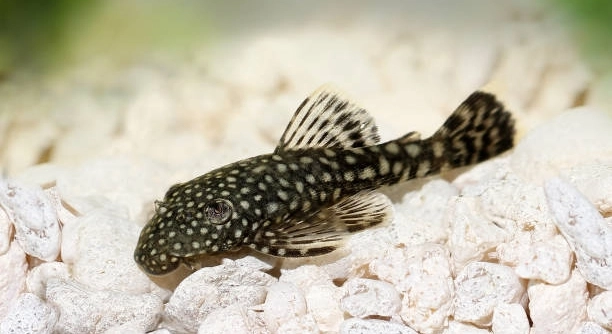
Do you ever find yourself enjoying the quiet company of your Bristlenose Pleco while thinking about the setup of your aquarium? These fish are low-maintenance and charming, often becoming a favorite for many home aquarists.
Bristlenose Plecos can survive without a filter in a properly maintained tank, but it requires frequent water changes, careful monitoring of water quality, and a controlled feeding schedule to ensure their health and longevity.
Maintaining the right environment and understanding their needs will help keep your Pleco thriving and active in any home aquarium.
Understanding Bristlenose Pleco Needs
Bristlenose Plecos are hardy fish, but they still rely on a stable environment. Without a filter, waste can accumulate quickly, making water quality a concern. Regular water changes are essential to remove ammonia, nitrites, and other harmful substances. These fish prefer slightly acidic to neutral water, so maintaining pH is important. Temperature consistency between 74–80°F helps them remain active and healthy. Their diet mainly consists of algae, vegetables, and sinking pellets. Providing hiding spots like caves or driftwood supports their natural behavior and reduces stress. Even small tanks without filters can work if maintenance is consistent. Observing their behavior gives clues to their comfort. Overfeeding can cause rapid water contamination. Siphoning the tank bottom during water changes helps manage waste. Using a sponge or hang-on-back filter occasionally can assist in maintaining cleaner water without making the system too complex. Overall, understanding their specific needs helps prevent health issues and promotes long-term well-being.
Regular observation is crucial to ensure Plecos stay healthy and active without mechanical filtration.
Consistency in care and monitoring water quality will determine whether a Bristlenose Pleco thrives in a filter-free tank over time.
Managing Water Quality
Water changes are the most important task for a filter-free tank.
Even in small aquariums, Plecos produce waste that can affect water chemistry quickly. Weekly partial water changes of 25–50% help keep ammonia and nitrate levels safe. Using a water conditioner removes chlorine and heavy metals from tap water. Testing water frequently ensures pH, hardness, and temperature stay within safe limits. Adding live plants can absorb excess nutrients, reducing algae overgrowth while providing extra oxygen. Gentle aeration with an air stone can help circulation if no filter is used. Avoid overfeeding, as uneaten food decays and pollutes the water. Observing the fish daily allows you to notice changes in behavior, coloration, or appetite, which can indicate water quality problems.
With careful monitoring and regular maintenance, filter-free aquariums can support Bristlenose Plecos. Keeping water clean requires diligence, but it is manageable with consistent effort. You can adjust feeding schedules, perform partial water changes more frequently during warmer months, and ensure the tank is free from excess debris. Some aquarists add biological supplements to help maintain a healthy microbial balance. These steps reduce stress for the fish, encouraging growth and active behavior. Even without a filter, the right setup allows Plecos to display natural behavior like grazing on algae or hiding in driftwood. A stable environment prevents disease and prolongs their lifespan, making the tank both safe and enjoyable to maintain.
Feeding Bristlenose Plecos
A balanced diet is essential for Plecos without a filter. Overfeeding can pollute the water quickly. Focus on vegetables, algae wafers, and occasional protein sources to maintain health. Remove uneaten food promptly to prevent contamination.
Vegetables like zucchini, cucumber, and spinach are ideal. Algae wafers provide consistent nutrition and help replicate their natural grazing behavior. Occasionally, a small amount of shrimp or fish pellets can supplement protein needs. Feeding once daily is usually sufficient, and skipping a day occasionally does not harm them. Monitoring leftovers helps prevent water quality issues, especially without a filter. Using a feeding ring can localize food, making cleanup easier. Fresh vegetables should be blanched to soften them and remove harmful chemicals. Varying food types encourages active grazing and maintains good health.
Observing your Pleco while it eats allows you to adjust portions. Healthy fish will consume most food within a few hours. If leftovers accumulate, reduce portions next feeding. Overfeeding can cause lethargy and cloud water. Offering a mix of fresh vegetables and algae wafers keeps nutrition balanced. Proper feeding habits support growth, maintain activity, and help prevent digestive issues. Over time, consistent feeding and cleanup routines simplify tank maintenance and improve overall water stability, especially in filter-free setups.
Tank Setup Without a Filter
Choosing the right tank size is crucial. Small tanks need more frequent maintenance.
A minimum of 20 gallons is recommended for a single adult Bristlenose Pleco. Provide hiding spots using driftwood, rocks, or caves. Substrate should be smooth to prevent injury while allowing natural grazing. Plants help absorb excess nutrients, reducing algae overgrowth. Position the tank away from direct sunlight to limit temperature fluctuations and prevent algae blooms. A secure lid prevents jumping or accidental escapes. Lighting should mimic a natural day-night cycle to support fish activity and plant growth. Even without a filter, maintaining gentle water circulation is beneficial. Consider using a sponge or occasional manual agitation to keep water oxygenated. Monitoring temperature daily ensures stability.
Decor placement and substrate choice affect both behavior and waste accumulation. Driftwood is especially valuable, as it provides grazing surfaces and improves water chemistry by releasing beneficial tannins. Smooth gravel or sand reduces injury risk and makes siphoning easier. Live plants like Anubias or Java fern reduce nutrient buildup while enhancing the tank’s visual appeal. Ensure hiding areas are accessible and spaced to prevent territorial disputes. Arranging decor thoughtfully can also aid in water flow, reducing stagnant zones where debris can settle. Regular rearrangement may be necessary to maintain a healthy environment, supporting Pleco activity and natural behaviors.
Water Testing and Monitoring
Regular water testing is necessary in a filter-free tank. Ammonia, nitrite, and nitrate levels can rise quickly, affecting Pleco health.
Using test kits weekly helps track water parameters. Adjust water changes based on readings. Keeping records makes it easier to notice trends and prevent sudden problems.
Benefits of Driftwood
Driftwood provides essential surfaces for algae growth and grazing. It also releases tannins, which slightly acidify water and support Pleco health. This natural element promotes natural behavior, reduces stress, and adds a stable environment without relying on mechanical filtration.
Avoiding Overcrowding
Overcrowding increases waste and makes water quality management difficult. Keep tank density low for a filter-free setup to maintain stable water conditions.
FAQ
Can a Bristlenose Pleco survive without a filter long-term?
Yes, a Bristlenose Pleco can survive without a filter if the tank is well-maintained. Frequent water changes, careful feeding, and monitoring water parameters are essential. The fish’s waste must be removed promptly to prevent ammonia or nitrite buildup, which can be harmful over time.
How often should water changes be done in a filter-free tank?
Partial water changes should occur at least once a week, usually 25–50% of the tank’s volume. In smaller tanks or heavily stocked setups, water may need to be changed more often. Regular testing of ammonia, nitrites, and nitrates helps determine the frequency needed.
What size tank is best without a filter?
A minimum of 20 gallons is recommended for a single adult Pleco. Larger tanks are easier to manage without filtration because water parameters remain more stable. Small tanks are prone to rapid changes in water quality, which increases maintenance demands.
What should I feed my Pleco in a filter-free setup?
Offer a mix of algae wafers, blanched vegetables, and occasional protein sources like shrimp pellets. Feeding once daily is enough, and uneaten food should be removed promptly to prevent water pollution. Fresh vegetables like zucchini, cucumber, and spinach work well.
Can live plants help in a tank without a filter?
Yes, live plants absorb excess nutrients, reducing algae growth and helping maintain water quality. Hardy plants like Anubias, Java fern, or mosses are ideal. Plants also provide hiding spots and natural grazing surfaces, which support the Pleco’s behavior.
Is aeration necessary without a filter?
Gentle aeration or occasional water movement is beneficial to maintain oxygen levels. An air stone or small manual circulation during water changes helps prevent stagnant areas, improving overall tank health. Plecos can survive in still water, but oxygen levels should remain adequate.
How do I prevent overfeeding without a filter?
Feed only what the Pleco can consume within a few hours. Uneaten food should be removed immediately. Using a feeding ring or localized feeding spot helps control portions and keeps the tank cleaner. Reducing feeding frequency slightly can also prevent water contamination.
Are Plecos more prone to disease without a filter?
They are not inherently prone, but poor water quality increases stress and susceptibility to illness. Maintaining stable conditions, clean water, and a balanced diet reduces the risk of infections or fungal issues. Observation of behavior and color helps detect early signs of problems.
What are signs that water quality is declining?
Cloudy water, unpleasant odor, lethargy, reduced appetite, and unusual behavior indicate water quality issues. Testing ammonia, nitrite, nitrate, and pH levels regularly helps catch problems before they become serious, especially in a filter-free environment.
Can I keep other fish with my Pleco without a filter?
Yes, but avoid overcrowding. Additional fish increase waste, requiring more frequent water changes. Compatible, low-waste species are better choices. Observe interactions closely, as territorial disputes or stress can arise, especially when hiding spaces are limited.
Is driftwood necessary in a filter-free tank?
Driftwood is highly beneficial. It provides surfaces for algae, supports natural grazing, and releases tannins, which slightly acidify water and create a stable environment. It also reduces stress by offering hiding spots and mimicking a more natural habitat.
How can I maintain a healthy tank routine without a filter?
Regular water changes, monitoring water parameters, controlled feeding, and providing driftwood and plants are key. Daily observation of the Pleco ensures early detection of any health or water quality issues. Consistency is the most important factor in a successful filter-free setup.
What happens if ammonia or nitrite levels rise?
Ammonia and nitrite are toxic to fish. Even short exposure can harm gills, stress the immune system, and reduce lifespan. Immediate partial water changes and removal of waste are necessary. Testing kits help monitor levels to prevent dangerous spikes.
Can Plecos reproduce in a filter-free tank?
Yes, they can, if conditions are stable. Male Plecos need hiding spaces for breeding. Clean water, stable temperature, and a stress-free environment increase the likelihood of spawning. Frequent water changes help maintain safe conditions for fry survival.
Are there alternatives to traditional filters in small tanks?
Yes, sponge filters, air-driven filters, or regular manual siphoning can help maintain water quality. These methods provide some biological filtration while keeping the tank mostly filter-free, allowing Plecos to thrive without heavy mechanical systems.
This FAQ covers essential aspects of keeping Bristlenose Plecos without a filter. Proper care, consistent maintenance, and observation are the keys to a healthy and thriving tank environment.
Word count: 507
Bristlenose Plecos are resilient fish that can adapt to different tank setups, including filter-free environments. While many aquarists rely on mechanical filtration, it is possible to maintain a healthy tank without one if proper care is provided. The key to success is understanding their specific needs and the role of water quality in their overall health. Even though Plecos produce less waste compared to other fish, their tank still requires regular attention to prevent the accumulation of harmful substances like ammonia and nitrites. Observing the fish daily for signs of stress, unusual behavior, or changes in appetite can help detect issues before they become serious. Providing hiding spots such as driftwood, caves, or plants supports their natural behavior and reduces stress, creating a more comfortable environment that encourages natural grazing and activity.
Feeding is another critical factor in a filter-free setup. Overfeeding can quickly compromise water quality, so portions must be carefully controlled. A balanced diet consisting of algae wafers, fresh vegetables, and occasional protein supplements keeps the Pleco healthy while limiting excess waste. Vegetables such as zucchini, spinach, or cucumber can be blanched and added to the tank, allowing the Pleco to graze at its own pace. Uneaten food should always be removed promptly to prevent water contamination. Live plants not only improve water quality by absorbing nutrients but also provide additional grazing surfaces and hiding places, enhancing the fish’s environment. Maintaining a consistent schedule for feeding, water changes, and tank checks reduces stress for both the fish and the caretaker.
Even without a filter, a properly managed tank can support a thriving Bristlenose Pleco. Regular partial water changes, careful monitoring of ammonia, nitrite, and nitrate levels, and providing a stable temperature range are essential steps. Driftwood plays a dual role by offering natural grazing surfaces and releasing tannins that slightly acidify the water, creating conditions similar to their natural habitat. Avoiding overcrowding and providing gentle aeration helps maintain oxygen levels and reduces the risk of water stagnation. While filter-free tanks require a bit more hands-on effort, the rewards are significant. Observing a Pleco engage in natural behaviors, graze on algae, and explore its environment creates a sense of satisfaction and connection to the care being provided. With diligence, consistency, and an understanding of their needs, Bristlenose Plecos can live a long, healthy, and active life even in a tank without mechanical filtration.
Word count: 409

Hello,
If you enjoy the content that we create, please consider saying a "Thank You!" by leaving a tip.
Every little bit helps us continue crafting quality advice that supports the health, happiness, and well-being of pets around the world, for pets of all shapes, sizes, and species.
We really appreciate the kindness and support that you show us!