
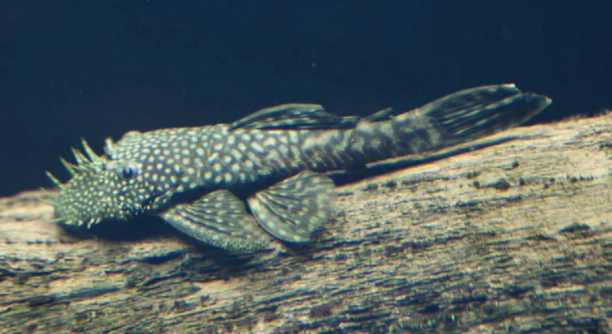
Have you ever noticed your Bristlenose Plecos acting a little territorial and wondered if they might be fighting for space in their tank? These peaceful bottom dwellers can sometimes surprise their owners with unexpected behavior.
Bristlenose Plecos can indeed fight for space when their environment becomes overcrowded or lacks sufficient hiding spots. Territorial disputes often occur between males, especially during breeding periods or when establishing dominance within shared areas of the aquarium.
Understanding why these small yet bold fish become territorial can help you maintain a peaceful tank environment and ensure each Pleco feels comfortable in its space.
Why Bristlenose Plecos Fight for Space
Bristlenose Plecos are generally peaceful fish, but they can become territorial when their personal space feels threatened. Males are especially protective of their chosen spots, often defending caves or shaded areas where they prefer to rest or breed. In tanks that are too small or have limited hiding places, these fish may become aggressive toward one another. Their instincts drive them to secure a safe area for themselves, even if that means pushing others away. While small skirmishes are common, constant aggression indicates an imbalance in the tank setup that needs attention to maintain harmony among your Plecos.
To reduce tension, it’s important to recognize when aggression begins. Fin nipping, chasing, or blocking other fish from hiding spots are clear signs of territorial disputes. Keeping an eye on their behavior helps you step in early and adjust the tank setup before injuries occur.
Providing a balanced environment is key to preventing fights. Adequate space, multiple caves, and proper water conditions help each Pleco establish its own area without conflict. A calm, well-organized tank allows them to focus on scavenging, resting, and breeding naturally without the stress of defending their territory.
Creating a Peaceful Environment
The first step toward a calm tank is making sure each Pleco has enough space and cover to claim its own area.
A minimum tank size of 30 gallons is ideal when keeping multiple Bristlenose Plecos together. Each fish should have at least one cave or shelter to call home, and these should be spaced evenly throughout the aquarium. Decorations like driftwood and plants not only add visual appeal but also serve as barriers that reduce line-of-sight between territorial males. A clean substrate, steady water temperature, and stable pH further reduce stress. Feeding them evenly and avoiding overcrowding can also make a noticeable difference. Bristlenose Plecos thrive when their surroundings mimic their natural habitat—dim lighting, steady water flow, and quiet corners. With thoughtful planning, your aquarium can remain peaceful, allowing these fascinating fish to coexist happily without constant disputes.
Signs of Aggression in Bristlenose Plecos
Aggression in Bristlenose Plecos often shows through chasing, fin flaring, or blocking others from hiding spots. Males are usually the ones initiating conflicts, especially when another Pleco gets too close to their chosen territory or breeding cave.
You may notice one Pleco guarding a certain area, pushing others away, or resting alone more frequently. Torn fins and missing scales can also signal ongoing aggression. These signs usually appear during breeding seasons or when the tank setup limits space. Observing your fish closely helps identify early tension, allowing you to make quick adjustments before behavior escalates. Keeping their environment stable and enriched reduces the need for constant dominance battles, ensuring each Pleco can relax within its chosen area.
Maintaining peace often means balancing tank design and stock levels. Avoid adding too many Plecos at once, and allow each fish to settle before introducing new ones. Gradual adjustments help maintain stability.
How to Prevent Fighting
Separating hiding spaces with decorations or plants helps create clear boundaries between Plecos. Each fish should have its own cave to retreat into, reducing competition and stress within the aquarium. Even spacing shelters makes it easier for them to coexist peacefully.
Proper feeding routines are equally important. Uneven feeding can trigger territorial disputes, especially when dominant Plecos attempt to control access to food. Distribute food across different tank areas to give everyone a fair chance. Keep the water clean and maintain stable conditions—poor water quality can increase irritability among fish. Regular water changes, filtration checks, and monitoring parameters are essential. Creating a calm environment with dim lighting and soft water movement mimics their natural habitat. When Bristlenose Plecos feel secure, they spend more time cleaning surfaces and resting quietly, leaving aggression behind. Thoughtful care helps them remain content, ensuring your aquarium stays balanced and peaceful.
Best Tank Setup for Multiple Plecos
A well-structured tank is essential when keeping multiple Bristlenose Plecos. Provide at least 30 gallons for a pair, with an additional 10 gallons for each extra fish. Include plenty of driftwood, smooth rocks, and caves to help define territories and reduce aggressive encounters.
Water parameters should remain consistent to prevent stress. Keep the temperature between 73–81°F, pH between 6.5–7.5, and ensure good oxygenation. Regular cleaning and filtration maintain stability, allowing Plecos to thrive peacefully. A balanced setup supports natural behavior while preventing territorial tension from developing among your fish.
Choosing Compatible Tank Mates
Selecting calm, non-aggressive tank mates helps Bristlenose Plecos stay relaxed. Peaceful species like tetras, guppies, or corydoras are good companions. Avoid pairing Plecos with fin-nipping or territorial fish, as they may trigger stress or provoke unnecessary fights. Compatibility ensures a stable and harmonious aquarium environment.
When Separation Becomes Necessary
If aggression continues despite adjustments, separating Plecos may be the only option. Move the most territorial one to another tank or provide a divider to prevent further conflict. Giving them their own space often restores calm and allows each fish to live comfortably without ongoing tension.
FAQ
Do Bristlenose Plecos always fight with each other?
Bristlenose Plecos do not always fight, but conflicts can happen when their environment feels too cramped or lacks hiding places. They are naturally territorial, especially males. In most cases, minor chasing or flaring is normal and short-lived. However, ongoing aggression usually means the tank setup needs adjustment. Adding caves, plants, and driftwood helps them create separate areas, reducing tension. With proper space and structure, most Plecos coexist peacefully and rarely cause harm to one another. A stable, spacious tank setup is the key to keeping them calm.
Can male and female Bristlenose Plecos live together?
Yes, male and female Bristlenose Plecos can live together without constant fighting. They usually get along unless breeding behavior causes temporary aggression. Males become protective over their caves and eggs, but this behavior fades once the fry are released. It is best to ensure each fish still has its own space. Adding several hiding spots helps prevent the female from being chased too often during breeding. Outside of spawning, they generally tolerate one another well and can share a tank comfortably when conditions are balanced.
How can I tell if my Bristlenose Plecos are fighting or playing?
Plecos do not “play” like some fish. When you see them chasing or pushing each other, it is usually a sign of dominance, not play. Gentle nudging or brief encounters are normal, but constant chasing, fin nipping, or blocking another fish from food or hiding areas signals aggression. You can differentiate by watching the duration—if it continues often or causes injuries, it’s fighting. Monitoring behavior regularly helps you act before the situation worsens.
How many Bristlenose Plecos can I keep in one tank?
The number depends on the size of your aquarium. A pair needs at least 30 gallons, and you should add about 10 gallons per additional Pleco. Overcrowding leads to stress and fights for space. Larger tanks allow multiple Plecos to establish their own territories peacefully. Providing several caves and visual barriers like driftwood or plants helps reduce direct confrontations. Always plan the tank layout before adding new fish to avoid space-related issues.
Do Bristlenose Plecos fight with other fish species?
Bristlenose Plecos are peaceful toward most species. They spend most of their time cleaning surfaces rather than interacting with others. However, they can show aggression toward bottom dwellers that invade their territory, such as other Plecos or loaches. Choosing mid-level or top-level swimmers like tetras or rasboras prevents these conflicts. Ensuring everyone has space and access to food is important for maintaining a calm community tank.
Can poor water quality cause aggression in Plecos?
Yes, poor water conditions can make Plecos more irritable. When ammonia, nitrite, or nitrate levels rise, stress increases, making them more likely to act defensively. Consistent water changes, proper filtration, and avoiding overfeeding help keep parameters stable. Clean water encourages healthy, calm behavior and reduces the chance of aggression.
What should I do if my Plecos won’t stop fighting?
If fights persist after rearranging decorations or adding caves, it may be time to separate them. Place the aggressive Pleco in another tank or use a divider temporarily. Observe their behavior in the new setup. Sometimes a different environment or better layout solves the issue. In rare cases, some Plecos simply do not tolerate each other, and permanent separation is necessary to ensure both fish remain stress-free and healthy.
Do Bristlenose Plecos fight more during breeding season?
Yes, males tend to become more territorial when ready to breed. They choose a cave and guard it carefully, chasing away any fish that comes near. This behavior is natural and temporary. Providing multiple breeding caves ensures each male can claim one without constant disputes. Once the eggs hatch and the fry become independent, the aggression usually decreases.
Will adding more hiding spots stop the fighting completely?
While extra hiding spots greatly reduce aggression, they may not stop it entirely if the tank is overcrowded or too small. Space is just as important as shelter. Each Pleco should have enough room to move freely and establish its own territory. When both space and hiding areas are sufficient, most disputes fade quickly.
Do younger Plecos also fight for space?
Juvenile Plecos are less territorial than adults, but they start showing dominance behaviors as they grow. It is best to provide adequate space from the beginning to prevent future aggression. As they mature, they’ll naturally establish their own areas, and having enough hiding spots early helps this process go smoothly.
Can I keep different Pleco species together?
It depends on the species. Some Plecos, like Common or Sailfin, grow much larger and can intimidate smaller Bristlenose Plecos. Mixing species with different size and temperament levels often leads to stress. If you plan to keep multiple types, ensure your tank is large enough and that each has plenty of space and hiding spots. Monitoring interactions is crucial to maintaining peace.
What are the best tank decorations to reduce aggression?
Natural driftwood, smooth rocks, and ceramic caves are perfect for defining boundaries. These structures break up the line of sight between Plecos, reducing direct confrontations. Plants like Anubias or Java Fern attached to decorations can also help create shaded areas, offering more privacy and calm spaces for each fish.
Final Thoughts
Bristlenose Plecos are peaceful and hardworking fish, but they have a natural instinct to protect their space. This territorial behavior is not a sign of aggression by nature but rather a part of how they establish comfort and security within their environment. When they feel that their personal space is threatened, especially during breeding or in smaller tanks, small disputes can occur. These moments can seem worrying to watch, but they are often manageable with the right setup and attention. Understanding this instinct allows you to create a more balanced and harmonious aquarium where your Plecos can thrive without constant stress.
Providing enough space and hiding areas is one of the most important steps in preventing fights. Every Pleco needs a place to rest, explore, and feel safe. Caves, driftwood, and plants not only give them privacy but also help divide the tank into territories, reducing direct contact between competing males. A tank that mimics their natural habitat helps keep them calm and healthy. Stable water conditions also play a major role in maintaining peace. When water quality drops, stress levels rise, making aggression more likely. Regular cleaning, testing, and consistent feeding routines can help your fish stay relaxed and active without feeling the need to defend themselves constantly.
Keeping Bristlenose Plecos is about finding balance. They are resilient and adaptable fish that reward proper care with fascinating behavior and long lifespans. By observing their actions closely, you can quickly spot changes that may hint at tension or discomfort. Small adjustments, such as rearranging decorations or slightly expanding their tank, often make a big difference. In some cases, separation might be necessary, but this should be a last resort when other solutions fail. Over time, you’ll learn how each Pleco behaves and what makes them feel comfortable. Building this understanding allows you to enjoy their quiet charm and unique personalities. With thoughtful care and patience, your Bristlenose Plecos can coexist peacefully, adding both beauty and balance to your aquarium for years to come.

Hello,
If you enjoy the content that we create, please consider saying a "Thank You!" by leaving a tip.
Every little bit helps us continue crafting quality advice that supports the health, happiness, and well-being of pets around the world, for pets of all shapes, sizes, and species.
We really appreciate the kindness and support that you show us!