
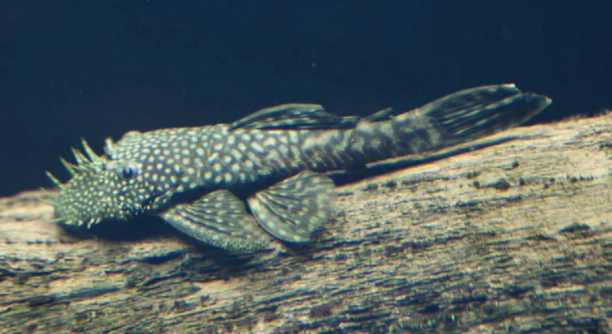
Do you ever find yourself setting up a new aquarium and wondering how your pleco will adjust to its new home? These unique fish can be sensitive, and even small changes may affect their well-being and comfort.
Several factors can stress a new pleco, including poor water quality, sudden temperature fluctuations, overcrowding, improper diet, lack of hiding spots, excessive handling, and incompatible tank mates. Each factor can compromise their health and overall adjustment to a new environment.
Understanding these stressors is essential for creating a safe and comfortable habitat for your pleco to thrive in its new surroundings.
Poor Water Quality
Maintaining clean water is essential for plecos, as they are sensitive to high levels of ammonia, nitrites, and nitrates. Dirty water can lead to stress, disease, and even death. Regular water changes, testing water parameters, and using a quality filtration system are key steps to ensure the water stays safe. Overfeeding can also contribute to poor water quality, as uneaten food decomposes and releases harmful substances. It’s important to remove debris and monitor the tank regularly to prevent sudden spikes in toxins. Plecos thrive in stable conditions, so avoiding drastic changes in water chemistry is critical. A well-maintained tank reduces stress and supports healthy growth, activity, and appetite. Observing your pleco’s behavior can indicate if water conditions are ideal; lethargy or unusual swimming patterns often point to an issue. Consistent care helps your pleco feel secure and promotes long-term health in its new environment.
Clean water reduces stress and prevents diseases in plecos, allowing them to adapt comfortably and maintain overall health in the aquarium.
Proper water maintenance also supports the balance of beneficial bacteria, which breaks down waste and stabilizes the tank’s ecosystem. Regular partial water changes, using dechlorinated water, help maintain safe chemical levels. Monitoring pH and temperature ensures the tank environment closely matches natural conditions. Overfeeding should be avoided to prevent decay and spikes in toxins, and filtration systems should be checked for efficiency. A stable, clean habitat promotes natural behavior, including grazing and hiding, while also reducing susceptibility to infections. Observing your pleco for changes in behavior or appearance can help catch water issues early. By prioritizing water quality, you create a safe, low-stress environment that encourages healthy growth and a more active, resilient pleco. This approach ensures your fish can settle in comfortably and remain vibrant over time.
Sudden Temperature Fluctuations
Plecos are sensitive to temperature changes. Rapid shifts can stress them and compromise their immune system. Maintaining a stable temperature within their preferred range is essential.
Temperature fluctuations can cause lethargy, loss of appetite, and increased vulnerability to disease in plecos. Sudden drops or spikes in water temperature create discomfort and weaken their natural defenses.
Consistent temperature is particularly important during water changes. Adding large amounts of water that is significantly warmer or cooler than the tank can shock the fish. Using a reliable aquarium heater and thermometer helps maintain a stable environment. Gradual acclimation during maintenance or when introducing new water is necessary to prevent stress. In larger tanks, temperature layering can occur, so circulation and proper heater placement are important. Plecos may hide more when stressed by temperature changes, so observing their behavior is a key indicator. Keeping water conditions steady helps plecos remain healthy, active, and comfortable, ensuring they thrive in a stable environment.
Overcrowding
Too many fish in a tank can cause stress for plecos. They need space to hide, graze, and swim without constant competition.
Overcrowding increases aggression and competition for resources, which can leave plecos stressed and withdrawn. Limited space prevents them from finding proper hiding spots, essential for their sense of security. It also increases waste accumulation, which negatively impacts water quality and further stresses the fish. Even with strong filtration, too many fish in one tank can lead to unstable water conditions. Plecos are nocturnal and enjoy solitary time, so providing enough room is key to their comfort. Observing territorial disputes or excessive chasing can signal that your tank is overstocked. Creating a spacious environment with appropriate hiding spaces allows plecos to feel secure and reduces unnecessary stress, promoting natural behavior and activity levels.
Maintaining proper population density also supports feeding routines and reduces the spread of disease. When plecos have adequate space, they can graze naturally on algae and driftwood without interruption. Overcrowding often leads to irregular eating patterns, which may weaken their health. Adequate space allows for healthy interactions with other tank mates while preserving their need for solitude. Providing enough room ensures they can settle comfortably, maintain a strong immune system, and remain active throughout the day and night. Careful planning of tank capacity is essential for their long-term well-being.
Improper Diet
A diet lacking variety can stress plecos and lead to nutritional deficiencies. They require a mix of algae, vegetables, and occasional protein sources.
Feeding only one type of food, such as flakes or pellets, can result in malnutrition and weak immunity. Plecos naturally graze on algae, driftwood, and plant matter, so it’s important to mimic this diet in captivity. Vegetables like zucchini, cucumber, and spinach provide essential vitamins and fiber. Occasional protein from shrimp or bloodworms can support growth and overall health. Overfeeding or feeding inappropriate foods can cause digestive issues and further stress the fish.
Providing a balanced diet encourages natural foraging behavior and keeps plecos active. It also strengthens their immune system, making them more resilient to stress and disease. Observing your pleco’s eating habits can help detect early signs of dietary deficiencies. Offering variety ensures they receive all necessary nutrients while maintaining proper weight and energy levels. A thoughtful feeding plan supports long-term health and helps your pleco thrive comfortably in its environment.
Lack of Hiding Spots
Plecos need places to hide and feel secure. Without caves, driftwood, or plants, they can become stressed and withdrawn, impacting their health.
Providing hiding spots reduces stress and gives plecos a sense of safety. They are naturally nocturnal and need areas to retreat during the day to feel comfortable.
Excessive Handling
Handling plecos too often can damage their protective slime coat and cause stress. Gentle observation is better than frequent interaction.
Incompatible Tank Mates
Aggressive or territorial fish can stress plecos, making them hide or stop eating. Choosing calm, compatible tank mates is crucial for their comfort.
What water parameters are best for a pleco?
Plecos thrive in clean, stable water. The ideal temperature is usually between 74°F and 80°F, with a pH of 6.5 to 7.5. Ammonia and nitrites should always be at zero, while nitrates should stay below 20 ppm. Regular water testing and partial changes help maintain these levels.
How often should I feed my pleco?
Feeding depends on age and size. Young plecos generally need daily feeding, while adults can be fed every other day. Include a mix of algae wafers, fresh vegetables, and occasional protein. Avoid overfeeding, as uneaten food can pollute the water and stress the fish.
Do plecos need hiding spots in their tank?
Yes. Plecos are nocturnal and feel vulnerable during the day. Providing caves, driftwood, or dense plants gives them safe areas to retreat. Hiding spots reduce stress, encourage natural behaviors, and prevent territorial disputes with other fish.
Can plecos live with other fish?
Plecos can coexist with peaceful, non-aggressive species. Avoid territorial or fin-nipping fish, as they can stress plecos and interfere with feeding. Ensure adequate space and hiding spots to reduce conflict. Observation is key to maintaining a harmonious tank environment.
What signs indicate a stressed pleco?
Stressed plecos may hide excessively, refuse food, swim erratically, or show faded colors. Physical signs include clamped fins or unusual growths. Stress can make them more susceptible to disease, so monitoring behavior and water conditions is essential.
How do I prevent overfeeding my pleco?
Feed measured portions and remove uneaten food after a few hours. Rotate vegetables and algae wafers to maintain a balanced diet. Observing your pleco’s eating habits helps prevent digestive issues and water pollution. Maintaining routine feeding times also supports healthy growth.
Is lighting important for plecos?
Plecos prefer low to moderate lighting. Bright lights can cause stress and encourage hiding. Providing shaded areas or floating plants helps mimic natural conditions. Adjusting the light cycle to roughly 10–12 hours per day supports their natural rhythm.
Can plecos be handled safely?
Handling should be minimized. Excessive contact can damage their protective slime coat, making them vulnerable to infection. Use a soft net only when necessary, such as during tank maintenance or medical care, and always handle them gently.
How do I reduce aggression from other fish?
Provide ample space, hiding spots, and feeding areas to minimize conflict. Avoid aggressive species and monitor interactions. Rearranging the tank occasionally can disrupt territorial patterns, reducing tension and allowing plecos to feel more secure.
Do plecos need driftwood in their diet?
Yes, many pleco species graze on driftwood, which aids digestion and provides essential fiber. Offering a piece of untreated, aquarium-safe wood supports natural behavior, promotes gut health, and gives them a place to explore and rest.
How often should I check water quality?
Test water at least weekly, more frequently if the tank is new or heavily stocked. Keeping track of pH, ammonia, nitrite, and nitrate levels helps prevent stress and health problems. Regular observation of your pleco complements these tests.
Can plecos adapt to sudden changes?
Sudden changes in water temperature, chemistry, or tank setup can stress plecos. Gradual adjustments during maintenance or introduction of new water are crucial to reduce shock and maintain comfort. Stable conditions support healthy behavior and long-term survival.
What vegetables are safe for plecos?
Cucumber, zucchini, spinach, peas, and lettuce are commonly used. Blanch vegetables before feeding to make them easier to digest. Rotating vegetables ensures they receive a balanced diet and prevents boredom.
How can I tell if my pleco is sick?
Signs of illness include lethargy, refusal to eat, discoloration, or clamped fins. Unusual spots, growths, or labored breathing also indicate health issues. Prompt attention to water quality and diet can prevent stress-related diseases.
Do plecos need a large tank?
Yes, tank size depends on species. Many plecos grow over a foot long, requiring at least a 50-gallon tank for adults. Providing space for swimming, grazing, and hiding is essential for comfort and reducing stress.
How do I encourage natural behavior in my pleco?
Provide hiding spots, driftwood, proper diet, and a stable environment. Allow them to graze on algae, explore the tank, and maintain regular lighting cycles. Supporting natural routines reduces stress and keeps plecos active and healthy.
Can plecos be kept in community tanks?
They can, if tank mates are peaceful and the environment offers space and hiding areas. Monitoring interactions ensures plecos are not bullied or stressed. Proper planning of species compatibility and tank setup is essential for a harmonious community.
What’s the best way to acclimate a new pleco?
Float the bag in the tank for 15–20 minutes to equalize temperature, then gradually mix tank water over 30–60 minutes. Slow acclimation reduces stress and helps the pleco adjust to its new environment safely.
How important is filtration for plecos?
Filtration is crucial because plecos produce significant waste. A strong filter maintains water quality, reduces toxins, and stabilizes conditions, minimizing stress and supporting long-term health. Regular cleaning and monitoring of the filter ensures optimal performance.
Can plecos tolerate other decorations besides driftwood?
Yes, rocks, caves, and plants provide hiding spots and grazing surfaces. Smooth surfaces prevent injury, and varied decor encourages exploration. Combining these elements creates a secure environment, reducing stress and promoting natural behaviors.
How do I know if my pleco is comfortable in the tank?
A comfortable pleco will eat regularly, explore at night, and use hiding spots. Healthy fins, vibrant color, and natural grazing behavior indicate low stress and proper adjustment to its environment.
Plecos are fascinating fish that bring both beauty and activity to an aquarium. They are hardy in the right conditions but can become stressed easily if their environment is not properly maintained. Understanding the common stressors—such as poor water quality, sudden temperature changes, overcrowding, and lack of hiding spots—is essential to keeping them healthy. When a pleco is stressed, it may hide excessively, stop eating, or display unusual behavior, which can quickly lead to health problems. Paying attention to these signs and addressing the underlying causes promptly is the first step in supporting their well-being. Regular observation of your pleco helps you notice even small changes, allowing you to respond before minor issues become serious. It’s important to remember that plecos are nocturnal, gentle grazers that prefer calm, stable environments. They do not thrive in high-stress tanks, and ensuring their comfort requires a combination of proper tank setup, consistent maintenance, and a balanced diet.
Providing a proper diet is another key aspect of pleco care. Plecos naturally graze on algae and plant matter, but they also benefit from vegetables like zucchini, cucumber, and spinach, along with occasional protein sources such as shrimp or bloodworms. Offering variety prevents nutritional deficiencies and encourages natural feeding behavior. Overfeeding or feeding inappropriate foods can pollute the water and stress the fish, while underfeeding can weaken them and make them more susceptible to disease. Plecos also benefit from driftwood in their tank, which aids digestion and provides a surface for grazing and exploration. Paying attention to their dietary needs ensures they stay healthy, active, and more resilient to stress. Combined with proper tank conditions, a well-planned diet supports long-term growth and overall vitality.
Tank setup plays a major role in minimizing stress. Providing adequate space, compatible tank mates, and plenty of hiding spots allows plecos to feel secure and display natural behaviors. A strong filtration system and regular water changes maintain water quality, reducing the risk of stress-related illness. Temperature stability and consistent lighting cycles also help them feel comfortable. While plecos do not require constant handling, gentle observation and occasional interaction can strengthen your understanding of their needs without causing distress. Creating an environment that meets their physical and behavioral requirements leads to healthier, more active plecos who can thrive in captivity. By addressing water quality, diet, tank setup, and compatible companions, you can provide a stable, low-stress environment that promotes long-term health and contentment for your pleco.

Hello,
If you enjoy the content that we create, please consider saying a "Thank You!" by leaving a tip.
Every little bit helps us continue crafting quality advice that supports the health, happiness, and well-being of pets around the world, for pets of all shapes, sizes, and species.
We really appreciate the kindness and support that you show us!