
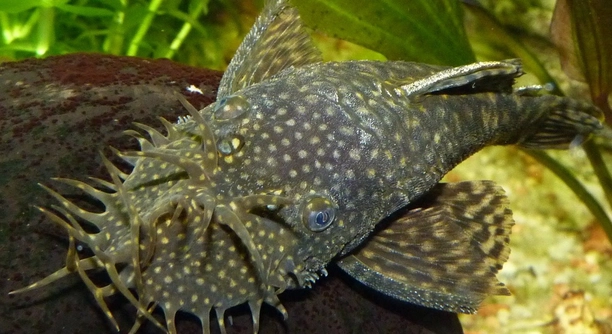
Do your Bristlenose Plecos often nibble on everything in their tank, leaving you unsure which vegetables are actually safe for them to eat?
Bristlenose Plecos can safely enjoy vegetables such as zucchini, cucumber, spinach, kale, peas, green beans, and lettuce. These vegetables provide essential nutrients, promote healthy digestion, and support their natural grazing behavior without introducing harmful substances or excessive carbohydrates into their diet.
Each vegetable offers unique benefits that help your Plecos thrive while keeping their diet balanced and nutritious.
Zucchini: A Gentle Favorite
Zucchini is one of the best vegetables to feed Bristlenose Plecos because it’s soft, nutritious, and easy for them to graze on. It contains important nutrients like vitamin C and fiber, which support healthy digestion and growth. When prepared correctly, zucchini becomes a perfect addition to their diet, offering a natural way to mimic the algae and plant matter they eat in the wild. Slice it thinly and blanch it for a few minutes to soften it. Once cooled, attach it to the tank using a vegetable clip or small weight to keep it submerged for easy access.
Feeding zucchini two to three times a week keeps your Plecos active and satisfied without overfeeding them.
Fresh zucchini should always be removed after 24 hours to prevent water contamination. When fed regularly, it promotes better coloration, stronger immune systems, and natural grazing behavior. It’s a simple, effective way to support your Plecos’ health naturally.
Spinach and Kale: Leafy Nutrient Boost
Spinach and kale are excellent vegetable choices that provide essential vitamins, minerals, and fiber for Bristlenose Plecos. Both are nutrient-dense and easy to digest when softened, helping maintain strong fins and overall vitality.
Spinach offers iron and calcium, which are crucial for bone strength and development, while kale provides vitamin K, vitamin C, and antioxidants that boost immune function. Before feeding, blanch the leaves briefly to soften them and release any excess oxalates that may hinder calcium absorption. Once cooled, secure them to the aquarium bottom using a clip or weighted fork. Offering these leafy greens once or twice a week ensures balanced nutrition alongside their algae-based diet. Rotating between spinach and kale prevents dietary monotony and provides variety. Always remove any uneaten leaves after 12–24 hours to maintain clean water conditions. Consistent feeding of these greens helps your Plecos stay healthy, vibrant, and well-nourished.
Cucumber: A Refreshing Treat
Cucumber is a light and refreshing option that Bristlenose Plecos enjoy nibbling on. It’s mostly water, making it gentle on their digestive system while providing hydration and mild nutrients without overwhelming their diet.
Before feeding, peel the cucumber and slice it into thin, manageable pieces. Blanching is optional, as the texture is already soft enough for Plecos to graze easily. Secure the slices in the tank using a clip or weight to prevent them from floating. It’s best to serve cucumber no more than twice a week to avoid excess waste. Remove leftovers within 12–24 hours to keep the water clean.
Regular cucumber feeding supports digestive health and encourages your Plecos to display their natural bottom-feeding behavior. It’s a simple addition that adds variety to their meals, keeps them active, and helps balance their diet when alternated with other nutrient-rich vegetables like zucchini and peas.
Peas: A Natural Digestive Aid
Peas are excellent for maintaining a healthy digestive system in Bristlenose Plecos. They help prevent bloating and constipation, especially in tanks where protein-based foods are occasionally offered. Their natural fiber content makes them an ideal supplement for improving gut health and keeping Plecos active.
To prepare peas, remove the outer skin and blanch them until soft. Crush them slightly before placing them in the aquarium to make feeding easier. Peas should be given once a week as part of a balanced diet alongside other vegetables. They also add a small dose of plant-based protein, which supports growth without causing digestive discomfort. Avoid canned peas since they often contain added salt or preservatives that can harm your Plecos. Fresh or frozen peas work best. Consistent feeding of peas keeps digestion smooth, ensures regular waste removal, and contributes to the long-term health and comfort of your Plecos.
Green Beans: Fiber for Healthy Digestion
Green beans are a rich source of fiber that supports a Bristlenose Pleco’s digestive health. They are also packed with vitamins like A and C, which help boost immunity and promote steady growth without adding excess fat to their diet.
Blanch green beans before feeding to soften their texture and make them easier to chew. Slice them into small pieces and secure them at the tank’s bottom to prevent floating. Feed them once or twice a week, and always remove any leftovers after a day to maintain clean water conditions.
Lettuce: A Light and Easy Option
Lettuce is one of the simplest vegetables to offer Bristlenose Plecos. It provides a light, crunchy texture and mild nutrients while keeping their diet varied. Blanching the leaves softens them, making it easier for your Plecos to graze naturally without damaging their mouths or fins.
Feeding Tips for Healthy Plecos
Feed vegetables in moderation and rotate them regularly to maintain a balanced diet. Remove uneaten food after 24 hours to prevent ammonia spikes and cloudy water. Consistent feeding routines keep your Plecos healthy, active, and help maintain the tank’s water quality.
FAQ
What vegetables are safe for Bristlenose Plecos to eat?
Bristlenose Plecos can safely eat zucchini, cucumber, spinach, kale, peas, green beans, and lettuce. These vegetables provide essential nutrients without causing digestive problems or adding too many carbohydrates to their diet. Always prepare them properly to ensure they are easy to digest.
How should vegetables be prepared before feeding?
Most vegetables should be blanched briefly to soften them. Thinly slice zucchini, cucumber, and leafy greens. Remove skins if necessary, and crush peas slightly. This preparation helps Plecos nibble easily and reduces the risk of uneaten food contaminating the tank.
How often should I feed vegetables to my Plecos?
Vegetables should be offered two to three times a week for most options. Peas can be given once a week as a digestive aid. Rotate the vegetables to provide variety and ensure your Plecos receive a balanced diet.
Can Plecos eat raw vegetables?
Some vegetables, like cucumber and lettuce, can be fed raw if sliced thinly. However, blanched vegetables are generally easier to digest and reduce the risk of leftover food causing water issues. Leafy greens usually benefit from light blanching.
How do I attach vegetables in the tank?
Use a vegetable clip or a small weight to keep vegetables submerged. Floating vegetables can frustrate Plecos and may float away before they get a chance to eat. Anchoring vegetables ensures your Plecos have steady access to their meal.
How long should vegetables stay in the tank?
Vegetables should be removed after 12–24 hours if not eaten. Leaving them longer can lead to water contamination, cloudy water, and increased ammonia levels, which can stress your Plecos. Always monitor how quickly they eat.
Can I feed Plecos frozen or canned vegetables?
Frozen vegetables can be used if thawed and blanched. Avoid canned vegetables because they often contain salt or preservatives that are harmful to Plecos. Fresh vegetables are always the best option.
Will feeding vegetables affect my Plecos’ health?
Providing a variety of vegetables helps maintain healthy digestion, supports immune function, and encourages natural grazing behavior. A consistent, balanced diet ensures Plecos stay active, colorful, and strong while preventing dietary deficiencies.
How do I know if my Plecos are getting enough vegetables?
Signs of adequate vegetable intake include regular grazing, steady growth, healthy fins, and normal waste production. If your Plecos ignore vegetables or show signs of bloating, adjust the feeding routine or try different types of vegetables.
Can I mix vegetables with other Pleco foods?
Yes, vegetables can be combined with algae wafers or sinking pellets to provide balanced nutrition. Mixing ensures Plecos receive fiber, vitamins, and minerals while still meeting their protein requirements. Rotate vegetables regularly for variety and better health.
Are there vegetables Plecos should avoid?
Avoid starchy vegetables like potatoes, corn, or anything with pesticides. Vegetables that are too hard or fibrous, like raw carrots, may be difficult for Plecos to digest and can lead to leftover food issues in the tank.
How do I encourage picky Plecos to eat vegetables?
Blanching vegetables, cutting them into small pieces, or slightly crushing peas can make them more appealing. Attaching vegetables to the tank bottom allows Plecos to graze naturally, which often increases their interest in eating.
Can feeding too many vegetables harm Plecos?
Overfeeding vegetables can lead to excess waste in the tank, which may increase ammonia levels and cause water quality issues. Moderation and rotation are key to keeping Plecos healthy while maintaining a clean aquarium environment.
What’s the best schedule for feeding vegetables?
Feed vegetables on alternating days, two to three times a week. Include a mix of leafy greens, soft vegetables, and occasional peas to ensure nutrition is balanced. Monitor consumption and adjust quantities to avoid leftovers.
Do all Plecos enjoy the same vegetables?
Individual Plecos may have preferences, but the safe vegetables listed—zucchini, cucumber, spinach, kale, peas, green beans, and lettuce—are generally well accepted. Observe your Plecos and note which ones they eat eagerly to tailor the diet.
How do vegetables benefit Plecos beyond nutrition?
Vegetables promote natural grazing behavior, keep Plecos active, and provide mental stimulation. They also help prevent boredom and encourage exploration of the tank, which contributes to overall well-being and a healthier aquatic environment.
Can I feed the same vegetable every day?
It’s better to rotate vegetables rather than feeding the same one daily. Variety ensures Plecos receive a wide range of vitamins and minerals and prevents them from becoming bored or developing picky eating habits.
What is the best way to start a vegetable routine for Plecos?
Introduce one vegetable at a time and observe how your Plecos respond. Start with soft options like zucchini or cucumber, then gradually add leafy greens and peas. Keep portions small to avoid water issues and increase feeding frequency as they adapt.
Are there signs that vegetables are improving Pleco health?
Improved coloration, steady growth, active grazing, and healthy fins indicate that vegetables are benefiting your Plecos. Consistent feeding and careful monitoring allow you to see long-term improvements in their health and behavior.
How should leftover vegetables be handled?
Remove all uneaten vegetables after 12–24 hours to maintain water quality. Discarding leftovers prevents decay, reduces ammonia spikes, and keeps the tank environment safe for all aquatic inhabitants.
Can I supplement vegetables with other foods?
Yes, complement vegetables with algae wafers, sinking pellets, and occasional protein sources for a well-rounded diet. Vegetables provide fiber and vitamins, while other foods ensure protein and minerals necessary for growth and health.
This FAQ covers the most common concerns about feeding Bristlenose Plecos vegetables and provides clear guidance to maintain their health and the tank environment. Regular observation, proper preparation, and moderation are essential to a successful feeding routine.
Bristlenose Plecos thrive on a diet that includes a variety of vegetables. Incorporating zucchini, cucumber, spinach, kale, peas, green beans, and lettuce into their meals provides the nutrients they need to stay healthy. Vegetables supply essential vitamins, minerals, and fiber that support digestion, growth, and overall well-being. When offered in moderation, they also encourage natural grazing behavior, keeping Plecos active and engaged. Consistently feeding a range of safe vegetables ensures that your Plecos receive balanced nutrition while avoiding problems caused by overfeeding or an unbalanced diet. Preparing vegetables properly, such as blanching leafy greens or slightly crushing peas, makes it easier for Plecos to consume them and reduces the risk of uneaten food contaminating the tank.
Maintaining water quality is just as important as providing nutritious vegetables. Uneaten vegetables left in the tank for too long can break down and increase ammonia levels, creating an unhealthy environment for your Plecos. To prevent this, remove any leftover vegetables after 12 to 24 hours. Using clips or weights to keep vegetables submerged allows Plecos to graze naturally while keeping the tank clean. Observing your Plecos while they eat helps you monitor their preferences, consumption, and overall health. Over time, you can adjust feeding routines, portion sizes, and vegetable variety to ensure optimal results. A well-planned feeding schedule not only benefits your Plecos but also reduces maintenance issues in the aquarium.
A thoughtful approach to vegetable feeding supports the long-term health and happiness of Bristlenose Plecos. Rotating different vegetables provides a range of nutrients while preventing boredom, and moderation ensures that the tank remains clean and safe. Pay attention to the responses of your Plecos, noting which vegetables they prefer and how they interact with their environment. Combining vegetables with other foods, such as algae wafers or sinking pellets, creates a well-rounded diet that meets all their nutritional needs. By focusing on proper preparation, rotation, and feeding schedules, you can create a healthy routine that supports natural behaviors, vibrant colors, and steady growth. Providing safe vegetables is a simple yet effective way to enhance your Plecos’ quality of life while keeping the aquarium environment stable and healthy for all its inhabitants.

Hello,
If you enjoy the content that we create, please consider saying a "Thank You!" by leaving a tip.
Every little bit helps us continue crafting quality advice that supports the health, happiness, and well-being of pets around the world, for pets of all shapes, sizes, and species.
We really appreciate the kindness and support that you show us!