
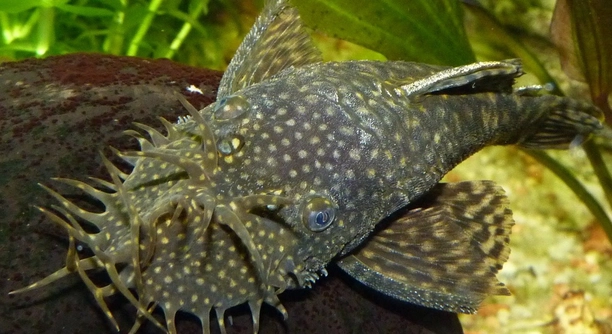
Have you ever noticed your pleco seeming a bit cramped, resting in the same spot, or not as active as before?
A bigger tank becomes necessary when plecos outgrow their current space, show signs of stress, or produce excessive waste that impacts water quality. Providing adequate room supports healthy growth, natural behavior, and overall well-being.
Understanding the right time to upgrade ensures your pleco remains comfortable, active, and thriving in its aquatic home.
When Your Pleco Starts Outgrowing Its Space
Plecos grow faster than many expect, and their size can easily overwhelm a smaller tank. As they mature, they need more room to swim and explore. Limited space leads to restricted movement, stress, and even stunted growth. A larger tank helps maintain proper water conditions by diluting waste and giving your pleco a more natural environment to thrive. When you notice your pleco constantly bumping into decorations or showing faded colors, it’s a sign that space is becoming tight. Upgrading the tank not only improves their comfort but also makes cleaning easier and water parameters more stable.
A larger tank encourages natural behavior like grazing on surfaces and exploring caves. It supports a balanced ecosystem that benefits both the pleco and other tankmates.
When upgrading, consider both current size and potential growth. A common pleco can grow up to two feet, so planning ahead prevents future overcrowding. A 75-gallon tank is a good starting point for large species, while smaller varieties like bristlenose plecos can thrive in 30 gallons. Adding driftwood, rocks, and hiding spots helps them feel secure. With more space and proper setup, you’ll notice your pleco becoming more active and displaying richer colors. It’s a rewarding change that keeps your aquarium healthy and visually pleasing.
Increased Waste and Poor Water Quality
Plecos produce a significant amount of waste, and a small tank struggles to keep up. Frequent spikes in ammonia and nitrates often signal that it’s time to upgrade.
In a larger tank, filtration works more effectively, and waste becomes easier to manage. Plecos are natural grazers and often create debris while feeding, which builds up quickly in smaller spaces. Poor water quality stresses them, weakens their immune system, and can cause infections. A bigger tank allows more consistent water parameters and less frequent cleaning, reducing stress for both you and your fish. It also gives beneficial bacteria a stable environment to process waste efficiently. When planning a larger tank, choose a strong filter, maintain regular water changes, and monitor parameters closely. With more volume, the tank remains cleaner, and your pleco stays healthier. It’s a practical step that ensures your aquarium runs smoothly and your pleco continues to thrive for years.
Signs of Stress and Unusual Behavior
When plecos feel confined or uncomfortable, they start showing stress through their actions. You might notice them hiding more often, refusing food, or becoming less active. Prolonged stress can weaken their health and affect their natural color.
A larger tank can ease this tension by giving your pleco more space to move freely and claim territories. Stress behaviors often develop when water quality fluctuates or when they can’t find enough hiding spots. In smaller tanks, plecos compete for shelter and struggle with limited oxygen circulation. Expanding their living area creates a calmer atmosphere where they can rest, graze, and explore without disturbance. You’ll also notice an improvement in their appetite and overall energy. Stress-free plecos maintain vibrant colors and healthy fins, making your tank look livelier and more balanced.
Observing their habits helps identify early stress signs before they escalate. Reduced activity, rapid breathing, or constant glass surfing often signal discomfort. If these behaviors persist even after adjusting water conditions, space could be the problem. Increasing tank size allows for better filtration and stable parameters, which helps calm your pleco. Healthy plecos should display natural behaviors such as scavenging for algae, resting calmly, and exploring structures. Providing this comfort ensures long-term stability and health in your aquarium.
Aggression Toward Tankmates
Aggression among plecos often occurs when space becomes limited or when hiding areas are scarce. Larger plecos may chase or nip at others to claim territory, leading to stress and injury for smaller fish.
A bigger tank helps reduce aggression by providing multiple areas for each fish to establish boundaries. When plecos have enough hiding spots and open swimming space, they interact less competitively. In cramped tanks, they may view each other as rivals, especially during feeding or breeding. Adding caves, driftwood, and plants allows them to create personal zones, lowering tension. Proper tank size also keeps oxygen levels higher and reduces waste buildup, both of which influence temperament. Monitoring behavior after a tank upgrade often shows calmer interactions and more natural activity patterns. Ensuring adequate space is one of the simplest ways to maintain harmony in your aquarium and prevent unnecessary stress among your fish.
Rapid Growth and Size Changes
Plecos can grow faster than expected, especially when well-fed and kept in clean water. Small tanks quickly become unsuitable, restricting their movement and causing stress. Moving them to a larger tank ensures healthy growth and prevents deformities related to limited space.
Overcrowding also makes it difficult to manage waste and maintain balance in water chemistry. With more room, plecos have space to stretch, explore, and display natural behaviors without struggling for territory or oxygen. Proper tank size directly supports their physical and mental well-being.
Difficulty Maintaining Stable Water Conditions
Small tanks tend to fluctuate in temperature and pH, which can harm plecos. A larger tank offers stability, reducing stress from sudden changes. Consistent water quality prevents diseases and ensures better oxygen levels. Regular monitoring, along with proper filtration, keeps the environment balanced and safe for all inhabitants.
Limited Swimming and Exploration Space
Plecos are naturally active bottom dwellers that enjoy exploring surfaces and hiding spots. A cramped setup limits their movement and natural curiosity. Expanding the tank allows them to behave more freely, supporting healthier patterns and reducing stress from confinement.
FAQ
How do I know when my pleco needs a bigger tank?
Signs include reduced activity, constant hiding, fading colors, or frequent collisions with decorations. Rapid growth or aggressive behavior toward tankmates also indicates insufficient space. Water quality issues like frequent ammonia spikes may signal overcrowding. Upgrading to a larger tank improves comfort, reduces stress, and supports natural behaviors.
What tank size is appropriate for a full-grown pleco?
The size depends on the species. Common plecos can reach up to two feet, needing at least a 75-gallon tank. Smaller species like bristlenose plecos do well in 30–40 gallons. Planning for potential growth ensures your pleco isn’t cramped in the future.
Can plecos live with other fish in a smaller tank?
They can, but limited space increases aggression and competition for hiding spots. Crowding leads to stress and weaker immunity. A larger tank allows territorial boundaries, calmer interactions, and more room for everyone to coexist peacefully.
How often should I clean a pleco tank?
Cleaning frequency depends on tank size and fish load. Smaller tanks need more frequent water changes, sometimes weekly, to prevent ammonia and nitrate buildup. Larger tanks are easier to maintain and allow for more stable water chemistry, reducing the risk of illness.
Do plecos need decorations in a bigger tank?
Yes, they require hiding spots, driftwood, and caves. These features replicate natural habitats, reduce stress, and prevent territorial disputes. In larger tanks, spread these items out to give each fish its own area and encourage exploration.
Will upgrading the tank reduce pleco stress?
A bigger tank generally reduces stress by offering more space, better oxygen levels, and consistent water quality. Plecos can establish territories, forage naturally, and swim freely, leading to improved behavior, appetite, and vibrant colors.
Can plecos outgrow their tank too quickly?
Yes, some grow faster than expected. Diet, water quality, and species type all influence growth rate. Planning for a tank that accommodates adult size is critical to prevent stunted growth, injury, and behavioral issues.
Is filtration more important in a larger tank?
Effective filtration is always essential. Larger tanks dilute waste but still need strong filters to maintain clean water. Proper filtration ensures stable parameters, supports healthy bacteria colonies, and reduces the frequency of water changes.
How can I prevent aggression in a multi-pleco tank?
Provide ample space, multiple hiding spots, and separate territories. Ensuring enough room for each fish minimizes conflict, improves interactions, and helps plecos display natural behaviors without stress. Observing behavior regularly lets you address issues before they escalate.
Does tank size affect pleco lifespan?
Yes, larger tanks promote better health, lower stress, and cleaner water. These factors directly influence longevity. Crowded or small tanks can shorten life expectancy due to stress, disease, and inadequate space for proper growth.
Are plecos happier in groups or alone?
It depends on species and tank size. Some plecos tolerate others, while others are solitary. Larger tanks allow multiple plecos to coexist comfortably, reducing conflict and providing enough room for individual territories.
How can I tell if my pleco is stressed?
Common signs include hiding excessively, reduced appetite, faded colors, and erratic swimming. Stress often results from cramped space, poor water quality, or bullying by tankmates. Upgrading the tank and providing proper hiding spots can alleviate these issues.
Can plecos adapt to a larger tank if they’ve been in a small one for a long time?
Yes, most plecos adapt well. They quickly use new space for swimming and exploration. Proper acclimation and stable water conditions help them adjust without added stress. Observing their behavior ensures they settle comfortably in the upgraded environment.
What additional benefits come with a bigger tank?
A larger tank stabilizes water parameters, reduces disease risk, and encourages natural behaviors like grazing and exploring. It also supports compatible tankmates, improves aesthetics, and makes maintenance easier, creating a healthier, calmer environment for plecos and other fish alike.
This FAQ section covers practical guidance for tank upgrades, stress reduction, and overall pleco health, offering a comprehensive resource for maintaining a thriving aquarium.
Final Thoughts
Upgrading a pleco’s tank is one of the most important steps to ensure their health and well-being. Plecos are active, curious fish that require ample space to move, explore, and establish territories. When they are confined to a tank that is too small, it can lead to stress, stunted growth, and even behavioral issues such as aggression or constant hiding. Larger tanks provide more room for swimming and grazing, which supports their natural behavior and encourages them to stay active. A proper tank also allows for better water circulation, improving oxygen levels and reducing the accumulation of harmful waste. When water conditions are stable, plecos are less likely to experience illness, and they can live longer, healthier lives. Observing your pleco’s behavior regularly helps you understand when it might be time for an upgrade, especially if you notice signs of stress, inactivity, or aggression.
Another important benefit of a larger tank is that it gives you more control over the overall aquarium environment. Smaller tanks are more prone to rapid fluctuations in temperature, pH, and other water parameters, which can stress plecos and other inhabitants. By upgrading, you create a more stable and balanced ecosystem. A bigger tank also allows for more decorations, caves, and driftwood, giving your pleco places to hide, explore, and claim as territory. These elements not only make the tank feel more natural for your fish but also reduce competition and conflict among multiple plecos or other species. Proper tank size simplifies maintenance, as it spreads waste over a larger volume of water, making filtration more effective and reducing the frequency of water changes. It also allows you to add compatible tankmates without overcrowding, creating a more harmonious aquarium.
Finally, thinking ahead about tank size helps prevent future problems and ensures your pleco has enough room as it grows. Plecos, especially larger species, can reach significant sizes, and a tank that feels sufficient today may become cramped in a few months. Planning for adult size avoids frequent relocations or stress caused by sudden upgrades. Upgrading the tank is not just about giving your fish more space; it is about creating an environment that supports their physical health, natural behavior, and long-term happiness. With the right size tank, proper filtration, and thoughtful placement of hiding spots and decorations, plecos thrive and display their natural colors and activity levels. Providing the space they need is a simple but essential step in maintaining a healthy and balanced aquarium for both your pleco and other fish.

Hello,
If you enjoy the content that we create, please consider saying a "Thank You!" by leaving a tip.
Every little bit helps us continue crafting quality advice that supports the health, happiness, and well-being of pets around the world, for pets of all shapes, sizes, and species.
We really appreciate the kindness and support that you show us!