
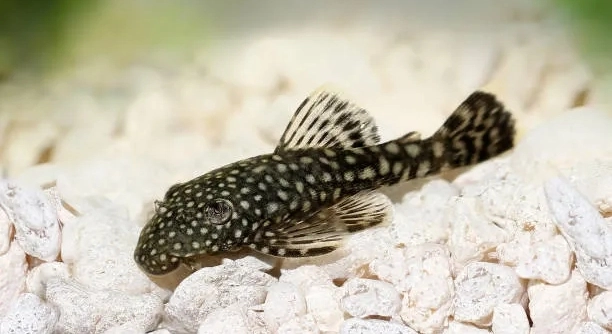
Do you ever notice your pleco nipping at other fish even though it is supposed to be peaceful? Many aquarium owners find this behavior surprising and a bit frustrating when their tank companions get bitten unexpectedly.
The primary reason your pleco may be biting other fish is due to territorial behavior, stress, or insufficient food sources. Plecos can act aggressively to protect hiding spots or when they feel competition for resources in their tank.
Understanding the causes behind this behavior can help you create a calmer, safer environment for all your fish and improve harmony within your aquarium community.
Common Reasons Plecos Bite Other Fish
Plecos are generally peaceful, but there are several reasons they might bite other fish. One common reason is territorial instincts. If a pleco feels that a certain part of the tank belongs to it, it may defend that area aggressively. Overcrowding can increase these confrontations because there is limited space for hiding and swimming. Another factor is stress, often caused by sudden changes in water temperature, poor water quality, or incompatible tank mates. Hunger can also trigger biting. If a pleco is not receiving enough food or the right type of nutrition, it may turn to other fish out of frustration. Some species, like the common pleco, grow larger and require more resources, making competition for algae or food more intense. Observing behavior and making environmental adjustments can reduce the frequency of these aggressive interactions.
Managing tank conditions and diet carefully can prevent most biting incidents and keep the fish calmer.
Providing extra hiding spots and monitoring the food supply are practical steps. Ensuring your pleco has enough algae wafers or vegetables helps minimize competition and stress, reducing aggression.
Preventing Aggressive Behavior
Biting can often be avoided with proper tank setup and care. Adequate space, hiding spots, and compatible fish make a significant difference in pleco behavior.
Regular maintenance of water conditions is essential. Plecos are sensitive to ammonia and nitrate levels, so testing and cleaning the tank frequently helps keep them healthy and less aggressive. Overfeeding or underfeeding can also worsen aggression, so maintaining a balanced diet is key. Consider separating plecos temporarily if aggression becomes severe, especially during feeding times. Observing interactions daily helps identify stress signals early, allowing you to adjust tank dynamics before serious injury occurs. Environmental enrichment, like driftwood, rocks, and plants, gives plecos areas to explore and claim as their own, which reduces the urge to bite. Over time, consistent care and observation will improve harmony in your aquarium, helping all your fish coexist peacefully and reducing the likelihood of recurring issues.
Feeding Habits and Aggression
Plecos may bite other fish when they feel food is scarce. Competition for algae, pellets, or vegetables can trigger nipping and chasing behavior among tank mates.
Providing a varied diet is crucial. Plecos thrive on algae wafers, blanched vegetables like zucchini or cucumber, and occasional protein-based foods. If they are not fed enough or at consistent times, they may turn to other fish as a food source. Overcrowding worsens this problem because more mouths compete for the same resources. Feeding in multiple locations and monitoring who eats first can reduce aggression. Adjusting portion sizes ensures all fish receive adequate nutrition without leaving leftovers that affect water quality. Consistency in feeding schedules and quality food helps plecos feel secure and less likely to act aggressively toward their tank mates.
Observing your pleco’s behavior during feeding times can reveal whether biting is due to hunger or territorial instincts, helping you address the root cause.
Tank Setup and Space Management
Limited space often leads to pleco aggression, especially if hiding areas are insufficient. Plecos need places to retreat and claim as their own.
Adding driftwood, caves, and plants provides safe spots for plecos and reduces stress. A larger tank also decreases competition and allows fish to maintain personal space. Ensuring proper water flow and hiding areas near filters or decorations prevents constant chasing. Separating aggressive individuals temporarily can help restore peace in the aquarium. Tank layout should allow each fish to establish a territory while minimizing overlap. Monitoring how your pleco interacts with others after rearranging the tank provides insight into whether adjustments are effective. Proper space management not only curbs aggression but also promotes natural behaviors, making the aquarium a healthier environment for all inhabitants.
Understanding Pleco Temperament
Plecos have varying temperaments depending on their species. Some are naturally more aggressive, while others remain mostly peaceful. Recognizing your pleco’s personality helps in predicting and managing interactions with other fish.
Individual behavior also depends on age and size. Younger plecos may be more curious and prone to nipping, while adults may defend territory more aggressively. Observing daily routines and noting which areas your pleco frequents can highlight patterns of aggression or stress. Adjusting tank mates and providing additional hiding spots based on these observations can significantly reduce conflicts and improve the overall harmony in your aquarium.
Compatible Tank Mates
Choosing compatible tank mates is essential to prevent biting. Peaceful species that occupy different areas of the tank reduce conflict.
Selecting fish that do not compete for the same hiding spots or food sources minimizes stress for all inhabitants. Small, slow-moving fish may become targets, while robust bottom dwellers can coexist more easily. Observing initial interactions helps determine if adjustments are needed. Providing enough space, proper diet, and enrichment ensures your pleco and its companions thrive together without frequent aggression.
Monitoring Health
Aggression can indicate underlying health issues. Sick or stressed plecos may bite more frequently, signaling the need for closer attention.
FAQ
Why is my pleco suddenly biting other fish?
Plecos may start biting due to changes in their environment, stress, or hunger. Sudden shifts in water temperature, new tank mates, or inadequate hiding spots can trigger defensive behavior. Ensuring a stable environment and consistent feeding can help prevent sudden aggression.
Can overcrowding cause my pleco to bite?
Yes. When the tank is too crowded, plecos feel their territory is threatened. Competition for space, food, and hiding areas increases stress and triggers biting. Providing more room and rearranging decorations to create separate territories can reduce conflicts and promote calmer behavior.
Does diet affect pleco aggression?
Absolutely. Plecos require a balanced diet that includes algae wafers, blanched vegetables, and occasional protein foods. Inadequate nutrition can lead them to bite other fish. Feeding small portions multiple times a day and ensuring all fish have access helps prevent hunger-driven aggression.
Are certain pleco species more aggressive than others?
Yes. Common plecos and larger species tend to be more territorial, while smaller species are generally calmer. Understanding your pleco’s species-specific behavior helps in choosing tank mates and arranging the tank to reduce stress and biting incidents.
Can stress make my pleco bite more?
Stress is a major factor in aggression. Poor water quality, incompatible tank mates, and sudden environmental changes can all stress a pleco. Stress increases irritability and territorial behavior. Maintaining clean water, proper filtration, and stable conditions helps your pleco remain peaceful.
How can I stop my pleco from biting my other fish?
You can reduce biting by providing sufficient hiding spots, maintaining a balanced diet, and ensuring enough space for all fish. Observing interactions and adjusting the tank layout or separating aggressive individuals temporarily can help restore harmony in the aquarium.
Do plecos bite only during feeding?
Not always, but feeding times can intensify aggression. Plecos may defend food or chase other fish when hungry. Spreading food across multiple locations and offering enough for all tank mates reduces competition and prevents biting incidents during meals.
Can health problems cause biting?
Yes. Illness, parasites, or injuries can make plecos more aggressive. Sick fish may feel vulnerable and act defensively. Regular health checks, prompt treatment of illnesses, and maintaining clean water reduce aggression linked to health issues.
Is my pleco biting because of boredom?
Boredom can increase aggression. Plecos need enrichment such as driftwood, rocks, and plants to explore and claim as territories. Without stimulation, they may become frustrated and bite other fish. Rearranging the tank or adding hiding places provides mental and physical stimulation.
Should I separate my pleco from other fish?
If biting persists despite adjustments in diet, space, and tank layout, temporary separation may be necessary. Using a divider or moving the pleco to another tank reduces stress for all fish while allowing for a calmer environment.
How can I tell if my pleco is being territorial or aggressive for another reason?
Territorial aggression usually happens around specific hiding spots or areas of the tank. If biting occurs near feeding areas or when other fish get close to preferred spots, it is likely territorial. Observing patterns and behaviors over time helps identify the exact cause of aggression.
Will adding more hiding spots really help?
Yes. Extra hiding spots give plecos and other fish safe places to retreat, reducing stress and territorial disputes. Caves, driftwood, and dense plants allow all inhabitants to establish personal space, making the tank calmer and minimizing biting incidents.
How do I know if my pleco bites out of hunger or stress?
If biting occurs mostly during feeding times or when food is scarce, hunger is likely the cause. Stress-driven biting tends to happen throughout the day, often around hiding spots or when tank mates approach. Monitoring timing and triggers clarifies the root issue.
Can tank size influence pleco aggression?
Smaller tanks increase competition for space and resources, which can lead to more biting. Larger tanks allow plecos to maintain personal territories and reduce interactions that trigger aggression. Ensuring the tank size suits your pleco’s species is key to minimizing biting behavior.
Is it normal for plecos to bite occasionally?
Occasional nipping can be normal, especially when establishing territory or during feeding. Consistent or severe biting, however, signals an underlying problem with environment, diet, or stress that needs to be addressed to protect other fish.
What signs indicate my pleco is stressed?
Signs include hiding excessively, rapid gill movement, erratic swimming, or frequent chasing of other fish. Stress can lead to aggression, disease, and poor health. Observing these behaviors early allows intervention before more serious problems develop.
Can adding more plecos reduce biting?
Adding more plecos is not always effective. While it may distribute territorial behavior, overcrowding can increase competition and stress, worsening aggression. Focus on tank size, hiding spots, and compatible tank mates instead of adding more plecos.
How long does it take to see improvement after changes?
Changes like adding hiding spots, adjusting diet, or separating aggressive individuals can show improvement within days to weeks. Observing interactions closely helps determine if additional measures are needed and ensures long-term peace in the tank.
Are there long-term strategies to prevent pleco aggression?
Maintaining a proper tank size, balanced diet, clean water, and enrichment are long-term strategies. Regular observation and proactive adjustments help prevent stress, territorial disputes, and biting, keeping all fish safe and healthy over time.
Is biting more common in certain tank setups?
Yes. Tanks with limited space, few hiding spots, or aggressive tank mates increase the likelihood of plecos biting. Structured layouts with plants, caves, and adequate swimming space reduce stress and territorial disputes, promoting peaceful cohabitation.
What should I do if my pleco injures another fish?
Immediate action includes separating the injured fish, treating wounds, and ensuring proper water conditions to prevent infection. Addressing the aggressive pleco’s environment and diet is crucial to prevent repeated incidents. Continuous monitoring helps maintain harmony and fish health.
Can stress from tankmates be permanent?
Stress can persist if the environment does not meet the pleco’s needs or if incompatible tank mates remain. Long-term stress leads to illness and chronic aggression. Adjusting tank mates, layout, and enrichment is necessary for lasting improvement in behavior.
Does water quality influence pleco aggression?
Poor water quality increases stress, which can trigger aggression. Ammonia, nitrite, and nitrate spikes irritate plecos and make them more defensive. Regular testing, filtration, and partial water changes keep water stable and minimize stress-related biting behavior.
How often should I monitor pleco interactions?
Daily observation is recommended. Watching feeding, territorial behavior, and general activity helps detect aggression early. Early intervention prevents injuries, reduces stress, and ensures a harmonious tank environment for all fish.
Can environmental enrichment alone prevent biting?
Enrichment is helpful but may not fully prevent biting if other factors like diet, tank size, or incompatible tank mates are not addressed. A holistic approach that includes enrichment, feeding, and space management is most effective for reducing aggression.
Are juvenile plecos more prone to biting?
Juvenile plecos can be more curious and exploratory, which sometimes appears as nipping. While usually less severe than adult aggression, consistent monitoring and proper care are important to prevent the behavior from escalating as they grow.
What role does water temperature play in aggression?
Sudden or extreme changes in water temperature stress plecos and can increase aggression. Maintaining stable, species-appropriate temperatures reduces defensive behavior and keeps interactions with other fish calmer.
Can plecos form hierarchies that lead to biting?
Yes. In some tanks, plecos establish dominance over food or territory. Recognizing hierarchical behavior and providing space, hiding spots, and multiple feeding zones helps reduce conflicts and biting incidents.
Is biting a sign of bad behavior or natural instincts?
Biting is usually a natural response to stress, hunger, or territorial instincts rather than bad behavior. Understanding the triggers allows you to manage the tank environment effectively and minimize harm to other fish.
What preventative measures work best long-term?
Balanced diet, adequate hiding spots, proper tank size, compatible tank mates, and clean water are key. Consistent observation and timely adjustments ensure long-term peace and reduce recurring aggression in your aquarium.
How do I choose fish that coexist with plecos?
Select species that occupy different areas of the tank, are non-aggressive, and do not compete for food or hiding spots. Observing behavior during initial introductions ensures compatibility and reduces the risk of biting incidents.
Can adding plants reduce aggression?
Yes. Plants provide hiding spaces, reduce stress, and break lines of sight, which helps minimize territorial disputes. Dense foliage allows plecos and other fish to retreat safely, decreasing the likelihood of bites.
How do I know if changes are working?
Improvement is visible when chasing, nipping, and territorial displays decrease. Fish appear calmer, feeding becomes peaceful, and injuries decline. Regular monitoring confirms whether adjustments are effective and if further changes are needed.
Should I consult a specialist for persistent aggression?
If aggression continues despite adjustments in diet, tank setup, and enrichment, consulting a fish specialist or experienced aquarist is advisable. They can provide targeted advice for species-specific behavior and long-term tank management.
Can lighting affect pleco aggression?
Lighting affects activity levels and comfort. Sudden bright lights can stress plecos, increasing aggression. Providing consistent, moderate lighting with shaded areas or plants helps maintain calm behavior and reduces biting incidents.
Is isolation ever recommended for aggressive plecos?
Temporary isolation can prevent injury while adjustments are made. A divider or separate tank allows the pleco to calm down and reduces stress on other fish. Reintegration should be gradual and monitored to ensure lasting peace.
Do plecos bite humans?
Plecos are generally harmless to humans. Occasional nips may occur during tank cleaning or feeding, but these are minor and usually defensive rather than aggressive. Proper handling minimizes any risk.
How do I balance multiple strategies effectively?
Combining tank size adjustments, diet management, hiding spots, compatible tank mates, and regular observation provides the most reliable results. Addressing multiple factors simultaneously ensures plecos are less stressed and aggressive, creating a safer environment for all fish.
What is the most common cause of recurring biting?
Recurring biting often stems from unresolved territorial issues, inadequate space, or persistent stress. Continuous monitoring, enrichment, and adjustments in tank layout and diet are needed to prevent repeated incidents.
Are there signs my pleco is adapting well?
A calm pleco, peaceful feeding, and reduced chasing indicate adaptation. Fish show comfort in their environment, use hiding spots without conflict, and coexist peacefully with tank mates, signaling that interventions are effective.
How do I manage multiple aggressive plecos?
Separate aggressive individuals temporarily, provide ample hiding spots, and ensure sufficient food. Monitoring interactions and adjusting territories helps reduce conflict and maintain overall tank harmony.
Does tank shape influence aggression?
Yes. Long, narrow tanks limit hiding spots and create more confrontations, while tanks with varied layouts, corners, and structures reduce aggression by giving plecos room to establish territories without constant interaction.
Can water flow affect pleco behavior?
Strong currents can stress plecos, leading to increased aggression. Ensuring moderate flow and calm areas allows plecos to rest, feed, and explore without feeling threatened, reducing biting incidents.
Is age a factor in aggression?
Older plecos may become more territorial as they grow, while younger ones are usually curious and exploratory. Understanding age-related behavior helps in planning tank layout, feeding, and social interactions effectively.
What environmental changes trigger biting?
Changes like new tank mates, rearranged decorations, or water fluctuations can trigger territorial or defensive biting. Gradual adjustments and careful observation minimize stress and help plecos adapt without harming others.
Are plecos more aggressive at certain times of day?
Some plecos are more active during feeding or nighttime, depending on species. Understanding these patterns allows you to anticipate potential aggression and manage feeding and tank interactions accordingly.
Can overfeeding cause aggression?
Overfeeding can create competition for leftover food or cause stress from poor water quality. Balanced portions spread across multiple areas prevent both hunger-driven and environment-induced aggression.
Does tank cleanliness really reduce aggression?
Yes. Clean water reduces stress, prevents disease, and promotes calmer behavior. Regular water changes, proper filtration, and monitoring of parameters help plecos remain peaceful and less likely to bite other fish.
What behavioral signs indicate improvement?
Less chasing, reduced nipping, and calmer feeding behavior show improvement. Fish use hiding spots appropriately, coexist without conflict, and injuries decrease, indicating effective interventions and a harmonious tank environment.
Can plecos learn to coexist over time?
With proper tank management, enrichment, and observation, plecos can adapt to their tank mates and reduce aggressive behavior. Time, consistency, and careful monitoring ensure long-term coexistence and a healthier aquarium environment.
How do I prevent aggression from starting in the first place?
Set up the tank with adequate space, hiding spots, compatible species, balanced diet, and stable water conditions from the start. Proactive planning and observation prevent stress and territorial disputes before they develop.
Is aggression more common in community tanks?
Community tanks with multiple species increase the chance of territorial disputes and stress-related aggression. Proper spacing, enrichment, and compatible fish selection minimize conflicts and promote peaceful interactions.
How do I balance feeding and space to prevent biting?
Feed in multiple areas, ensure all fish access food, and maintain sufficient space. This reduces competition and stress, preventing both hunger-driven and territorial aggression in plecos.
Can tank decorations alone stop biting?
Decorations help but are not sufficient alone. Combined with proper feeding, space management, compatible tank mates, and water maintenance, they effectively reduce aggression and create a calmer environment.
Do plecos bite more during breeding?
Breeding can increase territorial behavior. Plecos may guard eggs or preferred areas, leading to temporary aggression. Providing separate breeding spaces or monitoring interactions helps reduce biting during this period.
How often should I adjust tank layout?
Occasional rearrangement can refresh territories and reduce boredom, but frequent changes may stress plecos. Adjust only when necessary, allowing fish time to adapt before making further modifications.
Is there a specific time frame for resolving aggression?
Resolution varies depending on the cause. Minor issues may improve within days, while territorial or stress-related aggression can take weeks. Consistent care and monitoring are essential for long-term improvement.
How do I measure if my pleco is happy?
Calm behavior, regular feeding, peaceful interactions, and use of hiding spots indicate comfort. A happy pleco is active without excessive aggression, shows normal swimming patterns, and coexists well with tank mates.
Can lighting adjustments alone reduce aggression?
Moderate lighting with shaded areas can reduce stress-related aggression, but it should be combined with proper diet, tank size, and hiding spots for best results.
Are certain tank mates safer for plecos?
Bottom-dwelling, non-aggressive species that occupy different areas of the tank are safest. Avoid small, slow-moving fish that may become targets of territorial nipping. Compatibility ensures a calmer tank.
What long-term monitoring is necessary?
Daily observation, periodic water testing, and regular health checks ensure plecos remain calm and aggressive behavior is minimized. Adjustments should be made based on behavior patterns to maintain harmony.
How do I know when professional advice is needed?
If biting persists despite proper tank setup, diet, and enrichment, consulting a fish specialist or experienced aquarist is recommended. They can provide species-specific guidance and long-term strategies to reduce aggression.
Is there a link between pleco size and aggression?
Larger plecos often show more territorial behavior and can dominate smaller fish. Tank size and hiding spots must account for their growth to prevent conflicts and injuries.
Can multiple strategies fail?
Sometimes aggression persists despite best efforts. This may indicate incompatible species or individual temperament issues. In such cases, temporary separation or permanent adjustments to tank mates may be necessary.
How do I keep peace long-term?
Maintaining stable water conditions, balanced diet, sufficient space, enrichment, compatible tank mates, and daily observation ensures long-term harmony and reduces the likelihood of recurring aggression.
Are there environmental triggers I may overlook?
Yes. Factors like sudden noises, vibrations, bright lights, or nearby movement can stress plecos and trigger biting. Minimizing disturbances helps keep them calm.
Can stress-induced biting lead to health problems?
Yes. Chronic stress weakens the immune system, making plecos more susceptible to disease and worsening aggression. Maintaining a calm, well-structured environment supports both health and behavior.
What role does consistency play in managing aggression?
Consistency in feeding, water maintenance, tank layout, and monitoring allows plecos to feel secure. Predictable routines reduce stress and territorial disputes, minimizing biting incidents.
Is occasional nipping always a concern?
Minor nipping may be normal, especially in young or territorial plecos. Concern arises when biting causes injury or persists, signaling that adjustments in environment, diet, or tank mates are necessary.
Can temperature fluctuations trigger aggression?
Yes. Sudden drops or spikes in water temperature stress plecos, increasing irritability and defensive behavior. Keeping temperature stable within species-specific ranges helps prevent aggression.
Does hiding space availability affect feeding aggression?
Yes. Limited hiding spots force plecos to compete during feeding, increasing biting. Multiple shelters and feeding areas reduce competition, stress, and aggression.
Can plecos adapt to aggressive tank mates?
They may adapt partially, but long-term stress is likely if incompatible species remain. Providing space, hiding spots, and monitoring interactions is essential to reduce harm.
Is aggression more visible in small tanks?
Yes. Smaller tanks limit escape routes and space to claim territories, making conflicts more frequent. Adequate space and structure are essential for calm interactions.
How do I prioritize interventions?
Focus first on tank size, diet, hiding spots, and compatible tank mates. Addressing the most impactful factors first prevents serious aggression and injuries.
What is the first step when biting begins?
Identify the trigger—whether it is food, territory, stress, or health. Immediate intervention, such as adjusting tank setup or diet, reduces escalation and protects other fish.
Can plecos learn from previous interactions?
Plecos can recognize territories and certain fish, reducing repeated conflicts over time. Observation and consistent management reinforce peaceful interactions.
How do I prevent feeding-related aggression long-term?
Feed multiple areas, provide enough food, and maintain a balanced diet. Regular observation ensures all fish eat safely, reducing stress and competition-driven biting.
Are plecos naturally aggressive?
Plecos are mostly peaceful, but territorial instincts, stress, and environmental factors can trigger aggression. Understanding species-specific behavior helps manage and reduce biting effectively.
How do I maintain a harmonious tank over time?
Combine proper tank size, diet, hiding spots, enrichment, compatible tank mates, and
Final Thoughts
Managing pleco aggression requires understanding their natural behaviors and providing the right environment. Plecos are mostly peaceful, but factors like stress, hunger, and territory can lead them to bite other fish. Observing your pleco’s behavior daily allows you to spot potential issues before they escalate. Small changes, such as adding hiding spots, rearranging decorations, or adjusting feeding routines, can make a significant difference in maintaining a calm tank. By paying attention to how your pleco interacts with its tank mates, you can create a more comfortable space where all fish coexist peacefully. Over time, consistent care and observation reduce conflicts and support the health of every fish in the aquarium.
Tank setup plays a crucial role in preventing biting. Plecos need space to swim, explore, and claim personal areas. Providing caves, driftwood, and plants gives them spots to retreat when they feel threatened. A larger tank reduces competition for space and food, which is often the cause of aggression. Water quality also matters. Regular testing and maintenance help keep ammonia, nitrate, and nitrite levels low, reducing stress for all tank inhabitants. When plecos feel secure in their environment, they are less likely to act defensively. Additionally, choosing compatible tank mates minimizes confrontations and ensures that the social dynamics in the tank are balanced. This combination of space, structure, and water quality creates a healthier, calmer ecosystem that supports natural behaviors without leading to frequent aggression.
Feeding and nutrition are equally important. Plecos require a balanced diet with algae wafers, vegetables, and occasional protein to meet their nutritional needs. Inadequate food or irregular feeding schedules can make them more aggressive. Spreading food across multiple locations and providing enough for all tank mates prevents competition and hunger-driven biting. Observing your pleco during feeding times can help you identify whether aggression is linked to diet or territorial instincts. Stress reduction, consistent care, and environmental enrichment all work together to reduce biting incidents. By understanding the reasons behind your pleco’s behavior and taking proactive steps, you can maintain a peaceful tank where your pleco and other fish thrive, ensuring a safer and healthier environment for all aquatic life.

Hello,
If you enjoy the content that we create, please consider saying a "Thank You!" by leaving a tip.
Every little bit helps us continue crafting quality advice that supports the health, happiness, and well-being of pets around the world, for pets of all shapes, sizes, and species.
We really appreciate the kindness and support that you show us!