
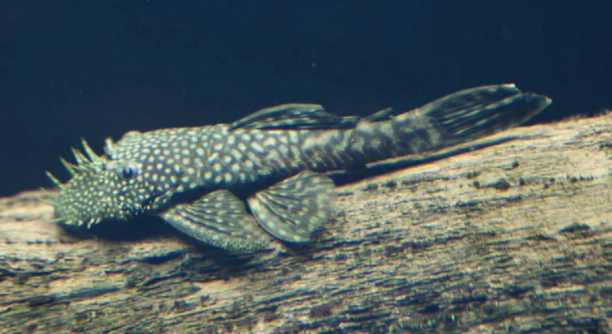
Have you ever noticed your Bristlenose Pleco resting quietly in your aquarium and wondered if it prefers calm, still water over moving currents?
Bristlenose Plecos do not thrive in completely still water. They prefer a gentle flow that mimics their natural river habitats, ensuring proper oxygen circulation and waste removal. Stagnant water can cause discomfort, poor health, and stress for these bottom-dwelling fish.
Maintaining the right water movement can make a noticeable difference in your Pleco’s activity, comfort, and overall well-being within your aquarium.
Understanding Their Natural Habitat
Bristlenose Plecos originate from freshwater rivers and streams in South America, where the water moves gently but consistently. These environments provide a steady flow that helps distribute oxygen and nutrients throughout their habitat. In an aquarium, replicating this movement is essential for their health. Completely still water can lead to low oxygen levels and uneven temperatures, both of which stress Plecos over time. They rely on proper circulation not only for breathing but also for breaking down waste and preventing harmful buildup. Providing a soft current with the help of filters or air stones creates an environment that closely resembles their natural home.
A stable water current ensures better filtration and oxygen exchange. Plecos stay more active, feed better, and maintain stronger immune systems when the water isn’t stagnant. Without consistent flow, toxins can accumulate, making the aquarium unsafe for them.
Mimicking natural river conditions can make your Pleco more comfortable and healthy. Adjusting your aquarium’s water flow to a low or moderate level allows them to rest easily while still benefiting from circulation. It also keeps algae, their main food source, growing steadily on tank surfaces. A balanced environment encourages normal behavior such as grazing, hiding, and exploring, ensuring your Pleco thrives in its aquatic home.
Creating the Right Water Movement
Gentle, consistent water flow is key for Bristlenose Plecos. They do not need strong currents, but movement should be enough to keep oxygen circulating and the tank clean.
To achieve the right balance, use a filter that provides mild flow without creating turbulence. Sponge filters or adjustable power filters are ideal since they circulate water evenly and maintain oxygen levels without overwhelming your fish. Positioning the filter outlet toward the back or side of the tank helps create smooth flow patterns. Adding an air stone or small water pump can further improve aeration if your aquarium feels too still. Avoid over-filtering, as too much movement can tire Plecos and disturb their calm resting spots. Regularly check for blockages and keep filters clean to maintain consistent flow. Observing your Pleco’s behavior helps you know if the setup is right—active feeding and steady movement often mean they’re comfortable. With proper water movement, your Bristlenose Pleco will remain relaxed, active, and healthy for years.
Signs Your Bristlenose Pleco Isn’t Comfortable
If your Bristlenose Pleco is spending too much time hiding, breathing heavily, or showing dull coloration, the water conditions may not suit them. Still or poorly circulated water can quickly make them feel stressed or inactive.
Uncomfortable Plecos often become less active and eat less than usual. You may notice them clinging to surfaces without grazing or spending long periods motionless. Poor oxygen levels in still water can cause faster breathing or surface gulping, showing that they’re struggling to get enough air. Additionally, algae growth may slow down in stagnant conditions, leaving them with fewer natural feeding spots. Keeping consistent flow helps avoid these issues, ensuring steady oxygenation and waste removal. Regularly observing their activity can help you identify early signs of stress. Adjusting water flow and improving filtration often brings visible improvement within days.
A comfortable Pleco will explore the tank frequently, graze on algae, and maintain rich, natural colors. When the environment supports their needs, they show predictable patterns of movement and curiosity. Stable water flow promotes a cleaner tank and healthier bacteria balance, which both contribute to your Pleco’s overall well-being. Their behavior is often the best indicator of water quality, so small changes in activity can reveal when something isn’t right.
Balancing Filtration and Stillness
Proper filtration should move water gently enough to avoid disturbing your Pleco’s resting areas. Too much pressure from filters or pumps can push them away from their favorite spots and cause unnecessary stress.
Balancing filtration and calmness involves adjusting your equipment’s output and observing how your Pleco reacts. A filter with adjustable flow settings allows you to find the right level of circulation without creating turbulence. Adding soft decorations, driftwood, or live plants can break up currents and give your Pleco calm areas to rest. Positioning your filter strategically—directing flow toward the glass or behind rocks—reduces harsh water movement. For smaller tanks, sponge filters work best as they provide both aeration and gentle water movement. Cleaning filters regularly helps maintain proper flow while keeping the tank healthy. This approach supports clean water, stable oxygen levels, and a peaceful environment that suits your Pleco’s calm nature.
Ideal Tank Setup for Water Flow
A Bristlenose Pleco’s tank should include soft water movement, achieved through a well-placed filter and gentle aeration. Rocks, plants, and driftwood help break the flow, creating calm resting zones without stopping circulation completely. This balance keeps your Pleco relaxed and active.
Water parameters should remain consistent, with temperature between 73–81°F and moderate hardness. Slight water movement ensures oxygen reaches all areas of the tank, preventing stagnant spots. Maintaining steady pH levels and good filtration keeps their environment safe, reducing stress and improving their overall health and activity levels daily.
Monitoring Water Quality
Regular water testing is essential for Pleco care. Check ammonia, nitrate, and nitrite levels weekly, as buildup affects oxygen and water clarity. Clean filters as needed and perform partial water changes to maintain steady oxygen levels and keep your aquarium safe for your Pleco’s comfort and well-being.
Common Mistakes to Avoid
Avoid turning off filters at night or blocking water movement completely. Stagnant water quickly reduces oxygen, affecting your Pleco’s health. Keeping consistent flow ensures better circulation, cleaner water, and a stable, comfortable habitat for your Pleco to rest and feed without stress or discomfort.
FAQ
Do Bristlenose Plecos need strong water flow?
No, Bristlenose Plecos prefer a gentle and steady flow rather than strong currents. They come from slow-moving rivers where the water has light movement that keeps it clean and oxygenated. Too much flow can tire them out and make it hard for them to rest or feed properly. The ideal setup mimics their natural environment with smooth, even circulation that keeps the tank clean without disturbing their space. You can achieve this by using a sponge filter or adjusting your power filter to lower settings.
Can Bristlenose Plecos live in still water?
They can survive for a short time in still water, but it is not healthy for them in the long run. Without movement, the oxygen levels drop and waste accumulates quickly. This creates a stressful environment that can lead to health problems. Bristlenose Plecos rely on mild water circulation to breathe comfortably and to keep their surroundings clean. A completely still tank may also reduce algae growth, limiting their natural food source. Keeping consistent water flow helps prevent these issues and promotes an active, healthy fish.
How can I tell if the water flow is too strong?
If your Pleco constantly hides behind decorations or struggles to stay in place, the water flow is likely too strong. Another sign is if they avoid certain areas of the tank where the current is strongest. Watch how your Pleco behaves after adjusting the filter. If they move around freely and resume grazing on surfaces, the flow is likely just right. Balancing movement and calm areas helps them rest and explore comfortably. Always aim for smooth flow patterns instead of forceful streams.
What type of filter works best for Bristlenose Plecos?
Sponge filters are one of the best choices since they create mild movement while providing efficient biological filtration. They are quiet, gentle, and perfect for smaller tanks. For larger tanks, an adjustable power filter works well as long as you keep the flow moderate. You can also place decorations or plants near the filter outlet to soften the current. The key is ensuring water movement is steady enough for oxygen circulation but not too strong to disturb your Pleco’s space. Regular cleaning keeps the filter effective and maintains stable water quality.
How often should I clean the tank to keep water flow consistent?
Perform partial water changes every week, removing about 20–30% of the tank water. This helps maintain oxygen levels and prevents buildup of waste or uneaten food. Clean the filter monthly or as needed, depending on the tank size and bioload. Avoid cleaning all components at once to preserve beneficial bacteria. Keeping debris out of the substrate and maintaining proper flow ensures your Pleco’s environment stays fresh and stable. Consistency is more important than deep cleaning, as sudden changes can stress your fish.
Can plants affect the water movement for Plecos?
Yes, plants can slightly reduce water flow by blocking movement in certain areas. However, this isn’t always a problem. Plants also help oxygenate the water and provide hiding spaces, which Plecos enjoy. Just make sure your filter is powerful enough to maintain circulation throughout the tank. Position plants strategically to break strong currents while still allowing steady flow. Regular trimming prevents overcrowding and ensures good oxygen exchange across the aquarium. The right balance of plants and open space keeps the environment calm and healthy.
What happens if the water is too still for too long?
When water remains still for long periods, oxygen levels decrease and harmful gases can build up. Over time, this causes stress, sluggish behavior, and potential respiratory problems for your Pleco. You may also notice cloudy water or unpleasant odors, both signs of poor circulation. Without consistent flow, debris settles and the biological balance of the tank weakens. To fix this, increase aeration using an air stone or adjust your filter output. Restoring gentle movement usually brings visible improvement within days.
Do Bristlenose Plecos need air stones?
Air stones are not mandatory but can be very helpful. They provide additional oxygen and create mild water movement that benefits Plecos. In tanks with low flow or warm temperatures, air stones help maintain stable oxygen levels. They are also useful if your filter doesn’t create enough surface agitation. Choose a small air stone that produces fine bubbles and position it where the flow spreads evenly. This setup enhances water quality and supports your Pleco’s breathing and comfort without making the tank too turbulent.
Can other fish affect the water flow needs of a Pleco?
Yes, tank mates can influence how water should move. Fast-swimming fish may prefer stronger currents, while slow species like Plecos thrive with gentle flow. When combining species, find a balance that keeps all comfortable. Use decorations to create zones—some with stronger movement and others calmer for resting. This helps prevent stress and ensures each fish has a suitable environment. Observing how your Pleco and other fish behave around the current helps fine-tune your setup over time.
Is surface agitation important for Bristlenose Plecos?
Yes, surface agitation is essential because it increases oxygen exchange. Plecos rely on well-oxygenated water even though they mostly stay near the bottom. Without enough surface movement, oxygen levels drop quickly. You can achieve proper agitation with an air stone or by adjusting the filter’s direction toward the water surface. This simple step improves breathing conditions for your Pleco and other fish. Maintaining consistent surface movement supports a healthy, balanced aquarium where your Pleco can thrive comfortably.
Final Thoughts
Keeping a Bristlenose Pleco healthy and content begins with understanding how important gentle water movement is to its well-being. These fish come from rivers and streams where the water is never fully still, so providing similar conditions in your aquarium helps them feel secure. Still water can lead to poor oxygen levels, waste buildup, and general discomfort. When you maintain mild water flow, the tank becomes cleaner, the oxygen stays balanced, and your Pleco behaves more naturally. You will notice that they spend more time exploring, feeding on algae, and resting calmly on the tank’s surfaces. Consistent water movement supports not only your Pleco but the entire aquarium ecosystem, allowing beneficial bacteria to thrive and prevent harmful conditions from developing.
The goal is to create an environment that feels natural and stable, not one with strong currents or overly active movement. Gentle circulation can be achieved easily with the right setup—such as a sponge filter, air stone, or adjustable power filter set to low. Positioning your equipment correctly allows water to move smoothly throughout the tank without creating too much turbulence. This balance gives your Pleco areas of calmness to rest while ensuring proper oxygen exchange across the water surface. Decorations like rocks, driftwood, and plants can further help regulate flow and make the aquarium more visually appealing. Regular maintenance, like cleaning filters and performing partial water changes, plays a key role in keeping the circulation steady and the environment fresh. These small actions together make a big difference in your Pleco’s comfort and longevity.
Observing your Bristlenose Pleco is one of the best ways to ensure the water flow is suitable. When they are active, graze frequently, and maintain bright coloration, it’s a good sign that the setup is right. If they appear stressed, hide excessively, or breathe heavily, the water may be too still or the current too strong. Paying attention to these details helps you adjust quickly and maintain balance in the tank. Each aquarium is slightly different, so finding what works best for your Pleco’s specific space may take a few small changes. Once the right balance is achieved, the results speak for themselves—a calm, lively, and healthy Bristlenose Pleco thriving in a clean, stable environment. Consistency and gentle care truly make all the difference in supporting these peaceful, algae-loving fish.

Hello,
If you enjoy the content that we create, please consider saying a "Thank You!" by leaving a tip.
Every little bit helps us continue crafting quality advice that supports the health, happiness, and well-being of pets around the world, for pets of all shapes, sizes, and species.
We really appreciate the kindness and support that you show us!