
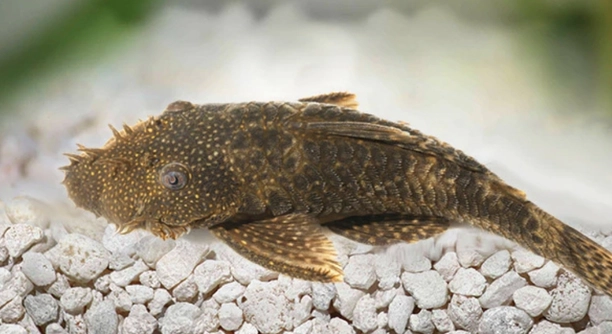
Do you ever notice your plecos moving around more than usual right after feeding? This behavior can seem puzzling, especially when they usually rest quietly during the day. Observing their patterns can give you helpful insight.
Plecos may become restless after feeding due to digestive activity and environmental factors. The movement assists in processing food, stimulating metabolism, and preventing discomfort. Additionally, water conditions, temperature, and diet composition can influence post-feeding activity levels.
Understanding these behaviors will help you maintain a calmer, healthier environment for your plecos and support their overall well-being in the aquarium.
Common Causes of Restlessness in Plecos
After feeding, plecos often become more active than usual. One major reason is digestion. As their stomachs work to break down food, plecos may move around to help with the process. Certain foods, like protein-rich pellets, can increase activity more than algae or vegetables. Tank conditions also play a role. Warm water speeds up metabolism, causing fish to be more active. Sudden changes in water parameters, like pH or ammonia spikes, may make them uncomfortable, resulting in restless swimming. Overfeeding can also contribute, as excess food leads to bloating or indigestion. Observing your pleco’s behavior after different types of meals can help identify patterns. A well-maintained tank with stable water conditions and an appropriate feeding schedule usually minimizes these restless periods. Providing hiding spots and calm areas allows plecos to settle after meals, reducing stress and improving overall health.
Even small changes in diet or temperature can noticeably affect pleco activity, making observation essential.
Tracking feeding habits and tank conditions can prevent long-term stress. Knowing what triggers restlessness ensures your pleco stays healthy, calm, and thriving in its environment.
How to Reduce Post-Feeding Activity
Maintaining consistent water quality is key. Clear, stable conditions help plecos feel secure and reduce unnecessary movement.
To manage post-feeding restlessness, adjust feeding amounts and food type carefully. Overfeeding often causes bloating and excess energy. Providing slow-digesting foods can promote calmer behavior. Temperature should remain stable, avoiding sudden fluctuations that can trigger activity. Consider adding hiding spaces or gentle water flow to let plecos settle naturally. Regular tank maintenance, such as cleaning and monitoring water parameters, ensures a stress-free environment. Observing your fish daily allows early detection of any abnormal patterns. Small adjustments to feeding schedules and diet can significantly reduce restlessness while supporting overall health. By understanding these factors, you create a balanced environment that encourages natural behavior and proper digestion. Calm post-feeding periods contribute to long-term well-being and longevity for your plecos.
Feeding Techniques to Minimize Restlessness
Feeding smaller portions more frequently can reduce post-meal activity. Plecos digest food gradually, so large meals often lead to bloating and extra movement.
Splitting daily food into two or three smaller servings helps prevent overfeeding and supports steady digestion. Slow-digesting foods like vegetables or algae wafers encourage calmer behavior. Observing how your pleco reacts to each meal type can guide portion size. Avoid dropping excessive pellets at once, as leftover food can also degrade water quality, causing stress. Adjusting feeding schedules and monitoring tank conditions together ensures plecos remain relaxed after eating.
Using feeding tools like tongs or placing food in specific tank areas can also control movement. Providing variety in diet while keeping portions moderate helps plecos maintain energy without unnecessary restlessness. Over time, these techniques improve digestion, reduce stress, and create a calmer aquarium environment that supports overall health.
Environmental Adjustments for Calmer Plecos
Stable water parameters reduce stress-related activity. Consistent temperature, pH, and oxygen levels are essential for calmer behavior.
Adding hiding spots, driftwood, or smooth rocks gives plecos safe areas to rest. Gentle water flow allows them to settle naturally without exerting extra energy. Dim lighting after feeding can further promote relaxation. Regular water changes maintain clean conditions, preventing irritants that cause unnecessary movement. Observing how plecos interact with their environment helps identify adjustments needed for comfort.
Adjusting tank décor and flow patterns can make a significant difference. Proper placement of shelters ensures plecos can retreat after meals. Smooth surfaces and gentle currents reduce energy expenditure, supporting calmer post-feeding behavior. Monitoring water parameters closely prevents sudden stress triggers. With consistent environmental care, plecos display natural, relaxed activity levels, promoting long-term health and reducing unnecessary restlessness in the aquarium.
Observing Pleco Behavior Patterns
Tracking when plecos are most active after feeding helps identify triggers. Patterns often relate to diet, tank temperature, and water flow.
Noting the times and types of food that lead to restlessness can guide feeding adjustments. Consistency helps plecos feel secure and reduces unnecessary movement.
Choosing the Right Foods
Protein-heavy foods can increase activity, while vegetables and algae wafers usually promote calmer digestion. Rotating food types supports balanced nutrition. Observing your pleco’s reactions helps determine which foods keep them relaxed. Gradual changes prevent sudden stress. Portion control is equally important, ensuring digestion is steady without overfeeding or causing bloating. Slow-feeding techniques reduce frantic swimming and energy spikes after meals, making post-feeding periods calmer.
Signs of Digestive Discomfort
Excessive restlessness, bloating, or irregular swimming may indicate digestive issues. Prompt adjustments to feeding or diet can help prevent long-term problems.
FAQ
Why is my pleco restless immediately after feeding?
Plecos often move more after meals because their digestive system is active. Moving around can help food pass through their stomachs more smoothly. Water temperature, diet type, and portion size can also affect their activity. Overfeeding or protein-heavy meals tend to increase restlessness compared to slow-digesting foods like algae wafers or vegetables.
How can I tell if my pleco is overfed?
Signs of overfeeding include bloating, sluggish behavior followed by bursts of movement, and leftover food in the tank. Overfed plecos may swim frantically at times, searching for more food. Regularly monitoring portion sizes and adjusting based on your pleco’s size and appetite can prevent these issues.
Does water temperature affect pleco activity after eating?
Yes, water temperature directly impacts metabolism. Warmer water speeds up digestion, causing more movement, while cooler water slows it down. Maintaining stable temperatures within your pleco’s preferred range reduces unnecessary restlessness and helps them digest food at a steady pace.
Can tank conditions make plecos restless after meals?
Poor water quality or sudden changes in pH, ammonia, or oxygen levels can stress plecos. Stress often leads to increased swimming and restlessness. Keeping consistent water parameters and performing regular maintenance minimizes these triggers, ensuring plecos feel safe and calm after eating.
Are certain foods more likely to cause restlessness?
Protein-rich foods such as sinking pellets, bloodworms, or meaty treats can increase activity because they require more energy to digest. Vegetables and algae wafers usually promote slower digestion and calmer behavior. Observing how your pleco reacts to different foods helps determine which options keep them relaxed.
How often should I feed my pleco to reduce restlessness?
Smaller, more frequent meals are better than one large feeding. Splitting food into two or three servings daily prevents bloating and excessive movement. This approach mimics natural grazing behavior and allows plecos to digest food gradually, promoting calmer post-feeding activity.
Does hiding space help with restlessness?
Yes, providing driftwood, caves, or smooth rocks allows plecos to retreat after meals. Safe hiding spots give them security and a chance to rest. Plecos often settle down in these areas, reducing frantic swimming and helping them feel more comfortable in the aquarium.
Can I do anything to calm my pleco after feeding?
You can reduce activity by keeping water stable, feeding moderate portions, and offering hiding spots. Dim lighting or gentle water flow also helps. Observing your pleco’s behavior daily ensures you can adjust feeding and tank conditions to maintain calm post-meal periods.
How long does restlessness usually last after feeding?
Typically, restlessness subsides within 30 minutes to an hour, depending on the food type and tank conditions. If activity continues for longer periods, it may indicate digestive discomfort, overfeeding, or stress from environmental factors. Monitoring patterns helps identify the cause.
What should I do if my pleco seems uncomfortable after eating?
Reduce food portions, switch to easier-to-digest foods, and ensure water parameters are stable. Providing a calm, low-flow area or additional hiding spaces can help. Persistent discomfort may require closer observation or consultation with an aquatic veterinarian to rule out illness or digestive issues.
Can different pleco species behave differently after feeding?
Yes, some species are naturally more active than others. Larger plecos or carnivorous species may show more movement after meals than smaller or herbivorous types. Understanding your pleco’s specific behavior patterns allows for tailored feeding and tank management strategies.
Is restlessness always a problem?
Not always. Mild activity after feeding is normal and often healthy. It becomes a concern if accompanied by bloating, erratic swimming, or signs of stress. Consistent monitoring and adjusting diet or tank conditions usually prevent problems and ensure your pleco remains comfortable.
Can feeding tools help manage restlessness?
Yes, using tongs or placing food in specific tank areas controls where plecos feed, preventing frantic swimming. Feeding tools also help monitor portions, reduce leftover food, and encourage calmer post-meal behavior by guiding movement and interaction with food.
How important is routine for plecos?
Routine helps plecos feel secure. Feeding at the same times daily and maintaining stable water conditions reduce stress and post-feeding activity. Predictable routines allow plecos to digest food efficiently while minimizing unnecessary energy expenditure, resulting in calmer, healthier fish.
Are there long-term effects of frequent post-feeding restlessness?
Chronic overfeeding or stress from environmental factors can lead to health problems such as bloating, digestive issues, and weaker immune systems. Proper feeding, stable water conditions, and a secure tank environment reduce restlessness, supporting long-term health and longevity in plecos.
Final Thoughts
Understanding why plecos become restless after feeding helps create a healthier, calmer aquarium environment. Their post-feeding activity is often linked to natural digestive processes, but factors like diet, water quality, and tank setup also play a role. Observing your pleco’s behavior daily allows you to notice patterns and make small adjustments that reduce unnecessary movement. Over time, this awareness can prevent stress and digestive issues, ensuring your pleco feels comfortable and secure. Maintaining a consistent routine, including feeding schedule, portion size, and tank maintenance, provides stability that plecos respond well to. Small changes, such as offering hiding spots or adjusting water flow, can make a significant difference in how your pleco behaves after eating.
Feeding habits directly impact a pleco’s activity. Large meals, protein-heavy foods, or sudden changes in diet often result in increased movement or frantic swimming. Smaller, more frequent meals, paired with slow-digesting foods like algae or vegetables, encourage calmer behavior. Paying attention to portion control is just as important as choosing the right food. Gradual introduction of new foods allows your pleco to adjust without causing stress. Additionally, using feeding tools or placing food strategically can help manage movement during mealtime. Proper monitoring of leftovers prevents water quality issues, which can further affect behavior. By combining mindful feeding practices with a stable environment, you can significantly reduce post-feeding restlessness.
Tank conditions play a crucial role in pleco comfort. Stable water temperature, pH, and oxygen levels reduce stress that may otherwise increase activity after meals. Providing hiding spots, gentle water flow, and clean surfaces encourages your pleco to rest naturally after feeding. Observing behavior in relation to these factors helps identify areas for improvement. Regular water testing, cleaning, and monitoring ensure that your pleco’s habitat remains safe and supportive. Consistency and attention to detail in both feeding and tank management contribute to long-term health and calm behavior. By addressing diet, environment, and routine together, you create an aquarium where plecos can thrive comfortably without unnecessary restlessness.

Hello,
If you enjoy the content that we create, please consider saying a "Thank You!" by leaving a tip.
Every little bit helps us continue crafting quality advice that supports the health, happiness, and well-being of pets around the world, for pets of all shapes, sizes, and species.
We really appreciate the kindness and support that you show us!