Can Bristlenose Plecos Handle Poor Water Flow?
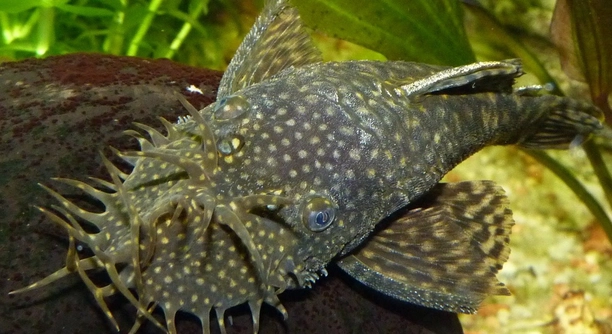
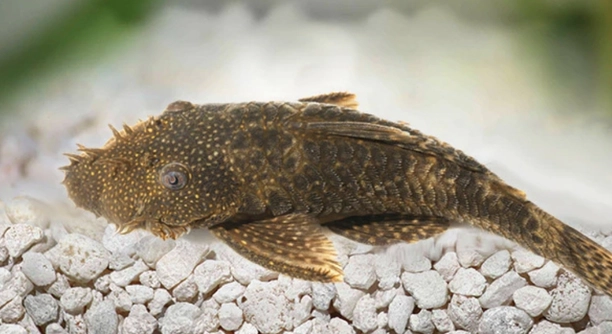
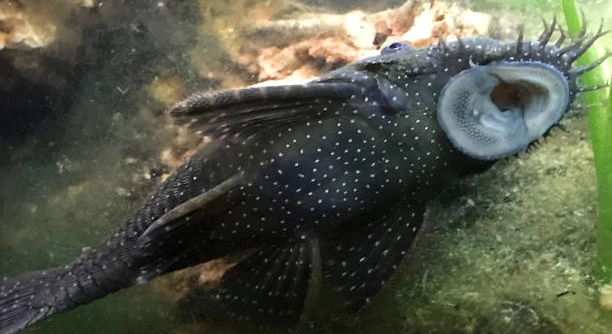
Bristlenose plecos are popular aquarium fish known for their unique appearance and algae-eating habits. They are peaceful, small, and adaptable, making them a favorite choice for many hobbyists looking to maintain a clean tank environment. Bristlenose plecos can tolerate low water flow, as they naturally inhabit slow-moving rivers and streams. Their physiology allows them to … Read more
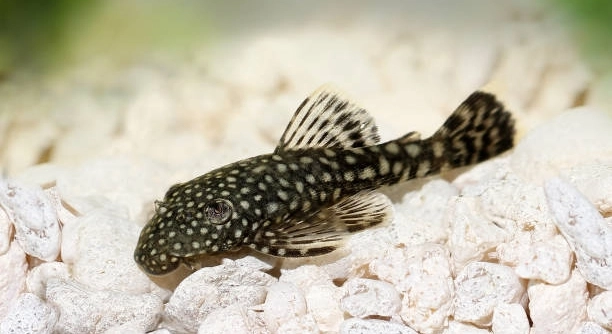
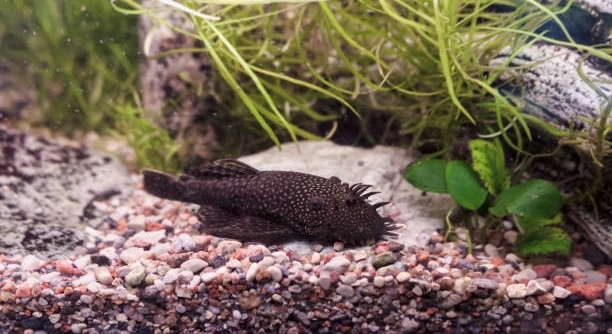
7 Bristlenose Pleco Tank Setup Essentials

Are you setting up a new tank for your bristlenose pleco and want to ensure it thrives in its environment? These small, algae-eating fish require specific conditions to stay healthy and active in home aquariums. Bristlenose pleco tank setup requires appropriate substrate, hiding spots, water parameters, filtration, lighting, diet, and regular maintenance. Ensuring these essentials … Read more

Do Plecos Mind Being in a Bare Tank?

Do plecos thrive in bare tanks, or do they prefer a more decorated environment? Many aquarium owners wonder how these fish adapt when their tank lacks hiding spots and natural decor. Their habits can seem simple yet intriguing. Plecos can survive in bare tanks, but they generally benefit from structured environments. Lack of hiding places … Read more

7 Hidden Signs Your Pleco Is Feeling Sick

Do you ever notice your pleco behaving differently but can’t pinpoint why? Many fish owners overlook subtle cues that indicate illness. Recognizing these early signs is key to keeping your pleco healthy and thriving in its tank. Plecos can display several hidden symptoms when unwell, including changes in appetite, abnormal swimming patterns, discoloration, fin damage, … Read more

7 Ways to Help a Pleco Recover From Illness

Caring for a pleco can be rewarding, but illness can make it stressful. These freshwater fish are sensitive to changes in water quality, diet, and environment, which can impact their overall health and daily behavior in your aquarium. Helping a pleco recover from illness requires attention to water parameters, diet adjustments, tank hygiene, and stress … Read more

Do Plecos Prefer Daylight or Darkness?

Do you ever find yourself observing your pleco gliding along the aquarium walls, seemingly disappearing when the lights turn on? These gentle fish often keep to themselves, leaving many aquarium owners unsure of their natural preferences. Plecos are primarily nocturnal creatures, preferring darkness over daylight. They are most active during nighttime hours, using low light … Read more

Can Bristlenose Plecos Share With Mollies?

Do your aquariums sometimes feel like a miniature ecosystem with every fish playing its own role? Managing a peaceful community tank can be tricky, especially when combining different species with unique habits and temperaments. Bristlenose plecos and mollies can generally share the same tank without significant conflict. These species have compatible temperaments, distinct dietary needs, … Read more

7 Pleco Tank Upgrades That Actually Matter

Are your plecos thriving in their current tank setup, or do you notice signs of stress and limited activity? Maintaining a proper environment is essential for these unique fish, as small changes can have a big impact on their well-being. Upgrading a pleco tank involves considering filtration, hiding spaces, substrate type, lighting, water flow, tank … Read more

7 Mistakes That Make Plecos Hide for Days

Do your plecos often disappear for days, leaving you worried about their well-being? Many aquarium owners experience this, and it can be stressful when your fish seems to vanish without explanation from the tank. Plecos often hide due to environmental stress, improper tank setup, or inadequate nutrition. Overcrowding, sudden water parameter changes, and lack of … Read more

Why Is My Pleco Obsessed With the Bubbler?

Do you ever notice your pleco spending hours circling the bubbler in its tank? Many owners find this behavior puzzling, as the fish seems almost obsessed with the rising stream of bubbles. Observing this can be oddly entertaining. Plecos are naturally drawn to bubblers because the rising bubbles increase oxygen levels and stimulate water movement. … Read more